
Living with pets means sharing daily life with another living being who depends on you for comfort, safety, and care. Over time that relationship becomes much deeper than routine feeding or the occasional trip to the veterinarian. Anyone who has lived with a beloved cat or dog knows that the connection grows through small moments. Sitting together in a quiet room, sharing a walk, or adjusting your home to meet their needs all become part of the bond.
For many pet owners, one of the most meaningful ways to deepen that connection is through do it yourself projects. Building something for a pet, modifying a living space for their comfort, or crafting a toy with your own hands creates a special kind of interaction. The project becomes more than an object. It becomes a symbol of care.
This idea becomes even more powerful when pets enter their senior years. Older animals often need thoughtful adjustments to their environment. They may not jump as easily, their eyesight may fade, or they may need extra warmth and comfort. Creating things for them with your own hands helps bridge the gap between their changing needs and your desire to keep them happy and safe.
For those of us who have shared our homes with many animals over the years, these projects become little chapters in a much larger story.
Why Building Something for Your Pet Feels Different
 Buying a toy or bed from a store is convenient, but creating something yourself changes the experience. When you build something for your pet, you spend time thinking about their personality, habits, and comfort.
A cat that loves to perch near a sunny window might inspire a homemade platform. A senior dog with stiff joints might benefit from a gently sloped ramp. Even something simple like a handmade blanket or scratching board becomes meaningful because it was designed specifically for that animal.
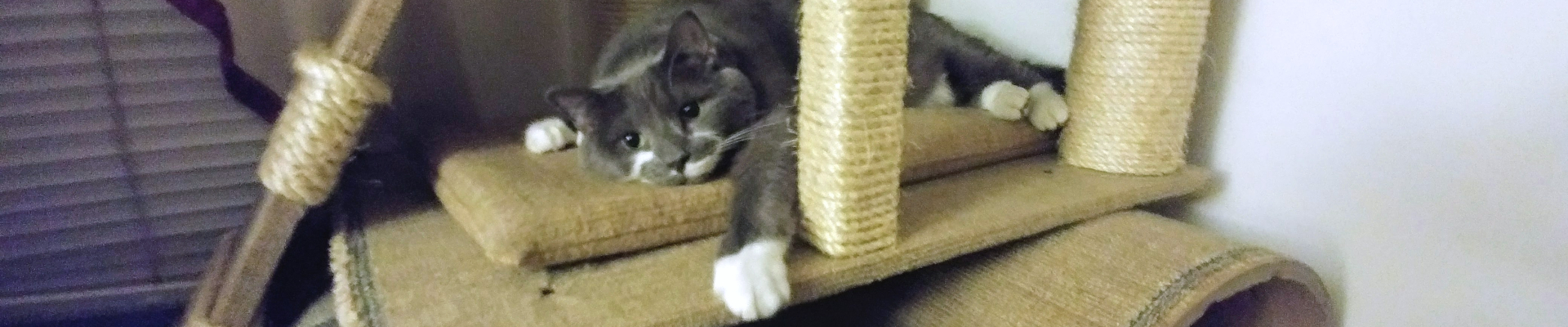
Pets often respond to that attention in ways that surprise people. They investigate the new object while you build it. They sit nearby watching. Some cats even insist on helping by lying on the materials. The process becomes shared time.
Over the years we have noticed that animals seem drawn to things made specifically for them. It may be the scent of the home, the familiarity of the materials, or simply the fact that their favorite human spent time making it. Whatever the reason, many pets adopt these handmade items quickly.
DIY Projects Encourage Observation
One unexpected benefit of building things for pets is that it teaches owners to observe their animals more closely. To build something useful, you must first understand what your pet needs.
You start noticing details that may have gone unnoticed before. Does your cat prefer high places or low ones? Does your older dog hesitate before stepping onto the couch? Does your pet like soft surfaces, warm areas, or quiet corners?
These observations help shape the project, but they also strengthen your awareness of your pet’s well being. For example, a cat that suddenly stops climbing might be developing arthritis. A dog that struggles with stairs might benefit from a ramp or non slip surfaces. Paying attention to these changes can make a huge difference in a senior pet’s comfort.
Over the years we have made adjustments for many animals in our home. Some of those adjustments were simple. Others took a little creativity. But each one came from paying attention to how our pets moved through their environment. DIY projects naturally encourage that kind of awareness.
Comfort Matters More for Senior Pets
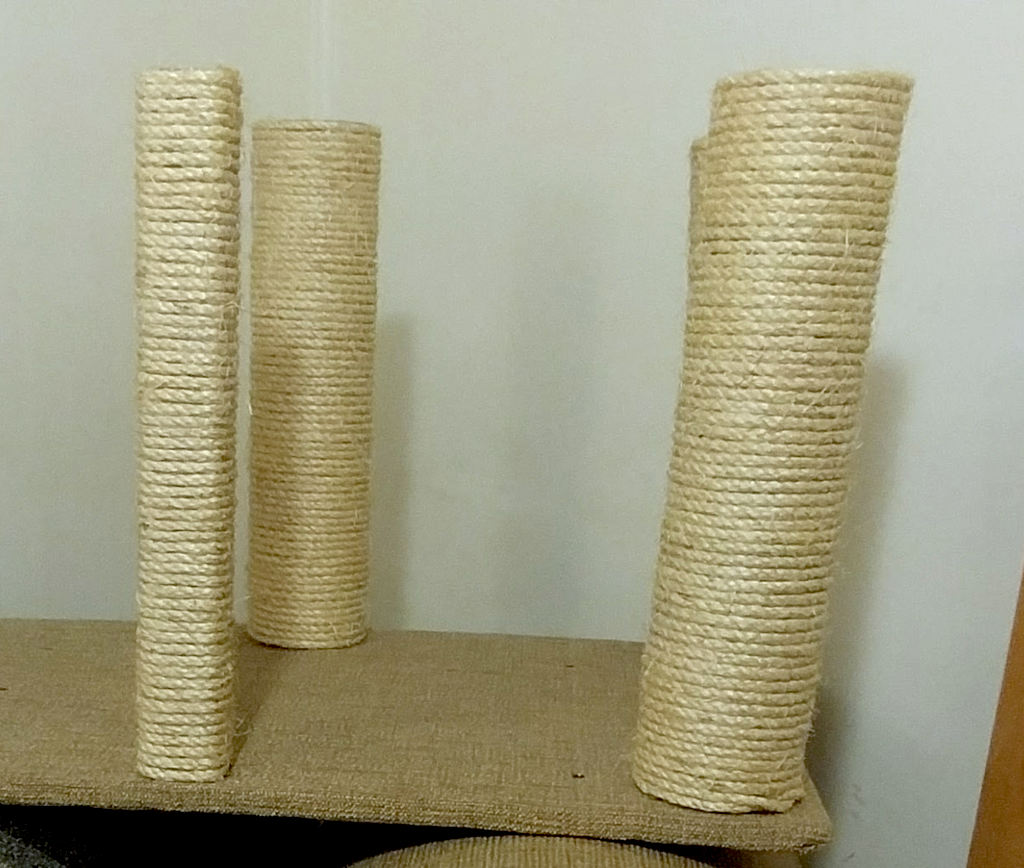 As pets age, comfort becomes one of the most important aspects of their daily life. You may notice that an older cat sleeps longer and seeks out warm areas of the house. A senior dog may prefer softer surfaces and shorter walks. Mobility can change slowly over time, and even small improvements to their environment can make life easier.
This is where DIY solutions can really shine.
Many pet owners build small steps to help a dog reach the couch or bed. Others create padded resting areas near windows where cats like to watch the outside world. Some people add ramps to favorite sleeping spots so that older pets do not have to jump. These changes are often simple but very meaningful.
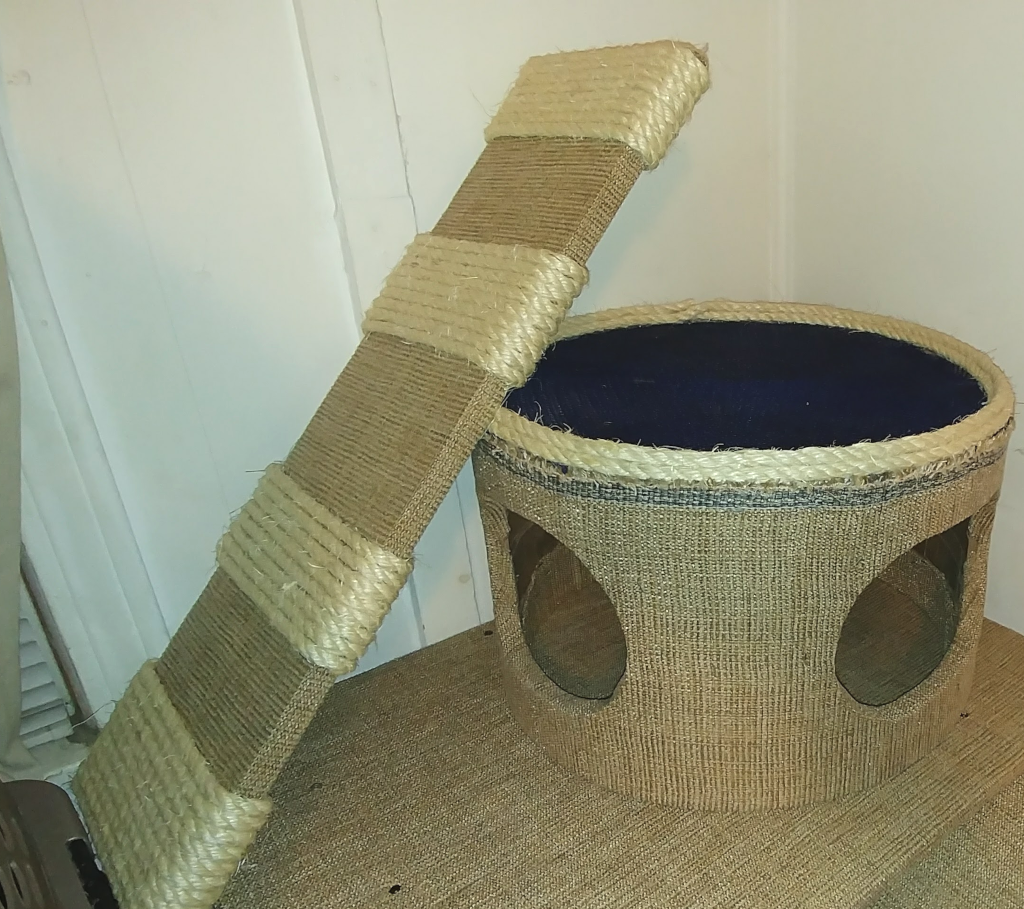
One of our own cats many years ago began having trouble jumping onto a favorite window ledge. Instead of taking that spot away from him, we built a small stepped platform that allowed him to climb comfortably. The moment he used it for the first time felt like a small victory.
That platform became his favorite lookout point for the rest of his life. Moments like that remind us why these small projects matter.
Homemade Toys and Mental Stimulation
While comfort is important, stimulation is also essential for pets of all ages. Cats especially benefit from toys that encourage curiosity and gentle play. Dogs enjoy puzzle toys and interactive objects that keep their minds engaged.
DIY toys can be surprisingly effective because they are often tailored to a pet’s unique interests. Some cats love simple wand toys made from string and feathers. Others enjoy cardboard scratch boards or tunnels made from recycled boxes. Dogs may enjoy treat puzzles made from safe containers or fabric toys created from old clothing.
The goal is not perfection. The goal is engagement. Older pets often appreciate slower paced play sessions that match their energy level. A handmade toy allows you to control how active the game becomes. Even short play sessions can brighten a senior pet’s day and strengthen the bond between pet and owner.
Projects Create Shared Experiences
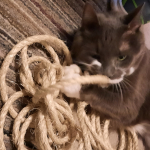 One of the most overlooked aspects of DIY projects is the time spent together during the process. Pets are curious by nature. Many of them like to observe what their humans are doing. Cats are famous for sitting directly on top of tools, papers, or building materials. Dogs often watch quietly from nearby.
While you work, your pet becomes part of the moment. These small shared experiences create familiarity and trust. Your pet sees that you are focused on something that will soon become part of their world.
When the project is finished and they begin using it, the connection feels complete. This sense of participation may sound simple, but it strengthens the emotional bond between human and animal in ways that are difficult to measure.
DIY Projects Can Be Budget Friendly
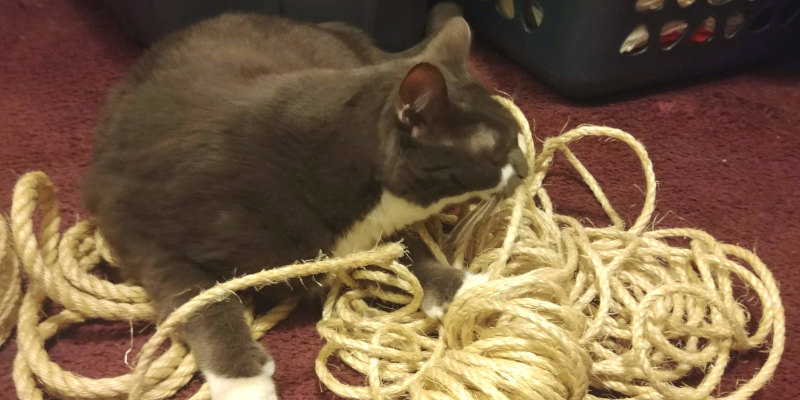 Another benefit of DIY pet projects is affordability. Many pet products sold in stores can be expensive. Beds, cat trees, ramps, and toys sometimes cost far more than their materials justify. With a little creativity, many of these items can be made at home for a fraction of the cost.
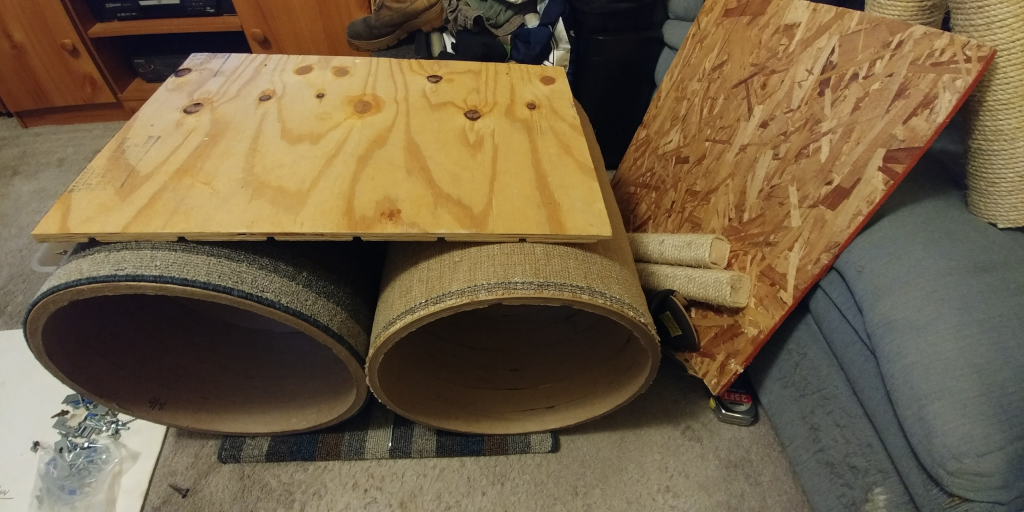
Scrap wood, leftover fabric, and recycled cardboard can become useful pet accessories. Old blankets can be repurposed into bedding. Simple rope can transform a wooden post into a scratching surface.
In fact, one of the tools on our website helps people calculate rope length when building their own cat trees. It is a small detail, but it reflects the growing interest many pet owners have in creating things themselves. Building these items does not require advanced skills. It only requires patience and the desire to make something helpful.
Thoughtful Design for Pets with Health Conditions
For pets living with chronic conditions, DIY projects can be especially helpful. Animals with arthritis may benefit from ramps, low entry litter boxes, or raised feeding stations. Pets with vision problems may benefit from stable furniture layouts and textured walking paths. Diabetic pets may benefit from consistent feeding areas that help maintain routine.
Every home and every pet is different, which is why personalized solutions can be so valuable. We have lived with pets who had diabetes, kidney disease, thyroid issues, and other health challenges. In many cases, small environmental adjustments helped make daily care easier.
Sometimes the solution was as simple as a stable feeding station or a comfortable resting area close to where we spent most of our time. These small changes reduced stress for both the pet and the owner. DIY projects allow those adjustments to be made quickly and thoughtfully.
Projects That Become Memories
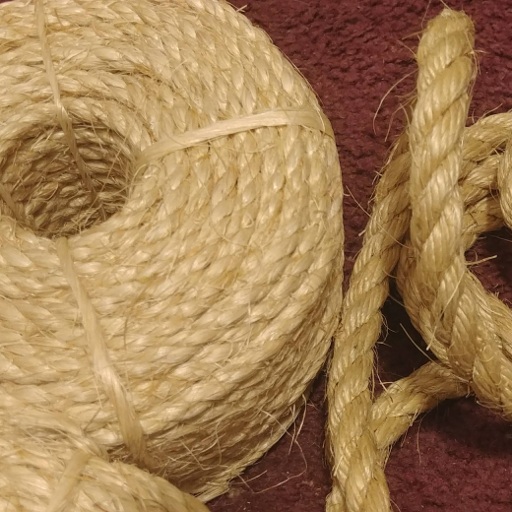 Over time, many handmade pet items become part of the memories we carry long after a pet is gone. A worn scratching post, a favorite blanket, or a small ramp near a couch can remind us of the years shared with a beloved animal. These objects represent care, patience, and companionship.
Many pet owners find it difficult to discard these items even after they are no longer needed. They hold stories. Each mark or scratch tells a little piece of the past. For people who have shared their homes with many animals over the years, these reminders become part of a long history of love and responsibility.
The Bond That Grows Through Care
At its heart, the relationship between humans and pets is built on trust. Animals rely on us for safety and comfort, and in return they offer companionship that is honest and unconditional. DIY projects may seem like small gestures, but they represent something larger. They show our willingness to adapt, create, and problem solve for the animals who share our lives.
That effort does not go unnoticed by our pets. A comfortable resting place, an easy path to a favorite window, or a simple toy built with care can improve their daily life in ways that matter. For senior pets especially, these thoughtful adjustments can help maintain independence, comfort, and joy during their later years.
And for the people who love them, those projects become quiet reminders of the bond that grows stronger with every act of care.