
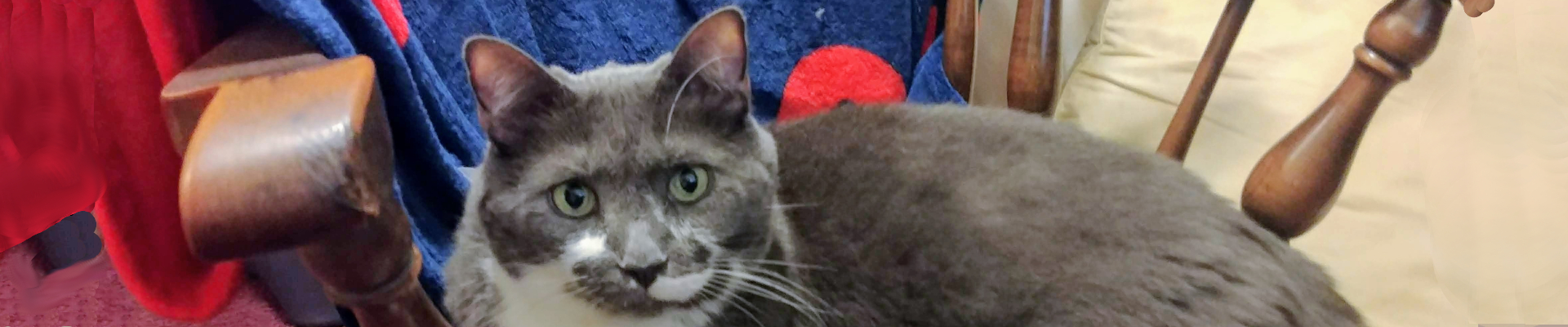
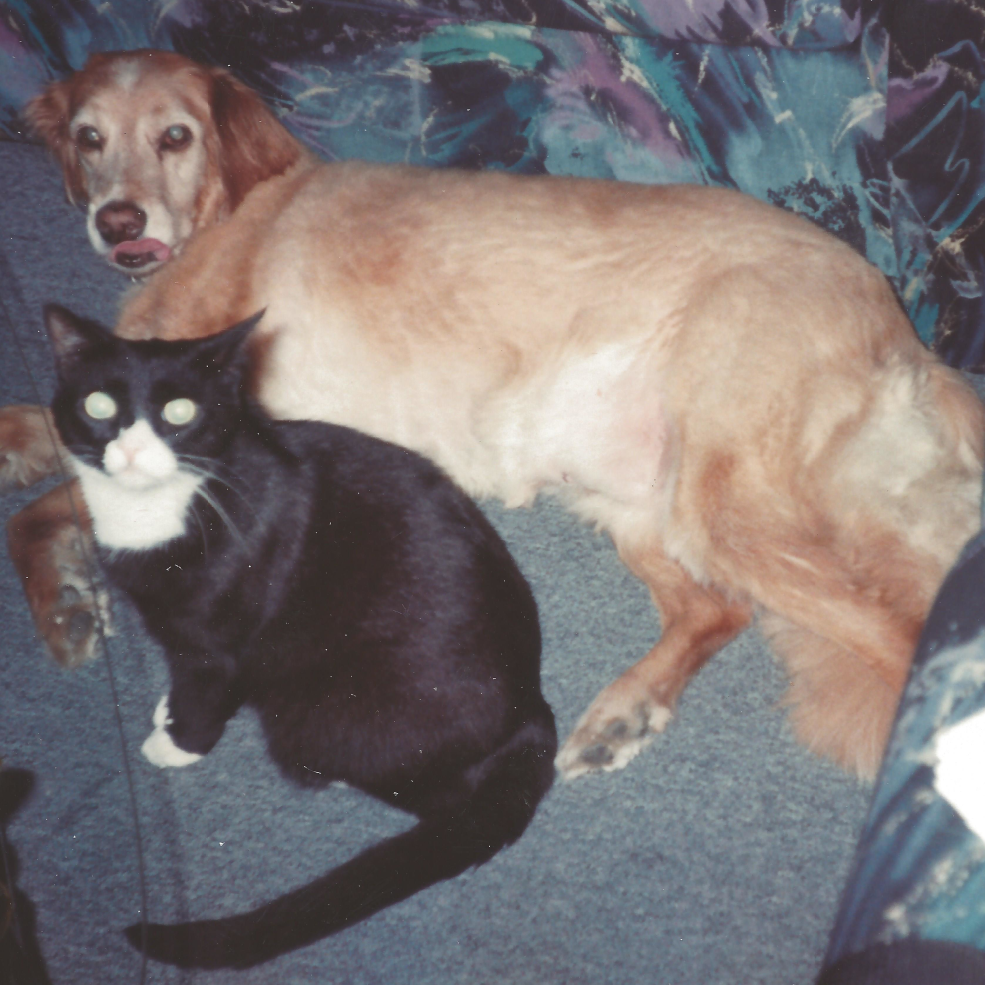
When people hear the phrase “senior-friendly home,” they often picture expensive renovations, ramps everywhere, or a house that suddenly feels more like a medical facility than a home. That assumption alone stops many pet owners from making changes that could dramatically improve their aging pet’s comfort and quality of life. The truth is much kinder and far more practical: creating a senior-friendly home usually has very little to do with remodeling and everything to do with observation, small adjustments, and compassion.
At BellenPaws, our perspective comes from years of living alongside senior pets. We are not veterinarians. We are simply people who noticed subtle changes over time, adapted our homes gradually, and learned that aging pets rarely need perfection. What they need is ease, predictability, and safety. Most of those things can be achieved without tearing down walls or spending thousands of dollars.
This article is about meeting senior pets where they are now, not where they used to be, and shaping the home around that reality in thoughtful, manageable ways.
Aging Happens Quietly
One of the hardest parts of caring for a senior pet is that aging rarely announces itself all at once. It arrives in quiet moments. A cat hesitates before jumping onto the couch. A dog pauses at the top of the stairs. A food bowl remains half full longer than it used to. These are not emergencies, but they are messages.
Many owners miss these signs because they are subtle, or because life is busy, or because we do not want to admit our pets are getting older. But the home environment plays a major role in whether those small changes become manageable adjustments or ongoing struggles.
The goal is not to “baby” a senior pet. It is to remove unnecessary obstacles so they can continue doing what they love without pain, fear, or confusion.
Floors Matter More Than Furniture
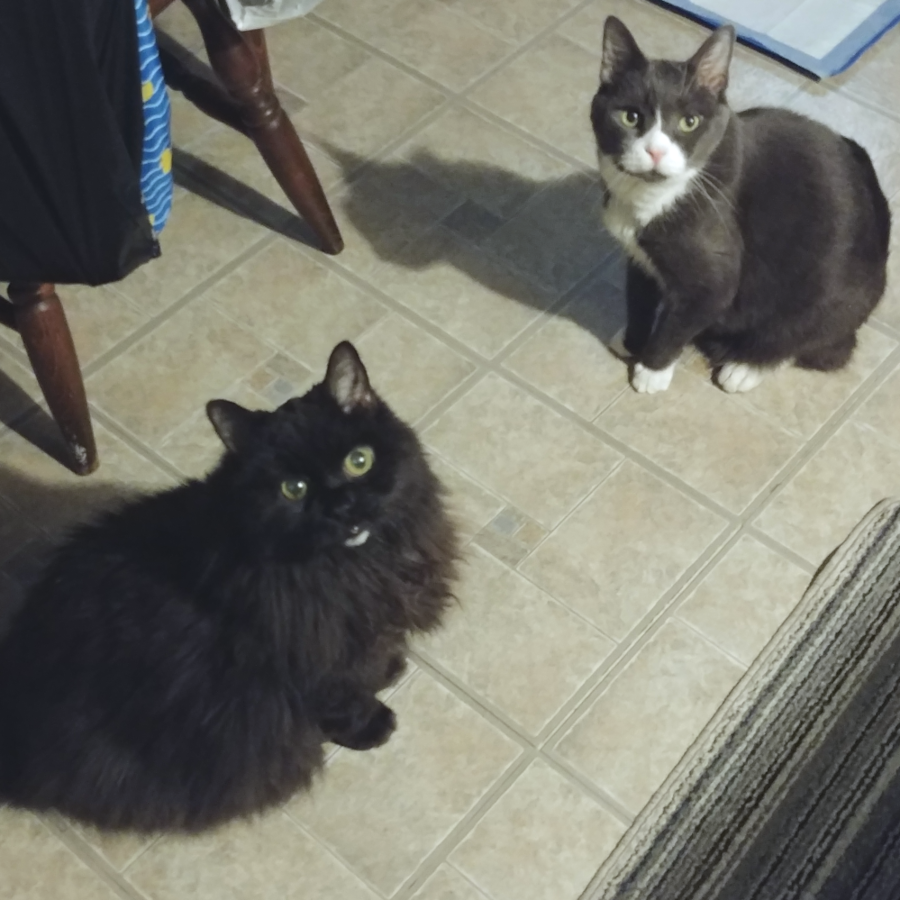 Slippery floors are one of the most common and overlooked challenges for senior pets. As animals age, they lose muscle tone, joint stability, and sometimes confidence. Smooth surfaces that were once manageable can suddenly feel unsafe.
The fix does not require new flooring.
Area rugs, runners, or even strategically placed bath mats can create safe pathways through commonly used areas. Think about the routes your pet takes most often: from their sleeping spot to the litter box, from the food bowl to the water dish, from the door to their favorite resting area. Adding traction in those paths can prevent slips, falls, and hesitation.
For pets with arthritis or weakness, falling is not just uncomfortable. It can be frightening. Fear can change behavior, leading to avoidance, accidents, or withdrawal. Simple traction restores confidence.
Rethinking Vertical Space
Jumping becomes harder with age, even if a pet does not complain. Cats, in particular, are masters at hiding discomfort. A senior cat who stops using a favorite perch or window seat is often telling you something important.
Instead of removing vertical spaces altogether, consider making them more accessible. Pet steps, sturdy boxes, or low platforms can bridge the gap between the floor and higher surfaces. These do not need to be fancy. Stability matters more than appearance.
For dogs, this might mean steps to get onto the couch or bed, or simply accepting that some spaces are no longer worth the effort. Allowing a dog to rest where it feels comfortable, even if that spot changes over time, is part of adapting the home.
The key is preserving choice. Senior pets thrive when they can still decide where to rest without pain or fear.
Litter Boxes and Bathroom Access
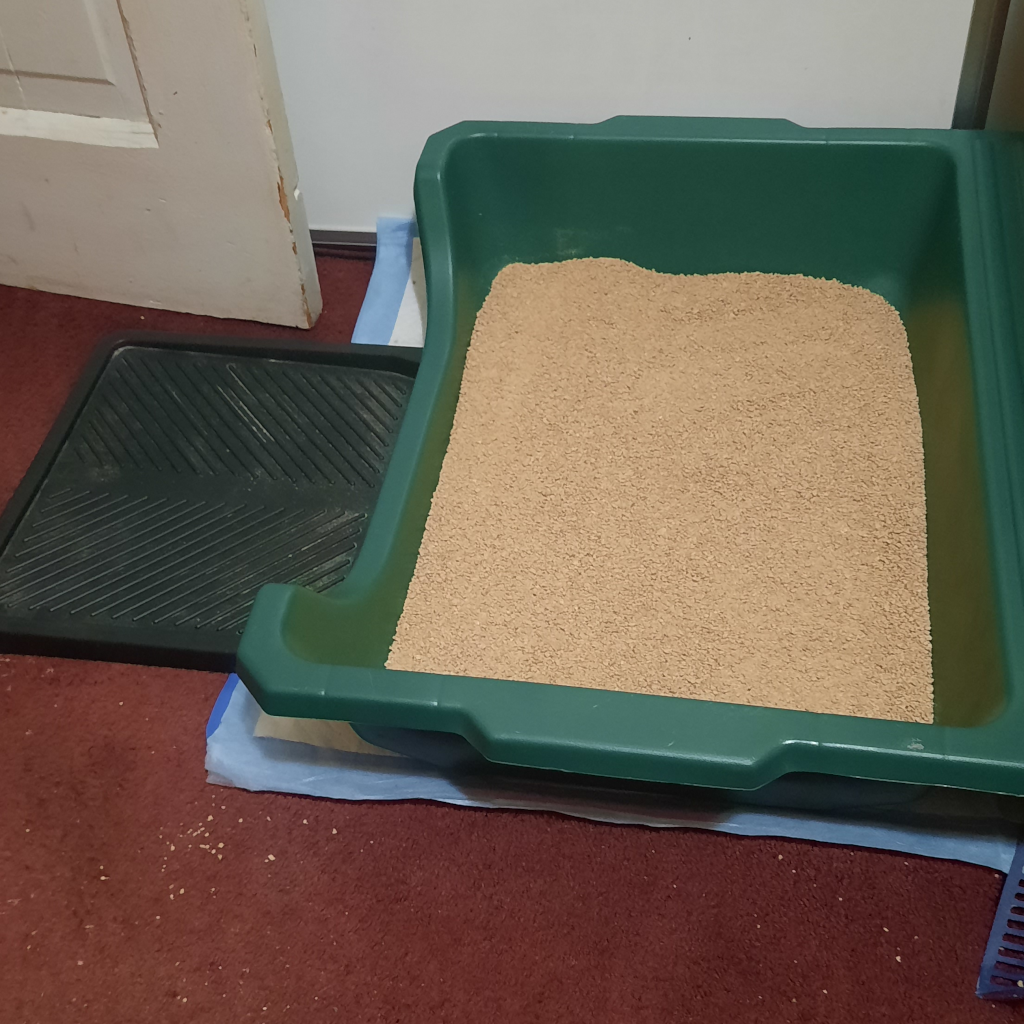 Bathroom routines often change with age. For cats, high-sided litter boxes can become an obstacle rather than a benefit. Arthritis, stiffness, or balance issues can make climbing in and out uncomfortable.
Switching to a lower-entry box can make a dramatic difference. Many senior cats do not stop using the litter box because of behavior problems; they stop because the box hurts to use. A small change here can prevent accidents and frustration for everyone involved.
For dogs, especially those with mobility issues, access to the outdoors matters. This does not mean installing a dog door or changing your entire yard. Sometimes it means more frequent, shorter walks or adjusting schedules to match your dog’s needs now, not what they used to be.
Food and Water Placement
As pets age, bending down repeatedly can become uncomfortable, especially for dogs with neck, hip, or joint issues. Elevated food and water bowls can reduce strain and make meals more pleasant.
The placement of bowls matters too. Ensure they are in a quiet, easily accessible area away from heavy foot traffic. Senior pets often prefer calm environments where they do not feel rushed or startled.
For pets with diabetes or other medical conditions, consistency is critical. Keeping food, water, and medication routines predictable reduces stress and supports overall health. A senior-friendly home is as much about routine as it is about physical space.
Lighting and Vision Changes
Vision changes are common in aging pets, even if blindness is not complete. Dimly lit hallways, sudden shadows, or rearranged furniture can be disorienting.
Improving lighting does not require rewiring the house. Night lights in hallways, near litter boxes, or along stairs can help pets navigate safely during nighttime hours. Keeping furniture placement consistent is equally important. Familiar layouts create confidence.
For pets with significant vision loss, texture becomes more important than sight. Rugs, mats, and familiar surfaces help them orient themselves using their paws and memory.
Temperature and Comfort
Senior pets often have a harder time regulating body temperature. They may seek warmth more than they used to or struggle in extreme heat.
Providing warm, supportive bedding in draft-free areas can make rest more restorative. Orthopedic-style beds are helpful, but even a well-padded, familiar blanket in the right spot can improve comfort.
Pay attention to where your pet chooses to sleep. They are often telling you exactly what they need.
Quiet Spaces Matter
As pets age, they often become less tolerant of noise and chaos. A senior-friendly home includes places where they can retreat without being disturbed.
This is especially important in households with children, other pets, or frequent activity. A quiet corner with a bed, soft lighting, and minimal traffic gives senior pets a sense of security.
Respecting these spaces is just as important as creating them. A senior pet who feels safe resting will conserve energy and cope better with health challenges.
Managing Medical Care at Home
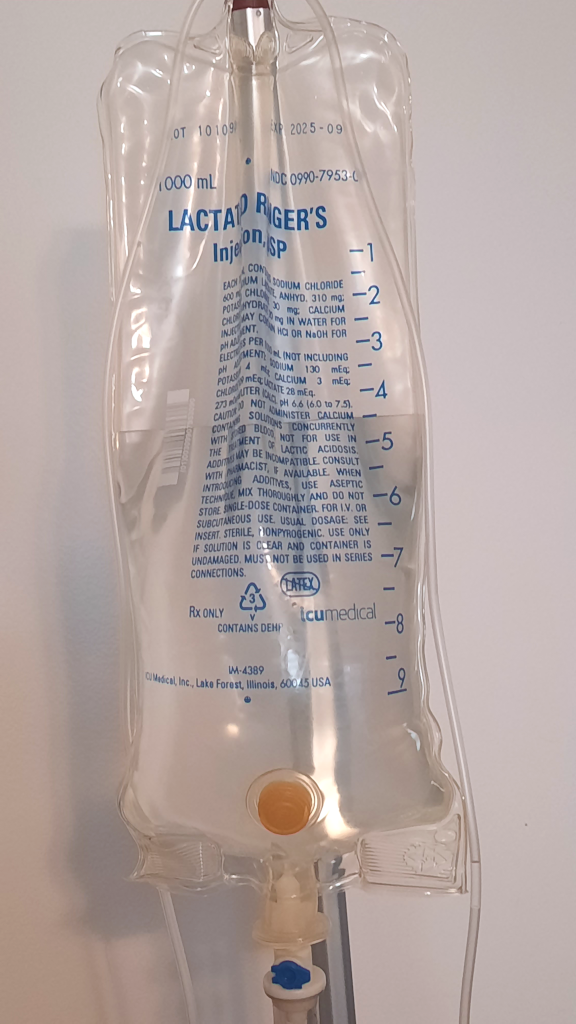 For owners caring for pets with diabetes or other chronic conditions, the home becomes part of the care plan. Having a designated area for supplies, testing, and record keeping reduces stress.
Tools like printable glucose tracking forms, daily logs, and consistent routines help owners feel organized and pets feel secure. When medical care is calm and predictable, pets are less anxious and more cooperative.
A senior-friendly home supports both the pet and the human caring for them.
Emotional Comfort Is Physical Comfort
One of the most overlooked aspects of a senior-friendly home is emotional safety. Aging pets may become more anxious, clingy, or withdrawn. These changes are not signs of weakness; they are responses to a changing body and world.
Maintaining familiar routines, speaking gently, and offering reassurance go a long way. Sometimes the most meaningful “home modification” is simply slowing down.
Senior pets still want affection, engagement, and connection. They just need it delivered in ways that match their energy and comfort levels.
You Do Not Have to Do Everything at Once
Creating a senior-friendly home is not a checklist to complete in a weekend. It is an ongoing process of noticing, adjusting, and responding.
Some changes will be obvious and immediate. Others will reveal themselves over time. Trust your observations. You live with your pet every day. You are uniquely qualified to understand what they need.
The goal is not to create a perfect environment. It is to create a compassionate one.
Aging at Home, Together
Senior pets do not need grand renovations or dramatic transformations. They need understanding, patience, and thoughtful adjustments that honor who they are now.
A home that supports aging pets is one that allows them to move comfortably, rest peacefully, eat calmly, and feel safe. It is a home shaped by love, experience, and the quiet wisdom that comes from sharing life with animals through every stage.
Creating that kind of home is not about changing everything. It is about changing the right things, at the right time, with care.
And that is something every devoted pet owner can do.