

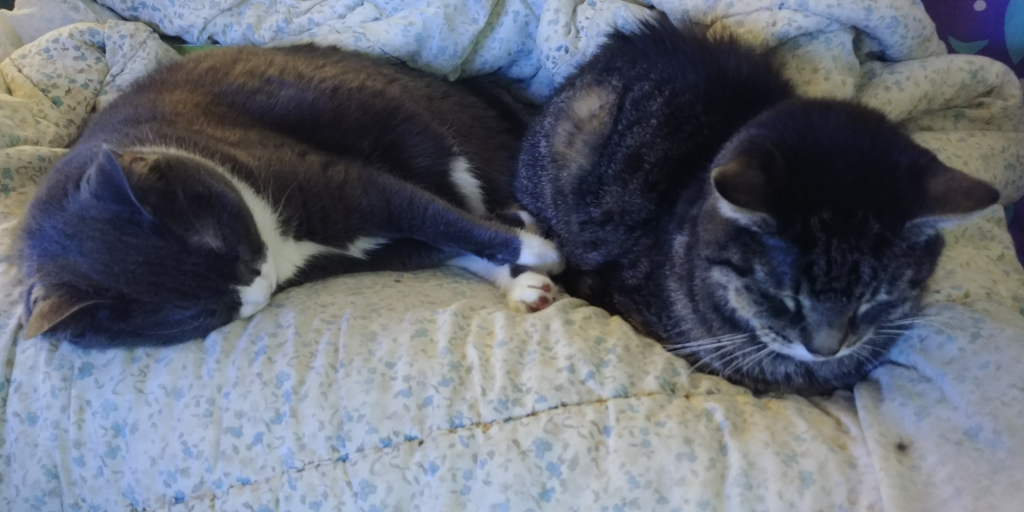
When pets are young, they seem almost unstoppable. They run toward life with energy and curiosity, and we spend our days trying to keep up. As they age, something shifts. Their pace slows. Their eyes ask for reassurance. Their needs become more complex. And in those quieter years, they depend on us more than ever.
Advocating for pets who cannot speak for themselves is not just about love. It is about awareness, patience, education, and courage. It means noticing the subtle changes. It means asking questions. It means sometimes pushing for answers when something does not feel right. Most of all, it means standing in the gap between what our pets feel and what the world assumes about them.
At BellenPaws, this mission grew from living alongside senior cats like Belle and Paws. Over the years, we have walked through diabetes, thyroid disorders, kidney disease, cancer, blindness, and mobility loss with both cats and dogs. We are not veterinarians. We are simply people who have loved deeply and learned through experience. That experience shaped our desire to build a place where other pet owners could find clarity and support when the path feels overwhelming.
Listening Beyond Words
 Pets cannot tell us when they feel dizzy, nauseated, or confused. They cannot explain that their joints ache more on cold mornings. They do not announce that their vision is fading or that their thirst has suddenly increased. Instead, they whisper through behavior.
A cat who once leaped effortlessly to a favorite perch may start hesitating. A dog who loved long walks may lag behind. A pet who was always tidy with the litter box may suddenly miss the edge. These moments are easy to dismiss as aging, but aging is not a diagnosis. It is a stage of life that deserves attention and care.
Advocacy begins with observation. It means learning your pet’s normal habits so you can recognize when something shifts. It means trusting your instincts when you feel that something is not quite right. Even subtle changes can point to treatable conditions such as diabetes, thyroid imbalance, or kidney disease.
Two of our cats lived with diabetes. We learned quickly that managing the condition required daily attention, consistency, and patience. Blood glucose readings, feeding schedules, and insulin timing became part of our rhythm. It was not always easy, but it was possible. With structure and monitoring, diabetic pets can still enjoy comfortable and meaningful lives.
That experience is one reason we created tools like our diabetes tracker and printable glucose curve forms. When you are sleep deprived and worried, having a clear chart in front of you can calm the chaos. Numbers begin to tell a story. Patterns emerge. And those patterns help you advocate more effectively during veterinary visits.
Education Builds Confidence
 One of the hardest parts of caring for senior pets is feeling unprepared. A diagnosis can sound frightening. Medical terms can feel foreign. Treatment options may seem complicated or expensive. In those moments, fear can overshadow hope.
Education brings confidence. When you understand what a condition means in simple terms, it becomes less mysterious. For example, diabetes is not a sudden end to joy. It is a condition where the body struggles to regulate blood sugar properly. With careful monitoring and appropriate care, many pets stabilize and regain their energy.
Kidney disease, another common senior condition, does not happen overnight. It often progresses slowly. Catching it early can make a meaningful difference. Regular lab work, hydration support, and dietary adjustments can extend quality of life.
Even understanding your pet’s age in human years can shift your perspective. A ten year old dog might not feel middle aged in our minds, but when converted into human terms, it may reflect a much more advanced stage of life. Our age calculator was designed to help owners see their pets through that lens. When you recognize that your companion is equivalent to a senior adult, it encourages gentler expectations and more proactive care.
Education does not replace veterinary guidance. Instead, it equips you to ask better questions. It helps you recognize when something deserves attention. And it strengthens your ability to partner with your veterinarian rather than feeling lost in the process.
Advocacy in the Exam Room
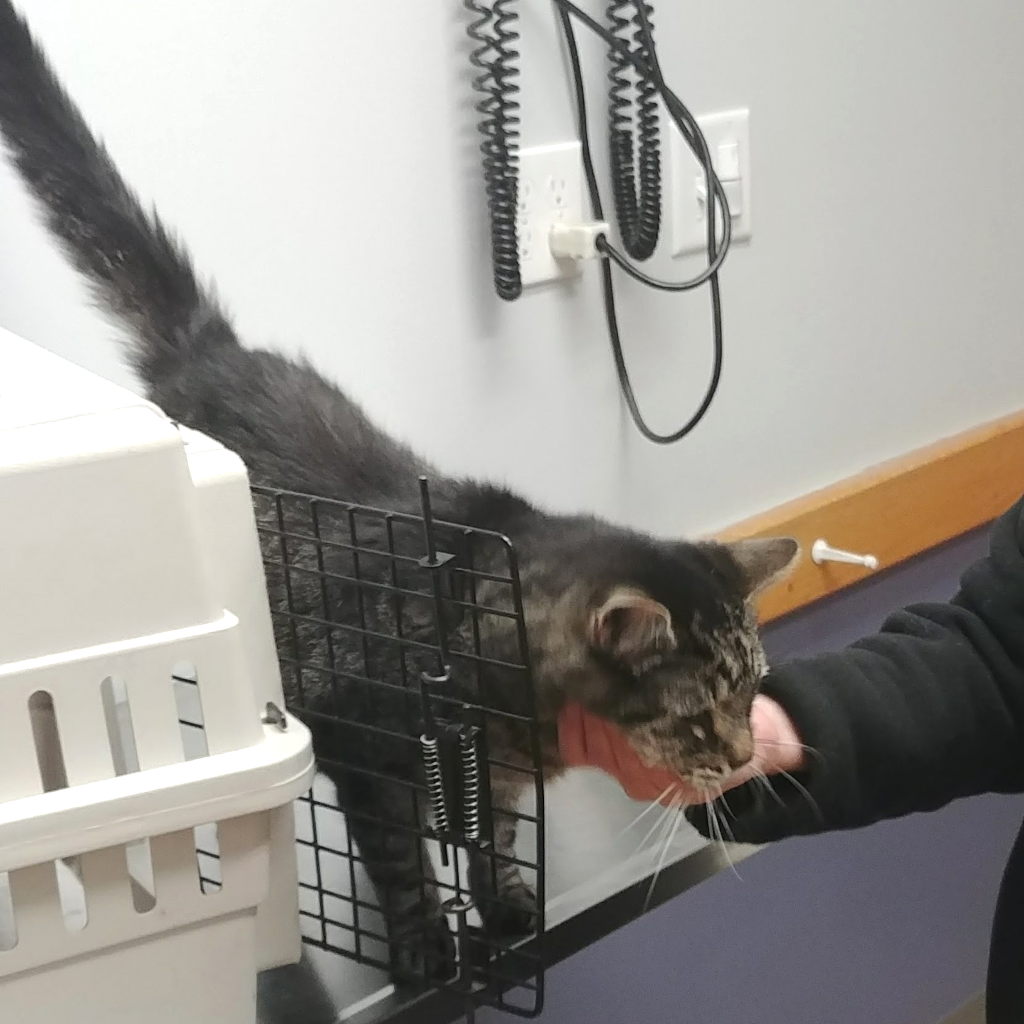 There may come a time when you feel something is being overlooked. Perhaps a symptom is dismissed as normal aging. Perhaps you are told to wait and see when your instincts say otherwise. Advocacy does not mean confrontation. It means respectful persistence.
Prepare for appointments. Bring notes. Use printed glucose logs if your pet has diabetes. Write down behavioral changes with dates. Clear information helps your veterinarian see the full picture.
If you do not understand something, ask for clarification. There is no shame in requesting simpler explanations. Your pet depends on you to understand their care plan. If you need time to think about treatment options, say so. Decisions made from clarity are stronger than those made from pressure.
At times, advocating also means making difficult choices. Senior pets may face complex health challenges. Quality of life becomes a central question. That conversation is one of the most painful parts of loving animals, but it is also one of the most compassionate. Standing beside them in their most vulnerable moments is advocacy at its deepest level.
Creating Safe and Supportive Environments
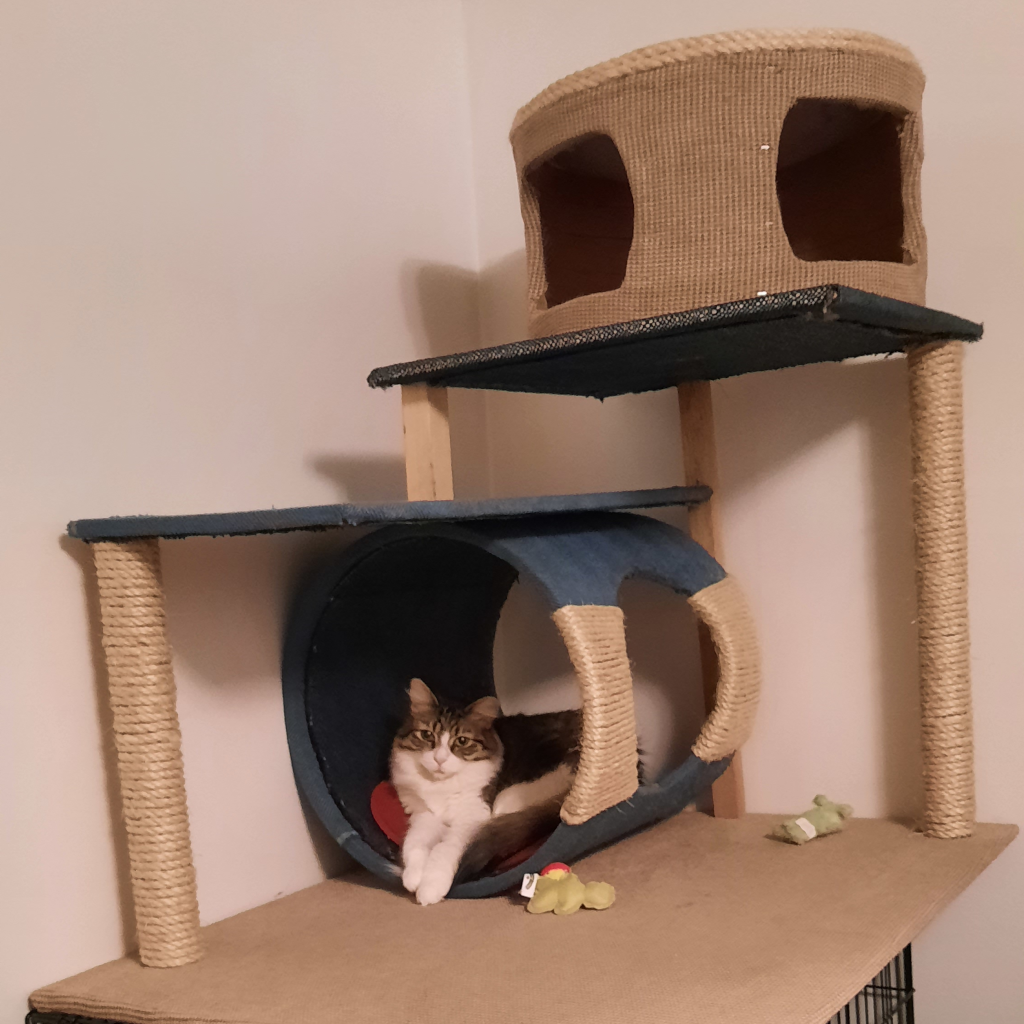 Advocacy extends beyond medical care. It shows up in the environment we create at home.
Senior cats may need lower litter box entrances and ramps to favorite spots. Non slip rugs can help dogs with arthritis maintain confidence on hardwood floors. Elevated food bowls may ease neck strain. Night lights can help pets with fading vision navigate familiar rooms.
For those who enjoy building their own enrichment items, even something as simple as calculating the correct rope length for a sturdy cat tree can support safety and comfort. Tools that remove guesswork empower owners to create spaces that meet their pets’ changing needs.
Small adjustments communicate respect. They say, I see you. I understand that your body is changing, and I am willing to adapt with you.
The Emotional Side of Advocacy
Caring for senior pets can feel heavy. There is gratitude for the years shared, but also quiet grief for what has changed. You may find yourself remembering when they were playful kittens or energetic puppies. You may feel frustration on difficult days when medications are refused or symptoms flare.
It is important to acknowledge that advocacy requires emotional strength. It is not just about giving pills or scheduling appointments. It is about staying steady when you feel scared. It is about choosing patience when exhaustion sets in.
When our youngest cat passed from infection, the loss reminded us that even with vigilance, outcomes are not always within our control. Advocacy is not a guarantee of perfect endings. It is a commitment to presence, care, and dignity.
Allow yourself space to grieve. Seek community. Connect with others who understand the unique bond of senior pet ownership. Shared stories lighten isolation. They remind us that we are not alone in loving animals through their final chapters.
Building a Community of Advocates
 BellenPaws was created as more than a website. It was designed as a gathering place. A hub where senior pet owners and those navigating diabetes could find tools, encouragement, and practical guidance.
Our printable tracking forms, age calculator, and educational articles are meant to simplify complicated seasons. Our merchandise store helps support the mission, but the heart of the platform remains education and compassion.
When pet owners feel informed, they become confident advocates. When they feel supported, they remain resilient. And when they share their stories, others find courage.
Advocacy is contagious in the best possible way. One person who learns to monitor blood glucose carefully may inspire another to ask for testing sooner. One family who modifies their home for a blind dog may encourage someone else to try adaptive solutions instead of assuming decline is inevitable.
Every act of informed care ripples outward.
Speaking for Them Every Day
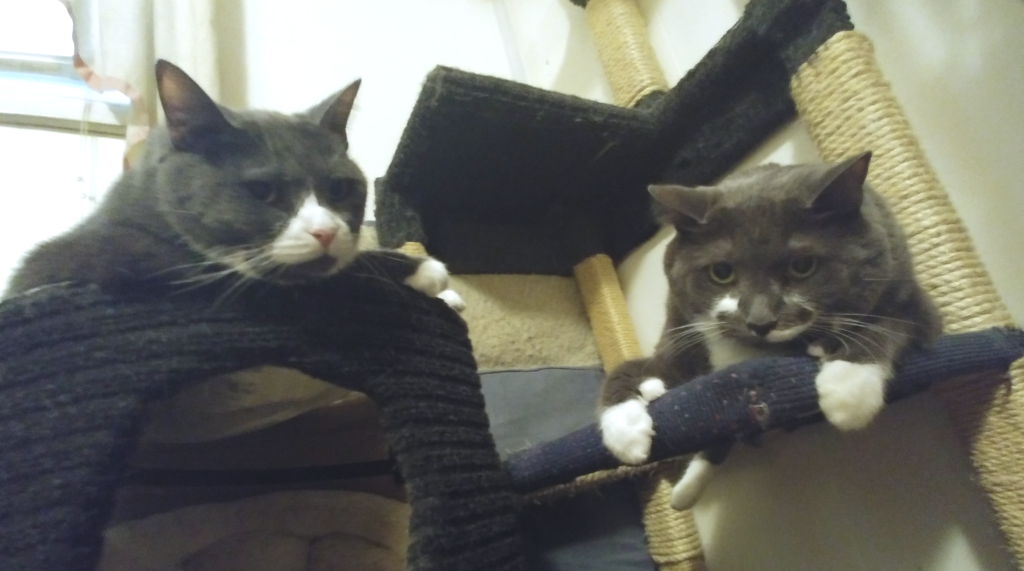 Advocating for pets who cannot speak for themselves is not a single decision. It is a daily practice. It shows up in routine wellness checks. It appears in the extra few minutes spent observing appetite or mobility. It surfaces when you choose research over resignation.
It also lives in the simple act of affection. Sitting beside a senior pet. Brushing their thinning fur. Offering gentle reassurance when thunderstorms roll through. These quiet gestures matter more than we often realize.
Our pets give us years of companionship without asking for much in return. As they age, they rely on us to interpret their silence with care and courage. They trust us to notice the whispers before they become cries.
In the end, advocacy is love translated into action. It is education paired with empathy. It is patience anchored in devotion. And it is the promise that even when their voices fade, ours will speak clearly on their behalf.
For every senior pet resting at your feet right now, and for every one whose memory still lives in your heart, that promise matters.