

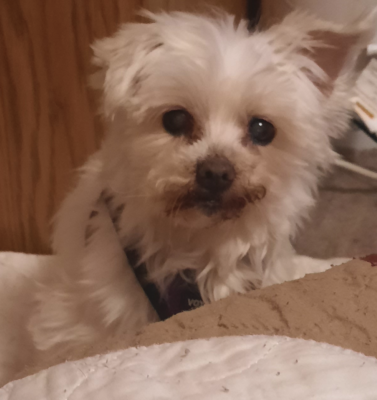
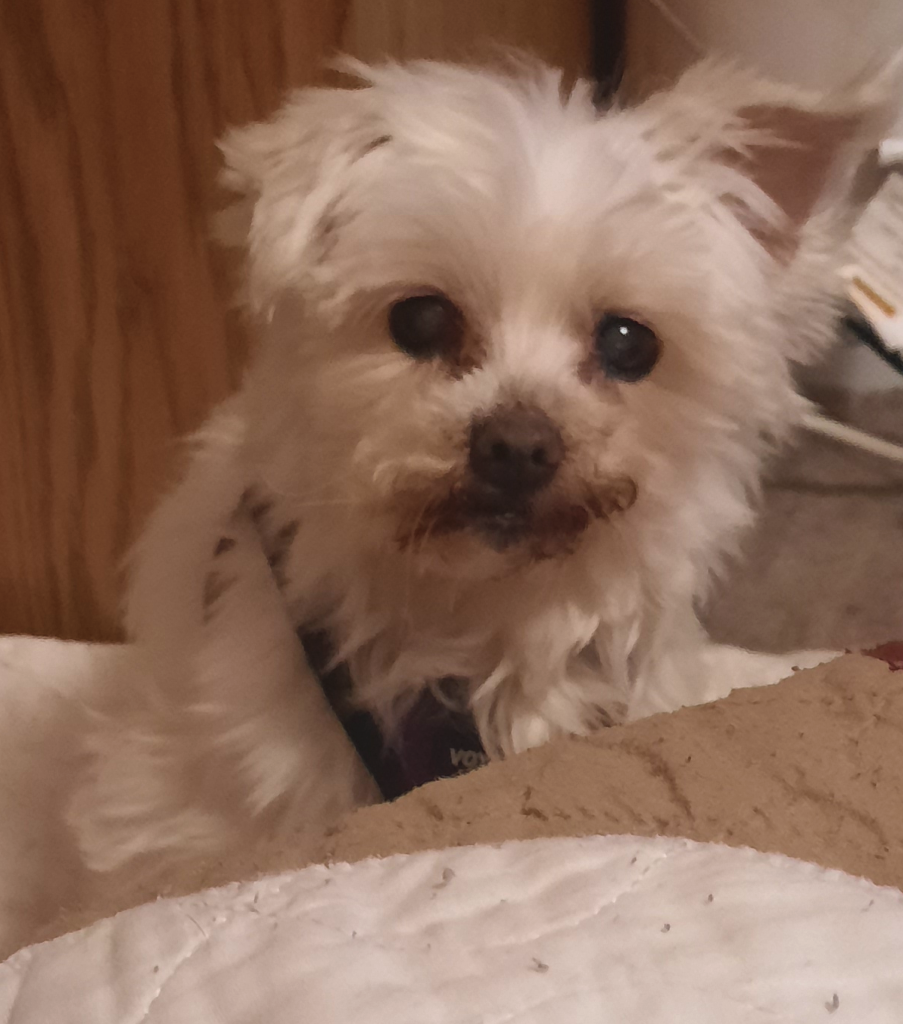
There is a quiet shift that can happen in an aging dog. It is not as obvious as a limp or as measurable as a blood glucose reading. It is more subtle. A look of confusion. A change in routine. A once confident companion who suddenly seems unsure of the house they have lived in for years.
Cognitive Dysfunction in dogs is often compared to dementia in humans. While the two are not identical, they share many similarities. Both involve changes in the brain that affect memory, awareness, sleep patterns, and behavior. For families who have cared for aging parents or grandparents, the signs in a senior dog can feel familiar and deeply emotional.
At BellenPaws, our lives have always revolved around senior pets. We have walked through diabetes, kidney disease, thyroid disorders, blindness, and cancer. Watching mental changes in a beloved dog can be just as heartbreaking as managing a physical illness. The difference is that cognitive decline can feel confusing at first. You may not know what you are seeing. You may even wonder if it is just normal aging.
Understanding what Cognitive Dysfunction is and how it mirrors dementia can help you respond with patience, compassion, and practical steps that improve your dog’s quality of life.
What Is Canine Cognitive Dysfunction?
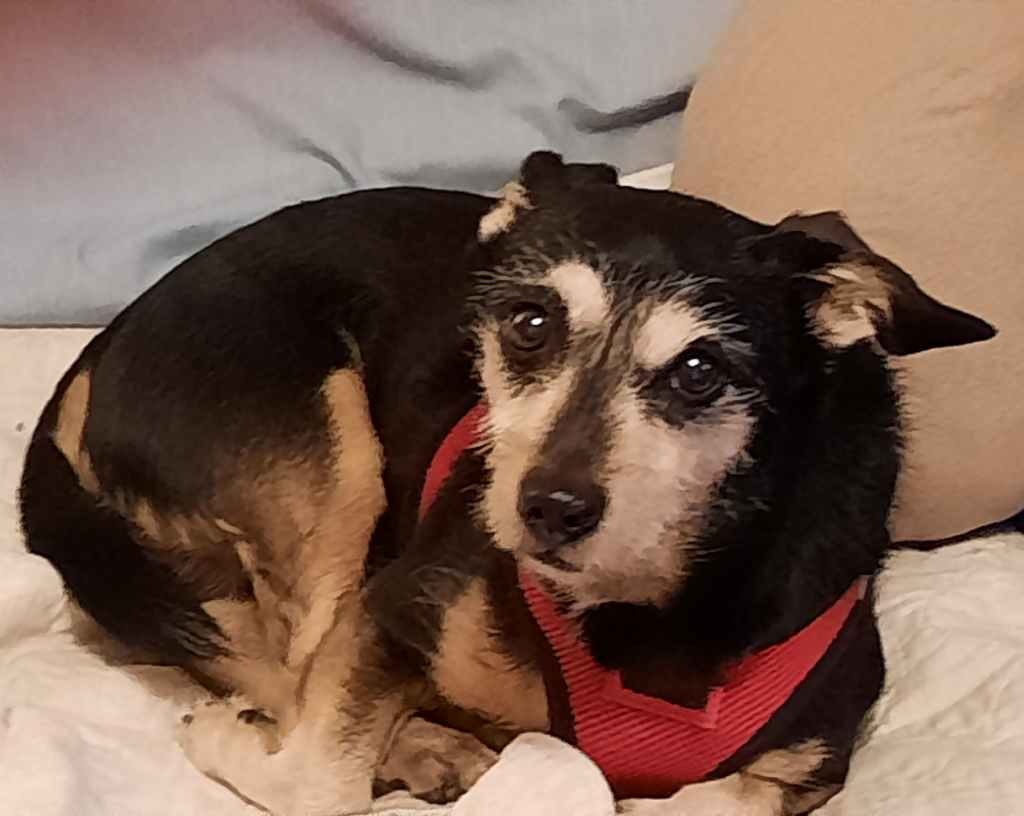 Canine Cognitive Dysfunction, sometimes shortened to CCD, is a condition that affects older dogs as their brains age. Over time, changes occur in brain cells. Certain proteins may build up. Communication between brain cells can weaken. The result is a gradual decline in mental function.
In humans, dementia is a broad term used to describe similar patterns of memory loss and cognitive decline. Alzheimer’s disease is one of the most well known forms of dementia. Researchers have found that aging dogs can develop some of the same types of brain changes that are seen in human Alzheimer’s patients.
This does not mean that your dog has “Alzheimer’s” in the exact human sense. However, the parallels are strong enough that veterinarians and scientists often study senior dogs to better understand age related brain changes in both species.
Common Signs That Mirror Dementia
The symptoms of Cognitive Dysfunction in dogs often follow a recognizable pattern. Veterinarians sometimes use the acronym DISHA to help owners remember the most common signs:
- Disorientation
- Changes in Interactions
- Sleep disturbances
- House soiling
- Changes in Activity levels or anxiety
Disorientation can show up as a dog getting stuck behind furniture or staring at a wall. They may stand at the hinge side of a door waiting for it to open. A dog who once navigated the home with ease may suddenly appear lost in familiar surroundings.
 Changes in interactions can be subtle. A once social dog may withdraw or seem less interested in greeting family members. In some cases, a gentle dog may become irritable when startled because they are confused.
Sleep disturbances are especially common. Many senior dogs with cognitive decline sleep more during the day and pace at night. This reversal of sleep cycles closely mirrors what many families see in elderly humans with dementia.
House soiling can also appear, even in dogs who have been reliably house trained for years. This is not stubbornness. It is often confusion or a failure to remember learned routines. Changes in activity levels can go both ways. Some dogs become lethargic. Others become restless and anxious, pacing or whining without a clear reason. If you have ever witnessed dementia in a human loved one, you may recognize these patterns. That recognition can bring both clarity and sadness.
Normal Aging or Something More?
One of the hardest parts of recognizing Cognitive Dysfunction is separating it from normal aging. Senior dogs do slow down. They may nap more. They may not hear as well or see as clearly.
However, cognitive decline goes beyond physical slowing. It involves changes in awareness, memory, and learned behaviors. A dog who forgets where their food bowl is located or who appears confused in their own yard may be experiencing more than simple aging.
It is also important to rule out other medical causes. Hearing loss, vision problems, thyroid imbalance, kidney disease, or even pain from arthritis can create behaviors that look like confusion. A full veterinary checkup is essential before assuming Cognitive Dysfunction is the cause.
We have seen firsthand how medical conditions can mimic other issues. In pets with diabetes like Zippy and Bentley, fluctuating blood sugar could affect mood and alertness. That is why tracking data matters. On our site, tools like the diabetes tracker and printable glucose curve forms exist because patterns tell a story. The same principle applies to cognitive changes. Keep notes. Look for patterns. Share them with your veterinarian.
What Happens in the Brain?
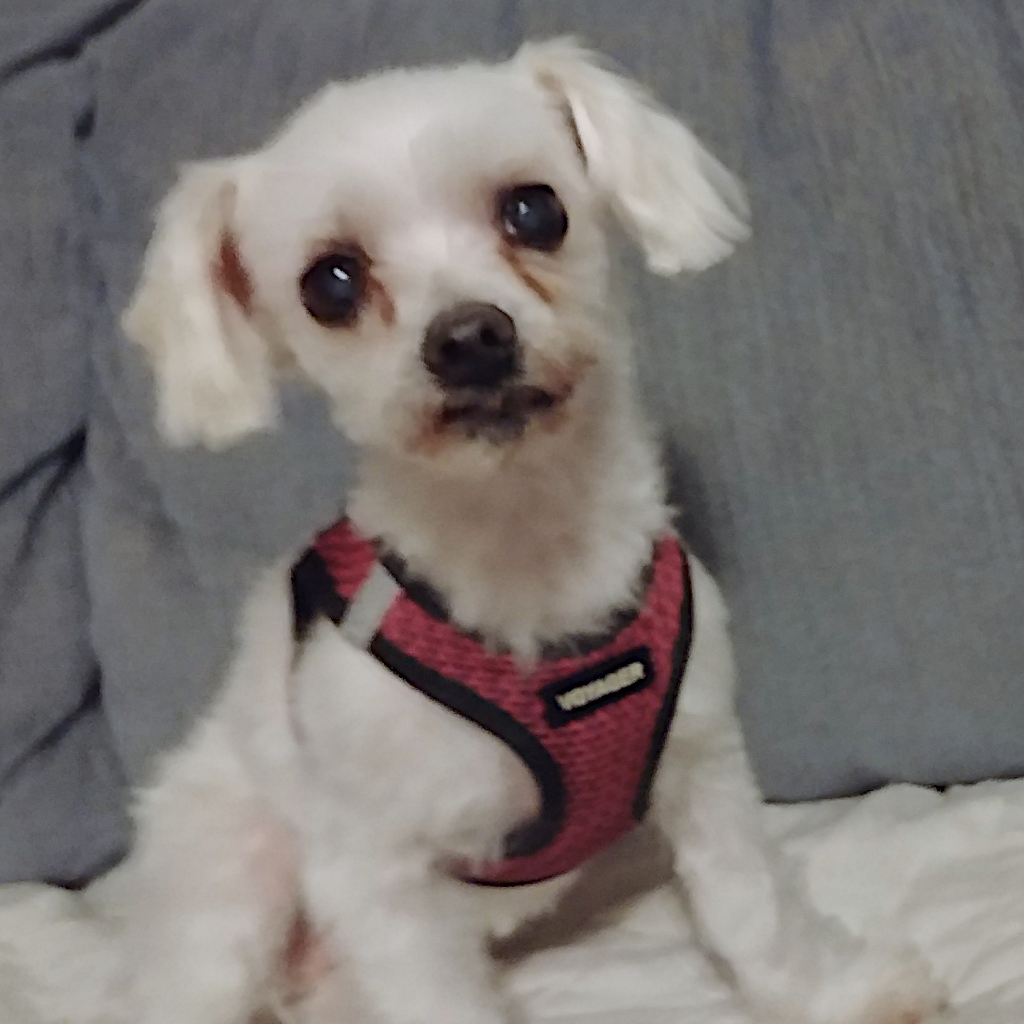 While we aim to keep explanations simple, it helps to understand the basics. In aging dogs with Cognitive Dysfunction, there can be a buildup of certain proteins in the brain. There may also be increased oxidative stress, which is a type of cellular wear and tear.
Over time, these changes affect how brain cells communicate. Think of it as a network of wires that slowly fray. Messages do not travel as smoothly as they once did. In humans with dementia, similar protein deposits and cellular changes are seen. The comparison is not perfect, but the overlap is significant enough that treatments and research often look at both species. Understanding that there is a physical process happening inside the brain can help remove feelings of frustration. Your dog is not being difficult. Their brain is changing.
Supporting a Dog with Cognitive Dysfunction
There is no cure for Cognitive Dysfunction, just as there is no cure for most forms of human dementia. However, there are many ways to support a senior dog and improve their comfort.
Maintain Routine
Dogs thrive on routine. Feeding at the same time each day, keeping walks predictable, and maintaining familiar sleeping spots can reduce anxiety. Consistency creates a sense of safety.
If furniture needs to be moved, try to do it gradually. A dog with cognitive decline may rely heavily on memory and muscle memory to navigate the home.
Provide Mental Stimulation
Gentle mental stimulation can help keep the brain engaged. Simple puzzle toys, short training refreshers, or scent games can be beneficial. The key is to keep sessions short and positive.
Even something as simple as scattering a few treats for your dog to find can provide enrichment. Think of it as light exercise for the brain.
Support Healthy Sleep
If your dog is pacing at night, consider adjusting daytime activity. More gentle engagement during the day may encourage better nighttime rest. Soft lighting at night can also reduce confusion for dogs with declining vision.
Some families use calming music or white noise. A comfortable orthopedic bed can help if arthritis is also present.
Nutrition and Supplements
Certain diets formulated for senior dogs include antioxidants and nutrients that support brain health. Some veterinarians recommend supplements that may reduce oxidative stress or support cognitive function.
Always consult your veterinarian before starting new supplements. What works for one dog may not be appropriate for another, especially if other conditions like kidney disease or diabetes are present.
Medication
There are medications specifically approved to help manage Cognitive Dysfunction in dogs. These medications aim to improve brain function or slow the progression of symptoms. Results vary, but many families report noticeable improvements in alertness and interaction.
Again, a veterinary consultation is essential. Cognitive decline should never be self diagnosed.
The Emotional Toll on Families
Caring for a dog with Cognitive Dysfunction can be emotionally draining. Watching confusion replace confidence is painful. Nighttime pacing can disrupt your own sleep. Accidents in the house can feel frustrating.
It is important to remind yourself that your dog is not choosing these behaviors. They are navigating a brain that is slowly changing. Compassion becomes your most important tool.
We have lived through many senior years with our pets. Each one taught us something different about patience and love. When a pet becomes vulnerable in new ways, our role shifts. We become their steady anchor. It is also okay to acknowledge grief. Cognitive decline can feel like losing pieces of your dog before they are physically gone. That feeling is real and valid.
When Quality of Life Becomes the Question
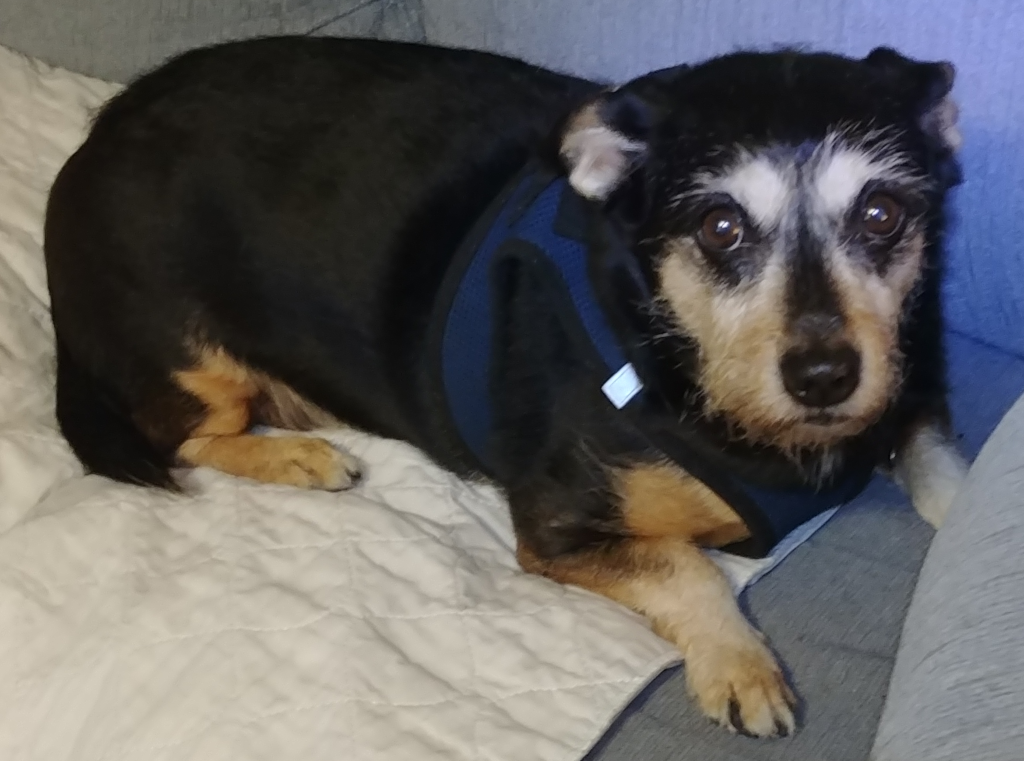 As with many senior conditions, there may come a time when quality of life needs to be evaluated. Is your dog still eating well. Do they still enjoy moments of connection. Are they comfortable most of the time.
These are deeply personal decisions. There is no universal timeline. Some dogs live comfortably with mild cognitive changes for years. Others progress more quickly. Keeping a journal can help. Track good days and difficult days. Patterns often become clearer over time. Just as we encourage tracking glucose readings for diabetic pets, tracking behavior can bring clarity during emotional decision making.
Your veterinarian can help guide you, but you know your dog best. You know their personality, their joy, their spark.
Building a Supportive Community
One of the reasons BellenPaws was created was to build a space where senior pet owners do not feel alone. Cognitive Dysfunction is just one of many challenges that come with aging. From hyperthyroidism to kidney disease to diabetes, senior pets often require thoughtful care.
Tools like our age calculator can help owners understand just how advanced in years their dog may be in human terms. That perspective can shift expectations. A fifteen year old dog is not simply “old.” In human years, they may be in their eighties or nineties.
Education brings empowerment. When owners understand what is happening, fear becomes more manageable. Decisions become more informed.
Our hope is always to blend personal experience with practical tools. We are not veterinarians. We are pet parents who have walked through long nights, early morning insulin checks, and difficult goodbyes. Sharing that journey is part of honoring the pets who shaped our lives.
A Final Word on Love and Memory
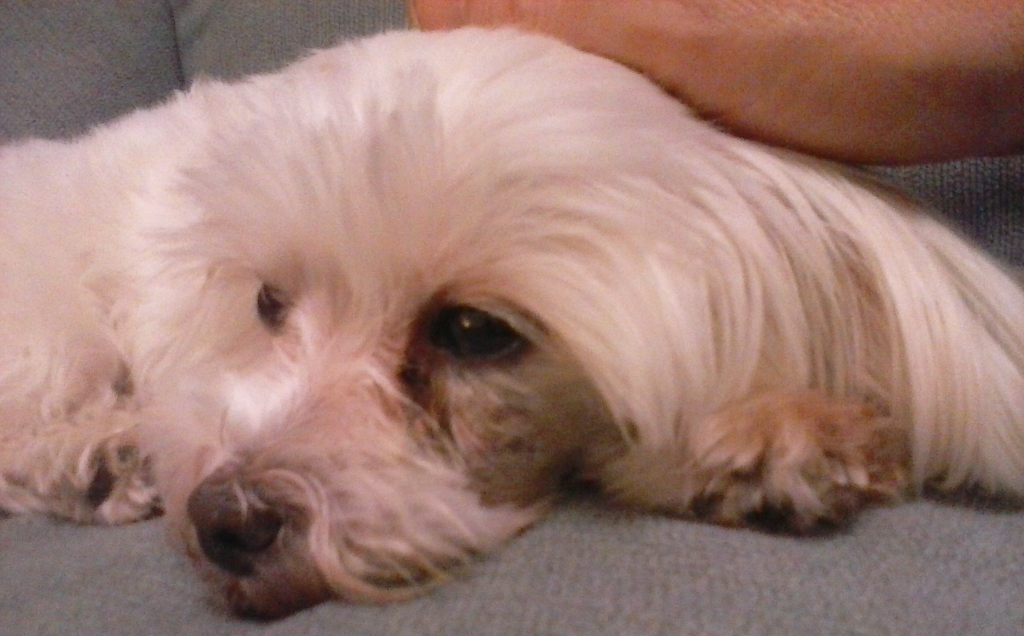 Cognitive Dysfunction in dogs mirrors dementia in humans in many ways. Both involve memory loss, confusion, and changes in behavior. Both require patience and compassion from caregivers. Yet even in decline, there are moments of clarity. A familiar tail wag. A soft nuzzle. A look that says they still know you.
Those moments matter. Senior dogs teach us about loyalty in its purest form. When their world becomes smaller and more confusing, our job is to make it feel safe. To keep routines steady. To offer reassurance. To meet them where they are.
Aging is not a failure. It is a natural chapter of life. Cognitive changes are part of that chapter for some dogs. With understanding and support, that chapter can still be filled with comfort, dignity, and love. If you are walking this road right now, know that you are not alone. Your patience matters. Your compassion matters. And your senior dog, even in moments of confusion, feels the safety of your presence more than you realize.