

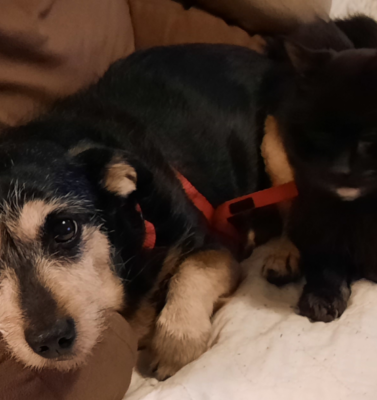
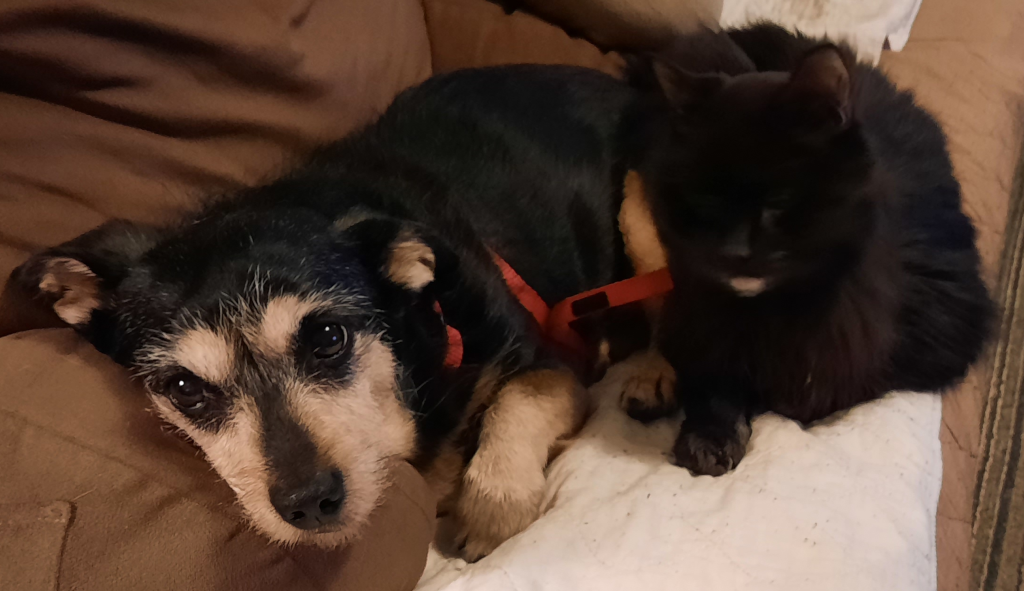
If you have loved a senior pet, you know something that cannot be taught in a classroom. You know what it feels like to watch a once-spry body slow down. You know the worry that comes with bloodwork results, the late nights checking on breathing, and the careful measuring of insulin or kidney diets. You also know how much experience builds over time. With experience often comes knowledge. And with knowledge comes a question many of us face: how do we share what we have learned without making someone else feel judged?
At BellenPaws, we have walked through hyperthyroidism, kidney disease, diabetes, obesity, blindness, and more. We have sat on the kitchen floor testing glucose levels with trembling hands. We have celebrated stable numbers and worried over unexpected spikes. We have also been the people who did not know what we did not know. That memory is important. It shapes how we speak to others.
This article is about sharing what you have learned in a way that helps rather than hurts. Because educating without shaming is not just kind. It is effective.
Why Pet Conversations Can Feel So Personal
Talking about pet care can feel like talking about parenting. For many of us, our animals are family. When someone questions how we feed, groom, or treat them, it can feel like a personal attack. Senior pets add another layer. They often have special diets, medications, and routines. If someone comments on weight, mobility, or a medical condition, it can hit a sensitive spot. Owners may already feel guilt for things outside their control. They may be grieving changes they see every day.
When a cat develops diabetes or a dog gains weight due to hypothyroidism, it is rarely the result of simple neglect. There are often layers of health issues, financial limits, emotional stress, and trial-and-error learning. If we forget that, even good advice can sound like criticism.
Remembering Our Own Learning Curve
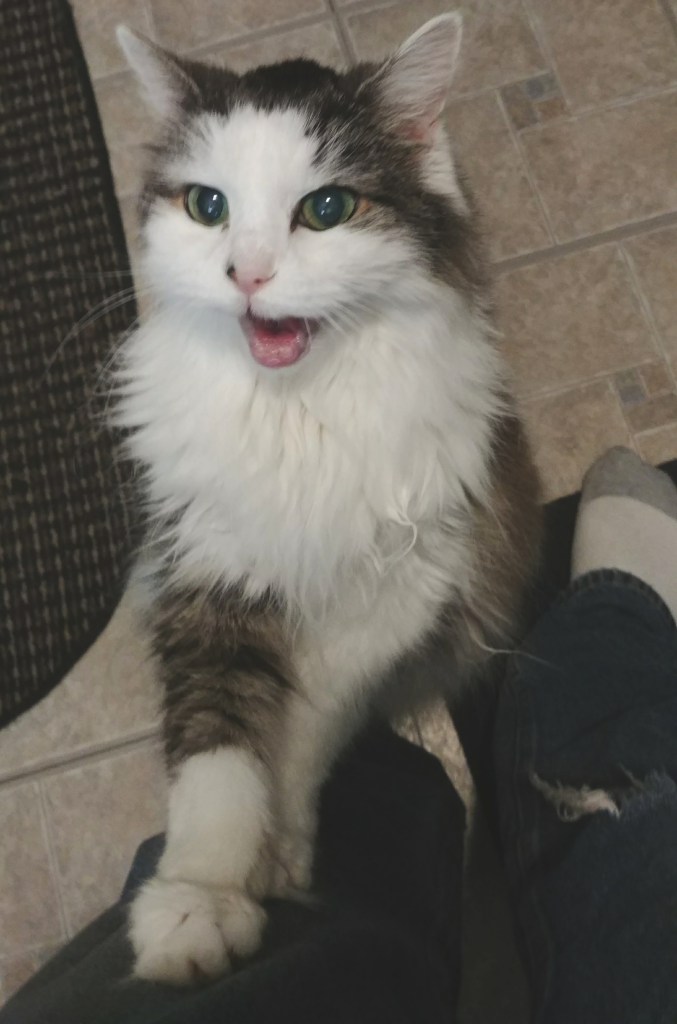
 We often think back to our early days with diabetic cats like Zippy and Bentley. The first time we tested blood sugar at home, we were nervous. We worried about doing it wrong. We worried about hurting them. We worried about missing something important.
Over time, we learned how to read patterns, how food timing affects numbers, and how stress can shift a curve. That knowledge now feels almost second nature. But it was not always that way. When you speak to another pet owner who is just starting this journey, it helps to remember what it felt like at the beginning. Confusing instructions. Conflicting advice online. Fear of making a mistake. Leading with empathy instead of expertise makes all the difference.
Start With Questions, Not Corrections
If you see something that concerns you, try starting with curiosity. Instead of saying, “You should not be feeding that,” try asking, “How has that food been working for him?” Instead of saying, “You need to test at home,” try, “Has your vet talked to you about home testing?”
Questions invite conversation. Corrections shut it down. Questions also give you context. Maybe the owner already tried three other foods. Maybe the vet recommended a specific approach due to another condition. Maybe finances are tight, and they are doing the best they can. When you ask first, you show respect.
Share Stories, Not Instructions
 One of the most powerful ways to educate without shaming is to tell your story. For example, instead of saying, “You have to monitor glucose daily,” you might say, “When our cat was first diagnosed, we found that daily testing helped us feel more in control. It showed us patterns we would have missed.” Stories feel human. Instructions can feel like orders.
On BellenPaws, many of our articles include personal experiences because they soften the learning process. When someone reads about how we adjusted feeding schedules or tracked numbers using printable forms, they see a fellow pet owner, not an authority figure handing down rules. Your story says, “This worked for us.” It does not say, “You are wrong.”
Avoid Absolutes
Pet care is rarely black and white. Words like “always” and “never” can make people defensive. Instead of saying, “You should never feed dry food,” consider saying, “Some cats do better on higher moisture diets, especially seniors with kidney concerns.”
Instead of saying, “Raw diets are dangerous,” you might say, “For some pets, especially seniors or those with weak immune systems, raw food can carry risks.” When you leave room for individual differences, people are more open to hearing you.
Understand That Everyone Has Limits
 Not every owner can afford frequent lab work. Not everyone has the schedule flexibility to test glucose multiple times per day. Not everyone has access to specialty diets. That does not mean they do not love their pet.
Sometimes education means sharing budget-friendly ideas. Maybe it is showing someone how to use a simple spreadsheet or a printable glucose tracking form instead of an expensive app. Maybe it is explaining how small changes in portion size can help manage weight over time. Practical and realistic advice is more helpful than ideal but unreachable standards.
Tone Matters More Than Facts
You can be completely correct and still lose someone because of tone. Online discussions make this even harder. Text lacks facial expression and warmth. A short, direct comment can sound harsh even if it was not meant that way. If you are responding in a forum or social media group, try adding a sentence that shows support.
For example, “It sounds like you are really trying to figure this out. We have been there too.” That small acknowledgment can change the entire feel of the conversation.
When to Step Back
There will be times when someone is not ready to hear advice. They may be overwhelmed, grieving, or defensive. In those moments, it is okay to step back.
Not every conversation needs to end with agreement. Sometimes planting a seed is enough. A person may remember your calm explanation weeks later when they are ready to make a change. Education is not about winning arguments. It is about opening doors.
Supporting Senior Pet Owners Specifically
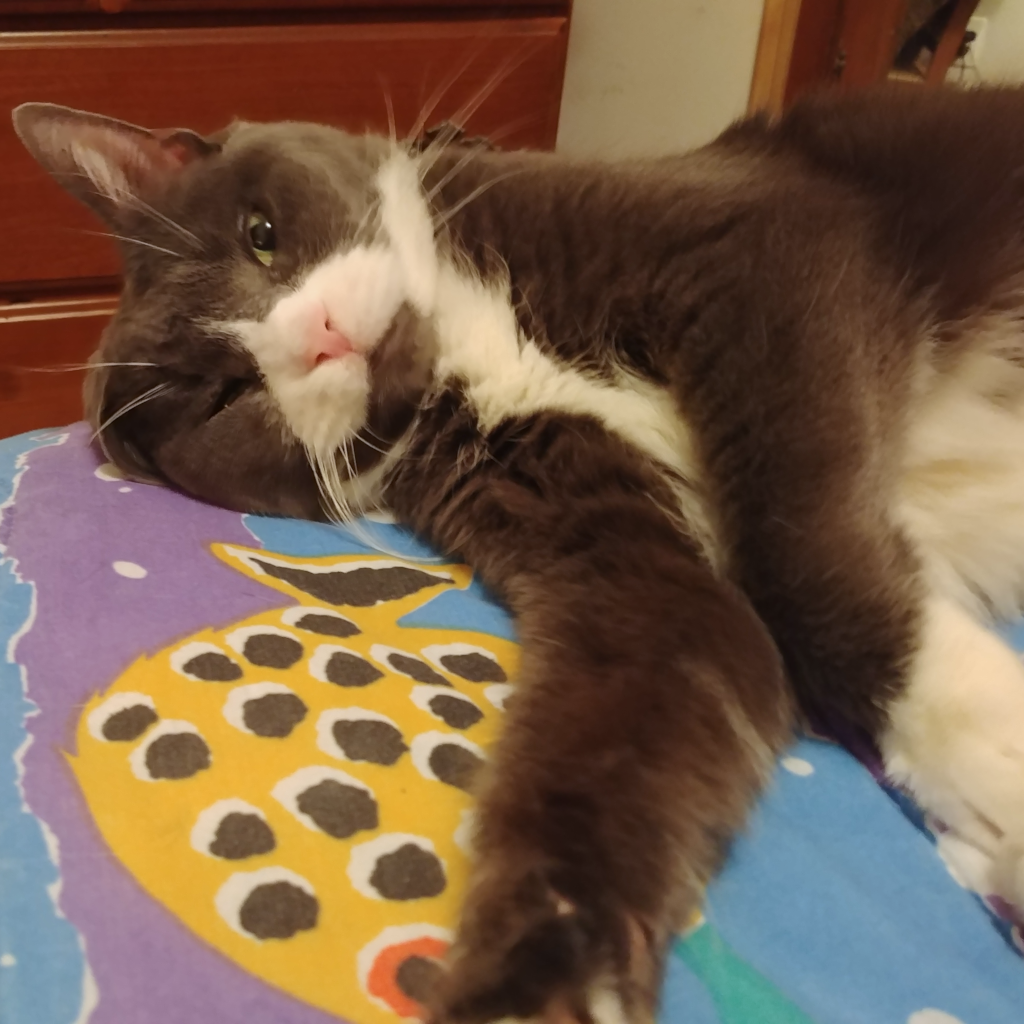 Senior pets bring unique challenges. Mobility issues, vision loss, cognitive changes, and chronic illness can all show up in the later years. If you notice a senior dog struggling to stand or a cat losing weight, approach gently. You might say, “When our older dog started having trouble getting up, our vet mentioned joint supplements and softer bedding. It made a big difference.”
Or, “We noticed weight loss in one of our seniors and asked our vet to check thyroid levels. It was something we would not have guessed at first.” These types of comments highlight possibilities without accusing anyone of missing something. Senior pet owners are often already watching closely. They just may not know what certain signs mean.
Encouraging Preventive Care Without Guilt
Preventive care is one area where shame can easily creep in. Dental cleanings, routine bloodwork, and early screenings are important. But not everyone understands their value at first. Rather than saying, “You should have done bloodwork sooner,” try explaining what early testing helped you catch.
For example, “We were surprised how much routine bloodwork told us. It picked up kidney changes before we saw symptoms.” When people understand the benefit, they are more likely to consider it.
Building a Community That Lifts People Up
 Our goal with BellenPaws has always been to create a hub where senior pet owners feel supported. That includes educational articles, tools like age calculators and diabetes trackers, and printable forms that make complex care more manageable. But just as important as the tools is the tone.
If someone visits the site because their newly diagnosed diabetic cat is overwhelming them, they should feel guided, not judged. If they are grieving a senior dog with cancer, they should feel understood, not lectured. When we talk to other pet owners, whether online or in person, we are shaping that kind of community.
Modeling the Behavior We Want to See
If we want kindness in pet communities, we have to model it.
That means:
- Admitting when we once made mistakes.
- Acknowledging that veterinary advice can evolve.
- Recognizing that every pet is an individual.
It also means being open to learning ourselves. Someone else may have found an approach that works better for their situation. Listening goes both ways. Humility builds trust.
Turning Passion Into Gentle Guidance
Loving animals fiercely can make us passionate advocates. Passion is good. It fuels rescue efforts, better nutrition research, and improved standards of care. But passion without compassion can push people away.
If you feel your emotions rising during a conversation, pause. Ask yourself what your real goal is. Is it to prove a point? Or is it to help a pet live a better life? Gentle guidance often travels farther than forceful arguments.
The Long View
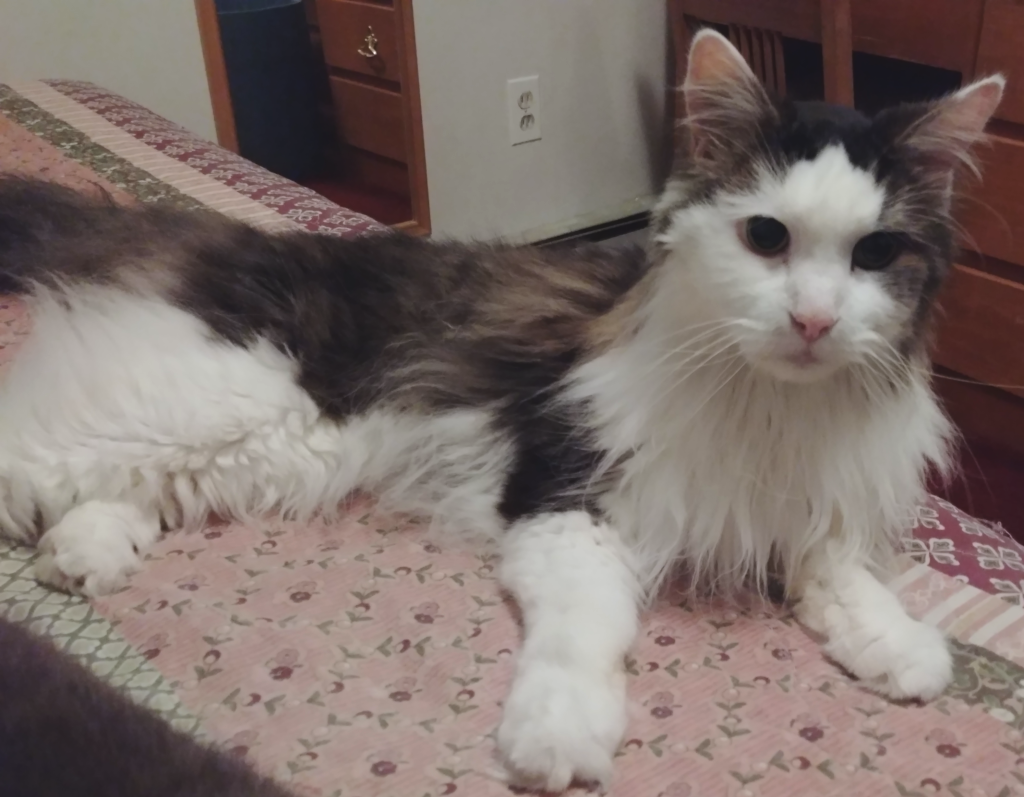 Most pet owners want the same thing: a comfortable, happy life for their animal. Education takes time. Behavior change takes time. Health management takes time. Senior pets especially teach us patience. Progress may be slow, but small improvements add up.
When you educate without shaming, you give people space to grow. You allow them to absorb information without feeling attacked. You create an environment where questions are safe. That environment benefits every pet.
A Final Thought
Every experienced pet owner was once a beginner. Every person managing diabetes, kidney disease, or thyroid issues started with uncertainty. We all learned step by step. If you can remember that feeling and speak from it, your words will carry more weight.
Educating without shaming is not about softening the truth. It is about delivering it with respect, empathy, and understanding. When we do that, we strengthen not only individual households but the entire community of people who love senior pets. And in the end, that is what matters most.