

When people think about pet health, the first things that usually come to mind are food, veterinary care, and medications. Those things certainly matter. But anyone who has lived with animals for a long time begins to notice something else. The emotional environment inside a home can influence a pet’s well being just as much as the medicine cabinet.
Stress is not only a human problem. Dogs and cats experience it too. In younger animals stress might appear as bursts of hyperactivity or destructive behavior. In senior pets it often shows up in quieter ways. A cat might begin hiding more often. A dog might become restless at night. Appetite may change, grooming habits can shift, or litter box routines may suddenly look different.
Over the years we have learned something important through caring for many animals, including senior pets and cats with diabetes. Sometimes the best “treatment” is not a pill or an injection. Sometimes it is a change in the environment that makes a pet feel calmer, safer, and more in control of their surroundings.
Veterinarians often call this environmental enrichment. In simple terms it means shaping a pet’s surroundings so that they feel mentally comfortable and physically supported. For senior pets especially, the right environment can reduce stress, encourage gentle activity, and even improve sleep and appetite.
Environmental enrichment is not about buying expensive toys or building elaborate setups. It is about understanding how animals experience their world and adjusting that world in small, thoughtful ways.
Why Stress Matters More for Senior Pets
 As pets age, their bodies change in ways that make them more sensitive to stress. Vision may decline. Hearing can fade. Joints may stiffen. Some animals develop cognitive changes that are similar to dementia in humans. These changes can make everyday life feel confusing or unpredictable.
A younger animal might easily adapt to a noisy house, sudden schedule changes, or a new piece of furniture in the living room. A senior pet may struggle with those same changes. When their senses are not as sharp, uncertainty can lead to anxiety.
Stress also affects physical health. In both humans and animals, stress hormones can influence blood sugar levels, digestion, sleep cycles, and immune function. For pets living with diabetes or chronic illness, emotional stress can sometimes make management more difficult.
This does not mean stress can always be eliminated. Life naturally contains change. What we can do is reduce unnecessary stress and create a home environment that feels predictable and safe. Over time, those small improvements can have a surprisingly powerful effect.
The Comfort of Routine
Animals are creatures of habit. Anyone who has fed a cat five minutes late knows how quickly they notice. Routine gives pets a sense of stability. They learn when meals arrive, when lights dim in the evening, and when their favorite human usually sits down on the couch. These patterns form a kind of emotional map of the day.
For senior pets, predictable routines can reduce anxiety because the world becomes easier to understand. Meals served at roughly the same time each day help regulate appetite and digestion. Consistent medication schedules can prevent confusion around handling and treatment. Even simple rituals like a quiet brushing session or a few minutes of gentle play before bedtime can signal that the day is winding down.
Routine also helps pets with medical conditions. For example, cats with diabetes often benefit from steady feeding times that align with insulin schedules. The body begins to expect nourishment at certain intervals. The key is not perfection. Life happens and schedules shift. What matters most is maintaining a general rhythm that pets can rely on.
Vertical Space and the Power of Perspective
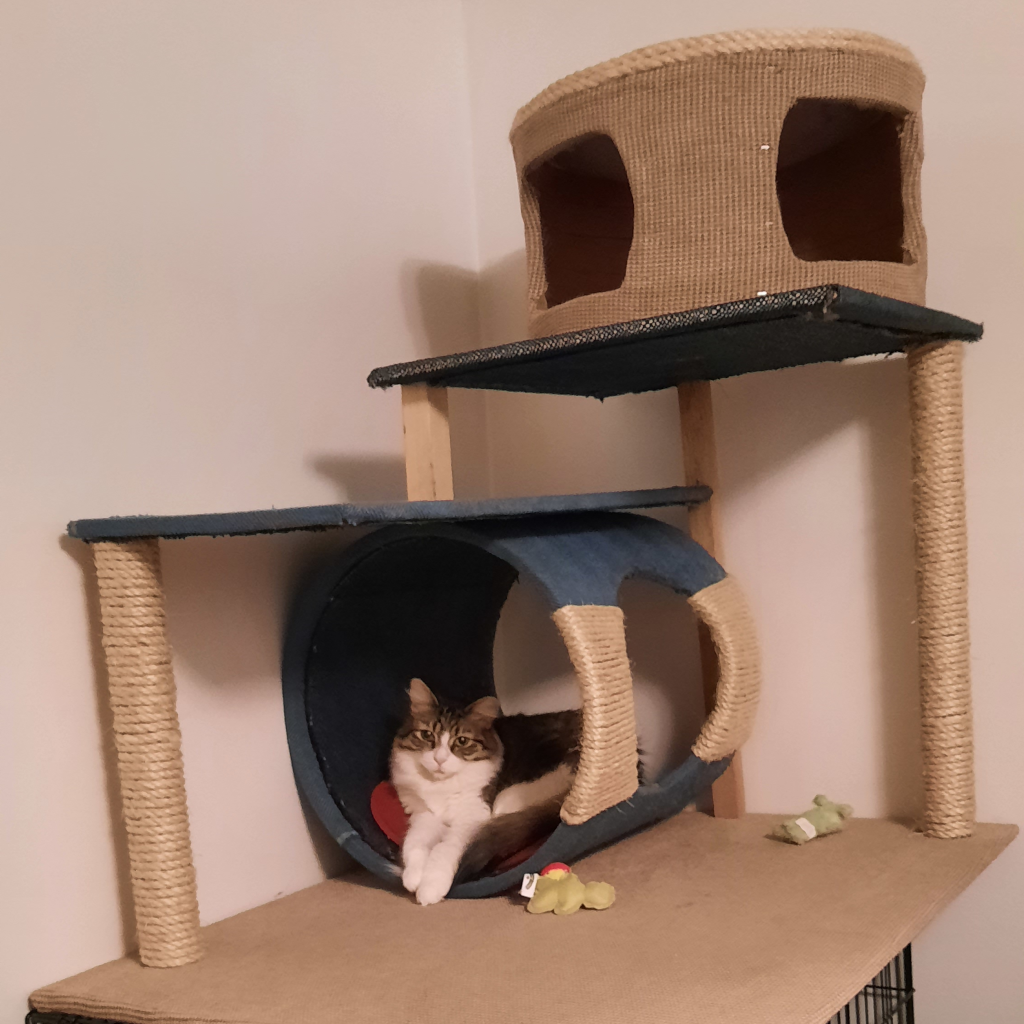
 Cats in particular have a strong instinct to observe their surroundings from above. In the wild, height offers safety and visibility. Even in the calmest home, that instinct remains. Providing vertical space can be one of the simplest forms of enrichment for cats. It allows them to watch the household from a comfortable distance. This sense of oversight can make them feel secure.
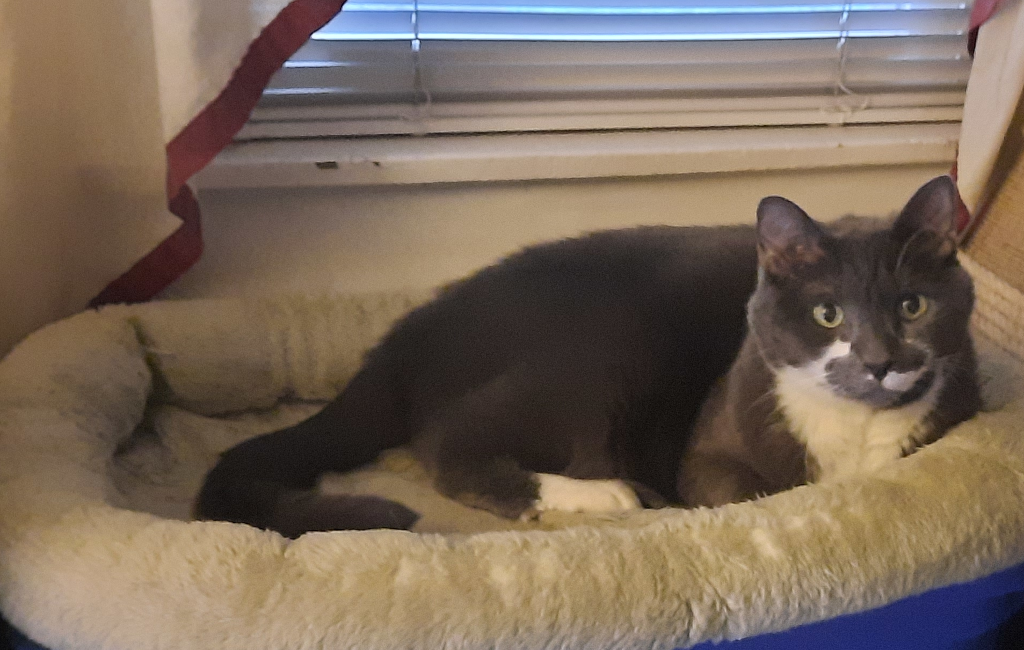
Vertical space does not require expensive furniture. A sturdy cat tree can help, but so can a window perch, a cleared bookshelf, or a stable piece of furniture that is easy to climb. For senior cats, accessibility matters. Older joints may not tolerate high jumps. Adding intermediate steps or ramps can make favorite spots easier to reach.
The goal is to offer choice. A cat that can decide where to rest is often a calmer cat. Dogs also benefit from environmental perspective, although in different ways. A quiet bed placed where they can observe the household without being in the middle of foot traffic often helps them relax. Many senior dogs prefer a location that allows them to see their people while still having a defined resting area.
Safe Hiding Spaces
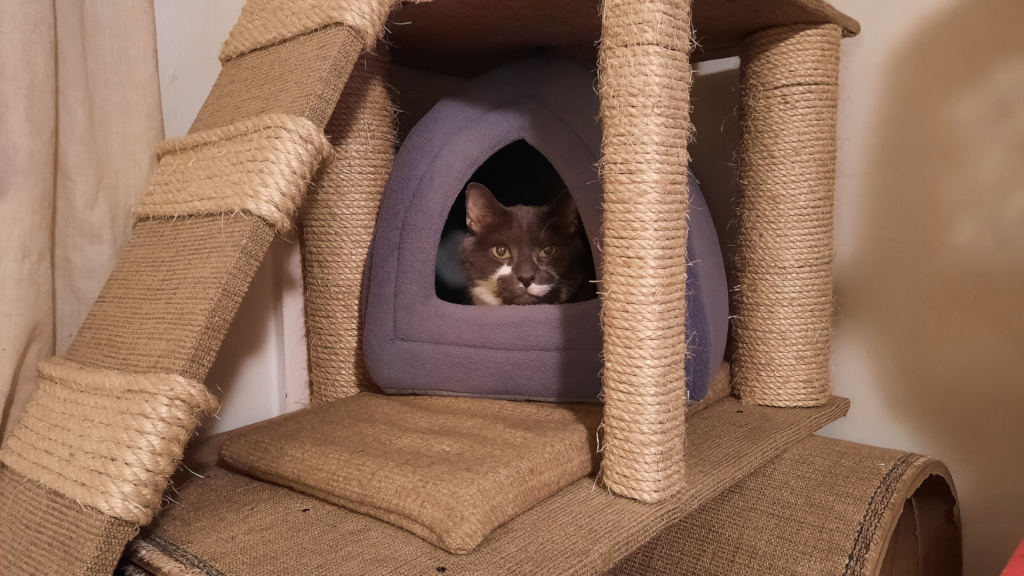
Hiding is sometimes misunderstood as a problem behavior. In reality, it is a natural coping strategy for many animals. When a pet feels overwhelmed, having a safe place to retreat can reduce stress dramatically. The key is ensuring that these hiding spaces are comfortable and easily accessible.
Cats often appreciate soft enclosed areas such as covered beds, open closets, or the quiet corner of a room where they can rest undisturbed. Cardboard boxes may seem simple, but they provide a sense of shelter that many cats instinctively seek. For senior pets the hiding spot should not require climbing or squeezing through tight spaces. The goal is relaxation, not effort.
Dogs can benefit from similar concepts. A quiet corner with a comfortable bed can serve as a retreat from household activity. Some dogs enjoy partially enclosed spaces such as the side of a couch or a crate left open with soft bedding inside. What matters most is that the pet knows the space is theirs. Family members should avoid disturbing them when they choose to rest there.
The Calming Power of Familiar Scents
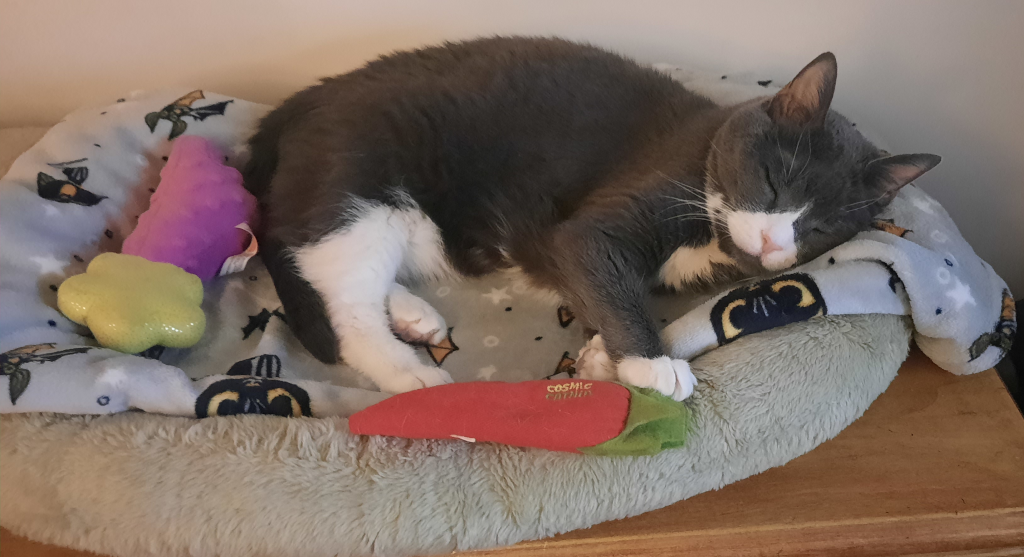
 Animals rely on scent far more than humans realize. Familiar smells can create a sense of safety that is difficult for us to fully appreciate. A blanket that smells like home, a favorite sleeping pillow, or even a well used toy can help pets relax. When animals experience stress, returning to familiar scents can provide comfort.
This becomes particularly important during times of change. A veterinary visit, travel, or a new environment can be less frightening if the pet has access to objects that smell like their normal surroundings. Some pet owners also find that gentle environmental cues such as soft music or calm lighting help certain animals settle down in the evening. Not every pet responds the same way, but the principle remains consistent. Sensory calm can support emotional balance.
Encouraging Gentle Mental Activity
Enrichment is not only about relaxation. Mental engagement also plays an important role in emotional health. Cats and dogs both benefit from small opportunities to explore and think. This does not require intense exercise or complicated puzzle toys. Often the simplest activities are enough.
A few pieces of kibble hidden in a safe area can encourage a cat to investigate. A slow feeder bowl can transform a routine meal into a mild challenge that keeps a dog mentally engaged. For senior pets the goal is gentle stimulation rather than exhaustion. Short play sessions with a feather toy, a soft ball, or even a piece of string moved slowly across the floor can spark curiosity without stressing aging joints.
Mental engagement helps prevent boredom, which itself can be a form of stress.
Quiet Spaces in a Busy World
 Modern homes can be surprisingly noisy environments. Televisions, phones, doorbells, appliances, and daily activity all contribute to a constant stream of sound. While many pets adapt well to household noise, others find it overwhelming. Senior animals that have declining hearing may become startled more easily because sounds appear suddenly or seem distorted.
Creating quiet areas within the home can help reduce sensory overload. This might mean placing a pet bed in a room that receives less traffic or turning down the volume of electronics during certain hours. Some households naturally become calmer in the evening, which is often a good time to create predictable relaxation routines.
The goal is balance. Pets should feel included in the household, but they should also have access to peaceful spaces where they can rest undisturbed.
Small Changes, Meaningful Results
Environmental enrichment does not require dramatic renovations. Often it is the small adjustments that matter most. A comfortable window seat where a cat can watch birds. A soft ramp that allows an older dog to reach their favorite couch. A quiet corner that becomes a reliable resting spot every afternoon.
These small changes communicate something powerful to our pets. They tell them that the world is safe and that their needs are understood. Over the years we have seen many pets respond to these simple improvements. A shy cat may begin exploring more confidently. A restless senior dog may start sleeping more peacefully at night. Even pets managing chronic illness sometimes appear calmer when their environment supports their comfort.
Of course environmental enrichment is not a substitute for veterinary care. Medical conditions still require professional diagnosis and treatment. But enrichment can work alongside medical care by reducing unnecessary stress and supporting overall well being.
Listening to What Pets Tell Us
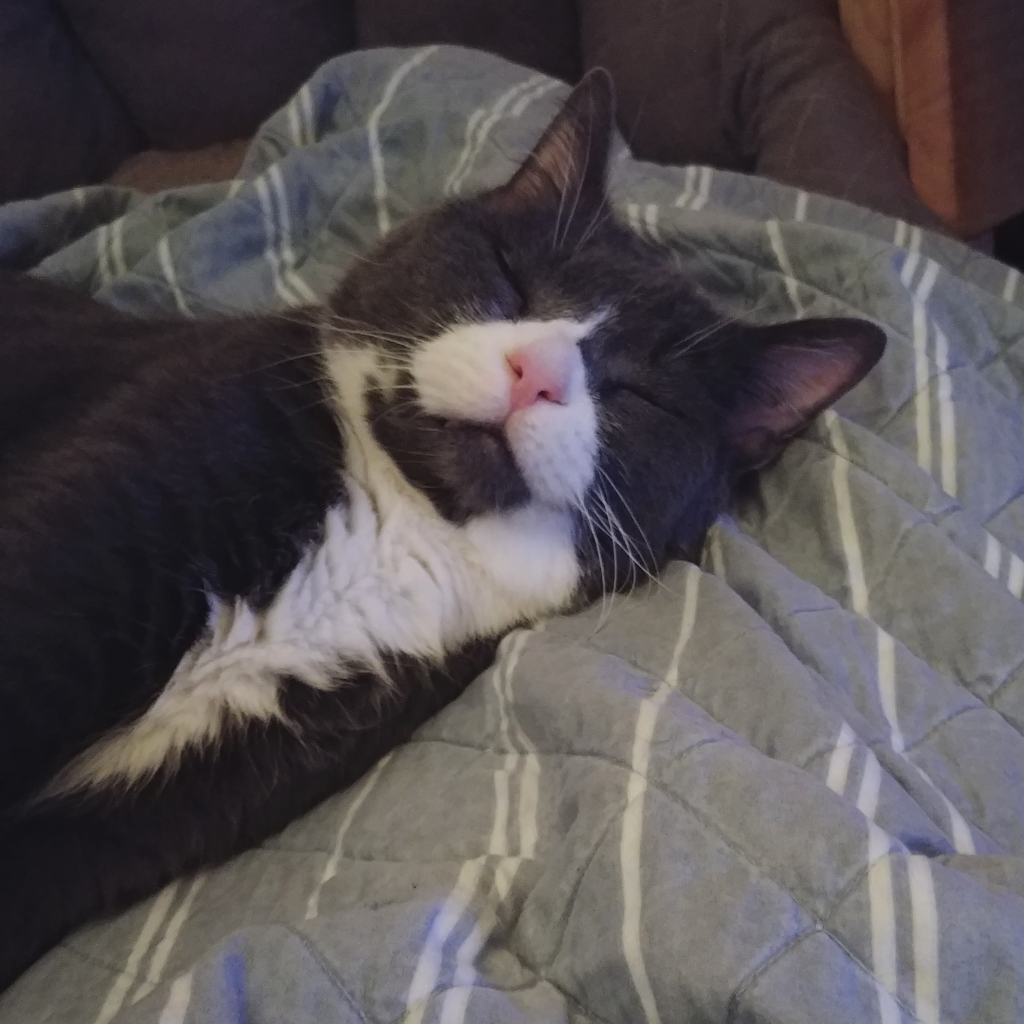 One of the greatest lessons animals teach is patience. They communicate through behavior rather than words, and understanding them requires observation. When a pet chooses a certain resting place again and again, they are telling us something about comfort and safety. When they avoid a particular area of the house, there may be a reason.
Environmental enrichment begins with paying attention. Our pets share our homes, but they experience those homes in ways that are very different from us. By adjusting the environment to meet their instincts and needs, we create a space where they can relax and thrive.
For senior pets especially, that sense of calm can be a powerful form of medicine. And sometimes the most meaningful treatment we can offer is not found in a bottle or a prescription. Sometimes it is simply the quiet reassurance of a safe place to rest, a familiar routine, and the comfort of knowing they are loved.