
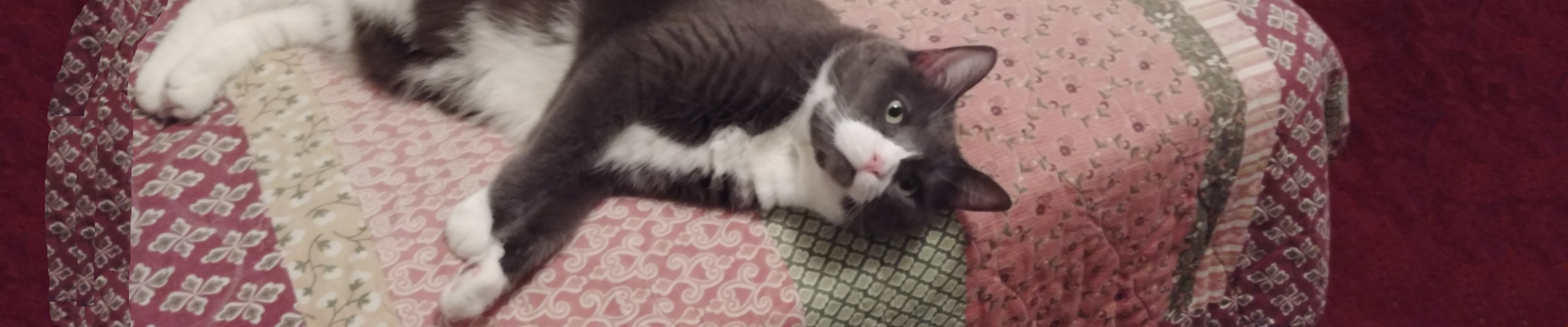
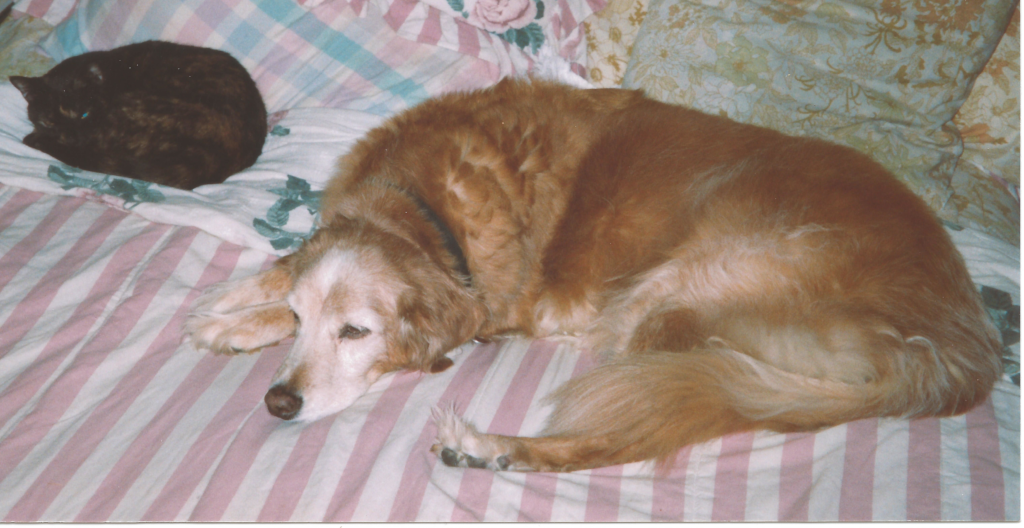
If you share your home with a senior pet, you have likely felt it. That quiet awareness in the background. The understanding that time is no longer stretching out endlessly in front of you, but gently narrowing. It shows up when your dog takes a little longer to stand, or when your cat chooses the warm bed more often than the window perch. It is love mixed with fear. It is gratitude mixed with dread. This experience has a name. It is called anticipatory grief.
Anticipatory grief is the sadness we feel before a loss actually happens. It is the ache that settles in when we know our pet is aging or facing illness. It is different from the grief that comes after loss, but it is just as real. Many people feel guilty for it. They think, “My pet is still here. Why am I already grieving?” The truth is simple. You are grieving because you love deeply.
On BellenPaws, we have lived this chapter more times than we can count. From senior cats to senior dogs, from chronic illness to unexpected infections, we have walked that path where love and loss overlap. We are not veterinarians. We are simply people who have loved animals through their golden years and want to help others do the same.
What Anticipatory Grief Really Feels Like
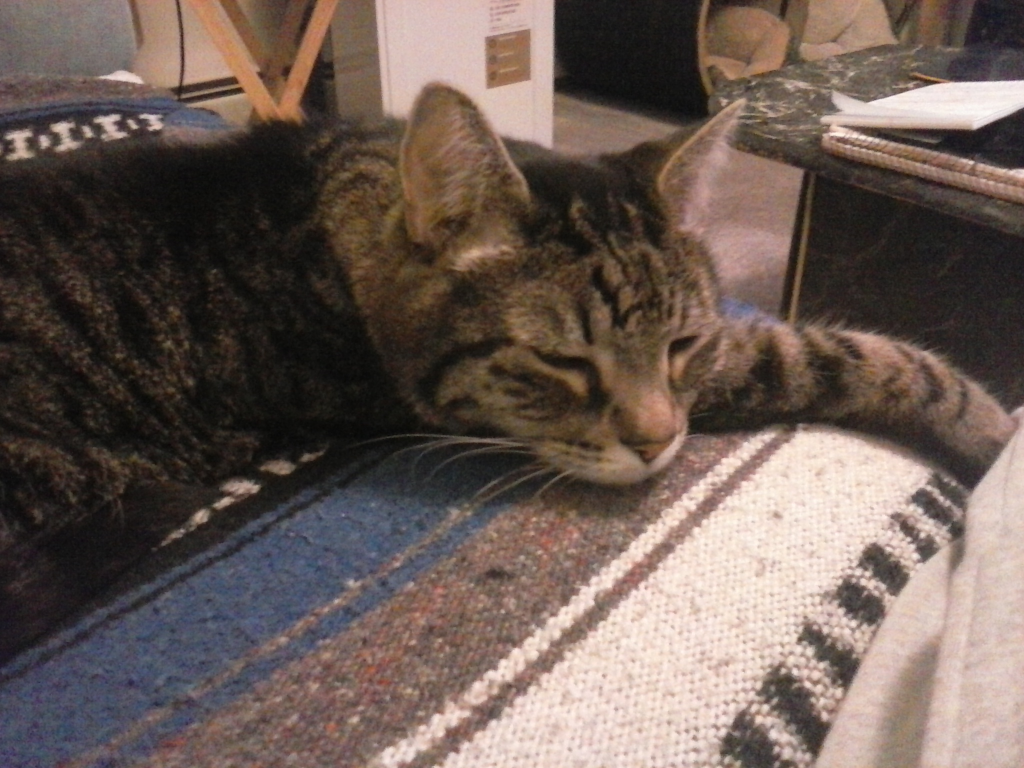 Anticipatory grief does not always look like crying. Sometimes it looks like hypervigilance. You check your pet’s breathing at night. You notice every small change in appetite or energy. You find yourself Googling symptoms at midnight. You start calculating age in human years, using tools like our cat and dog age calculator, and suddenly the number feels heavy.
It can also look like pulling away emotionally. Some people create distance without realizing it. They avoid thinking about the future. They stop taking as many photos because it feels too painful to imagine looking at them one day. Others do the opposite. They take hundreds of photos, record videos, and save every whisker that falls out.
There is no wrong reaction. Anticipatory grief is simply your heart trying to prepare for something it cannot fully prepare for.
When Illness Adds Another Layer
For families caring for pets with chronic conditions like diabetes, kidney disease, thyroid disorders, or cancer, anticipatory grief can begin even earlier. The diagnosis itself can feel like a ticking clock, even when treatment is going well.
We remember the first time we managed feline diabetes in our own home. Testing glucose, giving insulin, tracking numbers. It was overwhelming at first. Zippy and later Bentley taught us that routine becomes normal faster than you think. Still, every reading on the glucose meter carried emotional weight. A high number could send you into worry. A low number could send you into fear.
That is part of why we built tools like the diabetes tracker and printable glucose curve forms. Tracking numbers helps you feel grounded. It turns chaos into information. But even with charts and data, there is still that quiet question in the back of your mind. How much time do we have?
The answer is never certain. What is certain is that love does not need a guarantee to be meaningful.
The Trap of “Pre-Grieving”
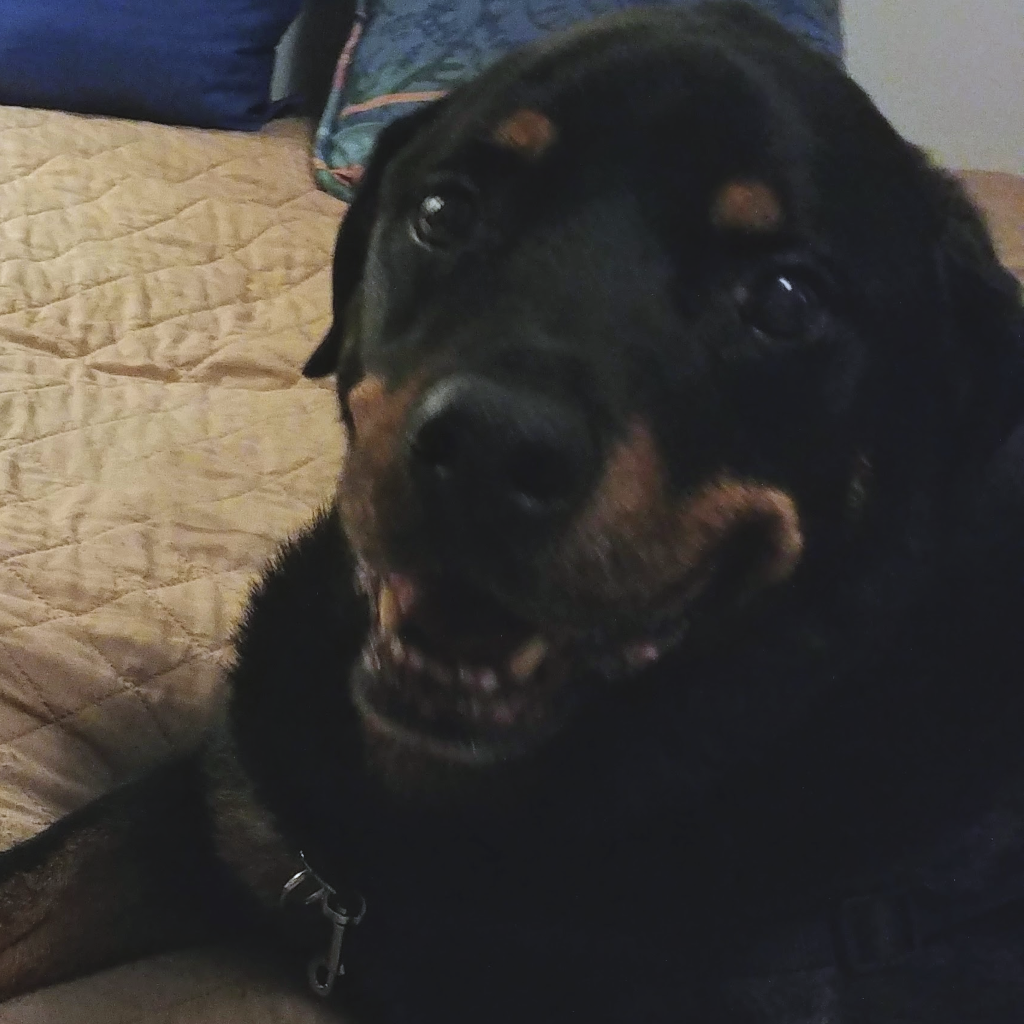 One of the hardest parts of anticipatory grief is the way it can steal the present moment. You may find yourself watching your senior dog sleep and thinking about the day that bed will be empty. You may hear your senior cat purr and feel a lump in your throat because you imagine the silence.
This is where anticipatory grief can become a trap. It convinces us that by feeling the pain early, we are somehow softening the future blow. In reality, we end up grieving twice. Once before the loss, and again after it.
Loving fully anyway means choosing to stay in the moment even when your heart wants to run ahead. It means noticing the softness of their fur, the sound of their breathing, the way their tail flicks when they are content. It means letting joy and sadness exist at the same time without trying to push either one away.
Aging Is Not a Failure
There is something else that quietly fuels anticipatory grief. It is the feeling that aging is a failure. That if we had done something differently, our pet would not be slowing down. This is not true. Aging is a privilege. Not every pet reaches senior years. When they do, it means they were loved, fed, sheltered, and cared for. It means you did something right.
We have cared for pets with blindness, obesity, thyroid imbalances, and kidney disease. We have adjusted diets, administered medications, and rearranged furniture to prevent falls. None of those conditions meant we failed. They meant we adapted.
Senior care is about meeting your pet where they are. Maybe that means building a lower cat tree using our rope length calculator to create something stable and easier to climb. Maybe it means placing rugs on hardwood floors so your older dog can walk without slipping. These are acts of love, not signs of defeat.
Creating Memories Without Pressure
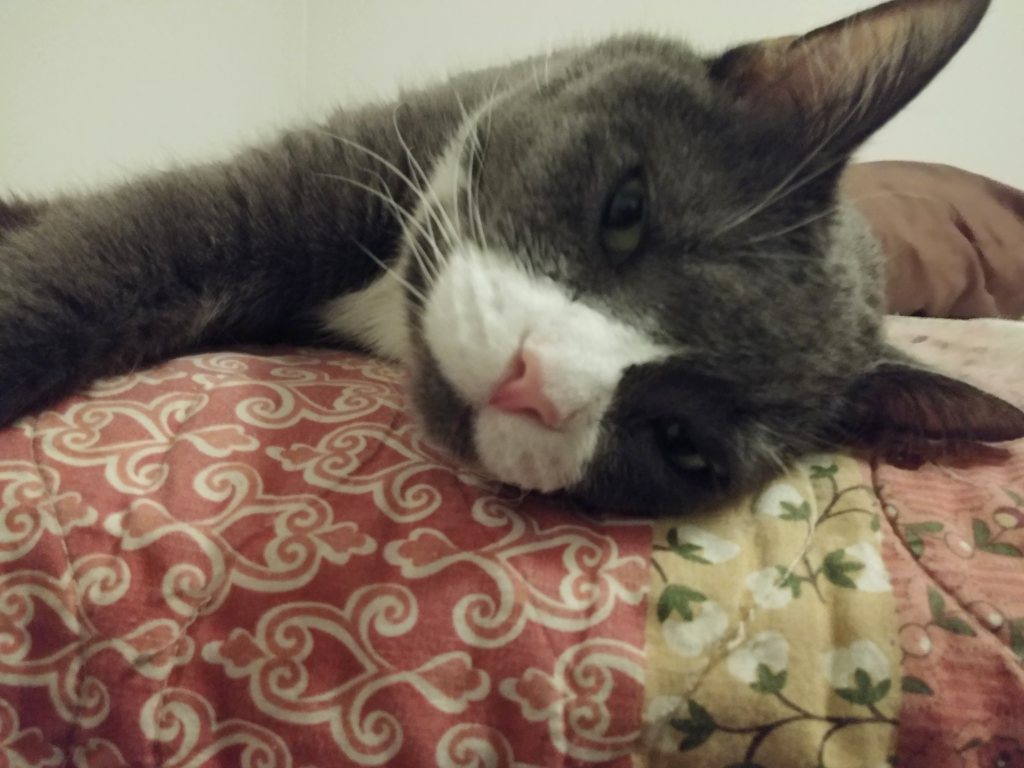 When you realize time is limited, there can be pressure to make every day perfect. Special treats. Extra outings. Endless photos. While those things can be beautiful, they should not feel like a checklist. Some of the most meaningful moments with our pets were not grand. They were quiet evenings on the couch. Gentle brushing sessions. Soft conversations spoken into warm fur.
If your pet is ill, quality of life becomes the center of your focus. Ask simple questions. Are they eating with interest? Are they comfortable? Do they still seek connection? These are clearer indicators than any calendar. The goal is not to create a highlight reel. The goal is to create comfort and connection.
Talking About the Hard Stuff
Anticipatory grief often includes practical thoughts that feel uncomfortable. When is it time? What does quality of life really mean? How will I know? These questions do not make you heartless. They make you responsible.
Having conversations with your veterinarian about long term plans can actually reduce anxiety. It gives you a framework. You may also choose to think about practical matters at home. Where would you want your pet to be if their time comes? Who would you call? Planning does not mean giving up hope. It means reducing panic if a crisis happens.
When Everly passed from an infection, it was not a senior condition. It was sudden and painful. That experience reminded us that time is never guaranteed, even for the young. It deepened our commitment to loving openly without holding back.
Letting Yourself Feel It All
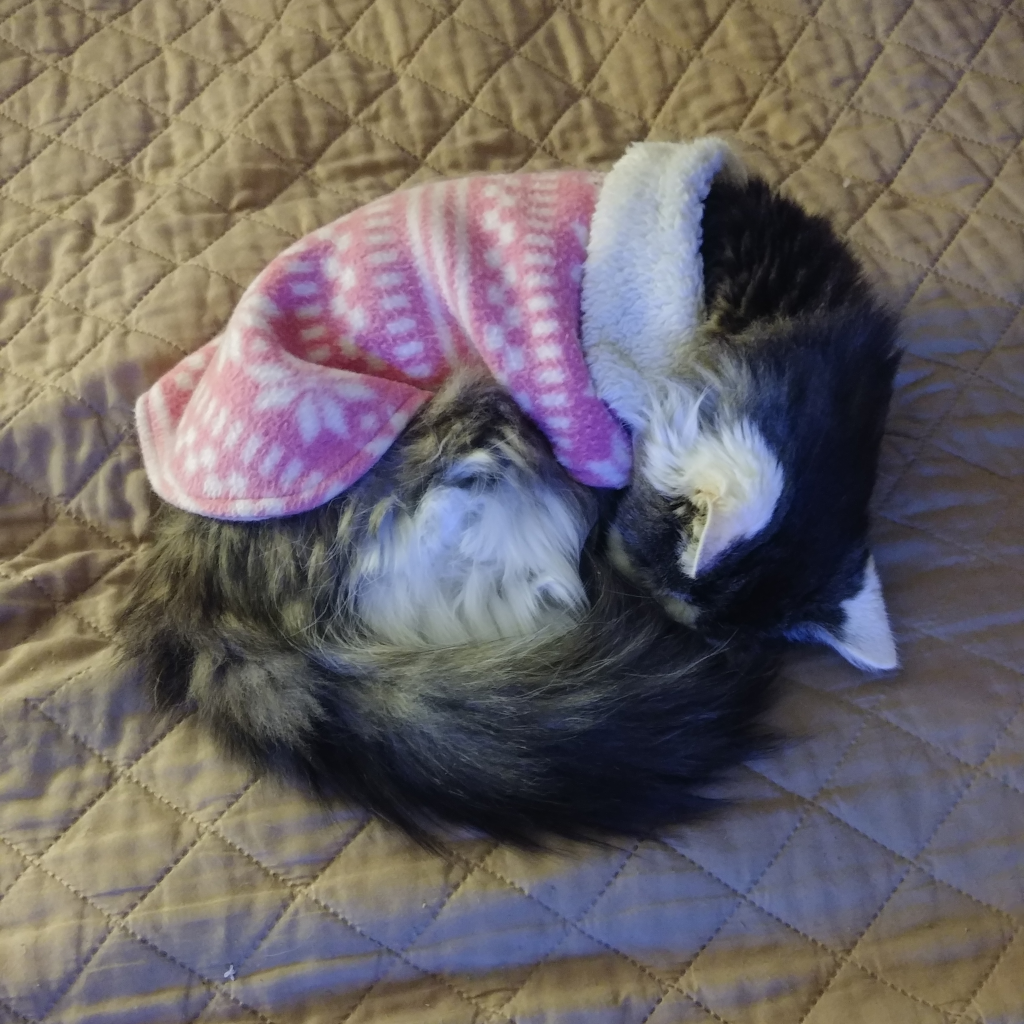 There is no strong way to do this. There is only an honest way. Some days you will feel peaceful. You will look at your senior pet and think, “We are okay right now.” Other days, the fear will be loud. You might cry while they are still here. That does not diminish the joy you share. It proves how meaningful that bond is.
If you live with someone else who loves the pet too, remember that people grieve differently. One of you may want to talk about it often. The other may avoid the subject. Neither approach is wrong. Try to give each other grace. Children also sense change. If you have kids, simple explanations about aging and illness can help them process what they are seeing. Hiding the topic entirely can sometimes create more confusion.
Using Tools to Feel Empowered
One of the reasons we built BellenPaws was to turn helplessness into action. When your pet is aging or managing a chronic illness, small tools can make a big emotional difference. Tracking glucose readings gives you a sense of control. Printing out daily tracking sheets helps you see patterns. Calculating your pet’s age in human years can also shift perspective. A fourteen year old cat is not “just older.” In human years, that is someone in their seventies. It encourages patience.
Even something as simple as planning a comfortable resting space can feel empowering. Add a soft blanket. Make sure water is easy to access. Keep litter boxes or potty areas convenient. These small adjustments reduce stress for both of you. Empowerment does not erase grief. It makes the journey steadier.
Loving Fully Anyway
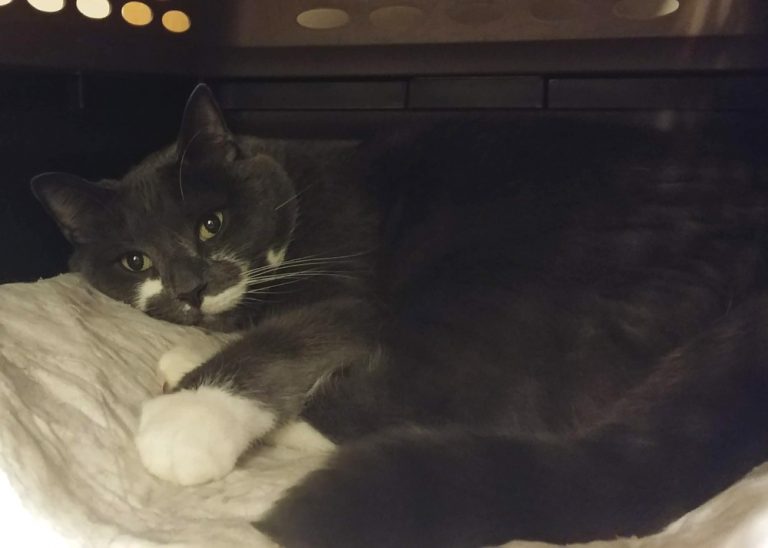 So how do you love fully when you know loss is coming one day? You choose presence over projection. You replace “How much longer?” with “How is today?” You allow yourself to laugh when your senior dog still gets a burst of playful energy. You celebrate when your diabetic cat has a stable week of readings. You savor the ordinary.
Loving fully anyway means accepting that pain is the price of attachment. It means understanding that grief is not the opposite of love. It is the continuation of it. One day, the house will feel different. The bowls will be empty. The routines will shift. That future moment deserves its own space when it arrives. It does not need to live in today’s sunlight.
Right now, your pet is here. Their heartbeat is steady. Their eyes still meet yours. Their tail still wags or curls around your hand. Anticipatory grief is not a sign to withdraw. It is a reminder of how much this relationship matters. It invites you to soften, to slow down, and to pay attention.
On BellenPaws, our mission has always been to support senior pets and the people who love them. We share our stories, our tools, and our lessons because we have stood in that same space. The space between gratitude and fear. The space between today and tomorrow.
If you are feeling anticipatory grief, you are not alone. You are simply loving a senior pet with your whole heart. And that, even with all its tenderness and ache, is a beautiful thing.