

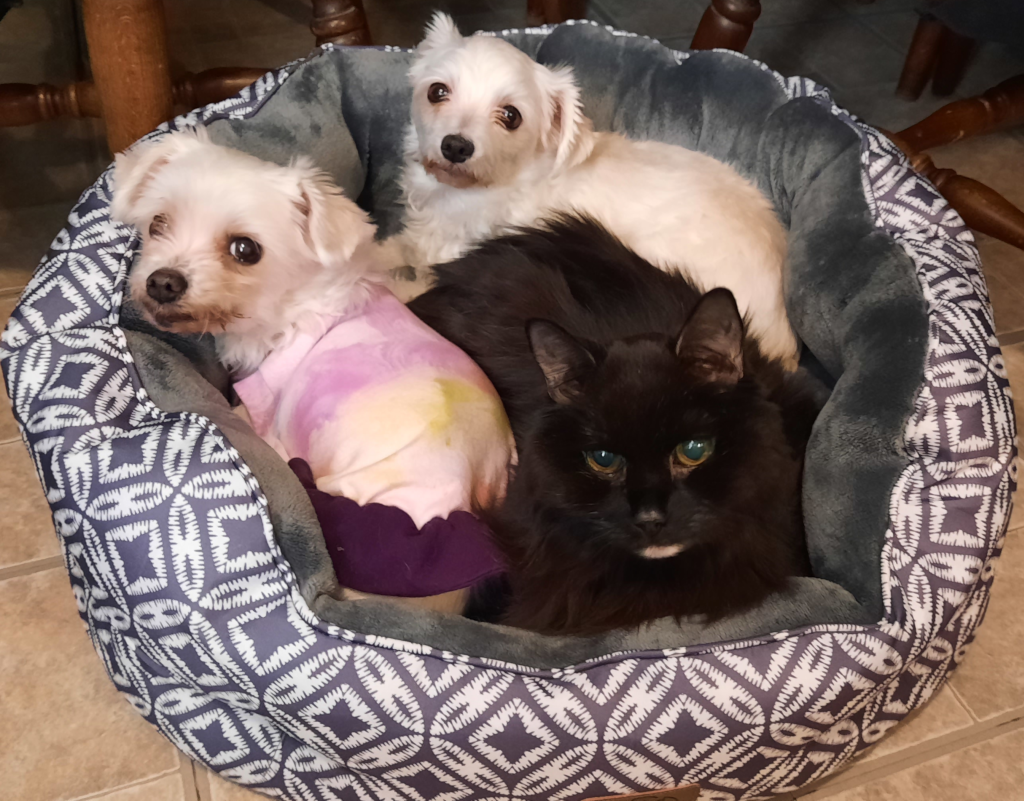
Living with multiple cats and dogs under one roof is a beautiful kind of chaos. The bowls line the kitchen floor. The sound of paws on hardwood echoes through the hallway. There are different medications, different feeding schedules, and different personalities that all need to be understood and respected. When those pets are seniors, or when some are managing chronic conditions like diabetes, the responsibility grows even deeper.
We are not veterinarians. We are simply people who have shared our lives with many animals over the years. Some came to us young and grew old beside us. Others came to us already gray around the muzzle. Through hyperthyroidism, kidney disease, diabetes, blindness, obesity, and cancer, we have learned that structure and compassion can coexist. Managing a multi pet household is not about perfection. It is about intention.
The Foundation: Structure Creates Calm
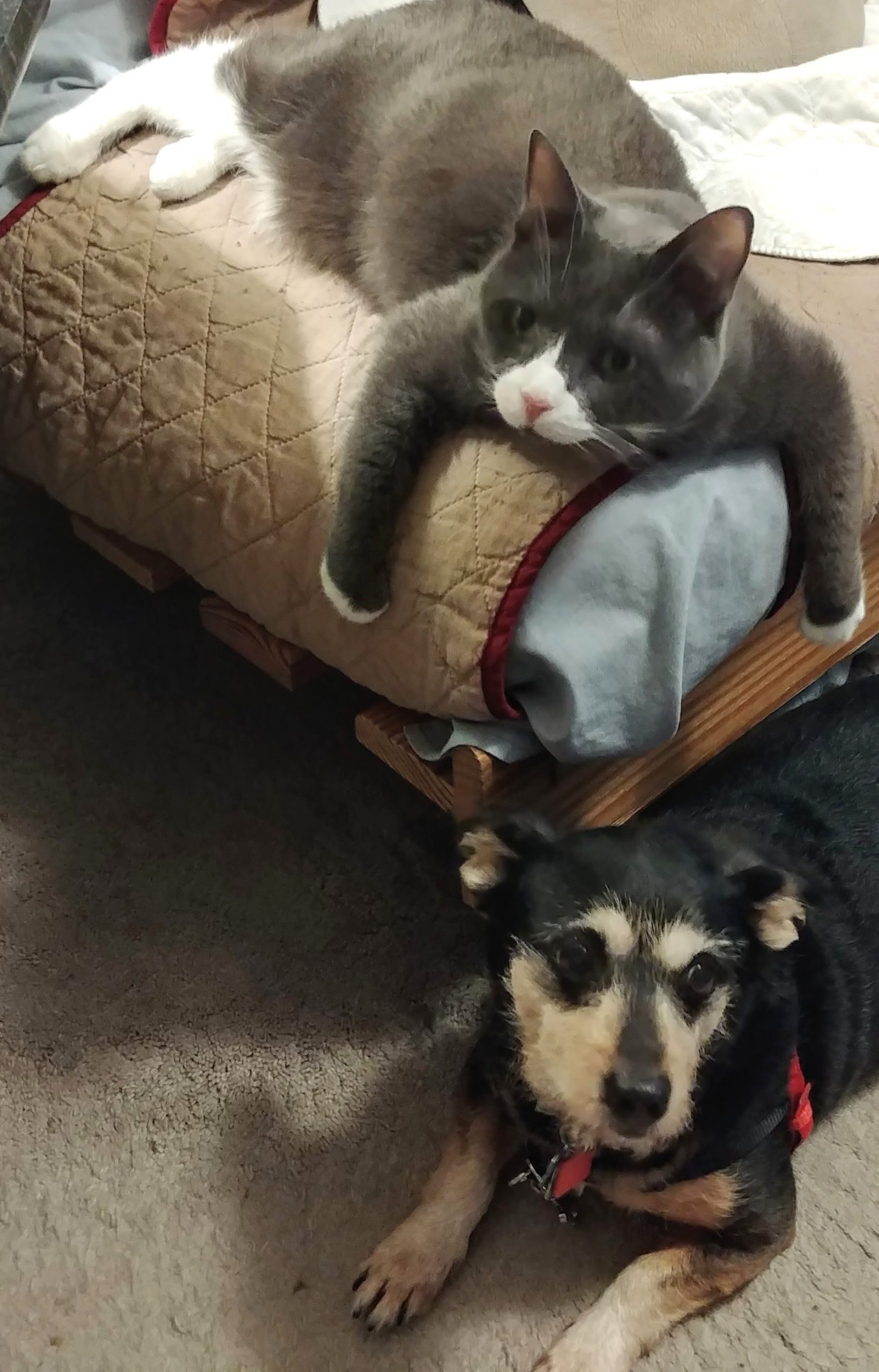 When you have multiple pets, especially seniors, routine becomes your strongest ally. Animals thrive on predictability. They may not understand the clock, but they understand rhythm. They recognize the sound of a food container opening at the same time each morning. They notice when the lights dim at night. A steady pattern lowers stress for everyone.
Feeding times are one of the most important anchors in a multi pet home. In our house, meals happen at set times. Even the pets who do not require medication benefit from the routine. When one cat, like Bentley with diabetes, needs insulin at precise intervals, everyone adapts to that rhythm. This reduces confusion and cuts down on begging or food stealing because they learn that food appears consistently.
Consistency also helps senior pets who may struggle with anxiety or cognitive changes. As pets age, some develop signs similar to dementia in humans. A predictable day can reduce wandering, nighttime vocalization, and stress behaviors.
Feeding Multiple Pets Without Chaos
One of the biggest challenges in a multi cat or multi dog home is preventing food theft. Cats are especially skilled at sneaking a bite from a neighbor’s bowl. Dogs can inhale a meal in seconds and then wander to see what is left behind.
The first step is understanding each pet’s dietary needs. Some seniors need lower phosphorus diets for kidney support. Others require higher protein to maintain muscle mass. Diabetic pets may need low carbohydrate food with strict portion control. Puppies or younger adults in the home have completely different needs. Mixing these up can cause real health setbacks.
Separation during meals is often necessary. In our home, that has meant closing doors, using baby gates, or feeding cats in separate rooms. It does not have to be complicated. Even placing one cat on a countertop while another eats on the floor can make a difference if they are supervised. For dogs, feeding in separate corners or different rooms prevents tension and resource guarding.
If a diabetic cat needs to eat before insulin, that meal becomes a priority. We prepare that portion first and ensure it is fully consumed before moving on to other bowls. It may take patience. Some days, seniors eat more slowly. We stay present during meals to ensure that each pet gets what is intended for them.
Microchip feeders are another tool some families use. These feeders open only for the specific pet assigned to them. While not necessary for everyone, they can reduce stress in homes with free feeding cats or with strict dietary differences.
Portion Control and Monitoring
 In a home with many animals, it can be easy to lose track of who ate what. Senior pets, especially those with diabetes or thyroid conditions, need close monitoring. We have found that measuring food rather than estimating helps maintain stability. A simple measuring cup becomes part of the daily routine.
Weight checks are equally important. A slight weight loss in a senior cat can signal kidney issues or hyperthyroidism. Sudden weight gain in a dog can worsen arthritis or diabetes. Keeping a small notebook or using a printable tracking form can make patterns more visible. That is one reason we created tools like our diabetes tracker and printable glucose curve forms. When you are juggling multiple pets, written records become invaluable.
Even if only one pet has diabetes, keeping an eye on everyone’s habits helps you spot problems early. If one cat starts drinking excessively or urinating more than usual, you notice it sooner because you are already observing patterns for another pet.
Giving Individual Attention in a Crowd
Perhaps the most overlooked challenge in a multi pet household is emotional balance. Each animal deserves individual time. It is easy to give group affection. Sitting on the couch while three cats pile on your lap feels heartwarming. But individual bonding is different.
Senior pets especially benefit from one on one attention. A gentle brushing session. A slow walk with an older dog who cannot keep up with younger companions. Quiet playtime with a wand toy for a cat who used to be more active. These moments reassure them that they are seen.
We have learned that some pets fade into the background when louder personalities dominate. A shy cat may stop coming forward for treats if a bolder cat always rushes ahead. By calling each pet by name and offering treats or affection separately, we help maintain confidence.
For dogs, separate short walks can be helpful. A senior dog with arthritis may need a slower pace. A younger dog may crave more distance. Trying to combine everything into one outing can leave someone uncomfortable or under stimulated.
Managing Medications and Health Conditions
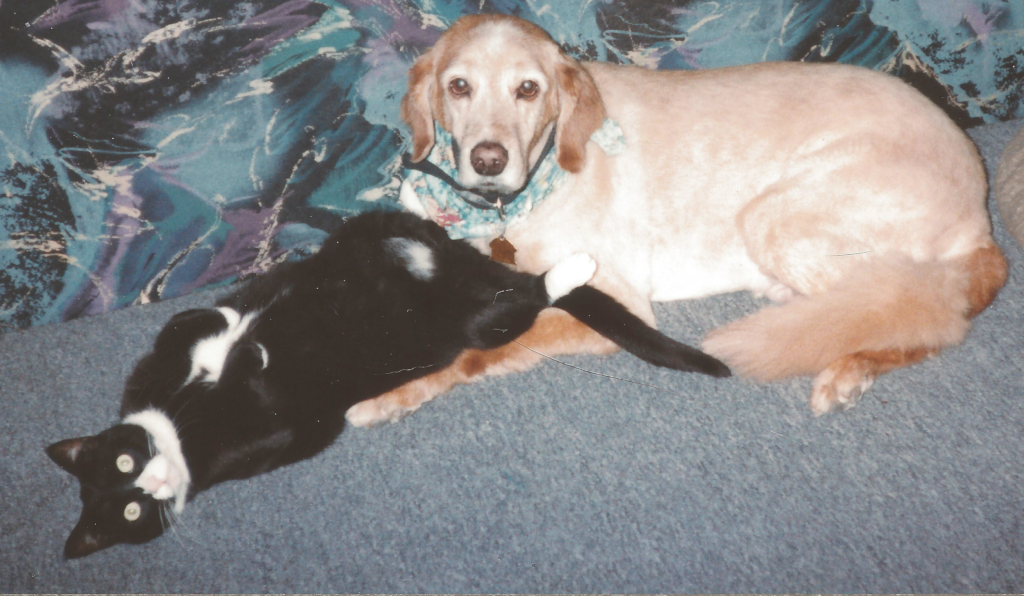 When multiple pets have health conditions, organization becomes critical. Pill organizers labeled by pet name can prevent mistakes. Setting alarms on a phone ensures that insulin injections or thyroid medication are given on time. It is easy to forget which cat received which dose if you rely on memory alone.
Creating a dedicated space for medications helps as well. We keep supplies in clearly labeled containers. Insulin stays refrigerated in one specific spot. Syringes are stored separately from oral medications. Having a consistent system reduces stress during busy mornings.
In homes with diabetic pets, feeding times and insulin injections often become the anchor around which the rest of the household revolves. That structure can actually simplify things. Everyone eats at the same time. Everyone settles down afterward. The rhythm becomes part of daily life.
Litter Boxes and Outdoor Breaks
Multiple cats require multiple litter boxes. A general guideline is one box per cat plus one extra. In a senior household, accessibility matters even more. Boxes should be easy to enter, with low sides for cats with arthritis. They should be placed in quiet areas so older cats are not startled.
Monitoring litter box habits is another way to track health. Changes in urine volume, stool consistency, or frequency can be early warning signs. In a busy home, it helps to scoop daily and observe carefully rather than rushing through the chore.
For dogs, scheduled outdoor breaks are important. Senior dogs may need more frequent trips outside. If you have both young and old dogs, the younger ones may be able to wait longer, but the seniors may not. Adjusting your schedule to accommodate the oldest member often prevents accidents and stress.
Reducing Competition and Stress
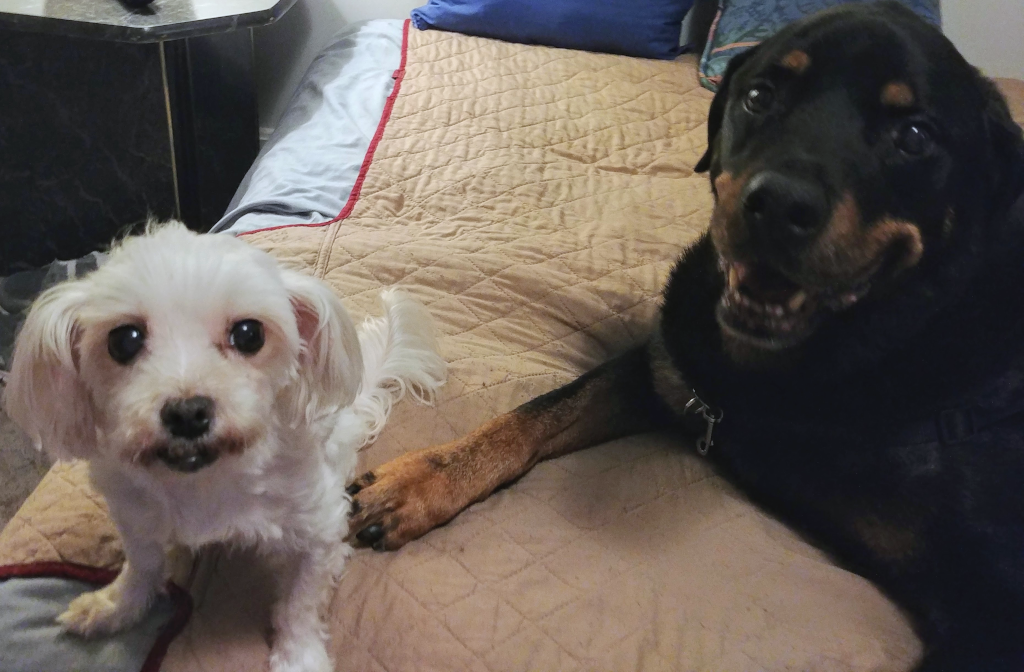 Competition can surface around food, toys, or even favorite resting spots. Senior pets are often less tolerant of being pushed aside. Providing multiple beds in different rooms allows each pet to choose a comfortable location without conflict.
Vertical space for cats can be especially helpful. Cat trees, shelves, or window perches give them options. That is partly why we created a rope length calculator for people building their own cat trees. Giving cats height options reduces tension because they can claim their own territory.
Toys should also be abundant. Having several similar toys prevents arguments over a single prized object. Rotating toys keeps interest high without overwhelming the environment.
The Emotional Side of a Full House
Living with many animals means experiencing many chapters of life. Some pets will pass while others remain. The house never feels quite the same after a loss. Our youngest, Everly, passed from an infection, and her absence was deeply felt by every member of the household, both human and animal.
Grief moves through a multi pet home in subtle ways. Other pets may search for their missing companion. They may become quieter or clingier. Maintaining routine during these times helps everyone adjust.
At the same time, the presence of other animals can be comforting. There is still a warm body on the couch. There is still the sound of purring or the wag of a tail. Love does not divide in a multi pet home. It multiplies.
Building a System That Works for You
 No two households are the same. Some families rely on scheduled feeding only. Others prefer carefully managed free feeding for certain pets. Some use technology like automatic feeders or microchip bowls. Others keep things simple with doors and baby gates.
What matters most is awareness. Know who is eating. Know who is drinking. Know who is sleeping more than usual. When you manage multiple senior pets, observation becomes a daily practice.
Tools can make this easier. Age calculators can help you understand where your pet is in their life stage. Tracking forms can keep medical care organized. Even a simple checklist on the refrigerator can prevent missed doses.
A Home Filled with Care
Managing multiple cats and dogs is not always tidy. There will be fur on the furniture. There will be moments of frustration when one cat steals another’s food or when a dog barks at the wrong time. But there will also be mornings when sunlight streams through the window and several animals stretch together in comfort.
Senior pets deserve thoughtful care. Pets with diabetes deserve structure and consistency. In a multi pet home, those needs overlap and intertwine. With planning, patience, and compassion, it is entirely possible to create harmony.
We have learned that love alone is not enough. Love needs organization. It needs routine. It needs attention to detail. When those elements come together, even a busy home with many paws can feel peaceful.
If you are navigating a similar journey, know that you are not alone. Many of us are measuring food, setting alarms, cleaning litter boxes, and offering gentle reassurance every single day. The reward is a house full of life, history, and connection. And that is worth every carefully timed meal and every extra scoop of litter.