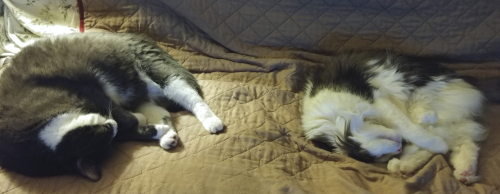

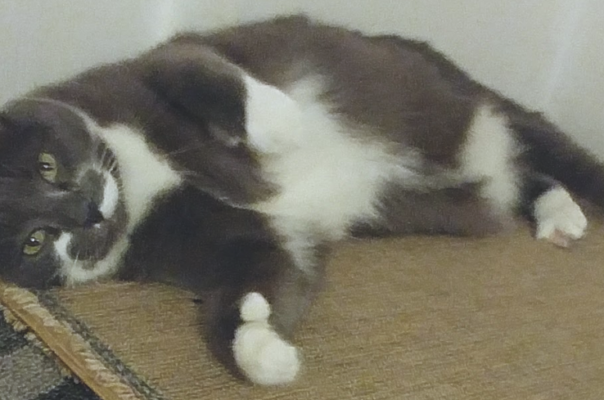
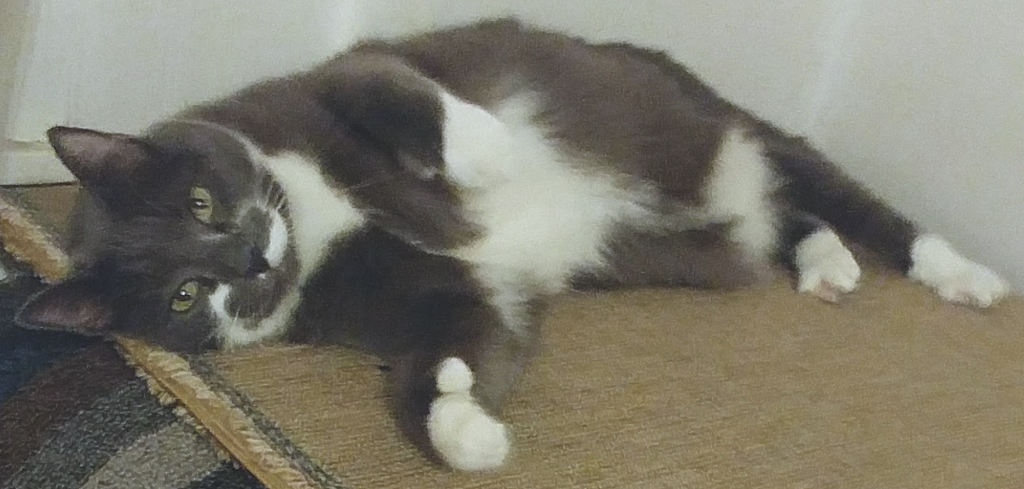
As pets grow older, the changes that occur are often subtle at first. A longer nap in the afternoon. A little less excitement at mealtime. A preference for familiar routines rather than novelty. These shifts are not signs of decline in the way people often fear. Instead, they reflect the natural adjustments an aging body and mind make over time.
Understanding how aging affects a pet’s sleep, appetite, and social needs allows owners to respond with empathy rather than worry. These changes are not simply about doing less. They are about doing things differently. When we recognize what is normal for aging pets and what may signal a problem, we can offer care that supports comfort, dignity, and quality of life.
Why Aging Affects Daily Patterns
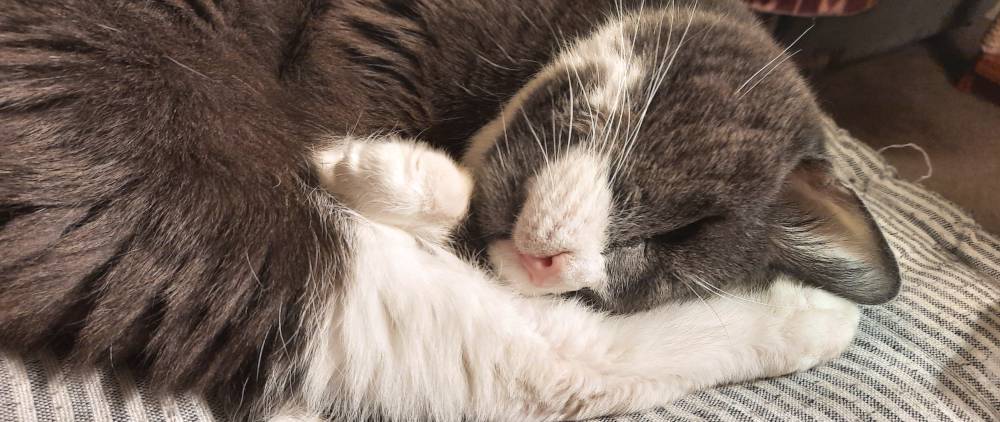 Aging is a whole body process. Muscles lose strength, joints become stiffer, senses gradually dull, and metabolism slows. At the same time, the nervous system processes stimulation differently, and recovery from physical or emotional stress takes longer.
These internal changes influence how pets spend their energy. Younger animals are driven by growth, exploration, and play. Older pets are driven by conservation. Their bodies prioritize rest, stability, and efficiency. Sleep patterns shift to allow more recovery. Appetite changes to match altered digestion and energy needs. Social preferences adjust as tolerance for noise, unpredictability, and physical exertion declines.
None of this happens overnight. Aging is gradual, and each pet experiences it at a unique pace.
How Sleep Changes in Senior Pets
One of the first differences many owners notice is an increase in sleep. Senior pets often sleep more hours overall, but the quality and structure of that sleep also changes.
Longer Sleep Periods and More Naps
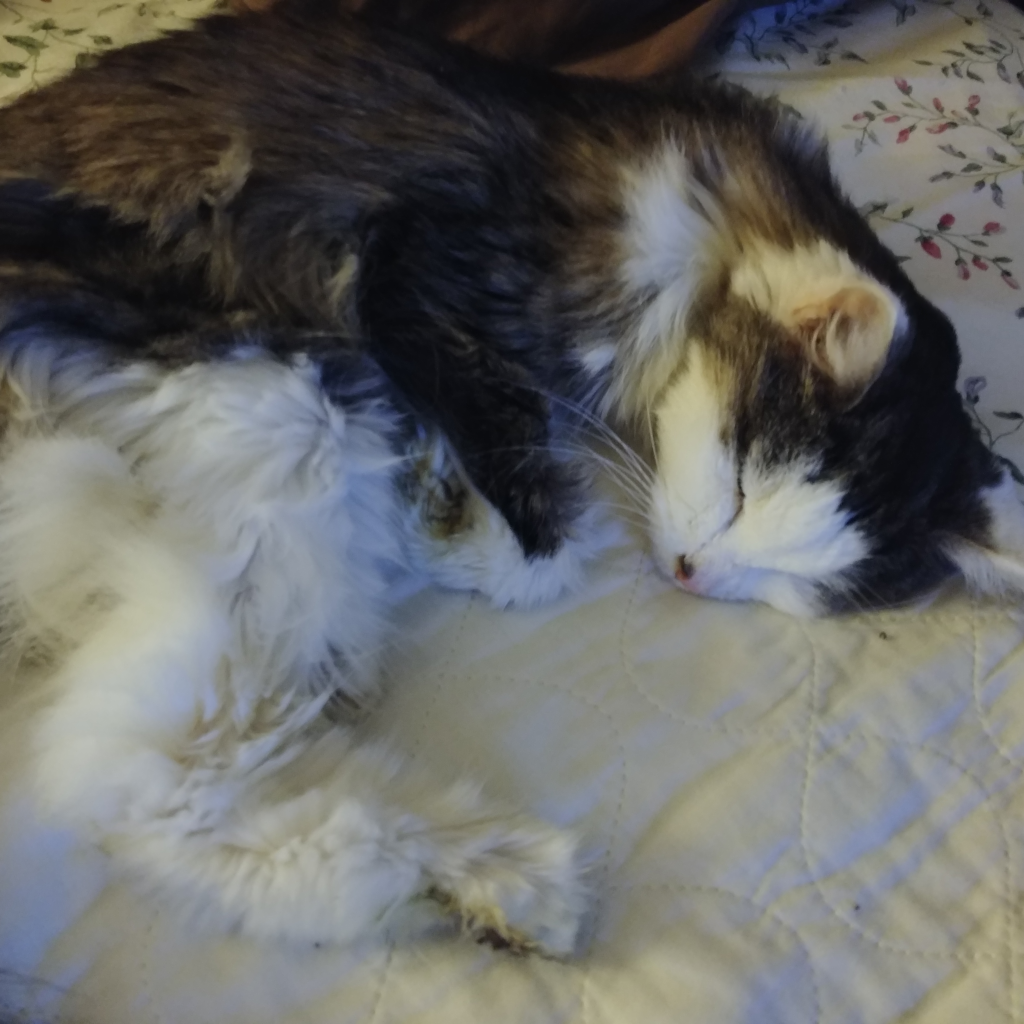 Older pets typically need more rest to recover from daily activities. Muscles repair more slowly, and joints may ache after movement. Sleep becomes a tool for physical maintenance rather than just downtime.
It is common for senior pets to nap frequently throughout the day, sometimes appearing drowsy even when awake. This is not laziness. It is the body’s way of managing limited energy reserves.
Lighter and More Fragmented Sleep
While senior pets sleep more, they often sleep less deeply. Many wake easily to small sounds or changes in light. Nighttime sleep may become interrupted, leading to pacing, repositioning, or brief periods of restlessness.
This lighter sleep can be influenced by discomfort, changes in brain chemistry, or reduced vision and hearing that make it harder to orient in the dark. Familiar sleep spaces and predictable routines can help reduce nighttime disturbances.
Changes in Sleep Timing
Some older pets shift their internal clocks. They may wake earlier in the morning, become restless at night, or sleep more during daylight hours. These changes are not behavioral problems but natural alterations in circadian rhythm.
Consistent feeding times, gentle daytime activity, and exposure to natural light can help regulate sleep patterns and promote better rest.
Appetite Changes as Pets Age
 Appetite changes are common in senior pets, but they are not always straightforward. Some pets eat less. Others appear hungry but eat more slowly or selectively.
These patterns reflect changes in digestion, metabolism, and sensory perception.
Slower Metabolism and Reduced Energy Needs
As pets age, their caloric needs often decrease. They burn fewer calories at rest and during activity. This can result in a naturally smaller appetite.
A reduced interest in food does not automatically mean illness. It may simply indicate that the body no longer requires the same energy intake as before.
Digestive Changes and Food Tolerance
Aging affects the digestive system. Stomach emptying may slow, nutrient absorption can become less efficient, and certain foods may cause discomfort where they once did not.
Some senior pets prefer smaller, more frequent meals rather than large portions. Others become sensitive to changes in diet and may resist new foods. Gentle consistency often works better than frequent dietary experimentation.
Sensory Decline and Food Interest
Smell and taste play a major role in appetite. As these senses dull with age, food may seem less appealing. This is especially common in cats, who rely heavily on scent to engage with meals.
Warming food slightly, enhancing aroma without adding unhealthy additives, or offering softer textures can make meals more enjoyable for older pets.
When Appetite Changes Need Attention
While some appetite changes are normal, sudden or extreme shifts should never be ignored. Persistent refusal to eat, rapid weight loss, or signs of discomfort during meals may indicate dental issues, digestive problems, or underlying disease.
Regular veterinary checkups are essential for distinguishing between normal aging and medical concerns.
Social Needs in Aging Pets
Social behavior often evolves with age. Older pets may seem less playful, less tolerant, or more selective about interaction. These changes reflect emotional maturity and physical limitations rather than withdrawal or sadness.
Preference for Familiar People and Routines
Senior pets often gravitate toward familiar faces and predictable environments. They may seek out their primary caregiver more frequently and show less interest in strangers or new situations.
This preference provides emotional security. Familiar routines reduce cognitive load and help aging pets feel safe and oriented.
Reduced Tolerance for Overstimulation
Loud noises, energetic children, or overly playful animals can overwhelm senior pets. What once felt exciting may now feel stressful or physically uncomfortable.
Respecting these boundaries is important. Providing quiet spaces and allowing pets to choose when and how they interact helps preserve trust and emotional well-being.
Increased Desire for Gentle Companionship
Many aging pets still crave connection, but in a calmer form. They may prefer sitting nearby, resting against a trusted person, or enjoying slow, gentle affection.
This shift from active play to shared presence is a natural evolution of the human animal bond. It reflects deep attachment rather than disengagement.
Changes in Social Hierarchies
In multi-pet households, aging can alter social dynamics. Senior pets may lose dominance or withdraw from competition for resources. Ensuring easy access to food, water, and resting areas helps prevent stress and conflict.
The Emotional World of Senior Pets
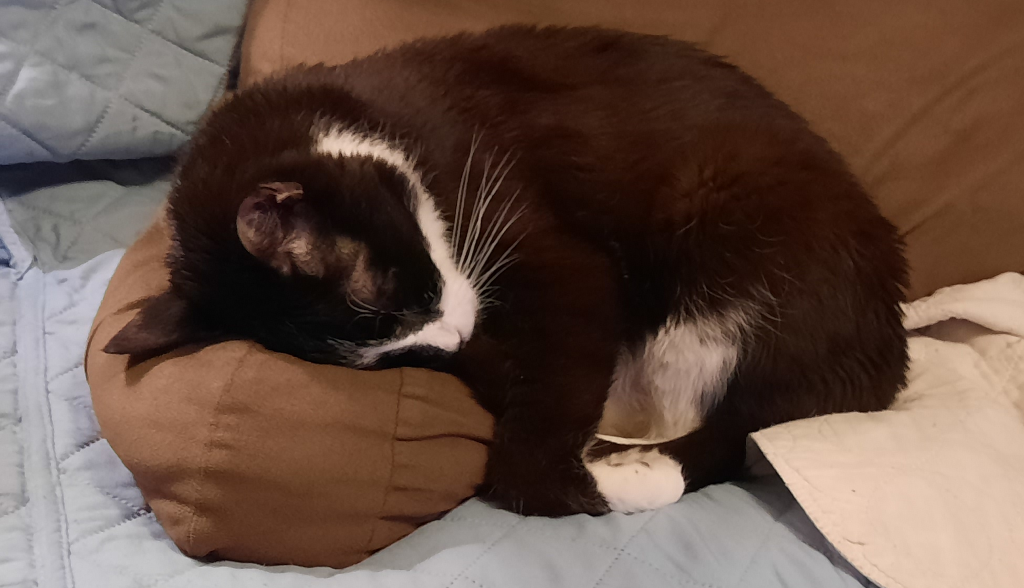 Cognitive aging can influence how pets perceive their environment. Some experience mild confusion, increased anxiety, or sensitivity to change. These emotional shifts often interact with sleep, appetite, and social behavior.
An older pet that seems clingier may be seeking reassurance. One that withdraws may be conserving energy or avoiding discomfort. Neither response is wrong.
Patience, consistency, and observation are key. Emotional well-being in senior pets is closely tied to how safe and understood they feel.
Supporting Healthy Sleep in Older Pets
Simple adjustments can greatly improve sleep quality for aging pets.
Comfortable bedding that supports joints, easy access to favorite sleeping spots, and a calm nighttime routine all contribute to better rest. Minimizing sudden changes in environment and maintaining consistent daily schedules helps regulate sleep cycles.
Daytime mental stimulation and gentle movement also support healthier nighttime sleep by preventing excessive daytime lethargy.
Supporting Appetite Without Pressure
Encouraging eating without forcing it is crucial. Allow pets to eat at their own pace. Offer foods that are easy to chew and digest. Maintain regular meal times while remaining flexible about portion size.
Positive mealtime experiences matter. Calm surroundings and patience help older pets feel relaxed and engaged with food.
Meeting Changing Social Needs With Compassion
The most important adjustment owners can make is listening. Aging pets communicate their needs through behavior. When they seek solitude, respect it. When they ask for closeness, offer it freely.
Quality of interaction matters more than quantity. Short, positive moments of connection often mean more to senior pets than prolonged stimulation.
When Changes Signal Something More
Not all changes are due to normal aging. Abrupt shifts in sleep, appetite, or social behavior can indicate pain, illness, or cognitive decline.
Veterinary guidance is essential when changes feel sudden, severe, or concerning. Early intervention can improve comfort and extend quality of life.
Aging Is a New Stage, Not an Ending
Aging transforms how pets experience the world, but it does not diminish their capacity for comfort, connection, or contentment. Senior pets often develop deeper bonds with their caregivers, finding joy in familiarity and quiet companionship.
By understanding how sleep, appetite, and social needs evolve, owners can meet their pets where they are rather than where they used to be. This shift in perspective replaces frustration with compassion and worry with confidence.
Caring for an aging pet is not about resisting change. It is about adapting with them. When we honor their changing needs, we give them the greatest gift possible in their later years: comfort, dignity, and the reassurance that they are still deeply loved.