

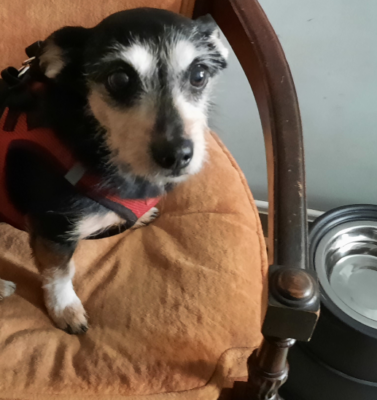
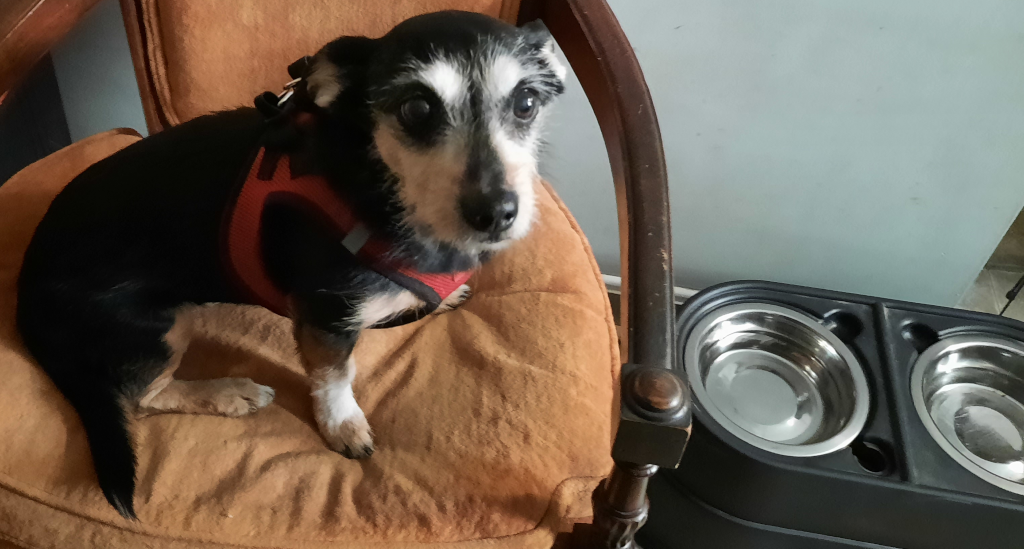
As pets grow older, small daily habits begin to matter more than ever. One of the most overlooked habits is water intake. It sounds simple, almost too simple, yet proper hydration can play a powerful role in protecting kidney function and supporting overall health in senior cats and dogs.
At BellenPaws, we have lived through the senior years with many beloved companions. We have cared for pets with diabetes, kidney disease, thyroid conditions, cancer, blindness, and the general slowing down that comes with age. If there is one lesson we have learned over and over again, it is this: water is not optional, especially for older pets. It is foundational.
This article is not meant to replace veterinary advice. It is meant to share practical, experience-based ways to gently encourage older pets to drink more water in ways that feel natural and stress free.
Why Hydration Matters More in Senior Pets
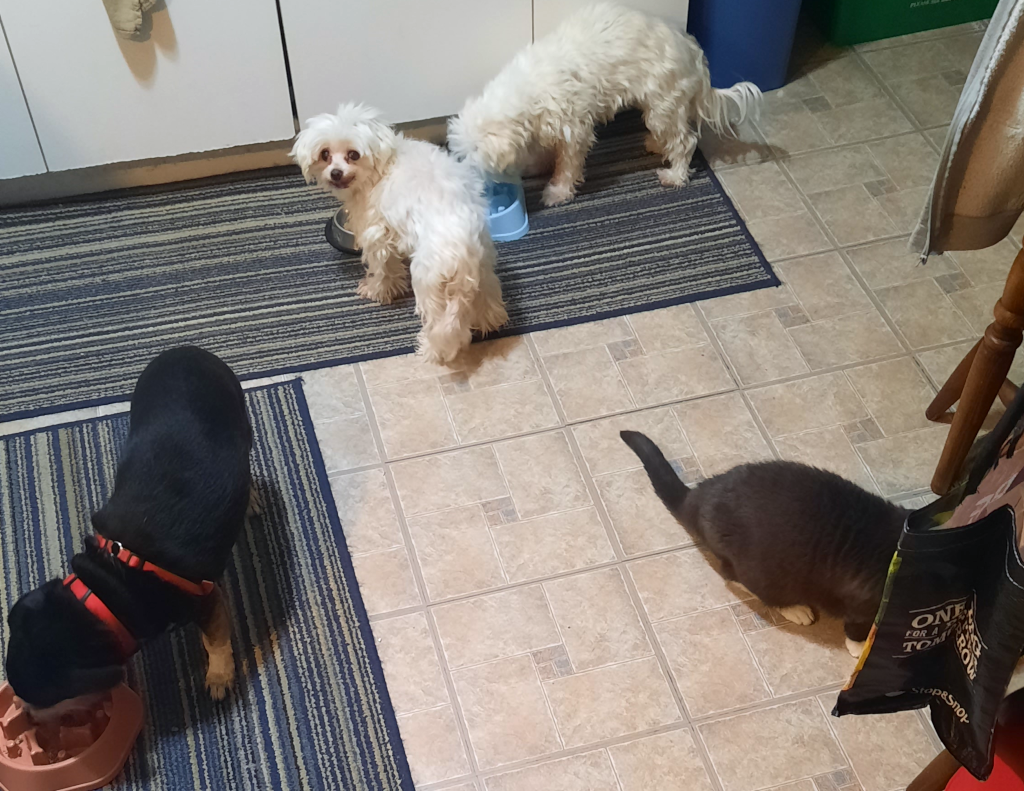 The kidneys act like natural filters. They remove waste products from the blood and help balance fluids and electrolytes in the body. As cats and dogs age, kidney function can gradually decline. This does not always happen dramatically or suddenly. It can be subtle and progressive.
Older pets are also more likely to experience chronic kidney disease. In cats especially, kidney disease is one of the most common age-related conditions. Even before a diagnosis, maintaining good hydration helps support the kidneys by keeping blood flowing smoothly through these filtering systems.
Dehydration can thicken the blood slightly, making the kidneys work harder. It can also contribute to constipation, urinary tract issues, and general lethargy. For diabetic pets, proper hydration becomes even more important because high blood glucose levels can cause increased urination and fluid loss.
When we cared for one of our diabetic cats, we noticed that water intake fluctuated with blood sugar levels. Watching hydration alongside glucose readings helped us see patterns that might otherwise have gone unnoticed. Tracking daily intake, even informally, can give you a clearer picture of what is normal for your pet.
Signs Your Senior Pet May Not Be Drinking Enough
Sometimes dehydration is obvious. Other times it is quiet and easy to miss.
Watch for:
- Dry or tacky gums
- Lethargy or unusual tiredness
- Constipation
- Stronger smelling urine
- Reduced appetite
- Skin that does not spring back quickly when gently lifted
In cats, subtle changes are common. A senior cat may sit near the bowl without drinking much. Dogs may drink less after walks than they used to. Small behavioral shifts matter.
If you suspect moderate to severe dehydration, especially alongside vomiting, diarrhea, or weakness, contact your veterinarian promptly.
Hydration Hack 1: Improve the Bowl Setup
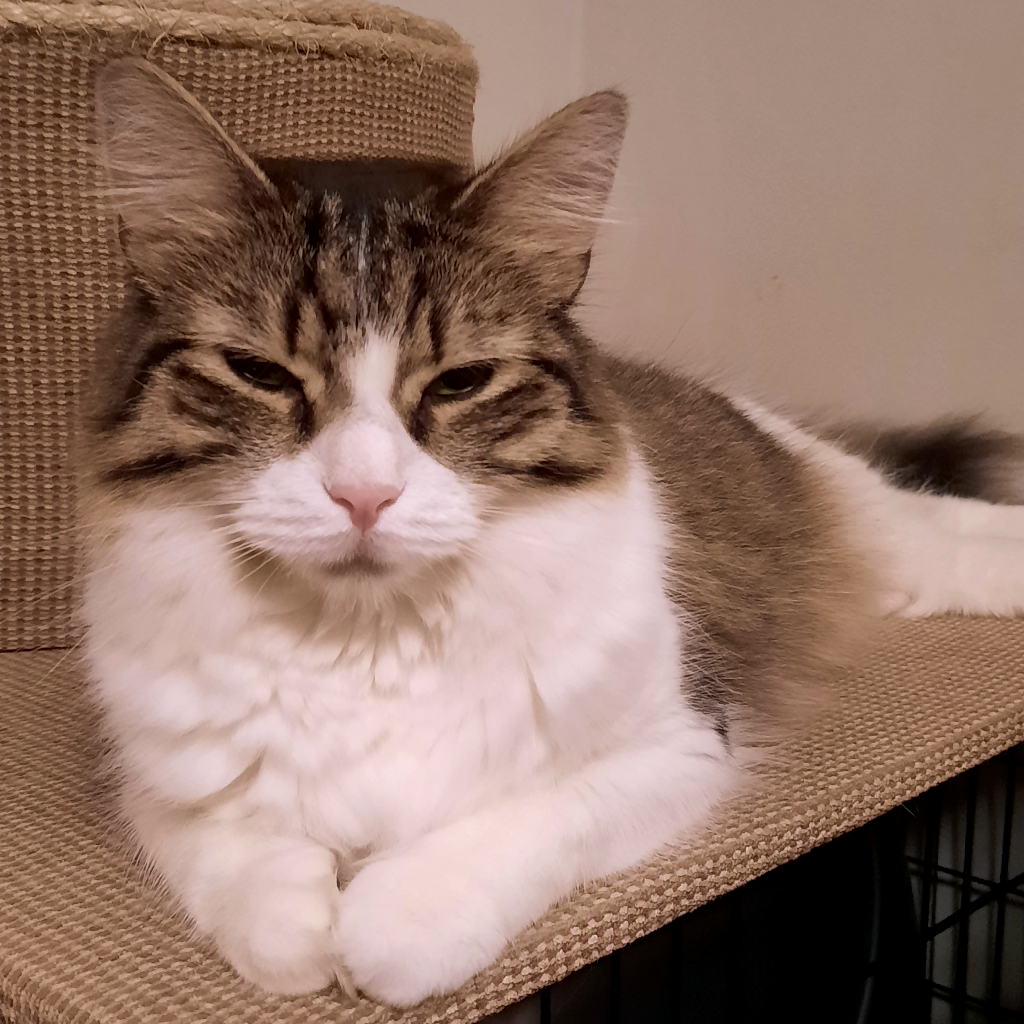 Older pets may have arthritis, neck stiffness, or vision changes. A simple bowl can become uncomfortable.
Try these adjustments:
- Use wide, shallow bowls for cats
- Elevate bowls slightly for dogs with joint pain
- Place water in multiple areas of the home
- Keep bowls clean and refill with fresh water daily
We once had a senior dog who increased his water intake simply because we placed a second bowl near his favorite resting spot. Convenience matters.
Hydration Hack 2: Add Moisture to Meals
Diet is one of the easiest ways to boost hydration. Wet food naturally contains far more moisture than dry kibble.
For senior cats, adding canned food or mixing warm water into their meals can significantly increase total fluid intake. Dogs can benefit from softened kibble or the addition of water or low sodium broth.
If your pet has diabetes, check carbohydrate levels carefully when choosing canned foods. Hydration and blood sugar balance need to work together.
Hydration Hack 3: Try a Water Fountain
Many cats are attracted to moving water. A pet fountain can encourage natural drinking instincts. The gentle flow and sound often make water more interesting.
If you choose a fountain, clean it regularly and replace filters as directed. Freshness is key.
Hydration Hack 4: Light Flavor Enhancements
Some pets respond well to subtle flavor additions. A small splash of low sodium chicken broth or tuna water can make plain water more appealing.
Keep it minimal. Too much sodium or strong flavoring can upset the stomach. Always read ingredient labels carefully.
Hydration Hack 5: Consider Hydration Supplements Like Hydration Gels and Solutions
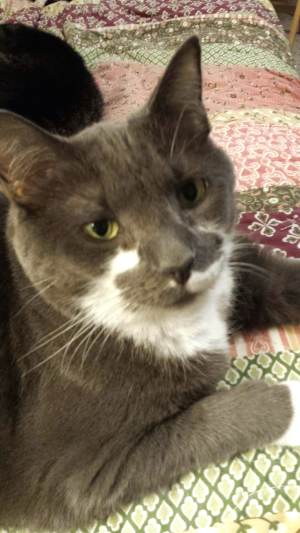 In recent years, hydration support products designed specifically for pets have become more common. One example many owners have encountered is Hydra Care by Purina Pro Plan Veterinary Supplements, often simply referred to as Hydracare.
Hydracare is a flavored hydration supplement designed primarily for cats. It is formulated to encourage voluntary intake of additional fluids. Instead of being plain water, it contains a specific blend of nutrients and flavoring that many cats find appealing. The idea is that if a cat willingly drinks more, overall hydration improves.
Some veterinary studies have suggested that products like Hydracare can increase total liquid intake in certain cats. For senior cats who are reluctant drinkers, this can be helpful. It is not a medication, but it is also not just water. It is a targeted hydration supplement.
That said, there are pros and cons to consider.
Potential Benefits:
- May increase voluntary fluid intake
- Palatable for picky cats
- Convenient single serving packets
- Can support kidney health indirectly through improved hydration
Things to Keep in Mind:
- It adds calories, so portion awareness matters
- It may not be necessary for pets already drinking well
- It should not replace fresh water
Always discuss use with your veterinarian if your pet has kidney disease, diabetes, or other chronic conditions For diabetic pets especially, ingredient awareness is important. While hydration is essential, any supplement that contains added nutrients should be reviewed with your veterinarian to ensure it fits your pet’s overall care plan.
There are also oral electrolyte solutions designed for pets recovering from mild dehydration. These should only be used under veterinary guidance, particularly in senior animals with heart or kidney concerns. Electrolytes can be beneficial in some cases but inappropriate in others.
Hydration supplements can be useful tools. They are not magic solutions. They work best when integrated into a broader hydration strategy that includes diet, environment, and medical monitoring.
Hydration Hack 6: Monitor Bathroom Habits
Pay attention to litter box clumps or outdoor bathroom frequency. Changes in urine volume or concentration can signal shifts in hydration.
Tracking patterns over time gives context. A single off day may not mean much. A steady trend deserves attention.
Special Considerations for Kidney and Diabetic Pets
For pets diagnosed with kidney disease, hydration becomes central to management. Some veterinarians may recommend subcutaneous fluids in more advanced stages. At home, increasing voluntary intake remains extremely helpful.
For diabetic pets, water intake may fluctuate with blood glucose levels. Excessive drinking can signal high blood sugar. A sudden decrease in drinking can also signal a change. Keeping written logs of glucose readings and daily observations can help you spot patterns early. Hydration and metabolic health are closely connected.
Gentle Encouragement Over Force
Never force water into a resistant pet without professional guidance. Syringing water incorrectly can lead to aspiration and stress. Encouragement should feel natural. Refresh water often. Offer choices. Praise interest without making it a struggle.
Senior pets respond well to calm routines. Consistency builds comfort.
The Emotional Side of Senior Hydration
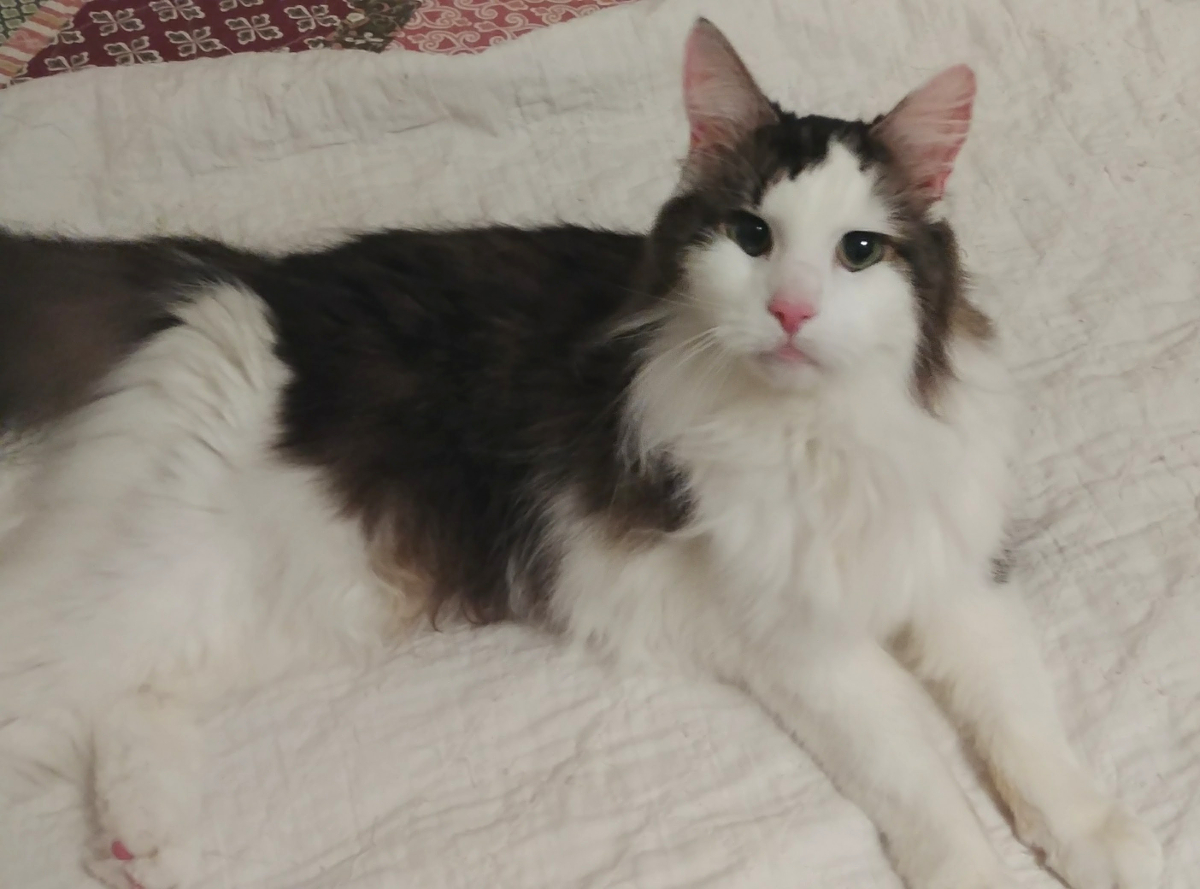 Caring for older pets often means paying attention to details that once seemed minor. Hydration becomes one of those quiet responsibilities that carries enormous weight.
We have experienced the lab results that shift our perspective overnight. We have adjusted feeding routines and monitored glucose curves. We have learned that stability often comes from small, daily efforts repeated faithfully.
Encouraging a senior pet to drink more water may not feel dramatic. It may not feel urgent. Yet it supports organs that have worked faithfully for years. Hydration is an act of respect for an aging body.
When to Call the Veterinarian
Seek veterinary care if your senior pet shows:
- Sudden dramatic increase or decrease in drinking
- Vomiting or persistent diarrhea
- Significant weight loss
- Weakness or collapse
- Refusal to eat
Routine senior bloodwork can catch kidney changes early. Early awareness allows for earlier support.
A Hydration Mindset for Senior Years
Building a hydration friendly home means thinking beyond a single bowl. Multiple water stations, moisture-rich meals, fountains, and supplements when appropriate can all play a role. Products like Hydracare can be helpful for some pets. They are tools, not replacements for attentive care. The foundation remains fresh water, thoughtful observation, and partnership with your veterinarian.
At BellenPaws, our goal has always been to support senior pet owners with practical knowledge and compassion. Hydration is one of the simplest yet most powerful ways to protect kidney function in older cats and dogs. Sometimes protecting kidney health starts with something as simple as refilling a bowl.