One of the most confusing and emotional changes many people notice as their dog grows older is a shift in body shape. A dog who once looked solid and strong may start to appear thinner in some places and heavier in others. Ribs might feel more noticeable, while the belly seems rounder. The hips may look bony, yet the scale says the number has gone up, not down.
For many senior dog owners, this creates a knot of worry. Is my dog losing muscle? Is this weight gain unhealthy? Am I feeding too much, too little, or the wrong thing entirely?
At BellenPaws, these questions feel very personal. We have shared our lives with dogs like Goldie, Buddy, Diesel, Sophie, Bella, and Jack, each aging in their own way. Some slowed down gently. Others faced mobility issues, hormonal changes, or chronic illness. Through those experiences, we learned that muscle loss and weight gain in aging dogs are not opposites. They often happen at the same time, and understanding the difference can make caregiving feel far less overwhelming.
This article is not written from a veterinary textbook perspective. It is written from the lived experience of loving senior animals, watching their bodies change, and learning how to respond with patience, compassion, and practical care.
Why Aging Changes a Dog’s Body
As dogs age, their bodies naturally become less efficient. Muscle tissue is active tissue. It burns calories, supports joints, and helps maintain balance and strength. Fat tissue, on the other hand, is easier for the body to store and harder to burn, especially when activity levels drop.
In younger dogs, daily movement helps maintain muscle mass without much effort. Running, jumping, playing, and even standing up repeatedly throughout the day all contribute to muscle maintenance. As dogs become seniors, those activities often decrease, sometimes subtly and sometimes dramatically.
A dog who still eats the same amount of food but moves less will often gain fat. At the same time, reduced movement means muscles are not being used as much, which can lead to gradual muscle loss. The result is a body that feels softer overall but looks thinner in specific areas like the thighs, shoulders, or along the spine.
This is not a failure on the owner’s part. It is a common part of aging.
Muscle Loss: The Quiet Change Many Owners Miss
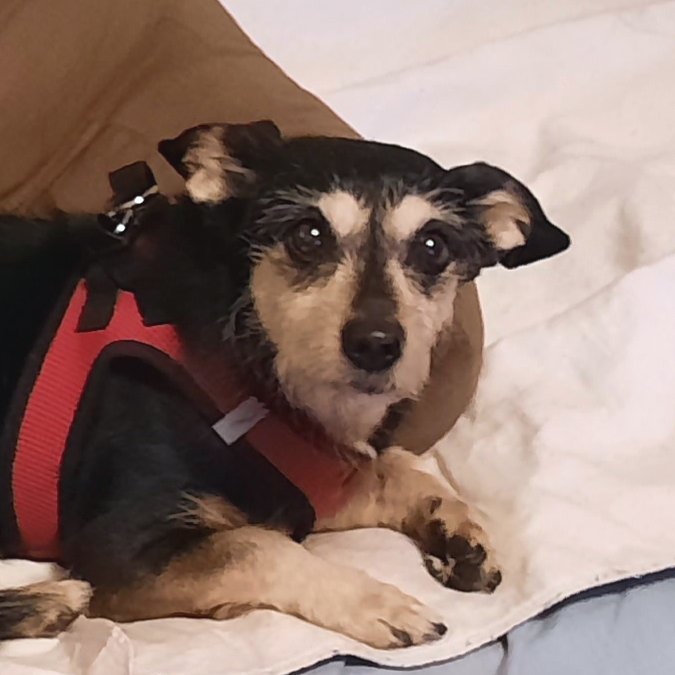 Muscle loss, sometimes called age-related muscle wasting, often happens slowly. Because it does not always show up on a scale, it can go unnoticed until it becomes more pronounced.
Owners often first notice muscle loss in the hind legs. A dog may have trouble jumping into the car, climbing stairs, or standing up after resting. The back legs may look less rounded and more angular. You might notice your dog shifting weight forward, relying more on their front legs.
In dogs like Buddy or Diesel, this change can be especially noticeable if arthritis or joint pain is present. Pain discourages movement. Less movement leads to less muscle use. Over time, muscles shrink simply because they are not being asked to work.
Muscle loss is not just about strength. Muscles also help stabilize joints. When muscle mass decreases, joints may feel more stress, which can worsen stiffness and discomfort. This can create a cycle where pain leads to inactivity, and inactivity leads to further muscle loss.
Weight Gain: When Less Activity Meets the Same Diet
Weight gain in senior dogs is often misunderstood. Many people assume weight gain means their dog is overeating. While overfeeding can certainly contribute, it is not always the main cause. As dogs age, their metabolism slows. They simply do not burn calories the way they used to. A meal size that was perfect at age five may be too much at age twelve, even if the dog’s appetite has not changed.
Weight gain often shows up around the abdomen and chest. The dog may look wider when viewed from above, or the waist may disappear entirely. This can be especially confusing when muscle loss is happening at the same time, making the dog look thinner in some areas and heavier in others.
For owners who deeply associate food with love, reducing portions can feel emotionally difficult. We have felt that conflict ourselves, especially with dogs who still eagerly waited for meals or treats. It helps to remember that adjusting food is not about deprivation. It is about comfort, mobility, and long-term well-being.
Why the Scale Can Be Misleading
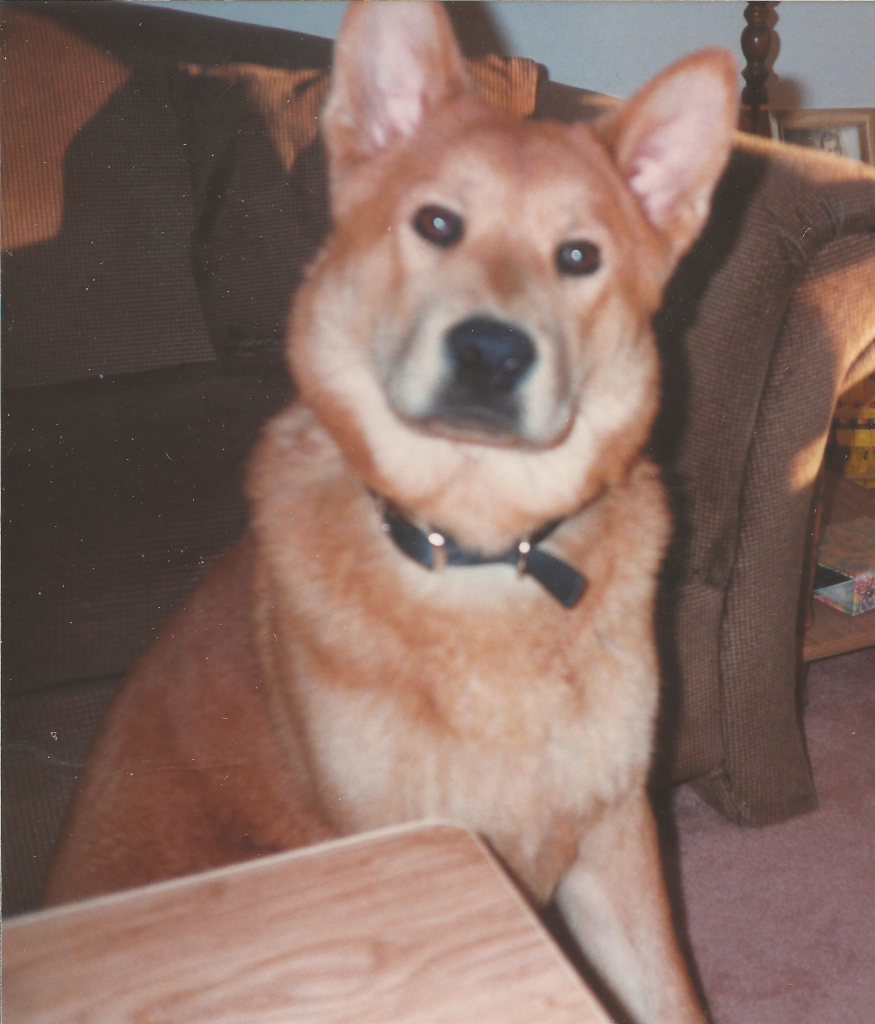 One of the biggest mistakes senior dog owners make is relying only on the number on the scale. Weight alone does not tell the full story. A dog can maintain the same weight while losing muscle and gaining fat. They can even gain weight while becoming physically weaker. This is why visual observation and hands-on assessment are so important.
Gently feeling your dog’s body can reveal a lot. Healthy muscle feels firm and springy. Fat feels softer and less structured. If your dog’s thighs or shoulders feel less solid than they once did, muscle loss may be occurring even if the scale says everything is stable.
This is also why tools like dog age calculators and tracking logs can be helpful. Understanding where your dog is in their senior journey can help set realistic expectations for physical changes.
Mobility, Not Appearance, Is the Real Goal
It is easy to focus on how an aging dog looks, but how they move matters far more. A dog who looks thinner but moves comfortably may be healthier than a dog who looks full but struggles to stand or walk. Our senior dogs taught us that quality of life is measured in small moments. Can they get up without struggling? Do they enjoy short walks? Can they shift positions comfortably while resting?
Muscle maintenance supports these moments. Weight management helps reduce strain on joints and organs. The goal is not a youthful appearance. The goal is comfort and dignity.
Supporting Muscle Without Overexertion
Maintaining muscle in an aging dog does not require intense exercise. In fact, pushing too hard can do more harm than good. Short, gentle walks are often more beneficial than long ones. Slow, controlled movement encourages muscle use without overwhelming tired joints. Even standing up and sitting down a few extra times a day can help maintain strength.
Some dogs enjoy light play well into their senior years. Others prefer sniffing walks or gentle exploration. The key is consistency, not intensity. For dogs like Sophie or Jack, simply maintaining a routine made a difference. Regular movement helped preserve strength and confidence, even as overall energy declined.
Nutrition Adjustments That Make Sense
 Senior dogs often benefit from diets that support muscle while avoiding excess calories. This does not mean drastically changing food overnight or chasing trends. Protein remains important for muscle maintenance, but portion size matters. Some senior dogs need slightly higher-quality protein in smaller amounts. Others do well with modest calorie reductions paired with gentle activity.
Treats deserve special attention. It is easy to forget how many calories come from small snacks throughout the day. Switching to lower-calorie treats or using part of a meal as treats can help without removing the joy of rewarding your dog. If your dog has medical conditions like kidney disease, diabetes, or thyroid issues, dietary choices become even more important. In those cases, working with a veterinarian is essential. Our role as experienced owners is to observe, adjust, and advocate, not to diagnose.
Emotional Guilt and the Aging Dog
Many owners struggle with guilt when their senior dog’s body changes. Guilt over weight gain. Guilt over muscle loss. Guilt over not doing enough. We have felt that guilt too. With every gray muzzle and slower step, it is easy to second-guess past choices. What helped us was reframing the situation. Aging is not a mistake. It is a privilege.
Dogs like Goldie and Buddy did not measure their worth by muscle tone or body shape. They cared about warmth, safety, familiar routines, and being near the people they loved. Responding to physical changes with compassion, rather than frustration, benefits both the dog and the owner.
When Changes Signal Something More
While muscle loss and weight gain are common in aging dogs, sudden or extreme changes should not be ignored. Rapid weight gain, dramatic muscle wasting, or noticeable weakness can sometimes indicate underlying health issues. Conditions like hypothyroidism, cancer, or unmanaged pain can accelerate physical decline. Trust your instincts. If something feels off, it is worth investigating.
Our experience with multiple senior pets taught us that early attention often leads to better outcomes, even when conditions cannot be cured. Comfort can almost always be improved.
Aging Is a Chapter, Not the End
Muscle loss and weight gain are part of the natural story of aging dogs. They are signs of change, not failure. With thoughtful adjustments, gentle movement, and realistic expectations, senior dogs can continue to enjoy meaningful, happy lives. At BellenPaws, our mantra has always been true. Senior pets still have love to give. They also still have lessons to teach us about patience, adaptation, and unconditional presence.
Watching a dog age is not easy, but it is deeply rewarding. Each slow walk, each careful step, and each quiet moment together is part of a bond that does not weaken with time. It deepens. By understanding the difference between muscle loss and weight gain, and responding with empathy rather than fear, we honor our dogs not for who they once were, but for who they are now.