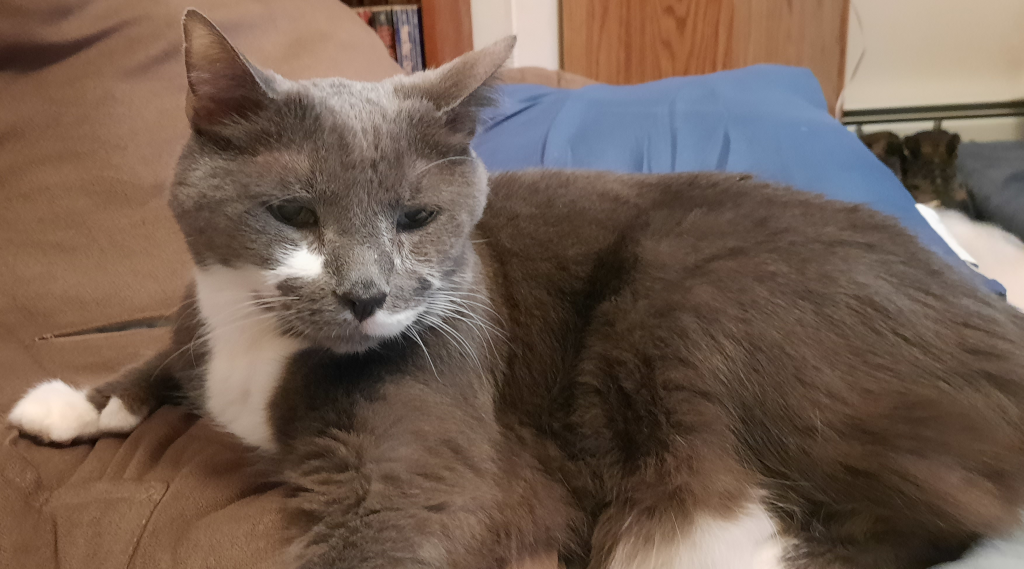

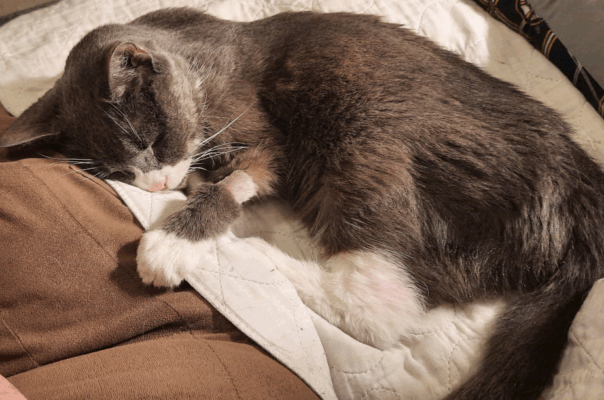
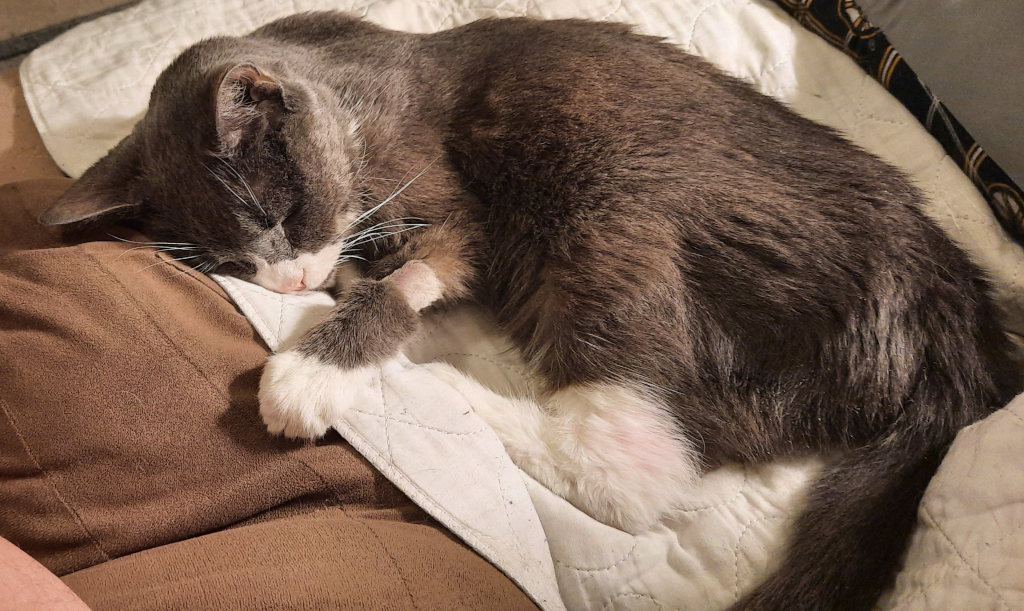
There is a quiet shift that happens when our pets move into their senior years. The zoomies slow down. Naps get longer. The stairs look taller than they used to. We start paying closer attention to every small change because we know that aging brings new challenges.
One of the most powerful tools we have during this stage of life is something that does not look dramatic at all. It is a simple blood test. Not because our pet looks sick. Not because something is obviously wrong. But because they look perfectly fine.
That is what “pre-symptomatic” testing means. It is testing before symptoms appear. And for senior pets, it may be one of the smartest investments we can make.
What Is Senior Bloodwork?
Senior bloodwork usually involves a small blood sample that is analyzed for several key markers. These markers give your veterinarian information about how your pet’s organs are functioning. It can include checks on the kidneys, liver, thyroid levels, blood sugar, red and white blood cell counts, and sometimes electrolytes.
Think of it as routine maintenance. We change the oil in a car before the engine fails. We check tire pressure before a blowout. Senior bloodwork works the same way. It looks under the hood while everything still seems to be running smoothly.
Many conditions in older pets do not show obvious signs in the beginning. By the time we notice weight loss, excessive thirst, appetite changes, or behavior shifts, the issue may have been quietly developing for months.
Why “Pre-Symptomatic” Testing Matters So Much
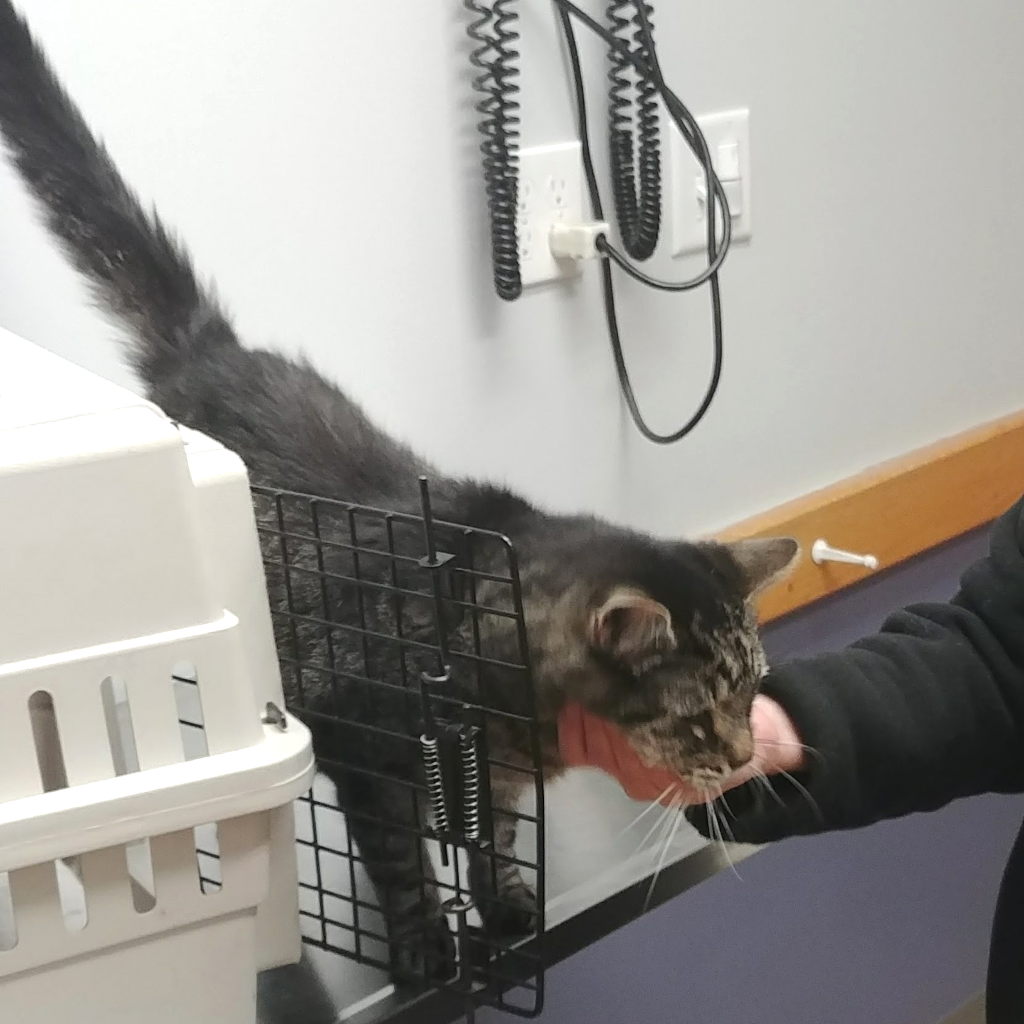 Senior pets are masters at hiding discomfort. Cats especially can appear normal while their bodies are working very hard to compensate for an internal problem. Dogs can be just as subtle.
Pre-symptomatic testing gives us a baseline. A baseline is simply a record of what is normal for your individual pet. When you have bloodwork done while your pet feels good and looks healthy, you create a reference point. If something changes later, your veterinarian can compare new results to the old ones.
Without that baseline, you are comparing your pet to a generic range. With it, you are comparing your pet to themselves. That difference can catch problems earlier than you might expect.
The Conditions We Often Catch Early
Over the years, we have seen firsthand how early testing can make a difference. Two of our cats, Zippy and Bentley, were diagnosed with diabetes. In both cases, subtle changes appeared before dramatic symptoms showed up. Increased thirst. Slight weight shifts. Small behavior changes. Bloodwork confirmed what was happening internally.
Diabetes is only one example. Senior blood panels often help detect:
- Kidney disease
- Liver stress
- Thyroid imbalances such as hyperthyroidism or hypothyroidism
- Early signs of infection or inflammation
- Blood sugar irregularities
- Anemia
Kidney disease, for example, is very common in older cats and dogs. It often progresses quietly. By the time drinking and urination become noticeably excessive, significant damage may already be present. When caught early, diet changes, hydration strategies, and monitoring can slow progression and improve quality of life.
Thyroid imbalances are another common issue. A senior cat with hyperthyroidism may seem energetic at first. Weight loss might even be mistaken for “just aging.” Bloodwork tells the real story and allows treatment before complications arise.
It Is Not Just About Diagnosing Illness
 One of the biggest misconceptions about bloodwork is that it is only useful when something is wrong. In reality, it is just as valuable when everything looks right. Normal results are powerful. They provide peace of mind. They allow you and your veterinarian to focus on lifestyle adjustments rather than emergency treatment.
For senior pets, small changes matter. If a kidney value is creeping upward but still technically within normal range, your veterinarian may suggest subtle diet adjustments or more frequent monitoring. That gentle course correction can delay major issues down the road. It is easier to steer a ship early than to change direction during a storm.
The Financial Side of Prevention
We understand that cost is part of every decision. Bloodwork is an investment. But it is often far less expensive than emergency hospitalization or advanced treatment for a late-stage condition. Prevention and early detection usually mean simpler treatment plans. Sometimes that means dietary adjustments. Sometimes it means medication started early at a lower dose. Sometimes it means simply monitoring more closely.
When conditions are caught late, options can be more limited and more expensive. Senior bloodwork shifts the odds in your favor. It also gives you time. Time to make thoughtful decisions. Time to prepare. Time to adjust care plans calmly instead of under pressure.
How Often Should Senior Pets Have Bloodwork?
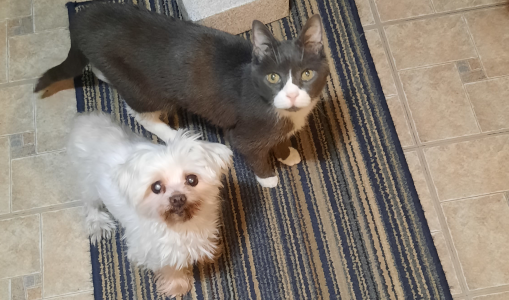 Most veterinarians recommend annual bloodwork for healthy adult pets. For seniors, that often increases to every six months. The reason is simple. Aging bodies can change more quickly. A lot can happen in six months for a senior pet. Regular testing keeps you from being surprised by a sudden shift that was actually gradual.
If your pet already has a condition such as diabetes, kidney disease, or thyroid imbalance, testing may be more frequent. Monitoring trends is just as important as spotting the initial problem. This is where organization becomes a gift to both you and your veterinarian.
Tracking Results at Home
One of the reasons we created tools on our website was because we know how overwhelming medical information can feel. When Zippy and Bentley were diagnosed with diabetes, tracking glucose readings became part of daily life. Having a place to log numbers, print charts, and see patterns helped us stay grounded. It turned something frightening into something manageable.
The same mindset applies to bloodwork. Keep copies of your pet’s results. Create a folder. Write down dates. Note any symptoms or behavior changes around that time. When you can see patterns over months or years, you become an active participant in your pet’s care. That partnership matters.
Our printable glucose curve forms and tracking sheets were designed with this in mind. Even if your pet is not diabetic, the principle of organized monitoring can apply to weight logs, appetite notes, or medication changes.
Watching the Subtle Signs
 Bloodwork is powerful, but it works best when paired with observation. As pet owners, we often notice the smallest details. Maybe your senior dog is sleeping in a different spot. Maybe your older cat is grooming less. Maybe appetite is slightly off. None of these changes alone mean disaster. But they are clues.
Pre-symptomatic testing shines when paired with attentive care. Everly, our youngest, passed away from an infection that escalated quickly. That experience reminded us that even young pets can face sudden health challenges. In seniors, the line between subtle and serious can be even thinner. That is why staying proactive feels so important.
Emotional Benefits of Being Proactive
There is another side to senior bloodwork that is rarely discussed. It gives you confidence. Caring for an aging pet can feel like walking on fragile ground. Every cough or skipped meal can trigger worry. Having recent, normal lab work offers reassurance. It allows you to respond thoughtfully rather than react fearfully.
And if something does show up, early detection often means better outcomes. That knowledge can reduce guilt and second-guessing later. You can say with confidence that you did everything you reasonably could. That peace of mind is not small.
Quality of Life Is the Real Goal
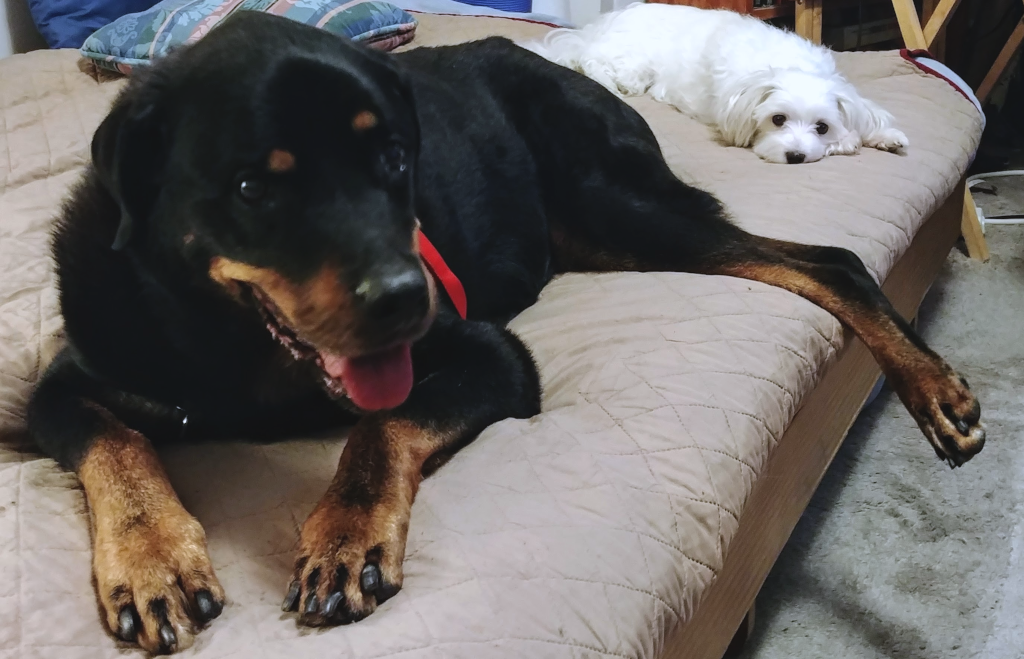 Senior care is not about chasing perfection. It is about supporting comfort, dignity, and joy. Bloodwork is not meant to turn your home into a hospital. It is meant to keep your pet feeling like themselves for as long as possible.
If a thyroid imbalance is corrected, your cat may regain healthy weight and settle into a calmer rhythm. If kidney issues are caught early, diet adjustments may maintain energy and appetite longer. If blood sugar irregularities are addressed quickly, diabetic pets can live full and happy lives.
We have seen senior dogs enjoy long, comfortable years after early intervention. We have seen diabetic cats stabilize and thrive with proper monitoring. None of those stories began with dramatic symptoms. They began with paying attention.
Making It Part of Your Routine
The easiest way to approach senior bloodwork is to build it into your pet’s annual or semiannual wellness visit. Schedule it in advance. Mark it on your calendar. Treat it as standard care, not an emergency measure. If cost is a concern, ask your veterinarian about wellness plans or payment options. Some clinics offer bundled senior packages. Planning ahead can spread expenses out and make testing more manageable.
The key is consistency. One blood panel is helpful. A series of panels over time is powerful.
A Loving Investment in the Years That Matter Most
Our pets do not measure time the way we do. They live in the present. They trust us to notice what they cannot explain. Senior bloodwork is one of the clearest ways we honor that trust. It says, “I am paying attention. I care about what is happening beneath the surface.”
We built BellenPaws.com around that mindset. From age calculators that help you understand how old your pet really is in human terms, to diabetes trackers that make daily care less overwhelming, everything centers on education and empowerment. We are not veterinarians. We are pet parents who have walked through hyperthyroidism, kidney disease, diabetes, cancer, vision loss, and the complicated emotions of saying goodbye. We have learned that preparation is not fear. It is love in action.
Pre-symptomatic testing may not feel exciting. It may not create dramatic stories. But it quietly protects the years that matter most. And for a senior pet who has given you a lifetime of loyalty, that is an investment worth making.