
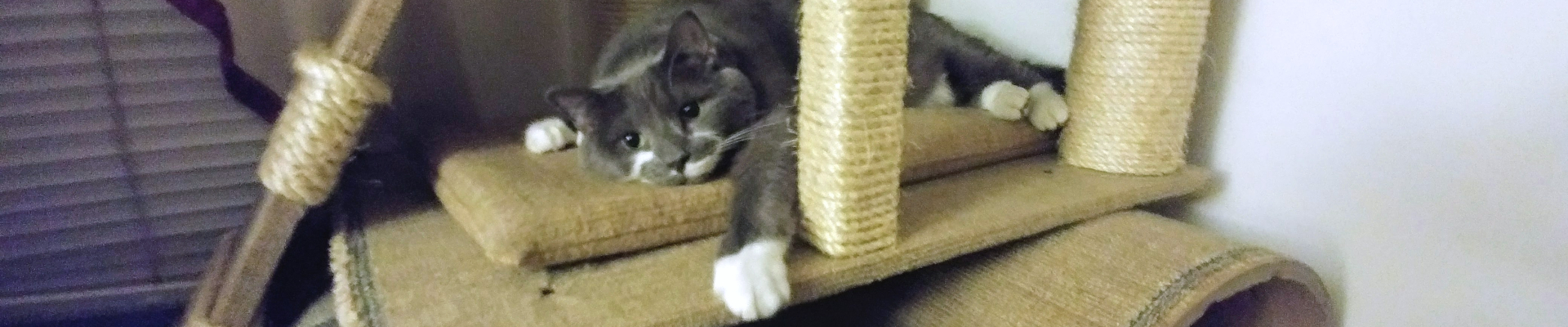
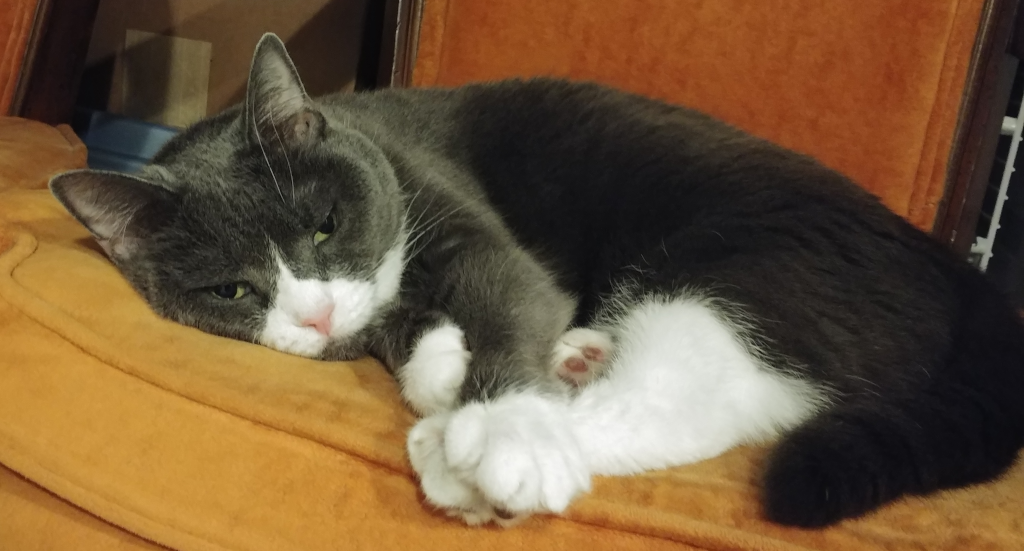
There’s a quiet moment that sneaks up on most pet owners. It’s not dramatic. There’s no sudden diagnosis, no emergency vet visit, no obvious turning point. It might be the day your cat hesitates before jumping onto a chair they’ve used for years. Or the morning your dog pauses halfway through a walk, not because they’re tired exactly, but because they’re thinking about it.
Senior pets don’t age all at once. They age in chapters.
At BellenPaws, we’ve lived through many of those chapters. We’re not veterinarians, and we’ve never claimed to be. What we are is experienced. We’ve shared our home with pets who grew old with us, pets who arrived as seniors, pets who developed chronic conditions like diabetes, kidney disease, thyroid issues, cancer, blindness, mobility loss, and everything in between. Some stayed with us for many years. Some left sooner than we were ready for.
What we learned, sometimes slowly, and sometimes the hard way, is that aging isn’t something to fear, but it is something to prepare for.
This article isn’t about predicting the end. It’s about recognizing milestones along the way, understanding what they often mean, and adjusting your home, your routines, and your expectations so your pet can continue to feel safe, loved, and comfortable as they age.
The First Milestone: Subtle Changes You Almost Miss
 For many pets, the first sign of aging doesn’t look like illness. It looks like preference. A cat that once leapt effortlessly onto countertops now chooses the couch instead. A dog that used to rush the door when the leash came out starts walking toward it more slowly. Meals might take longer to finish. Play sessions shorten. Naps get longer.
These changes are easy to dismiss. We tell ourselves they’re just having an “off day” or that they’re simply calmer now. Sometimes that’s true. But these moments are often the first signal that your pet’s body is changing, even if nothing is “wrong.”
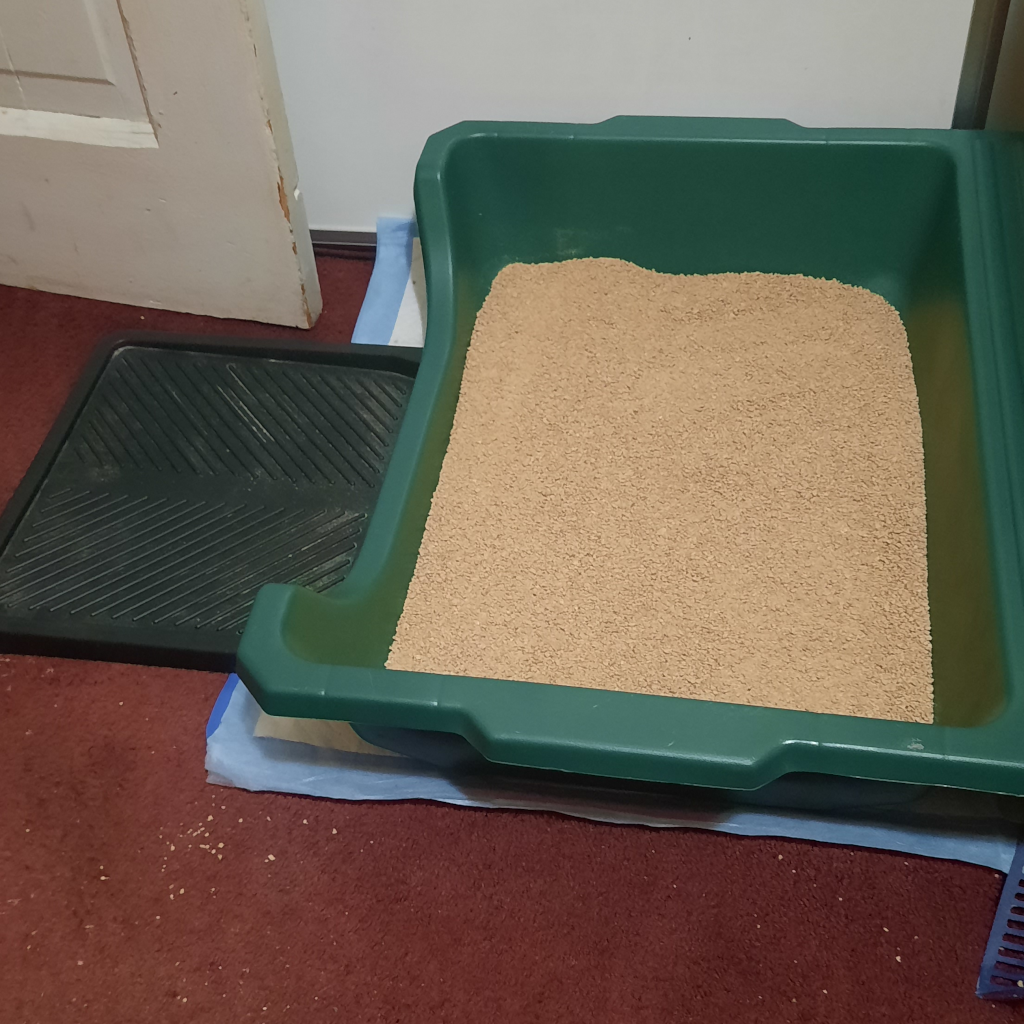
This is the stage where small adjustments make a big difference. Lower litter box sides. Adding a step or ramp to a favorite sleeping spot. Shorter, more frequent walks instead of one long one. Softer bedding in warm, quiet areas of the house. Nothing here requires a diagnosis. It just requires paying attention.
The Milestone of Routine Shifts
As pets age, routines become more important and more fragile. A senior pet thrives on predictability. Feeding times, medication schedules, bathroom breaks, insulin injections (for diabetic pets), and rest periods all start to matter more than they used to. When routines slip, senior pets often show it quickly through anxiety, appetite changes, or blood sugar fluctuations.
This is often the point where owners realize they need better tracking systems and not because they’re failing, but because life is busy.
That’s why tools like printable logs, glucose trackers, and simple daily charts matter so much. Writing things down removes guesswork. It gives you peace of mind and creates a clearer picture of what’s normal for your pet. And when something does change, you notice sooner.
Appetite Changes: When “Picky” Means Something Else
Almost every senior pet goes through an appetite shift at some point. Sometimes they eat less. Sometimes they want smaller meals more often. Sometimes they suddenly dislike foods they loved for years. This doesn’t always mean illness but it does mean their needs are changing.
For senior cats and dogs, smell and taste can dull slightly with age. Dental discomfort can make crunchy foods harder to manage. Digestive systems may not tolerate the same ingredients anymore. This milestone can be frustrating for owners. We worry they aren’t getting enough nutrition, or we feel guilty trying different foods.
What helps most here is patience and observation, not panic. If your pet is still interested in food, still engaged, still maintaining weight reasonably well, small adjustments are often enough. Warming food slightly, adding moisture, or switching textures can make meals appealing again. And for diabetic pets, consistency matters even more. Any food changes should be gradual and tracked carefully so blood sugar patterns remain as stable as possible.
Mobility Changes: When the Body Slows Before the Spirit Does
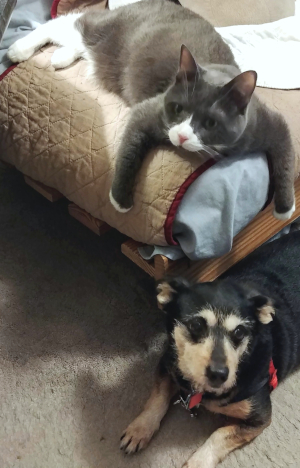 One of the hardest milestones to accept is when a pet’s mind is willing, but their body isn’t cooperating. They still want to follow you from room to room. They still wag their tail or purr loudly. But stairs become an obstacle. Slippery floors become intimidating. Getting up from a nap takes longer than it used to.
This stage often brings guilt for owners. We remember how active they once were and worry that we’re not doing enough. The truth is, this milestone isn’t about limitation. It’s about support. Area rugs for traction. Orthopedic beds. Elevated food bowls. Carrying them when needed without making them feel helpless. Letting walks be about sniffing instead of distance.
Senior pets don’t need to do less. They need to do things differently.
Vision and Hearing Changes: Learning New Ways to Communicate
Many senior pets experience changes in vision or hearing, sometimes so gradually that owners don’t notice right away. A cat may bump into furniture that’s been in the same place for years. A dog might stop responding to verbal cues but still reacts to hand motions or vibrations on the floor.
This milestone can feel scary, but pets are incredibly adaptable. What they need most is consistency. Keeping furniture layouts the same. Using night lights in dark hallways. Speaking before touching them so they aren’t startled. Using scent and texture to help them navigate their environment. Blind or hard-of-hearing pets can still live full, happy lives. They just rely on trust more than ever and that trust is built through patience and predictability.
Chronic Conditions Become Part of Daily Life
 For many senior pet owners, there comes a point when care moves from “monitoring” to “managing.” This is often when conditions like diabetes, kidney disease, thyroid issues, or arthritis become part of everyday routines rather than occasional concerns. It can feel overwhelming at first. Injections. Medications. Testing. Adjusting schedules.
But over time, most owners find a rhythm. Diabetic pets, in particular, teach us the value of structure. Testing glucose, logging numbers, watching trends instead of individual readings, all of this becomes second nature. Tools that allow you to chart, print, and review data can turn fear into confidence.
The biggest lesson here is that chronic doesn’t mean hopeless. Many pets live comfortably for years with conditions that once sounded terrifying on paper.
Emotional Changes: When Pets Need Reassurance More Than Ever
Senior pets often become more emotionally sensitive. They may seek more closeness. Or they may want quiet solitude. Some develop mild anxiety or confusion, especially at night. Others become more vocal or clingy. This milestone is easy to misinterpret as “behavioral problems,” but it’s often just a request for reassurance.
Extra cuddles. Calm voices. Familiar routines. Gentle touch. Sitting with them while they rest instead of assuming they want to be alone. At this stage, love isn’t just affection. It’s presence.
The Milestone No One Wants to Name
Eventually, every senior pet owner reaches a point where they think about quality of life more than longevity.
This doesn’t mean giving up. It means asking honest questions.
- Are they comfortable?
- Are they still enjoying the things that matter to them?
- Are we managing pain, stress, and fear as best we can?
This milestone looks different for every pet and every family. There is no universal timeline. There is no single “right” answer.
What matters most is that decisions are made with compassion, not guilt. With love, not fear. With respect for the life your pet has lived and the bond you’ve shared.
Why Preparation Is an Act of Love
 Preparing for senior pet milestones doesn’t mean expecting the worst. It means honoring the years you’ve been given. It means recognizing that aging is not a failure of care. It’s the result of time spent together. Every gray whisker, every slower step, every quiet nap in the sun is proof that your pet made it far enough to grow old.
At BellenPaws, that belief is at the heart of everything we do. The tools, the articles, the stories, the diabetic tracker, and the forms all exist to make this stage of life less frightening and more manageable for the people who love senior pets deeply. Senior pets still have love to give. And with preparation, patience, and compassion, they can continue to feel safe and cherished every step of the way.