


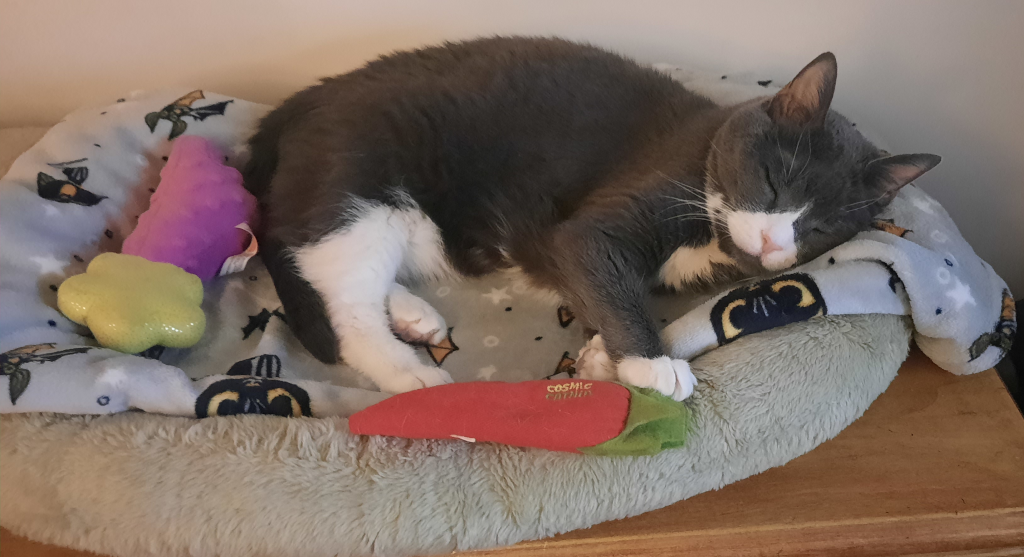
When a pet begins to slow down, it rarely happens all at once. You might first notice hesitation before jumping onto the couch. Then there is a longer pause before getting up from a nap. Eventually, you may hear a soft groan when they lie down or stand up. For many senior dogs and cats, arthritis quietly becomes part of daily life.
At BellenPaws, we have lived through those changes more times than we can count. Some of our seniors dealt with stiff hips. Others struggled with spinal pain or weakness in their back legs. A comfortable bed was never just a luxury. It was part of their care plan, just like medication, weight management, and regular checkups.
Choosing the right bed for an arthritic pet can feel overwhelming. Orthopedic, heated, memory foam. The labels sound impressive, but what do they really mean for your aging companion? Let’s break it down in simple terms so you can make a thoughtful decision for your senior pet.
Why Bedding Matters So Much for Arthritic Pets
 Arthritis is inflammation in the joints. Over time, the protective cartilage that cushions the joints wears down. Bones may rub together, and movement becomes uncomfortable. This condition is extremely common in senior pets, especially larger dogs and older cats.
When joints hurt, hard surfaces become the enemy. Tile floors, hardwood, and thin mats offer very little cushioning. Even standard pet beds can flatten over time and stop providing support.
A good bed does three important things for an arthritic pet:
- It cushions pressure points such as hips, elbows, and shoulders.
- It supports the spine and keeps the body aligned.
- It helps retain warmth, which relaxes stiff joints.
Think of it this way. If you had sore knees and hips, would you choose to sleep on a thin camping mat or a supportive mattress? Our pets deserve that same level of comfort.
Orthopedic Beds: Support Comes First
Orthopedic beds are designed to provide extra support for joints and bones. They are usually thicker than standard pet beds and often made with high density foam.
The main goal of an orthopedic bed is even weight distribution. Instead of pressure building up in one spot, such as the hip, the bed spreads the pet’s weight across the entire surface. This reduces strain on sore joints.
Pros of Orthopedic Beds
Orthopedic beds are typically firm yet cushioned. They prevent the pet from sinking too deeply, which can make it hard to stand up. Many models have bolstered edges, which give pets something to lean against and can provide a sense of security.
They are a strong choice for medium to large dogs with arthritis. They are also helpful for senior cats who prefer stretching out rather than curling tightly.
Cons of Orthopedic Beds
Not all orthopedic beds are created equal. Some use low quality foam that compresses quickly. If the bed flattens within a few months, it is no longer doing its job.
They can also be heavier and more expensive than basic beds. However, in our experience, investing in quality usually pays off in durability and comfort.
Memory Foam Beds: Contouring Comfort
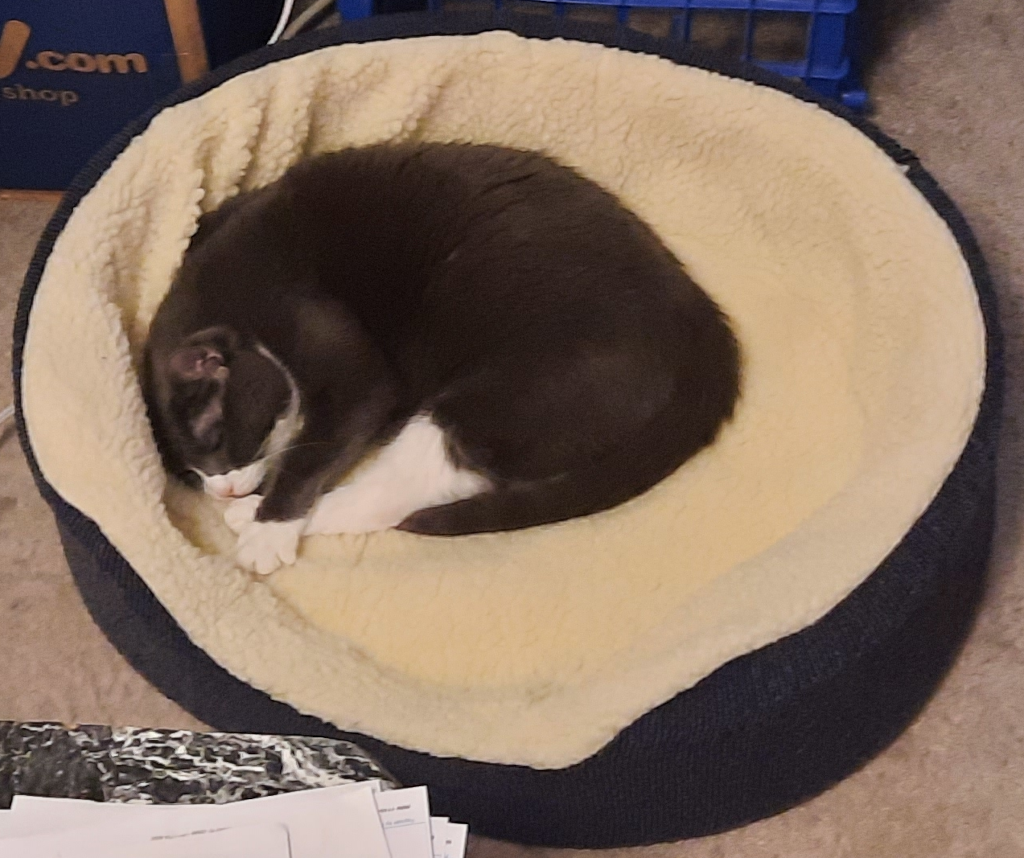 Memory foam is a specific type of foam that responds to body heat and weight. It softens where the pet lies and forms around their body. This creates a custom fit feeling.
Many orthopedic beds actually use memory foam as their core material. However, not every memory foam bed is labeled orthopedic, so it helps to read product descriptions carefully.
Pros of Memory Foam
Memory foam reduces pressure points by molding to the pet’s shape. For pets with advanced arthritis or muscle loss, this contouring effect can be especially comforting.
It can also help pets who have trouble finding a comfortable position. Once they settle in, the foam adapts to their body rather than forcing their body to adapt to the bed.
Cons of Memory Foam
Memory foam tends to retain heat. While this can be soothing in colder months, it may be uncomfortable in warmer climates. Some pets that overheat easily may prefer a more breathable option.
Lower quality memory foam can also break down over time. If you press your hand into the foam and it does not slowly return to its original shape, it may not provide long term support.
Heated Beds: Gentle Warmth for Stiff Joints
Warmth increases blood flow and helps relax tight muscles. For arthritic pets, gentle heat can be incredibly soothing. Heated beds either plug into the wall with a low wattage heating element or use self warming materials that reflect the pet’s own body heat.
We have seen seniors gravitate toward warmth instinctively. One of our older cats used to stretch out in the exact spot where sunlight hit the floor each afternoon. Heat made a noticeable difference in comfort.
Pros of Heated Beds
Heated beds can reduce stiffness, especially in colder weather. They are often lightweight and ideal for small dogs and cats. For pets with severe arthritis, combining warmth with cushioning can make getting up less painful.
Self warming beds are convenient because they do not require electricity. They are also safer for pets who chew on cords.
Cons of Heated Beds
Electric heated beds must be used carefully. Always look for models with chew resistant cords and automatic shut off features. These beds are not ideal for pets that are prone to accidents unless they have a waterproof cover.
Heated beds also do not always provide the structural support that orthopedic or memory foam beds do. Warmth alone cannot replace proper cushioning.
So Which Bed Is Best?
 The honest answer is that it depends on your pet’s specific needs. If your senior dog is large and struggles to stand, a thick orthopedic bed with high density or memory foam is often the best foundation. If your older cat curls tightly and seeks out warm spots, a self warming bed placed on top of a supportive cushion might be perfect.
For many pets, a combination works best. A memory foam base with a removable heated pad during winter can offer both support and warmth. It also helps to consider your pet’s daily habits. Do they stretch out or curl up? Do they overheat easily? Are they incontinent, which would require waterproof layers? These practical questions matter just as much as the material type.
Placement and Accessibility Matter Too
Even the best bed will not help if your pet struggles to reach it. Place beds in areas where your pet already spends time. Avoid high traffic spots that may cause them to feel startled when resting.
If your dog has difficulty climbing stairs, consider multiple beds on different floors of your home. For cats that once loved high perches but now struggle to jump, a supportive bed at ground level can prevent risky leaps.
At BellenPaws, we have learned that sometimes the simplest adjustments make the biggest difference. A bed near your favorite chair can offer comfort and companionship at the same time.
Arthritis and Other Senior Health Concerns
 Many senior pets with arthritis also deal with other conditions. We have cared for pets with diabetes, thyroid disorders, kidney disease, and vision loss. Each condition adds another layer to daily care.
For example, diabetic pets may urinate more frequently. Choosing a bed with a washable and waterproof cover becomes especially important. If your pet has muscle loss due to age or illness, extra cushioning becomes even more critical.
Our diabetes tracker and printable glucose forms were created because we understand how detailed daily care can become. A comfortable bed may not replace medication or monitoring, but it supports overall quality of life.
When to Replace a Bed
Pet beds do not last forever. If you notice the foam is permanently flattened or you can feel the floor through the padding, it is time for a replacement.
A good rule of thumb is to check the bed every few months. Press down firmly in the center. If the foam does not rebound well, support is likely compromised.
Our seniors have taught us that comfort is not a one time decision. It is an ongoing commitment.
A Gentle Reminder About Weight and Movement
While this article focuses on beds, it is important to remember that weight management plays a major role in arthritis care. Extra weight puts additional strain on already inflamed joints.
Light, consistent movement is also helpful. Short walks, gentle play, and physical therapy exercises recommended by your veterinarian can maintain muscle strength. A supportive bed complements these efforts. It gives your pet a safe place to recover after activity.
If you are unsure how old your pet is in human years, our cat and dog age calculator can offer perspective. Many owners are surprised to learn just how senior their companion truly is. That understanding often inspires meaningful changes in daily care.
Final Thoughts: Comfort Is a Form of Love
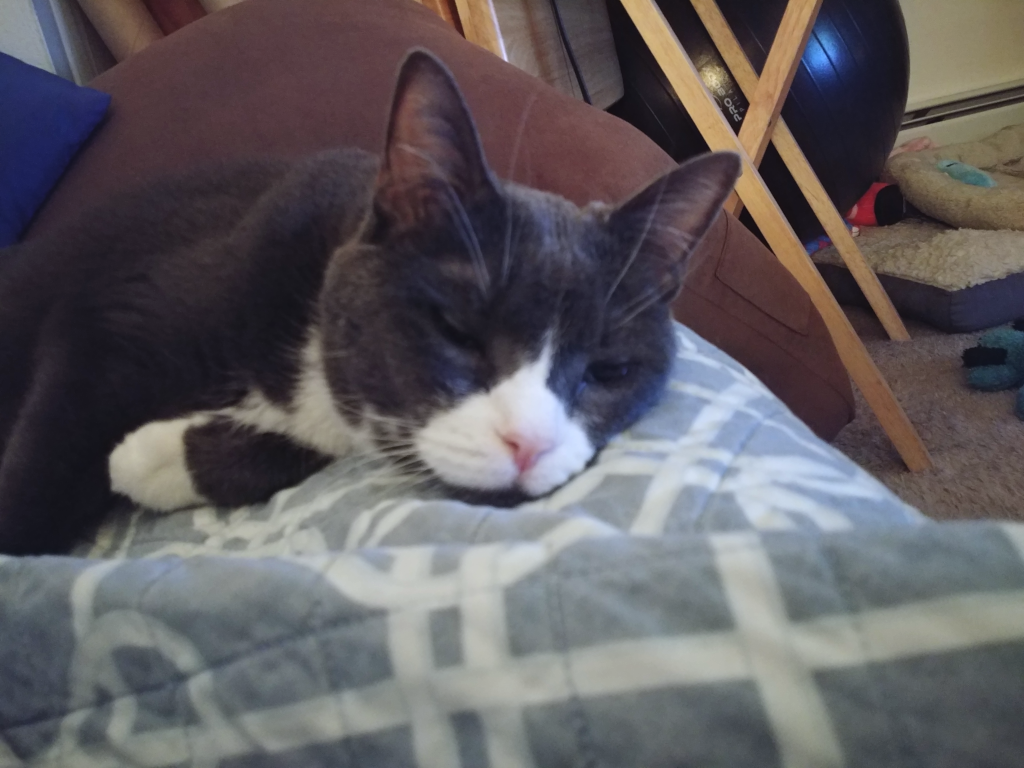 When pets reach their senior years, they give us a gift. They slow down enough for us to notice every small detail about them. The way they sigh before sleep. The way they carefully lower themselves onto a cushion. The way they look at us with complete trust.
Choosing the right bed is not about buying the most expensive option. It is about paying attention. It is about noticing what makes your pet relax, stretch out, and rest more peacefully.
We have said goodbye to many beloved companions over the years. Some battled diabetes. Others faced cancer or kidney disease. Arthritis was a common thread among many of them. Through it all, providing comfort was something we could control.
A supportive orthopedic bed. A contouring memory foam cushion. A gently heated surface on a cold night. These small decisions can transform daily life for an arthritic pet.
At BellenPaws, our goal has always been to share what experience has taught us. Senior pets deserve comfort, dignity, and thoughtful care. Sometimes that begins with something as simple as the right place to rest their weary bones.