
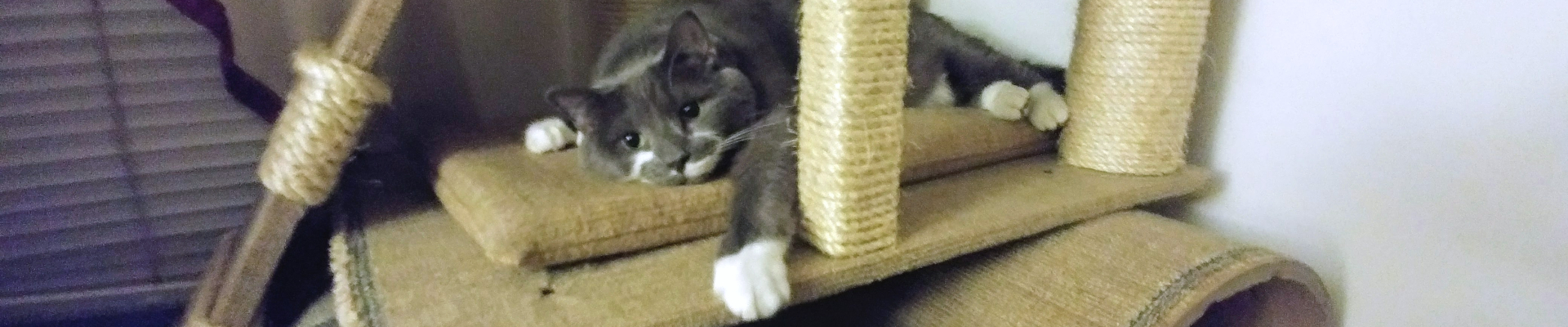

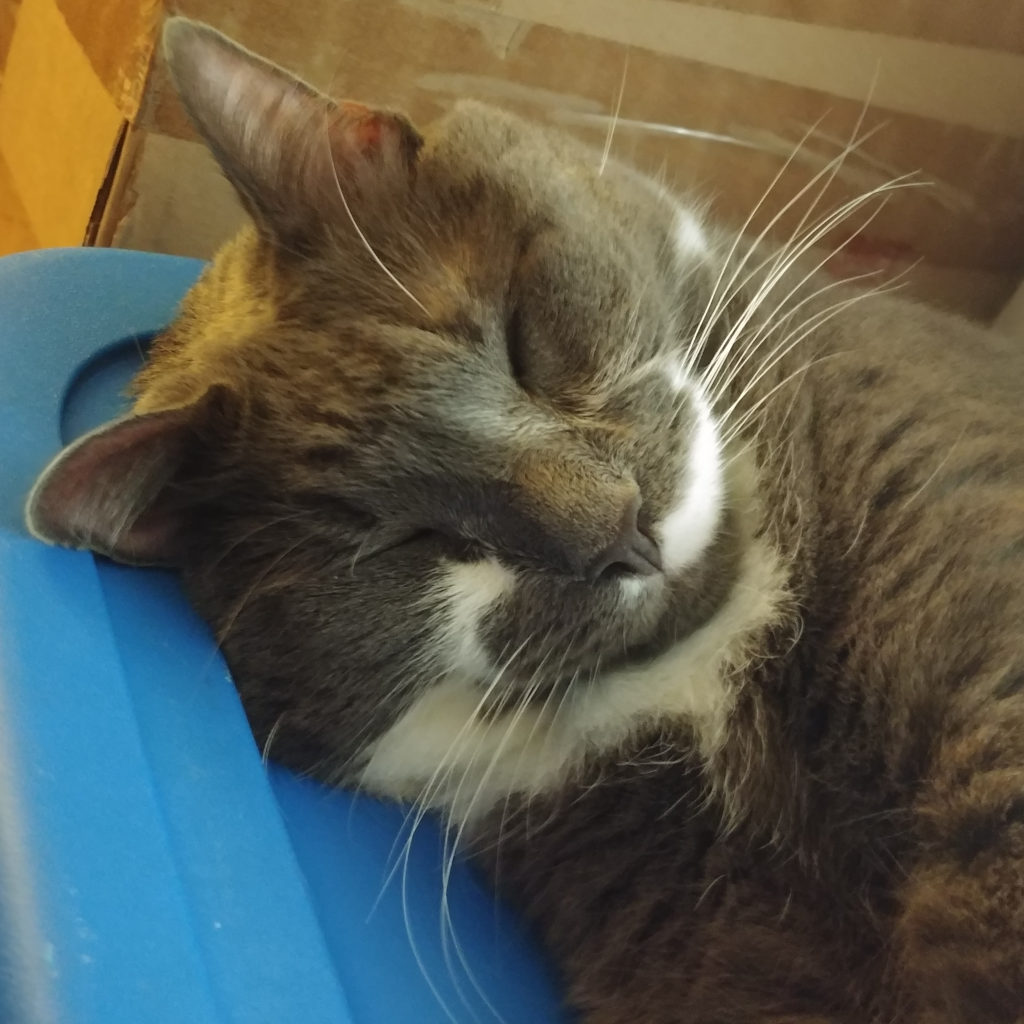
Adopting a pet is often described as a life changing decision, but adopting a senior pet carries a depth of emotional reward that surprises many first time adopters. Older cats and dogs arrive with quieter personalities, established habits, and a lifetime of stories written into their eyes. While puppies and kittens often draw immediate attention, senior pets offer something different and deeply meaningful: companionship rooted in patience, gratitude, and mutual understanding.
For many adopters, bringing home a senior animal is not just an act of kindness. It becomes a powerful emotional exchange that enriches daily life, reshapes perspectives on aging, and creates bonds that feel both gentle and profound. This article explores the emotional rewards of adopting senior pets and why these experiences often leave lasting impressions on the humans lucky enough to share their lives.
Understanding What Makes a Pet “Senior”
The definition of a senior pet varies by species and size. Cats are often considered seniors around seven to ten years of age. Dogs may enter their senior years earlier or later depending on breed and body size, with larger breeds aging faster than smaller ones. Regardless of the number, senior pets are typically past the energetic, exploratory phase of youth and have settled into calmer rhythms.
This stage of life does not mean a pet is fragile or inactive. Many seniors remain playful, affectionate, and curious. What sets them apart is emotional maturity. Senior pets often know how to communicate their needs clearly, respond calmly to routines, and form strong attachments once trust is established.
The Quiet Joy of Being Chosen
One of the most powerful emotional rewards of adopting a senior pet is the feeling of being chosen. Older animals in shelters are acutely aware of change. They have experienced transitions, losses, and uncertainty. When a senior pet begins to relax in a new home, seeks out affection, or chooses to sleep nearby, the bond feels intentional and earned.
This sense of mutual choice creates a unique emotional connection. Unlike young animals who attach quickly and broadly, senior pets often build trust slowly. Each step forward becomes meaningful. A first purr, a wagging tail after days of reserve, or a relaxed posture on the couch signals acceptance. These moments resonate deeply with adopters and foster a sense of shared understanding.
Gratitude That Feels Tangible
Many people who adopt senior pets describe an overwhelming sense of gratitude coming from their animal. While pets may not experience gratitude in the human sense, their behavior often reflects relief and appreciation. Seniors who move from stressful shelter environments into stable homes frequently show noticeable changes in demeanor.
They may follow their adopter from room to room, lean into gentle touch, or greet their person with quiet enthusiasm. These behaviors create emotional feedback loops. The adopter feels needed, valued, and deeply connected. The pet feels safe, comfortable, and secure. This mutual reinforcement strengthens emotional well being on both sides.
Companionship Without Chaos
 Another emotional benefit of adopting senior pets is the nature of the companionship itself. Senior animals are typically past destructive behaviors associated with youth. They are more likely to enjoy calm routines, shared quiet moments, and predictable schedules.
For individuals seeking emotional grounding, this can be profoundly comforting. Sitting with a senior cat who curls beside you during a book or walking a senior dog who enjoys a steady pace can be meditative. These moments reduce stress, encourage mindfulness, and promote emotional balance.
For people navigating life transitions such as retirement, loss, or lifestyle changes, senior pets often mirror their desire for steadiness and connection rather than constant stimulation.
Healing Through Caregiving
Caring for a senior pet can awaken nurturing instincts that bring emotional healing. Many adopters find that providing comfort, support, and routine to an aging animal gives purpose and structure to their own lives. Simple acts like preparing meals, administering medication, or adjusting the home environment foster a sense of responsibility paired with affection.
This caregiving relationship often deepens emotional resilience. Adopters learn patience, empathy, and presence. They become more attuned to subtle cues and changes. This awareness can translate into greater emotional intelligence in human relationships as well.
For some, especially those who have experienced caregiving roles in the past, supporting a senior pet can offer closure, reaffirm compassion, or rekindle a sense of meaning.
Reframing Aging and Mortality
One of the most profound emotional rewards of adopting a senior pet is how it reshapes perceptions of aging and mortality. Society often equates aging with decline, yet senior pets demonstrate adaptability, wisdom, and enduring joy. Watching an older animal savor sunbeams, enjoy familiar rituals, or respond to affection challenges assumptions about the value of later life stages.
Sharing time with a senior pet encourages presence. Adopters become more aware of moments rather than milestones. This perspective can bring emotional clarity and reduce anxiety around time and change.
While the reality of shorter remaining years exists, many adopters find that the depth of connection outweighs the length of time. The bond formed feels concentrated and intentional rather than rushed.
Emotional Growth Through Acceptance
Adopting a senior pet requires emotional honesty. There may be health considerations, mobility limitations, or special needs. Accepting these realities fosters emotional maturity. Adopters learn to appreciate what is rather than focusing on what might be missing.
This acceptance often spills into other areas of life. People report increased patience, reduced perfectionism, and a greater capacity for compassion. Living with a senior pet becomes a daily reminder that worth is not tied to productivity or youth, but to presence and connection.
Strengthening Human Relationships
The emotional rewards of senior pet adoption often extend beyond the adopter and animal relationship. Senior pets frequently become bridges between people. Friends, family members, and neighbors may engage more gently and attentively with an older animal.
Conversations around the pet often deepen. Stories are shared. Reflections emerge. In some cases, senior pets help individuals reconnect with empathy in ways that improve human relationships. They offer common ground for connection, especially among people who might otherwise struggle to communicate emotionally.
The Legacy of Love
Perhaps the most enduring emotional reward of adopting a senior pet is the legacy left behind. While time together may be shorter, the impact is often profound. Adopters frequently describe senior pets as some of the most meaningful companions they have ever known.
These animals leave lasting imprints. Memories of quiet evenings, shared routines, and mutual trust continue to offer comfort long after the pet has passed. Many adopters find that the experience reshapes how they approach future relationships, fostering deeper appreciation and intentionality.
Dispelling Common Emotional Fears
 Some people hesitate to adopt senior pets due to fear of grief or anticipated loss. While these concerns are understandable, many adopters report that the emotional fulfillment outweighs the pain of eventual goodbye. The love experienced is not diminished by its duration.
In fact, knowing that a senior pet is spending their remaining years in comfort and care often brings peace. The emotional reward lies in making a meaningful difference, offering dignity, and receiving genuine companionship in return.
Conclusion
The emotional reward of adopting senior pets is layered, subtle, and deeply transformative. These animals offer companionship shaped by experience, gratitude, and presence. They invite adopters into relationships built on trust, patience, and mutual care.
Choosing a senior pet is not about saving an animal, though that is part of the story. It is about opening space for connection that feels honest and profound. For those who welcome senior pets into their homes, the emotional returns often exceed expectations, leaving hearts fuller, perspectives broader, and lives enriched by a love that lingers long after the final goodbye.