
When most of us think about pain in pets, we picture something obvious. A loud yelp. A limp. A dramatic refusal to move. We expect pain to announce itself clearly and urgently. But senior pets rarely read that script.
As animals age, they often become masters at hiding discomfort. It is an instinct that comes from their wild ancestry. Showing weakness could make them vulnerable. Even in the safety of our homes, that instinct lingers. The result is that many older dogs and cats live with quiet discomfort that can easily be mistaken for “just getting old.”
At BellenPaws, we have learned this lesson the hard way more than once. We have lived with seniors who had thyroid issues, kidney disease, diabetes, arthritis, blindness, and cancer. We have also lived with seniors who seemed fine until we looked closer. Pain is not always loud. Sometimes it whispers.
Understanding those whispers can change your pet’s quality of life.
Why Senior Pets Hide Pain
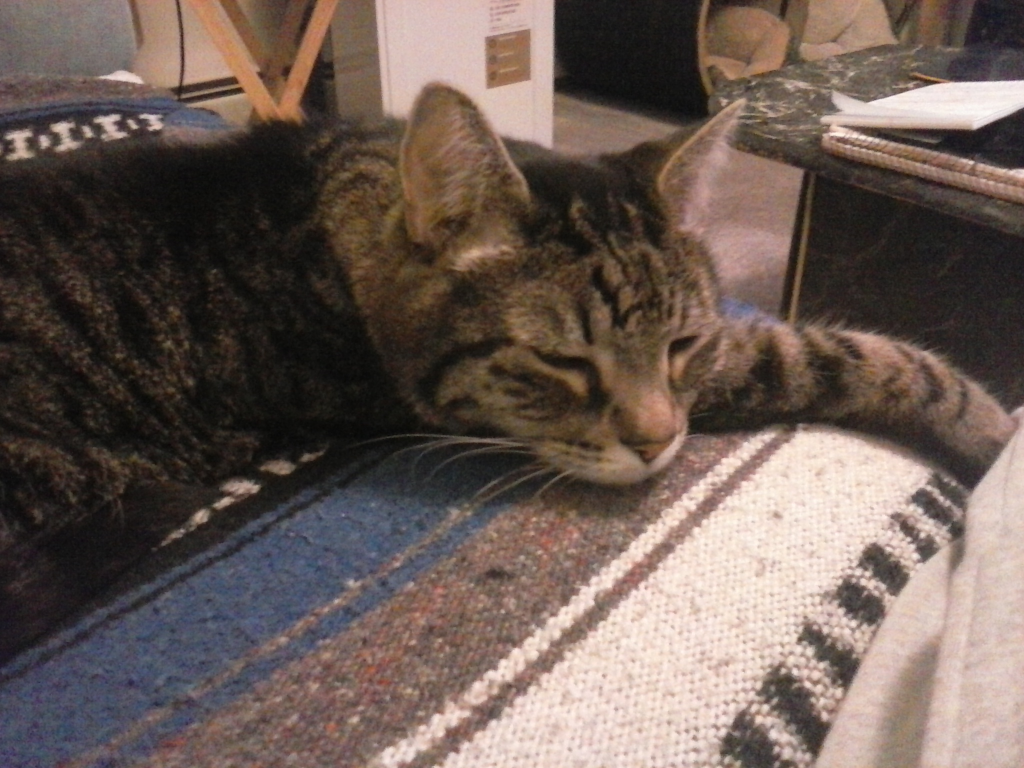 Senior pets adapt slowly to discomfort. They adjust their routines to avoid movements that hurt. They may stop jumping, stop climbing stairs, or stop chasing toys. Because these changes happen gradually, we often accept them as normal aging.
A cat who once leapt to the top of a tall cat tree may now prefer a lower perch. A dog who used to greet you at the door may remain on their bed until you come to them. These changes can look like laziness or slowing down. In many cases, they are signs of joint pain, stiffness, or internal discomfort.
Cats are especially subtle. Unlike dogs, they are less likely to vocalize when something hurts. A senior cat with arthritis may simply avoid the litter box if the sides are too high. That can look like a behavior problem when it is actually a pain problem.
Dogs can be quiet about pain too. Some will wag their tails through discomfort. Some will still eat and go outside, even with significant joint or dental pain. Appetite alone is not proof of comfort.
Subtle Behavioral Changes to Watch For
The “invisible” signs of pain often show up as changes in normal behavior. You know your pet better than anyone else. When something feels off, trust that instinct.
Here are common but easy-to-miss clues:
1. Changes in Sleep Patterns
Senior pets do sleep more. That is normal. But excessive sleeping, difficulty getting comfortable, or frequent repositioning can signal discomfort. If your pet circles several times before lying down, groans softly when settling, or wakes up often during the night, pain may be part of the picture.
2. Grooming Differences
Cats in pain often stop grooming certain areas. You may notice a dull coat or small mats forming on the lower back. That area is commonly affected by arthritis, and twisting to groom can hurt. On the other hand, some pets over groom a painful area. A dog with hip pain may lick the hips constantly. A cat with abdominal discomfort may lick their belly excessively.
3. Changes in Social Behavior
A once affectionate cat who now avoids being picked up may not have become grumpy. Being lifted could be painful. A dog who withdraws from family activities may not be depressed. They may be trying to avoid movements that hurt. Some pets become clingier when they are uncomfortable. Others seek isolation. Either extreme can be a sign.
4. Appetite and Drinking Shifts
A decrease in appetite can indicate dental pain, nausea, or internal disease. Chewing dry food may become difficult if teeth are sore. Increased thirst can signal conditions such as kidney disease or diabetes. We learned this during our journey with diabetic cats. Subtle changes in drinking habits were early clues that something was wrong. Tracking water intake and appetite can help you catch problems sooner. If your pet has diabetes, using a glucose tracker to log readings can reveal patterns that behavior alone cannot. Numbers often tell a story before symptoms become obvious.
5. Litter Box and Bathroom Changes
A cat urinating outside the box might be experiencing pain when climbing in or squatting. A dog having accidents indoors may be struggling with mobility or bladder discomfort. Never assume these changes are simply aging. Pain and medical issues are often involved.
Physical Clues That Are Easy to Miss
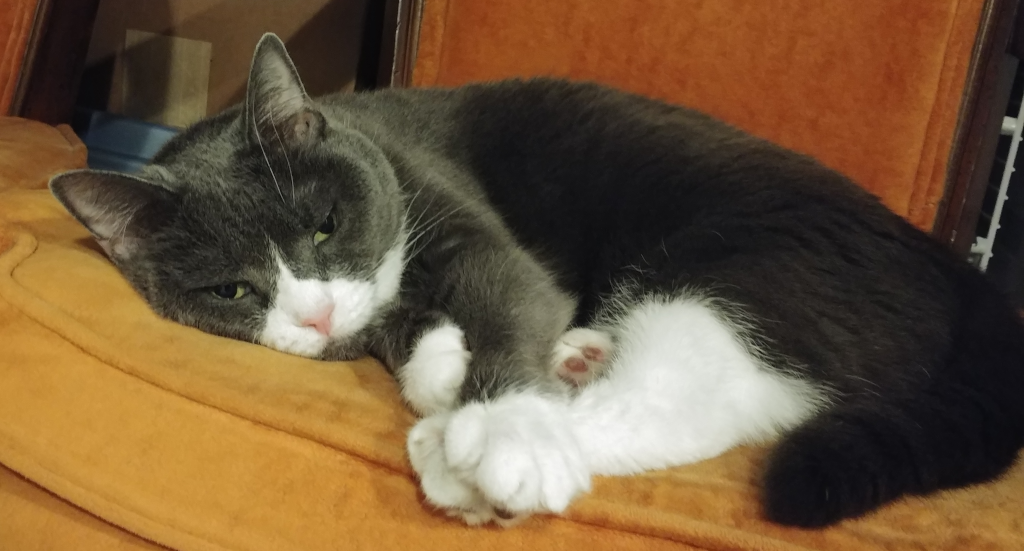 Behavior changes are important, but there are also subtle physical signs. Look for stiffness after resting. A senior dog who limps briefly after getting up but then “walks it off” is not necessarily fine. That pattern is common in arthritis. Pay attention to posture. A hunched back, a tucked abdomen, or a lowered head can signal discomfort. In cats, flattened ears or narrowed eyes can indicate pain.
Weight loss without a diet change is another red flag. Chronic pain and illness can reduce appetite over time. On the flip side, obesity can make pain worse, especially joint pain. Helping senior pets maintain a healthy weight is one of the most powerful ways to reduce discomfort.
We have cared for seniors on both ends of that spectrum. Extra weight adds stress to aging joints. Even small, gradual weight loss under veterinary guidance can improve mobility and energy.
Pain and Chronic Conditions
Senior pets are more likely to develop chronic illnesses that cause ongoing discomfort. Arthritis is common, but it is far from the only issue. Hyperthyroidism in cats can cause restlessness and muscle weakness. Hypothyroidism in dogs can lead to lethargy and weight gain. Kidney disease can cause nausea and overall malaise. Cancer can cause internal pain that is not visible from the outside.
Diabetes deserves special mention because its symptoms can look subtle at first. Increased thirst, weight changes, and fatigue can creep in slowly. Monitoring blood glucose at home and keeping organized records can make a major difference in managing comfort and stability.
For those caring for diabetic pets, printed glucose curves and daily tracking sheets can help you see trends over time. A stable routine often equals a more comfortable pet.
The Emotional Side of Pain
 Pain does not only affect the body. It affects mood, patience, and personality. A senior pet in discomfort may seem anxious. They may startle more easily. They may snap when touched in a painful spot. That reaction is often fear-based, not aggression.
We have seen gentle pets react defensively when arthritis flared up or when a medical condition worsened. Once pain was addressed, their sweet personalities returned. This is an important reminder. Behavior problems in seniors often have a medical root.
When to Seek Help
If you notice changes that persist for more than a few days, or if your pet seems distressed, contact your veterinarian. Early intervention can prevent months of silent suffering. Bring notes with you. Write down what you have observed. Record changes in appetite, drinking, bathroom habits, sleep, and mobility. If your pet has diabetes or another chronic condition, bring your tracking logs.
Clear information helps your veterinarian see the full picture. Do not worry about “overreacting.” It is always better to investigate early than to wait until pain becomes severe.
Simple Ways to Support a Senior Pet in Pain
 Medical treatment is essential when needed, but small home adjustments can also make a big difference. Provide soft, supportive bedding in easy-to-access areas. Add ramps or pet steps for couches and beds. Use low-sided litter boxes for arthritic cats. Keep food and water bowls within easy reach.
Keep nails trimmed. Long nails can change how a dog stands and increase joint strain. Gentle, regular movement can help stiff joints. Short, slow walks for dogs or low-impact play for cats can maintain mobility without overexertion.
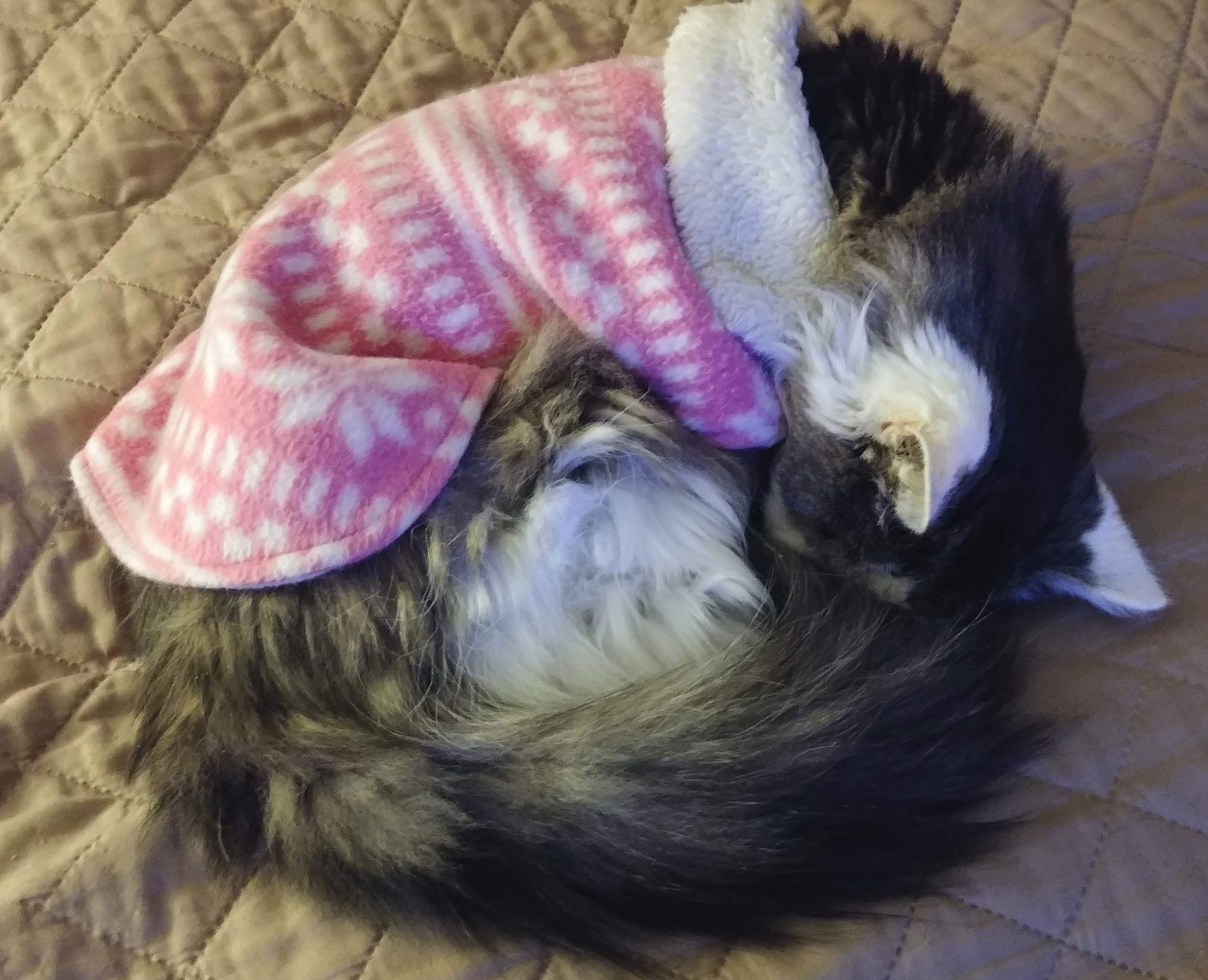
Warmth often soothes aching joints. Heated pet beds or warm resting spots can offer comfort, especially in colder months. Above all, offer patience. Senior pets move at their own pace. Respecting that pace is part of loving them well.
Listening Beyond the Noise
One of the hardest parts of caring for seniors is separating normal aging from treatable pain. Slowing down can be natural. But suffering should never be dismissed as inevitable. Our own journey with senior cats and dogs has taught us that small observations matter. A slight hesitation before jumping. A missed step on the stairs. A subtle change in grooming. These moments add up.
The loss of a young pet can be devastating. The slow decline of a senior can be equally heartbreaking. Yet within that aging process is an opportunity to show deep compassion. When we tune into the quiet signs of discomfort, we give our pets the gift of relief.
They may not cry out. They may not whimper. But they communicate in other ways every day. Your job is not to be a veterinarian. It is to be an observer, an advocate, and a steady source of love. With attention, patience, and the right support, senior pets can live not just longer lives, but more comfortable ones.
Pain may be invisible at first glance. But when you learn to see it, you also learn how powerful your care can be.