

Walk down any pet food aisle and you will see it. Bright bags labeled “Senior Formula.” Images of silver muzzles. Promises of joint support, controlled calories, and healthy aging. The message feels reassuring. If your pet has reached a certain birthday, there must be a special formula designed just for them.
But here is the question many of us eventually ask. Does your senior pet truly need a product labeled “senior,” or do they simply need better ingredients and more thoughtful nutrition?
At BellenPaws, we have cared for many cats and dogs who reached their golden years. Some developed diabetes. Some faced kidney disease, thyroid imbalance, cancer, blindness, or weight struggles. Some simply slowed down with age. Through all of it, one lesson became very clear. Age alone does not define nutritional needs. Health status, body condition, hydration, and ingredient quality matter far more than a marketing label.
When Did “Senior” Become a Formula?
The idea of life stage feeding makes sense in theory. Puppies and kittens need more calories and certain nutrients to grow. Adults need maintenance levels. Seniors, we are told, need fewer calories and extra joint support.
But the reality is more nuanced. There is no universal definition of when a pet becomes a senior. A large breed dog may show age related changes at seven years old. A small dog may remain active and healthy well into their teens. Cats often do not display noticeable aging until much later.
If you use our cat and dog age calculator, you already know that “senior” in human years varies widely depending on species and size. A ten year old cat may still be vibrant and lean. A ten year old large breed dog may have arthritis and muscle loss. They are both seniors, but their needs are not identical.
That alone should make us pause before assuming one bag fits them all.
What Is Usually in “Senior” Kibble?
 Most senior dry foods share a few common adjustments. They often reduce calories slightly to prevent weight gain. They may lower fat content. Some increase fiber. Many add glucosamine or chondroitin for joints. Some reduce phosphorus to support kidney health.
These changes are not harmful by default. In some situations they may help. But here is the problem. They are broad adjustments meant to cover millions of animals with wildly different health profiles.
For example, a senior dog who is underweight and losing muscle does not need calorie restriction. A diabetic cat needs consistent protein and controlled carbohydrates, not just fewer calories. A cat with kidney disease may need carefully managed phosphorus and high quality protein, not just less protein.
A label cannot replace individualized observation.
The Hidden Issue With Dry Food
We feed our own senior cats and dogs a wet diet. We do not use dry food. That choice did not happen overnight. It came after years of watching how hydration, blood sugar, and overall comfort shifted with diet changes.
Dry food contains very little moisture. Cats in particular have a low thirst drive. In nature, they would receive much of their hydration from prey. When a senior cat eats primarily dry kibble, they must drink significantly more water to make up for that difference. Many do not.
Chronic mild dehydration can strain the kidneys over time. Kidney disease is common in older cats. We cannot claim that dry food alone causes it. But we can say that hydration plays a powerful role in kidney support.
Wet food, by contrast, contains a high percentage of moisture. That alone can make a noticeable difference in urine concentration, comfort, and overall fluid balance. For senior pets, hydration is not a small detail. It is foundational.
Diabetes and the Carbohydrate Question
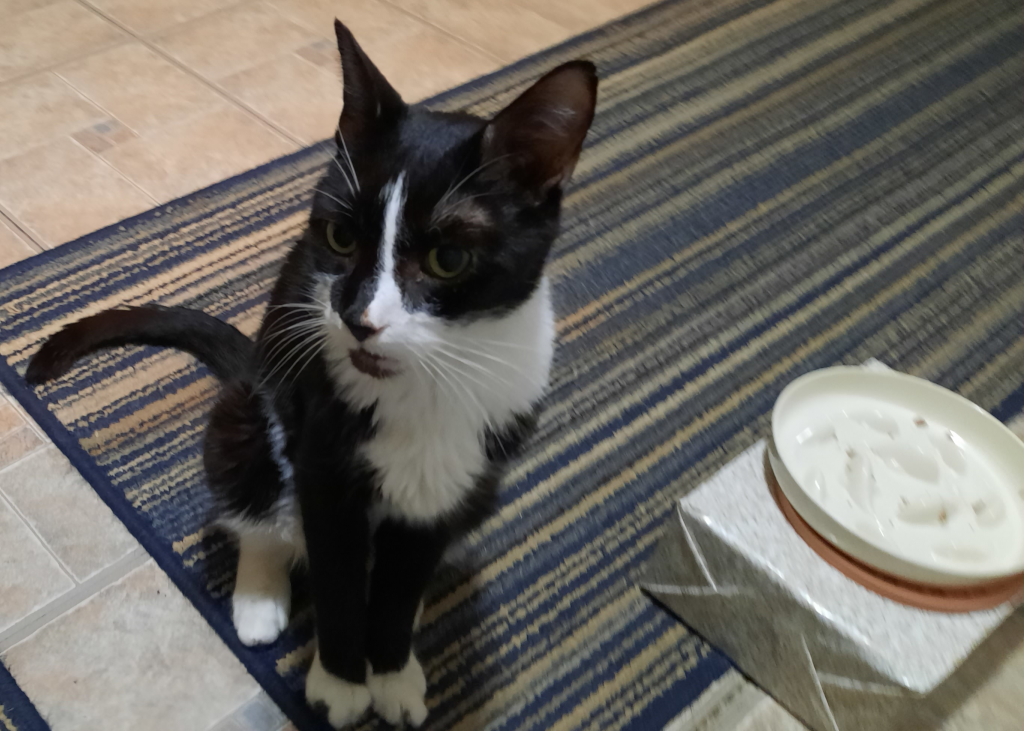 Two of our cats, Zippy and Bentley, lived with diabetes. Managing feline diabetes teaches you quickly that not all foods are equal.
Many dry kibbles, including some labeled senior, rely on carbohydrates to hold their shape. Even when labeled grain free, they may use peas, lentils, potatoes, or other starches. For a diabetic cat, high carbohydrate content can lead to blood sugar spikes.
Using our diabetes tracker tools has shown many pet parents the same pattern. When carbohydrate intake drops and protein rich wet food increases, blood glucose readings often become more stable. Every cat is different, and insulin therapy is often necessary. But diet plays a significant supporting role.
A senior label does not guarantee low carbohydrate content. Sometimes it simply means fewer calories, not better blood sugar support.
Protein Is Not the Enemy
There is a long standing myth that senior pets need low protein diets. This belief likely arose from concerns about kidney disease. While certain kidney conditions require phosphorus management and sometimes protein adjustments, healthy senior pets generally benefit from adequate high quality protein.
As pets age, they are more prone to muscle loss. Protein helps preserve lean body mass. Weak muscles can lead to mobility issues and frailty. Reducing protein unnecessarily can accelerate that decline.
The key is quality. Named animal proteins are preferable to vague by products. Digestibility matters. For cats especially, protein is not optional. They are obligate carnivores. Age does not change that biology.
Joint Support: Ingredient or Afterthought?
 Many senior formulas advertise joint support. They may include glucosamine, chondroitin, or omega fatty acids. These can be helpful. We have seen improvements in comfort when omega three fatty acids are added thoughtfully.
But here is something to consider. The amounts included in kibble are sometimes minimal. Heat processing may also affect stability. If your pet truly needs joint support, targeted supplementation under veterinary guidance may be more effective than relying on what is sprinkled into a dry formula.
Better ingredients also include anti inflammatory whole food options in wet diets, such as quality animal fats and balanced omega ratios. These support overall health, not just joints.
Weight Control Is Not One Size Fits All
Obesity is common in aging pets. Reduced activity, metabolic changes, and overfeeding all contribute. Many senior formulas reduce calories to address this. However, not all seniors are overweight. Some struggle to maintain weight. We have cared for dogs with cancer who needed calorie dense meals to prevent wasting. We have seen cats with hyperthyroidism drop weight rapidly.
Feeding a reduced calorie senior formula to a thin or ill senior can do more harm than good. Body condition scoring is far more useful than relying on age alone. You should be able to feel ribs without seeing them prominently. There should be a visible waist from above.
Better ingredients do not automatically mean higher calories. They mean appropriate calories for the individual pet.
Ingredient Quality Matters More Than Marketing
Reading ingredient lists can feel overwhelming. But there are simple things to look for. Is the first ingredient a named animal protein? Are there multiple fillers or vague terms? Does the food rely heavily on plant based starches to create structure? Are artificial colors or unnecessary additives present?
A food labeled senior can still be low quality. A food not labeled senior can still be excellent for an older pet.
When we transitioned fully to wet diets for our seniors, we paid attention to moisture content, protein sources, and minimal unnecessary fillers. We observed litter box habits, energy levels, coat quality, and blood work trends. Those real world observations told us more than any bag label ever could.
The Emotional Pull of the Word “Senior”
There is something tender about seeing your pet labeled senior. It acknowledges their age. It reminds us that time is moving forward. It can feel like we are doing something responsible by switching to a formula that recognizes that stage of life.
But senior pets do not need a label. They need attentive care. They need us to notice subtle changes. They need regular veterinary checkups and blood work. They need hydration, balanced nutrition, and comfort. They need us.
When Everly, our youngest, passed from an infection, we were reminded again that age is not the only factor that shapes health. Young pets can face serious illness. Seniors can remain vibrant. Nutrition supports them, but it does not replace observation and love.
So What Should You Do?
 Start with an honest assessment of your individual pet. Is your cat drinking enough water? Is your dog maintaining a healthy weight? Are there diagnosed conditions like diabetes, kidney disease, thyroid imbalance, or arthritis? Have recent blood tests shown any trends?
If your senior pet is healthy and active, you may not need a drastic dietary shift. You may simply need a high quality food with excellent protein sources and adequate moisture.
If your pet has a specific condition, tailor nutrition to that condition. A diabetic cat often benefits from low carbohydrate wet food. A pet with kidney disease may need controlled phosphorus and careful protein selection. An overweight dog may need portion control and increased gentle activity, not just a different bag.
Use tools that help you track patterns. Our printable glucose curves and daily tracking forms can reveal trends that are easy to miss day to day. Consistency matters more than labels.
The Wet Food Conversation
We understand that not every household can or wants to feed exclusively wet food. Budget, convenience, and storage all play a role. However, for seniors, especially cats, increasing moisture intake can be transformative.
Some owners mix wet and dry to transition gradually. Others add warm water or broth to meals. Even small hydration improvements can support kidney and urinary health.
For us, the shift to fully wet diets in our senior years felt aligned with what we observed. Our cats maintained hydration better. Blood glucose management became more predictable. Litter box output often looked healthier. Those were not marketing claims. They were lived experiences.
Senior Is a Stage, Not a Formula
 Aging is not a disease. It is a stage of life. Nutrition should support vitality, not simply reflect a number. The “Senior Kibble Myth” suggests that once your pet crosses an age threshold, a single standardized formula is the answer. In reality, senior pets are individuals. Some are spry and lean. Some are managing chronic illness. Some need calorie control. Others need calorie support. Better ingredients, appropriate moisture, and attention to specific health needs matter more than the word senior printed on a bag.
At BellenPaws, our goal has always been simple. Share what we have learned from walking this road with Belle, Paws, and so many others who grew old with us. Offer tools that empower pet parents. Create a hub where experience and compassion meet practical guidance. If you are standing in that pet food aisle feeling unsure, take a breath. Read beyond the label. Think about your pet, not just their age. Ask your veterinarian questions. Track changes. Adjust thoughtfully.
Your senior companion does not need a marketing category. They need nutrition that respects their biology and a human who is paying attention. And if you are here reading this, chances are you already are.