
When we first started sharing our lives with senior pets, we thought love was the most important ingredient in good care. Over time, we learned that love is the foundation, but knowledge is what helps that love last longer and feel better for the pet receiving it. One of the most helpful pieces of knowledge any pet owner can have is a clear understanding of age.
Age is not just a number on a chart. It affects metabolism, joint health, organ function, energy levels, appetite, sleep patterns, and even emotional needs. Using age data to guide diet and daily care is one of the most practical ways to support a pet as they move from youth into their golden years.
At BellenPaws.com, we built both a cat age calculator and a dog age calculator because we realized how many people still rely on outdated rules of thumb. The old idea that one dog year equals seven human years is simple, but it is not accurate. Cats and dogs age differently at different stages of life. Understanding that difference changes how we feed them, exercise them, monitor their health, and even how we think about their behavior.
Why Age Data Matters More Than You Think
When a kitten turns one year old, she is not equivalent to a seven year old child. She is closer to a young adult in human terms. The same goes for dogs. Large breed dogs age faster than small breed dogs, especially in later years. That difference alone can affect when you start senior bloodwork, adjust calorie intake, or add joint support.
Using a cat age calculator gives you a more realistic human age comparison. This can help you recognize when your playful nine year old cat is actually closer to a middle aged human in terms of physiology. The same applies to our dog age calculator. A six year old large breed dog may already be entering senior territory even if he still acts like a puppy at heart.
Age data helps you shift from reactive care to proactive care. Instead of waiting for problems to appear, you can begin adjusting diet and routine before issues become severe.
Adjusting Diet Based on Life Stage
 Nutrition is one of the first areas where age data becomes useful. Younger pets generally burn calories faster and can tolerate a wider range of foods. As pets age, their metabolism slows down. Muscle mass can decrease, and fat can increase if calorie intake stays the same.
For senior cats, protein remains important, but quality becomes critical. Older cats often need highly digestible protein sources to maintain muscle without overworking the kidneys. Some senior cats also benefit from controlled phosphorus levels, especially if kidney values begin to change.
We have cared for cats with kidney disease and hyperthyroidism. Age awareness helped us notice subtle changes in appetite and weight before lab work confirmed what was happening. Those early adjustments made a difference in comfort and stability.
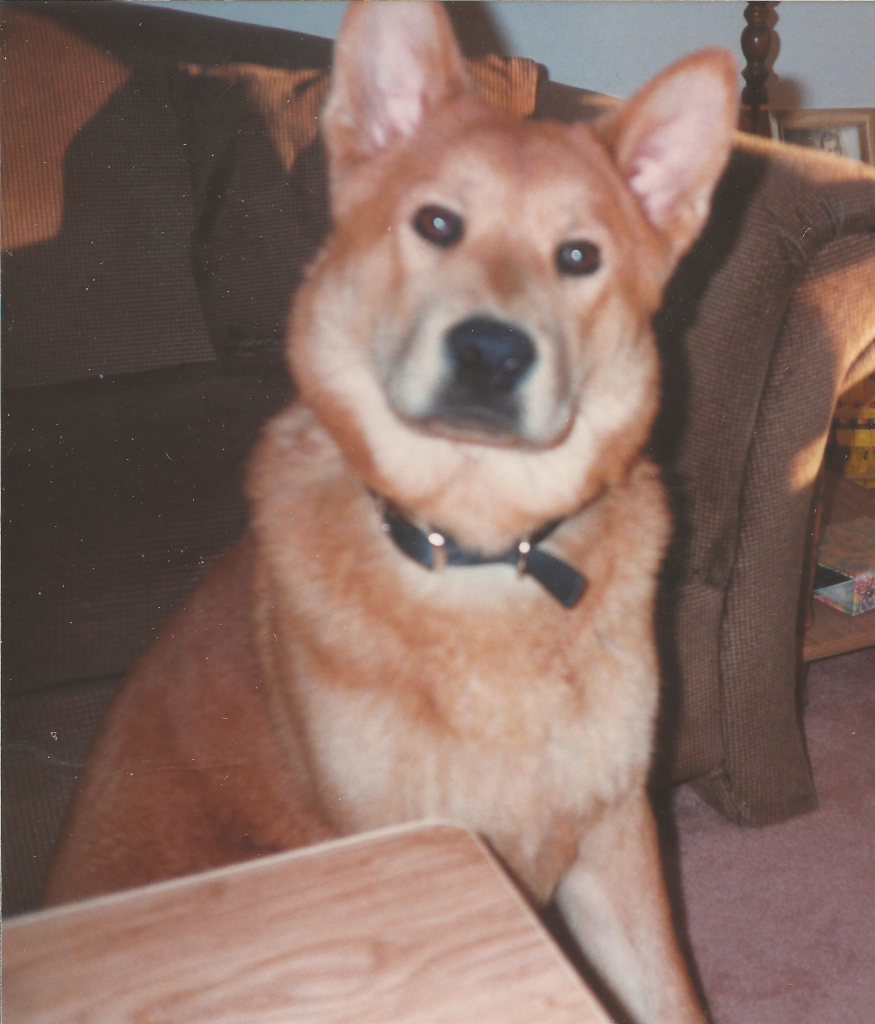
Senior dogs also require thoughtful adjustments. Joint health becomes more important with age. Omega three fatty acids, glucosamine, and balanced calcium and phosphorus levels can support mobility. Calorie control becomes essential for dogs prone to obesity, especially if their activity level decreases.
Age data reminds us that feeding a ten year old dog the same way we fed him at three years old may not serve him well. Even small portion adjustments can prevent long term strain on joints and organs.
Monitoring for Diabetes and Age Related Conditions
 As pets age, the risk for certain diseases increases. Diabetes is one of them, especially in cats. We have walked that road more than once. Watching a pet drink more water, lose weight unexpectedly, or seem unusually tired can be easy to overlook if we assume they are just getting older.
Age data provides context. If your cat age calculator shows that your pet is equivalent to a senior adult in human years, increased thirst and appetite changes should not be brushed aside. They deserve attention.
For pets already diagnosed with diabetes, age still matters. Insulin sensitivity can change over time. Muscle mass, body weight, and kidney function all influence glucose control. On our site, we offer a diabetes tracker where owners can enter glucose readings and print charts or logs. Many senior pets benefit from consistent monitoring because their bodies do not regulate blood sugar as efficiently as they once did.
We also provide printable glucose curve forms and daily tracking sheets. These tools are especially helpful for older pets whose glucose patterns may shift due to stress, illness, or appetite changes. Age awareness helps owners understand that fluctuations are not personal failures. They are part of managing a living, aging body.
Adjusting Activity Without Removing Joy
Aging does not mean inactivity. It means adjusting expectations and intensity. Age data can guide how much and what kind of exercise is appropriate.
For senior dogs, long runs may become shorter walks. Hard pavement may give way to softer grass. Swimming can become a low impact alternative if available. A dog age calculator helps you recognize when your energetic companion is entering a stage where joint care should be prioritized.
For senior cats, play sessions may become shorter but more frequent. Gentle wand toys, soft climbing ramps, and lower platforms can replace high jumps. We even built a rope length calculator for those who enjoy making their own cat trees. As cats age, adjusting height and access points can prevent falls and reduce joint strain.
Using age data allows you to preserve fun while protecting the body.
Dental Health and Digestive Comfort
 Dental disease often increases with age. An older pet may struggle with hard kibble if teeth are loose or painful. Age awareness encourages regular dental checks and possibly softer food options if chewing becomes difficult.
Digestive changes also appear with age. Some pets develop food sensitivities or require more fiber for healthy bowel movements. Others may need easily digestible formulas to reduce stomach upset.
We have seen how subtle digestive changes can be dismissed as minor issues. When you consider that your pet may be equivalent to a human in their sixties or seventies, those small signs take on more meaning. You would not ignore chronic stomach upset in an elderly family member. The same compassion should extend to our pets.
Emotional and Cognitive Changes
Aging affects the brain as well as the body. Some senior pets develop cognitive dysfunction, which can resemble dementia in humans. They may seem confused, restless at night, or forget routines.
Understanding age data helps owners respond with patience instead of frustration. A dog who seems stubborn may actually be experiencing cognitive decline. A cat who cries at night may be disoriented.
Simple adjustments such as maintaining consistent routines, providing night lights, and keeping furniture arrangements stable can make a difference. Age data reminds us that these behaviors are not bad manners. They are signs of a brain that needs support.
Preventive Veterinary Care
Age calculators are not a replacement for veterinary care. They are tools that encourage better conversations. When you realize your pet has entered senior years in human terms, you may decide to increase the frequency of checkups or lab work.
Many veterinarians recommend senior blood panels once or twice a year. These tests can detect early kidney changes, thyroid imbalances, or blood sugar irregularities. Catching problems early often leads to more effective management and less suffering.
We have learned that early detection can turn a crisis into a manageable condition. That lesson came through experience, not textbooks.
Creating a Senior Friendly Home
 Age data also influences the physical environment. Senior pets benefit from non slip rugs, easily accessible litter boxes, and food bowls placed at comfortable heights. Dogs may need ramps for cars or couches. Cats may need lower entry litter boxes if arthritis makes high sides difficult.
Even temperature sensitivity can change with age. Older pets may seek warmth more often. Providing soft bedding in draft free areas becomes part of thoughtful care.
These adjustments are small, but they add up. They show our pets that we see them, not just as companions, but as individuals whose needs evolve.
The Emotional Weight of Time
Using age data can feel bittersweet. When you see that your beloved cat is equivalent to a seventy year old human, it can bring a wave of emotion. We have felt that many times.
Yet that awareness also deepens appreciation. It reminds us to savor ordinary moments. A quiet nap beside you. A slow walk in the evening light. A gentle purr or tail wag.
Age data is not about counting down. It is about making the days count.
A Practical Starting Point
 If you are unsure where your pet stands, start with the basics. Use our cat age calculator to understand your feline companion’s life stage. Use our dog age calculator to see how your canine friend compares in human years.
Once you know that, ask simple questions. Does their diet still fit their stage of life. Is their activity level appropriate. Are there signs of discomfort that need attention. Are you monitoring for age related conditions like diabetes, thyroid imbalance, or kidney changes.
You do not need a veterinary degree to make meaningful adjustments. You need observation, compassion, and a willingness to adapt.
A Community Built on Experience
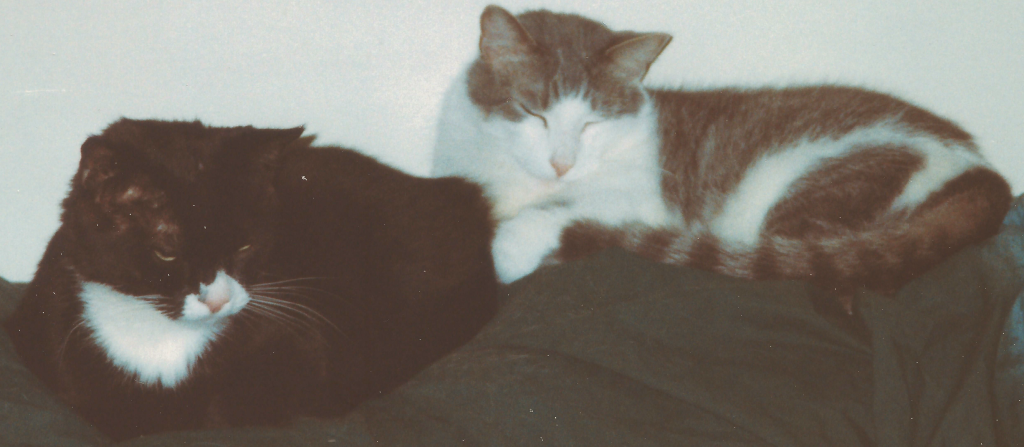
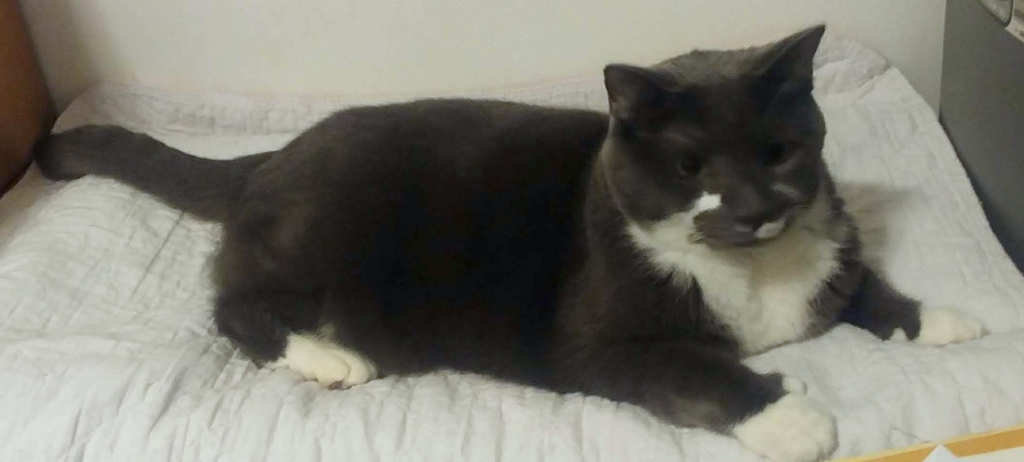
BellenPaws.com began as a tribute to two senior sibling cats, Belle and Paws. Over the years, we have cared for pets with diabetes, kidney disease, thyroid conditions, cancer, blindness, and mobility challenges. We are not veterinarians. We are pet parents who have learned through love, mistakes, late nights, and countless vet visits.
Our goal is to create a hub where owners of senior pets and pets with diabetes can find practical tools and encouragement. From glucose trackers to printable forms, from calculators to shared stories, everything we build is rooted in lived experience.
Age data is one of the simplest and most powerful tools we have found. It helps us adjust diet thoughtfully. It guides exercise and environmental changes. It encourages earlier monitoring and better conversations with veterinarians.
Most importantly, it reminds us that aging is not a decline in value. It is a shift in needs. When we respond to those needs with care and understanding, we give our pets the dignity and comfort they deserve in every stage of life.
Growing older is a privilege, even for our pets. Using age data wisely helps ensure that privilege is filled with comfort, health, and love.