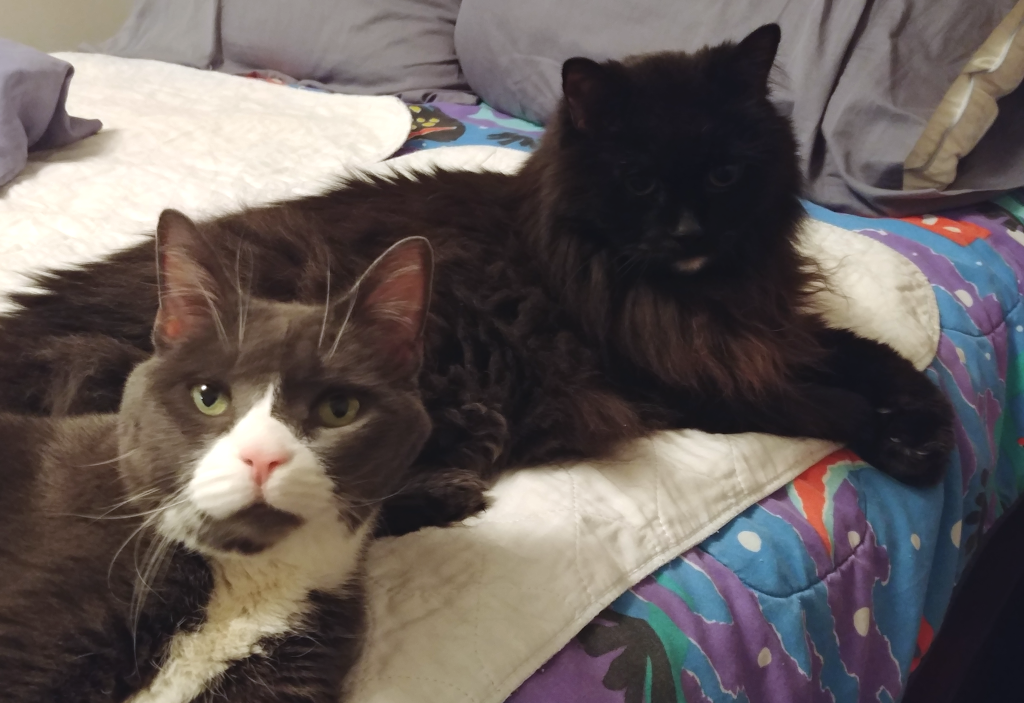
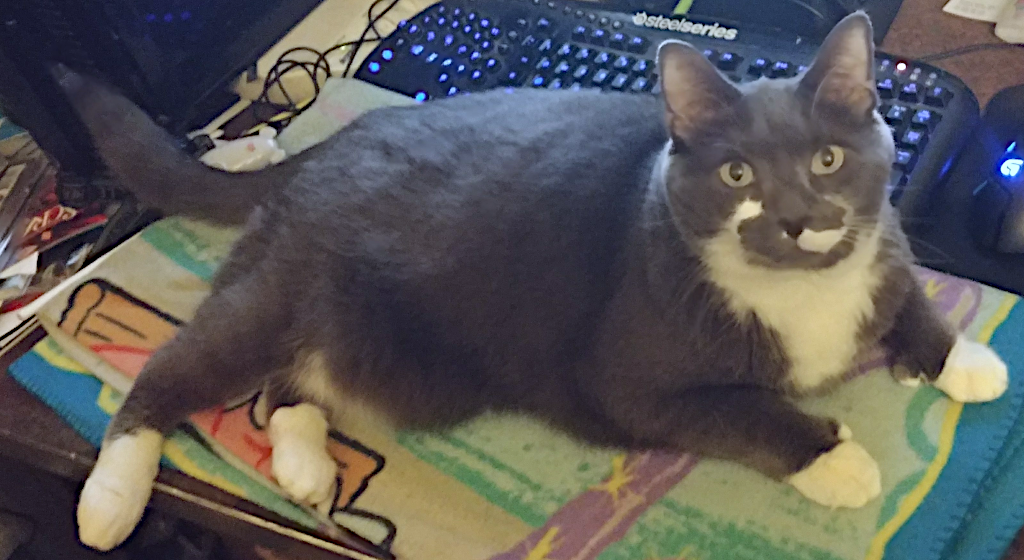
There is something about a senior pet that softens the heart. The slower walk across the living room. The careful way they settle into their favorite bed. The extra pause before climbing the stairs. Aging brings wisdom and sweetness, but it also brings physical changes that require a little more care and attention.
One of the most important and often overlooked aspects of senior pet care is weight management. Extra pounds may seem harmless, especially if your pet still has a good appetite and a wagging tail. But for aging joints, those extra pounds can quietly create pain, inflammation, and mobility problems that slowly reduce quality of life.
We are not veterinarians. We are simply two people who have lived many years alongside senior cats and dogs. We have seen arthritis stiffen joints, thyroid issues change body weight, and diabetes complicate everything. If there is one lesson that has repeated itself through the lives of our pets, it is this: helping a senior pet maintain a healthy weight can make an enormous difference in their comfort and happiness.
Why Extra Weight Hurts Aging Joints
 Think about how it feels when you carry a heavy bag for a long period of time. Your shoulders ache. Your back tightens. Now imagine carrying that weight every hour of every day.
When a senior pet carries extra body fat, the stress on their joints increases significantly. Hips, knees, elbows, and even the spine absorb more impact with every step. Over time, this strain can speed up joint wear and tear.
Many senior pets develop some level of arthritis as they age. Cartilage, which cushions the joints, naturally becomes thinner. When extra weight is added to that already fragile system, the result is often stiffness, soreness, and reluctance to move.
It becomes a cycle. The pet feels pain, so they move less. Moving less leads to muscle loss and more weight gain. More weight increases joint stress. The cycle continues unless something interrupts it. Helping your pet lose even a small amount of weight can reduce pressure on those joints and break that cycle.
It Is Not Just About the Scale
Weight management in seniors is not about chasing a number. It is about improving comfort and mobility. We have had pets who carried just a few extra pounds that made a noticeable difference in how easily they stood up or jumped onto a couch. When those pounds came off gradually and safely, their energy improved. They moved more freely. Some even seemed happier.
Extra fat tissue also contributes to inflammation in the body. Chronic inflammation can worsen joint pain and affect overall health. By reducing excess body fat, you are not only lightening the load on the joints but also helping reduce internal inflammation.
This is especially important for pets with other health conditions. For example, diabetes can make weight management tricky. Stable blood sugar levels often depend on consistent feeding schedules and portion control. Using tools like a glucose tracker can help owners see patterns and make informed decisions in partnership with their veterinarian.
We learned this firsthand with one of our diabetic cats. Careful monitoring, portion awareness, and slow adjustments helped both weight and glucose levels become more stable over time.
Signs Your Senior Pet May Be Overweight
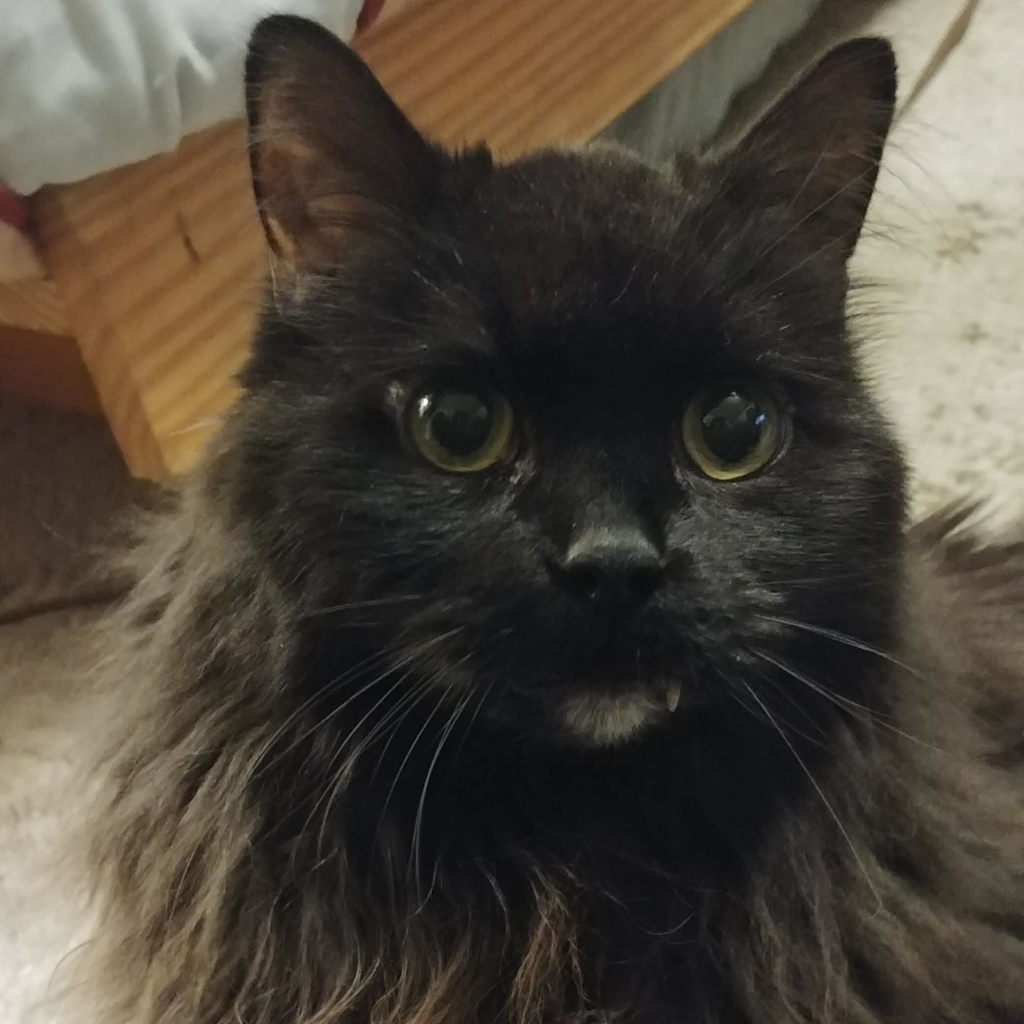 Sometimes weight gain sneaks up gradually. A fluffy coat can hide extra fat. A pet that has always been “big boned” might actually be carrying more weight than is healthy for their age.
Some signs to watch for include:
- Difficulty rising from a resting position
- Reluctance to climb stairs or jump
- Heavy breathing after mild activity
- A rounder body shape with little visible waist
- Fat pads around the base of the tail or over the ribs
A simple check at home can help. Gently run your hands along your pet’s sides. You should be able to feel their ribs without pressing too hard. There should be a slight waist when viewed from above. If you are unsure, your veterinarian can help determine a healthy target weight.
Our age calculator on the site can also help put things in perspective. When you see your pet’s age converted into human years, it becomes easier to understand why their body might need different support than it did in youth.
Why Senior Weight Loss Must Be Slow and Careful
Senior pets are not young athletes. Rapid weight loss is not healthy and can sometimes be dangerous. Older pets may have underlying conditions such as kidney disease, thyroid imbalances, or diabetes. Sudden calorie cuts can disrupt their system. The goal is steady, gradual weight reduction.
For cats especially, fast weight loss can lead to serious liver problems. That is why any plan to reduce weight should be done thoughtfully and ideally with veterinary guidance. Start with portion control. Measure food instead of free feeding. Many of us have been guilty of scooping without measuring. A small measuring cup can prevent unintentional overfeeding.
Treats should be included in daily calorie awareness. Those little extras add up quickly, especially for small dogs and cats. If your pet has diabetes, consistency is essential. Our printable glucose tracking forms and curve sheets can help you log readings and watch how dietary changes affect blood sugar over time. Data gives confidence and reduces guesswork.
Movement Is Medicine
 Weight management is not just about food. Gentle, consistent movement strengthens muscles that support aging joints. For senior dogs, short, regular walks are often better than one long, exhausting outing. Walking keeps joints lubricated and muscles active without overwhelming them.
For senior cats, interactive play can make a difference. Feather toys, slow-moving laser pointers, or treat puzzles encourage safe movement. Even a few minutes a day helps. We once had a senior dog who struggled with hip stiffness. When we began doing short, frequent walks instead of longer ones, his mobility improved noticeably. The weight came down slowly, but the daily movement seemed to brighten his mood as well.
For cats, vertical space can encourage natural climbing and stretching. If you build your own cat tree, having the right rope length ensures proper scratching surfaces that support healthy claws and stretching behavior. Small environmental adjustments can promote movement without forcing it.
Supporting Joints Beyond Weight Loss
Weight loss reduces strain, but other supportive steps can help aging joints feel better. Soft bedding cushions pressure points. Orthopedic beds can be especially helpful for dogs with arthritis. Keeping nails trimmed prevents abnormal walking patterns that can stress joints. Some pets benefit from joint supplements or prescription diets formulated for mobility support. Always consult your veterinarian before starting supplements, especially if your pet has other medical conditions.
Warmth also matters. Senior pets often feel stiff in colder temperatures. A cozy sleeping area away from drafts can improve comfort. We have found that small adjustments in daily routines often add up. A non slip rug on hardwood floors can prevent slips. A ramp can replace steep stairs. These changes reduce joint strain and lower the risk of injury.
The Emotional Side of Weight Management
Food is love in many households. Offering treats feels like affection. Saying no can feel like withholding comfort. But helping your senior pet maintain a healthy weight is an act of love. It may mean fewer treats, but it can mean more pain free days.
We remember one of our senior dogs who struggled with obesity as he aged. It was hard to cut back because he adored his snacks. But as his weight gradually decreased, he became more playful. He seemed lighter in spirit as well as body. The look in his eyes when he could move without discomfort reminded us why the effort was worth it. Weight management is not about perfection. It is about improving quality of life. A few pounds lost can mean easier walks, smoother stairs, and more comfortable naps.
When Other Conditions Complicate Weight
 Senior pets often face multiple health challenges at once. Hyperthyroidism can cause weight loss despite a strong appetite. Hypothyroidism can lead to weight gain even with controlled feeding. Kidney disease may require specialized diets that complicate calorie control. That is why every senior is unique. There is no single formula that works for all.
If your pet has diabetes, consistent meal timing and careful tracking are essential. Our diabetes tracker allows you to enter glucose readings and print charts that show trends. When weight changes occur, those charts can help identify patterns and guide discussions with your veterinarian. If your pet has mobility issues due to blindness or neurological changes, creating safe walking paths inside the home encourages movement without fear. Patience is critical. Senior weight management can feel slower than expected. Celebrate small victories.
A Gentle Reminder About Grief and Change
As we grow older with our pets, we become more aware of time. We recently lost our youngest cat to an infection, and the reminder that health can change quickly is still fresh. Weight management will not prevent every illness. It cannot stop aging. But it can improve comfort and extend active years.
Every extra day where a senior pet moves with less pain is a gift. Every tail wag or purr that comes from feeling better is worth the effort.
Building a Community of Care
BellenPaws was created in honor of two senior sibling cats, Belle and Paws. Over the years, many other beloved pets have shaped our understanding of senior care. Each one taught us something about resilience, patience, and the importance of attentive caregiving.
We hope to create a hub where owners of senior pets and pets with diabetes feel supported. From printable tracking forms to educational articles and even a small merchandise store that helps support the site, everything is built around shared experience. Weight management is one piece of the puzzle. It is a powerful piece, especially for aging joints, but it works best alongside love, observation, and thoughtful care.
If your senior pet is carrying extra pounds, do not feel discouraged. Start small. Measure portions. Encourage gentle movement. Track progress. Seek veterinary guidance when needed. A lighter body can mean lighter steps. And lighter steps often lead to more comfortable golden years. In the end, that comfort is what we all want for the companions who have given us so much.