



Pets do not have the ability to explain discomfort, nausea, dizziness, or pain using words. Instead, they communicate through behavior. When a dog stops greeting you at the door, a cat begins hiding under the bed, or a normally gentle pet starts snapping when touched, these changes are often interpreted as mood shifts or discipline problems. In reality, behavior changes are frequently the earliest and most reliable indicators that something is physically wrong.
Understanding the connection between behavior and health is one of the most important skills a pet guardian can develop. Many medical conditions present subtly at first, long before obvious physical symptoms appear. Recognizing these early signals can lead to faster diagnosis, more effective treatment, and significantly better quality of life for pets.
This article explores why behavior changes happen, which types of changes are most concerning, and how to distinguish medical signals from normal personality variation or environmental stress.
Why Illness Often Appears as Behavior Change First
 Animals evolved to hide weakness. In the wild, showing pain or illness makes an animal vulnerable to predators. This instinct persists in domestic pets, even those who have never faced a threat in their lives. As a result, many pets continue eating, moving, and interacting normally until discomfort becomes impossible to conceal.
Behavioral changes occur early because they require less energy to modify than physical movement or appetite. A pet may withdraw socially, sleep more, avoid certain activities, or change how they respond to handling. These shifts are often misinterpreted as aging, stubbornness, or emotional issues when they are actually protective responses to pain or internal distress.
Not all behavior changes are dramatic. Some are so gradual that they blend into daily life unless someone is actively paying attention.
A dog who no longer jumps into the car may be experiencing joint pain or spinal discomfort. A cat who stops using high perches may be compensating for arthritis or muscle weakness. A pet who suddenly prefers one sleeping spot over another may be avoiding drafts because of temperature sensitivity linked to metabolic or circulatory issues.
Even small changes in routine matter. Slower movement, hesitation before stairs, altered posture while resting, or decreased interest in play can all point to underlying medical problems.
Appetite and Eating Behavior Shifts
Changes in eating habits are among the most telling behavioral indicators of illness. Reduced appetite, selective eating, or sudden food aversions can signal dental disease, gastrointestinal discomfort, nausea, or metabolic disorders.
Some pets continue to eat but change how they eat. Chewing on one side of the mouth, dropping food, licking lips excessively, or walking away from the bowl between bites can indicate oral pain. Increased hunger can also be a warning sign, particularly in conditions like diabetes or thyroid disorders.
Water intake deserves equal attention. Increased thirst often precedes visible symptoms of kidney disease, diabetes, or hormonal imbalances. Conversely, reduced drinking may signal nausea or pain that makes movement uncomfortable.
Changes in Social Interaction
Pets are social creatures to varying degrees, and shifts in how they engage with humans or other animals often reflect internal discomfort.
A normally affectionate pet who withdraws may be protecting a painful area or conserving energy. Irritability, growling, or snapping when touched frequently stems from pain rather than aggression. This is especially common with joint disease, abdominal pain, or neurological issues.
Some pets become unusually clingy when they feel unwell. Seeking constant proximity can be a coping mechanism for anxiety caused by internal distress. Either extreme change in social behavior deserves attention.
Litter Box and Bathroom Behavior
 Elimination habits are deeply ingrained, so changes in this area are particularly significant.
Cats who stop using the litter box may be responding to urinary pain, constipation, or arthritis that makes climbing into the box uncomfortable. Dogs who begin having accidents indoors may be dealing with urinary tract infections, cognitive decline, or mobility issues that prevent timely outdoor access.
Straining, vocalizing during elimination, changes in stool consistency, or altered frequency should never be dismissed as behavioral regression. These are often direct reflections of medical discomfort.
Vocalization Changes and Sleep Patterns
Increased vocalization is another underappreciated signal of health problems. Excessive meowing, barking, whining, or howling can indicate pain, confusion, or anxiety related to illness.
Senior pets, in particular, may vocalize more due to sensory decline, cognitive dysfunction, or discomfort that worsens at night. Sudden silence can also be concerning. A pet who previously vocalized regularly but becomes quiet may be conserving energy or experiencing respiratory or neurological issues.
Illness frequently alters sleep behavior. Pets may sleep more as their bodies attempt to heal or cope with discomfort. Alternatively, pain or nausea can disrupt rest, leading to pacing, restlessness, or frequent position changes.
Changes in sleep location can be revealing. Pets may seek cooler surfaces when feverish or warmer areas when circulation is compromised. Avoiding shared sleeping spaces can signal discomfort during movement or sensitivity to touch.
Anxiety and Fear Responses
Medical conditions can directly influence emotional regulation. Pain, hormonal imbalances, and neurological changes all affect how the brain processes stress and stimuli.
A pet who suddenly becomes fearful of routine activities, loud noises, or familiar environments may be experiencing sensory changes or cognitive decline. Disorientation, confusion, or panic episodes are often misdiagnosed as behavioral anxiety when they are actually neurological in origin.
The Overlap Between Aging and Illness
A common mistake in pet care is attributing behavior changes to normal aging. While aging does bring physical and cognitive changes, these shifts should be gradual and mild. Sudden or significant behavior changes are not a normal part of aging.
Arthritis, dental disease, organ dysfunction, and cognitive disorders are common in senior pets, but they are medical conditions, not inevitable outcomes that should be ignored. Early intervention can slow progression and greatly improve comfort.
When Behavior Changes Appear Suddenly
Acute behavior changes often signal urgent medical issues. Sudden aggression, collapse, disorientation, inability to stand, or extreme lethargy require immediate veterinary evaluation.
Toxin exposure, internal injuries, metabolic crises, and neurological events can all present primarily as behavior changes before physical symptoms become obvious. Trusting your instincts when something feels wrong can save a pet’s life.
Tracking Behavior to Support Diagnosis
Because pets cannot describe their symptoms, detailed observation is one of the most powerful diagnostic tools available. Keeping notes about behavior changes can help veterinarians identify patterns and narrow potential causes.
Useful details include when the change started, whether it is constant or intermittent, what triggers it, and whether it is worsening. Video recordings of unusual behavior can be especially valuable, particularly for intermittent symptoms like limping or confusion.
The Role of Chronic Pain in Behavior
Chronic pain is one of the most common and underdiagnosed causes of behavior change. Conditions such as arthritis, dental disease, and gastrointestinal inflammation often progress quietly.
Pets in chronic pain may appear depressed, irritable, or disinterested in activities they once enjoyed. They may avoid certain movements or resist handling in specific areas. Addressing pain appropriately can lead to dramatic improvements in behavior and emotional wellbeing.
Why Punishment Makes Things Worse
Responding to medically driven behavior changes with punishment can worsen both physical and emotional health. A pet who growls because of pain learns to suppress warning signals, increasing the risk of bites. A pet punished for accidents may develop anxiety that compounds the underlying medical issue.
Behavior should always be evaluated through a health-first lens. Assuming defiance or stubbornness without ruling out medical causes delays care and damages trust.
Partnering With Your Veterinarian and Awareness
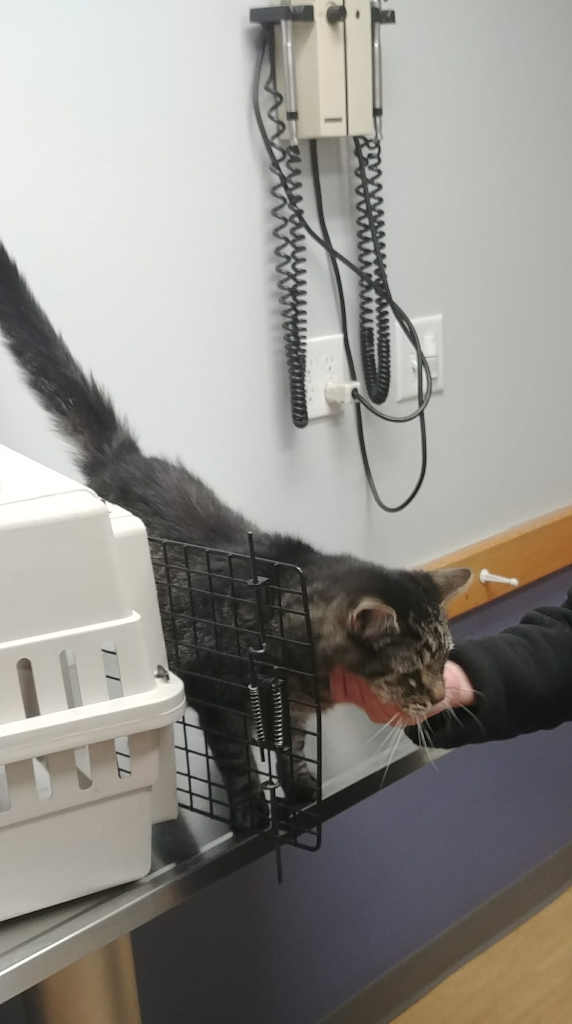 Veterinarians rely heavily on caregiver observations to guide diagnosis. Describing behavior changes clearly and without minimizing them helps ensure thorough evaluation.
If initial tests are normal but behavior changes persist, continued communication is essential. Some conditions require time or advanced diagnostics to identify. Advocacy from the caregiver plays a crucial role in ongoing care.
The goal is not to become hypervigilant, but to develop awareness of what is normal for your individual pet. Subtle changes stand out when you understand baseline behavior.
Routine wellness exams, dental care, weight management, and age-appropriate screenings all reduce the risk of undetected illness. Combined with attentive observation, these practices create a strong foundation for early intervention.
Conclusion: Listening Without Words
Behavior changes are not inconveniences or character flaws. They are messages. When a pet behaves differently, it is often their only way of asking for help.
Learning to interpret these signals transforms pet care from reactive to proactive. It allows caregivers to address illness earlier, reduce suffering, and strengthen the bond built on trust and understanding. By listening closely to behavior, we give pets the voice they do not have and the care they deserve.