

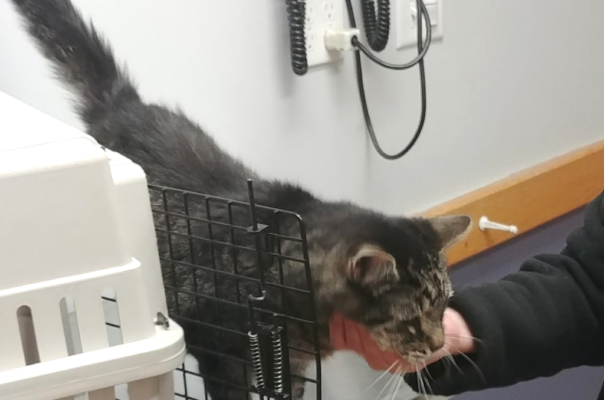
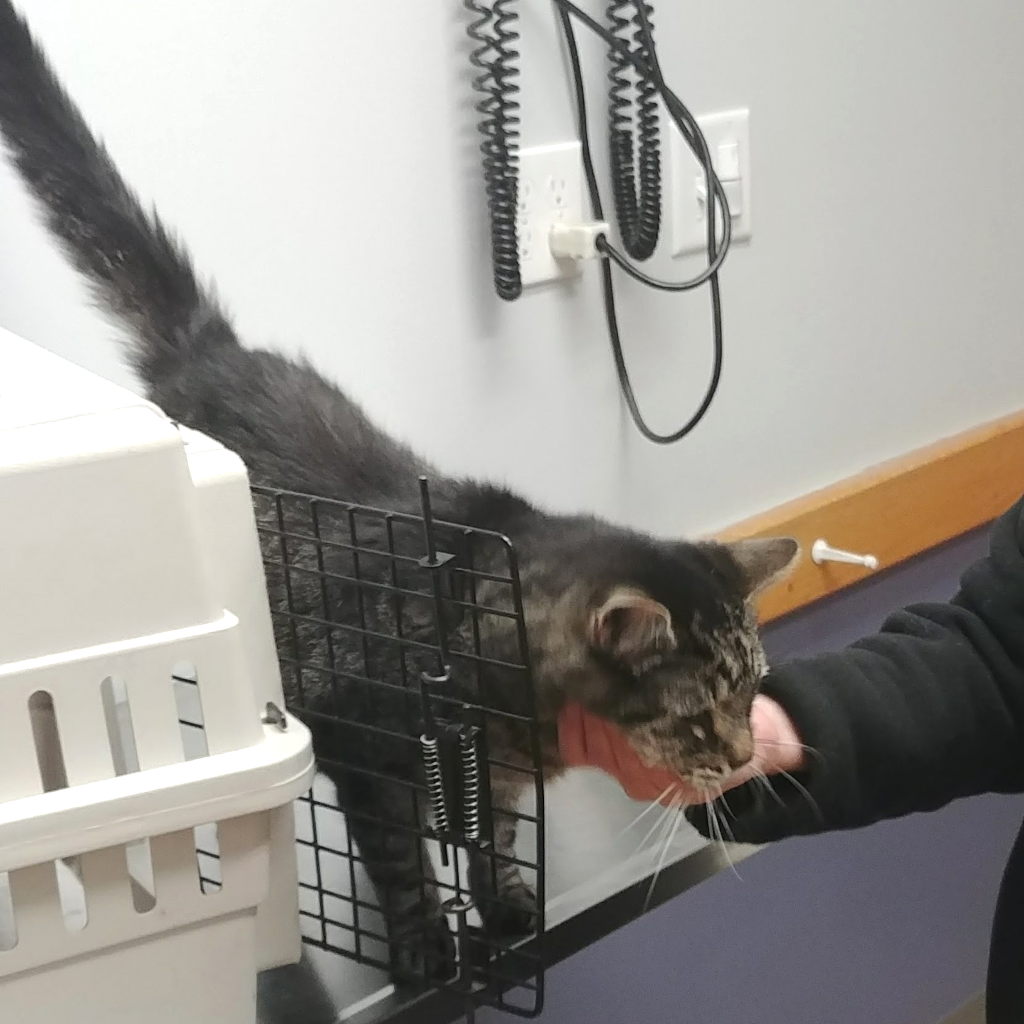
When a pet needs a medical procedure, most owners focus on the physical side of things. The appointment, the diagnosis, the medication, the recovery instructions. But for senior pets especially, the emotional experience matters just as much as the medical outcome.
Older pets do not experience procedures the same way younger animals do. They have longer memories, established routines, and often a deeper reliance on the people they trust. A simple blood draw, dental cleaning, imaging appointment, or surgery can feel confusing and frightening to them, even when it is routine and necessary.
At BellenPaws, our focus has always been on honoring the full experience of aging pets. Belle and Paws, the senior siblings who inspired this site, taught us early on that emotional well-being cannot be separated from physical care. Over the years, as we walked alongside cats like Zippy and Bentley through diabetes management, and supported dogs like Goldie and Buddy through age-related health changes, one truth became very clear: pets feel more than we often realize, especially when they are vulnerable.
We are not veterinarians. We are longtime pet owners who have lived through countless appointments, recoveries, setbacks, and quiet victories. What follows is not medical advice, but practical, experience-based guidance to help you support your pet emotionally before, during, and after medical procedures.
Why Medical Procedures Are Emotionally Hard on Pets
 Animals may not understand illness or treatment the way humans do, but they are keen observers of their environment and our behavior. They notice changes in routine, unfamiliar smells, strange places, and our own stress.
For senior pets, these disruptions can feel especially intense. Aging bodies may already be dealing with pain, reduced vision or hearing, or cognitive changes. Add in restraint, needles, anesthesia, or recovery discomfort, and it is easy to see why emotional stress can build quickly.
Some pets show their anxiety clearly. Others internalize it. Cats like Pebbles or Skittles might hide more or stop grooming temporarily. Dogs like Sophie or Jack might cling closely, pace, or seem unusually quiet. These responses are not misbehavior. They are communication. Recognizing that emotional stress is real and valid is the first step toward supporting your pet through it.
Preparing Emotionally Before the Appointment
How you prepare at home can make a significant difference in how your pet experiences a medical procedure. Start by keeping your own energy as calm as possible. Pets are incredibly sensitive to our tone, body language, and emotional state. If you are anxious, rushed, or upset, your pet is likely to mirror that stress.
In the days leading up to the appointment, try to maintain normal routines. Feed at the usual times. Keep walks, play, and rest consistent. Familiarity creates a sense of safety, especially for senior pets who rely heavily on predictability.
If your pet associates carriers or car rides with stress, gently reintroduce them without pressure. Leave the carrier out in the open with familiar bedding. Let your cat explore it freely. For dogs, take short, calm car rides that do not always end at the vet. This can soften the association over time.
Talking to your pet may feel silly to some, but it matters. Speak gently. Use familiar words. Your tone communicates reassurance even if they do not understand the specifics. Belle used to visibly relax when we talked to her in the same calm voice we used at home, even in unfamiliar settings.
The Day of the Procedure: Comfort in Small Ways
 On the day of the appointment, small choices can provide emotional grounding. Bring something familiar if allowed. A blanket, towel, or item that smells like home can provide comfort, especially for cats and small dogs. Familiar scents are powerful emotional anchors.
Move slowly and deliberately. Rushing increases tension. Give yourself extra time so transitions feel unhurried. If your pet resists being handled, pause when possible rather than forcing the moment. Gentle persistence works better than urgency.
During handoff moments, stay calm and confident. Pets often take emotional cues from us. A soft goodbye, steady voice, and relaxed posture can help them feel safer even as you step away. For procedures where you can remain nearby, your presence alone can be soothing. Sitting quietly, offering gentle touch if permitted, and speaking softly can help your pet regulate their stress.
Emotional Support During Recovery
Recovery is where emotional care often matters most. After a procedure, your pet may feel disoriented, sore, or simply not themselves. This is especially true after anesthesia, which can temporarily affect balance, awareness, and mood. Senior pets may take longer to bounce back.
Create a quiet, comfortable recovery space. Keep lighting soft. Reduce noise. Limit interaction with other pets for a short time if needed. This allows your pet to rest without feeling overstimulated. Stay close without overwhelming them. Some pets want constant contact. Others prefer quiet companionship. Let them choose. When Bentley came home after glucose curve testing, he preferred to sleep nearby but not be touched until he felt more like himself.
Speak reassuringly. Use their name. Maintain a calm presence. These cues help reestablish emotional safety after an unsettling experience.
Monitor behavior gently. Changes in appetite, litter box habits, or energy levels can be normal for a short period, but emotional withdrawal that lasts may signal lingering stress. Trust your instincts and document changes if you need to reference them later.
Supporting Pets with Chronic Conditions
 For pets with ongoing medical needs, emotional support becomes part of daily life. Diabetic pets like Zippy and Bentley taught us that repeated procedures can accumulate emotional weight. Blood glucose testing, injections, and monitoring can be stressful if not handled with care.
Creating positive associations helps. Use calm voices. Offer gentle praise. Pair procedures with affection or a favorite low-impact reward when appropriate. Keep handling consistent and predictable so your pet knows what to expect.
Tools like glucose trackers and printed logs are not just for data. They reduce human stress, which in turn reduces pet stress. When owners feel organized and confident, pets benefit emotionally. Senior pets living with chronic illness often sense when they are “different.” Treat them with dignity. Avoid excessive pity or frustration. They still want to feel included, capable, and loved.
When Emotional Stress Looks Like Behavioral Change
Sometimes emotional distress shows up as behavior changes rather than obvious anxiety. A normally social cat like Tabitha might withdraw. A gentle dog like Buddy might snap when touched in a sore area. A playful pet like Bam Bam might stop engaging altogether.
These shifts can be confusing and upsetting for owners. It is important to remember that fear, discomfort, and confusion can all drive behavior changes. Punishment or frustration will only increase emotional strain. Approach changes with curiosity and compassion. Ask what your pet might be experiencing rather than what they are doing “wrong.” Adjust expectations temporarily. Healing is not always linear.
The Human Side of Emotional Support
Supporting a pet emotionally through medical procedures also affects the humans involved. Watching a beloved animal struggle, age, or undergo treatment can be emotionally exhausting. Guilt, fear, and anticipatory grief are common, especially with senior pets. These feelings are valid.
Give yourself permission to feel them without letting them define your interactions with your pet. Your calm presence, even when you are worried inside, is one of the greatest gifts you can offer. Over the years, with pets like Clyde, Bonnie, Seamus, and Everly, we learned that emotional care is not about perfection. It is about showing up consistently with love, patience, and attention.
Honoring the Bond Through Care
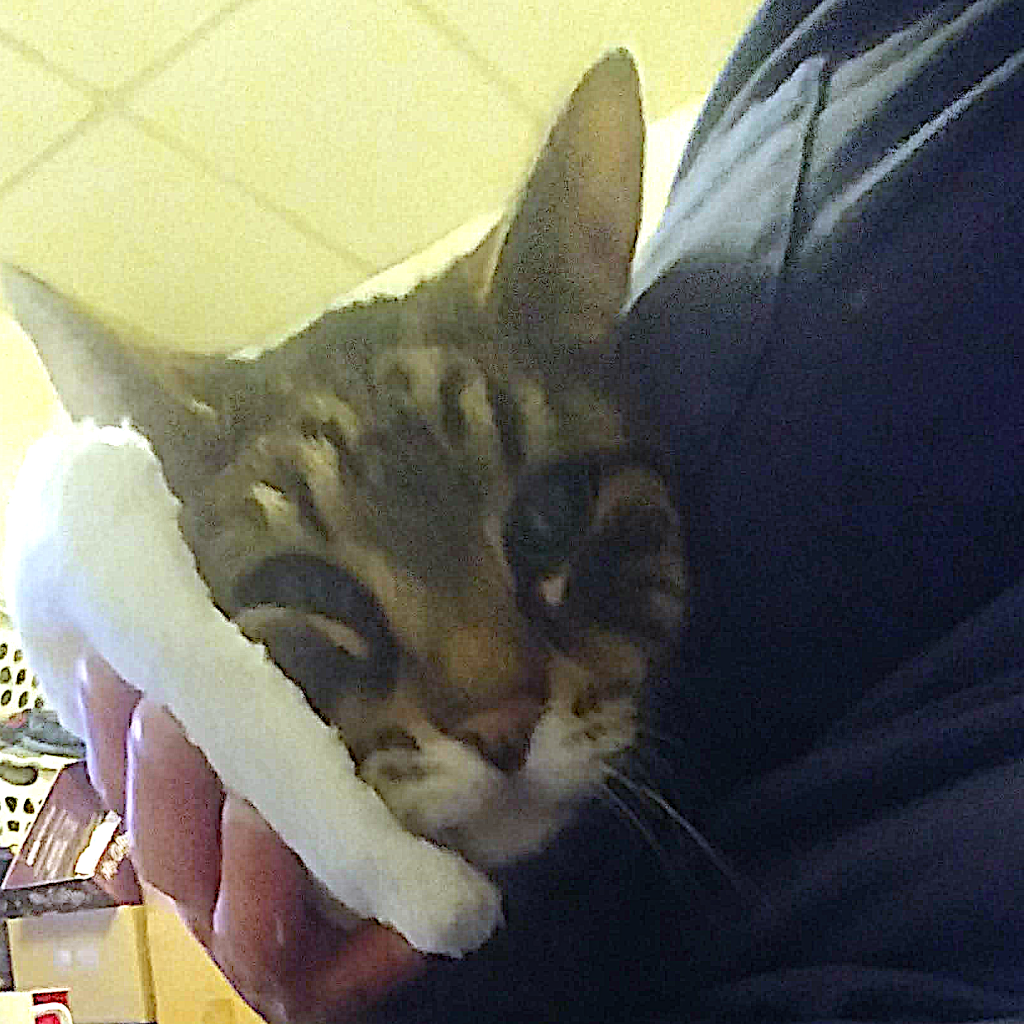 Medical procedures can feel like interruptions in the joyful parts of pet ownership, but they are also expressions of love. Choosing treatment, monitoring health, and supporting recovery are ways we honor the bond we share with our pets.
Senior pets especially deserve to feel safe and valued through every stage of life. They may move slower, need more help, or face more health challenges, but their capacity for connection does not fade. At BellenPaws, our mantra has always been true: Senior pets still have love to give. Supporting them emotionally through medical procedures ensures they feel that love even when things are hard.
Whether you are caring for a cat with diabetes, a dog recovering from surgery, or an aging companion facing routine testing, your empathy matters. Your patience matters. Your presence matters. And while no one can remove every moment of stress or fear, you can make sure your pet never faces it alone.