

There is a quiet kind of grief that begins long before we say goodbye. It does not arrive all at once. It settles in slowly, often unnoticed at first, like a shadow that stretches longer each day. If you are caring for a very old or terminally ill pet, you may already know this feeling. You are still feeding them, still giving medications, still hearing their familiar sounds in the house, but something has changed. Time feels different.
This is what many of us come to recognize as anticipatory grief. It is the ache of knowing what is coming while still living in the present moment. It can feel confusing, even disloyal at times. How can you grieve when your pet is still here, still looking at you, still depending on you?
The truth is, this kind of grief is not a betrayal of love. It is love, just in a different form.
Living in Two Timelines at Once
One of the hardest parts of anticipatory grief is that you are living in two emotional timelines at the same time. In one, your pet is still here. You are doing the daily routines, giving insulin shots, adjusting meals, watching their habits closely. In the other, you are already imagining life without them. You catch yourself thinking about the empty space they will leave behind, and then you feel guilty for even going there.
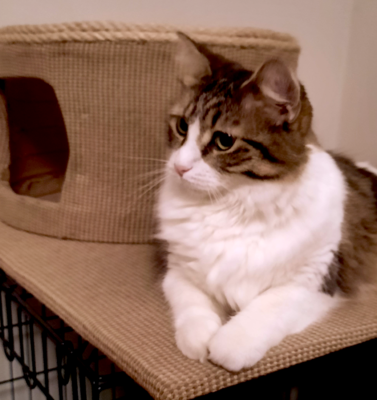
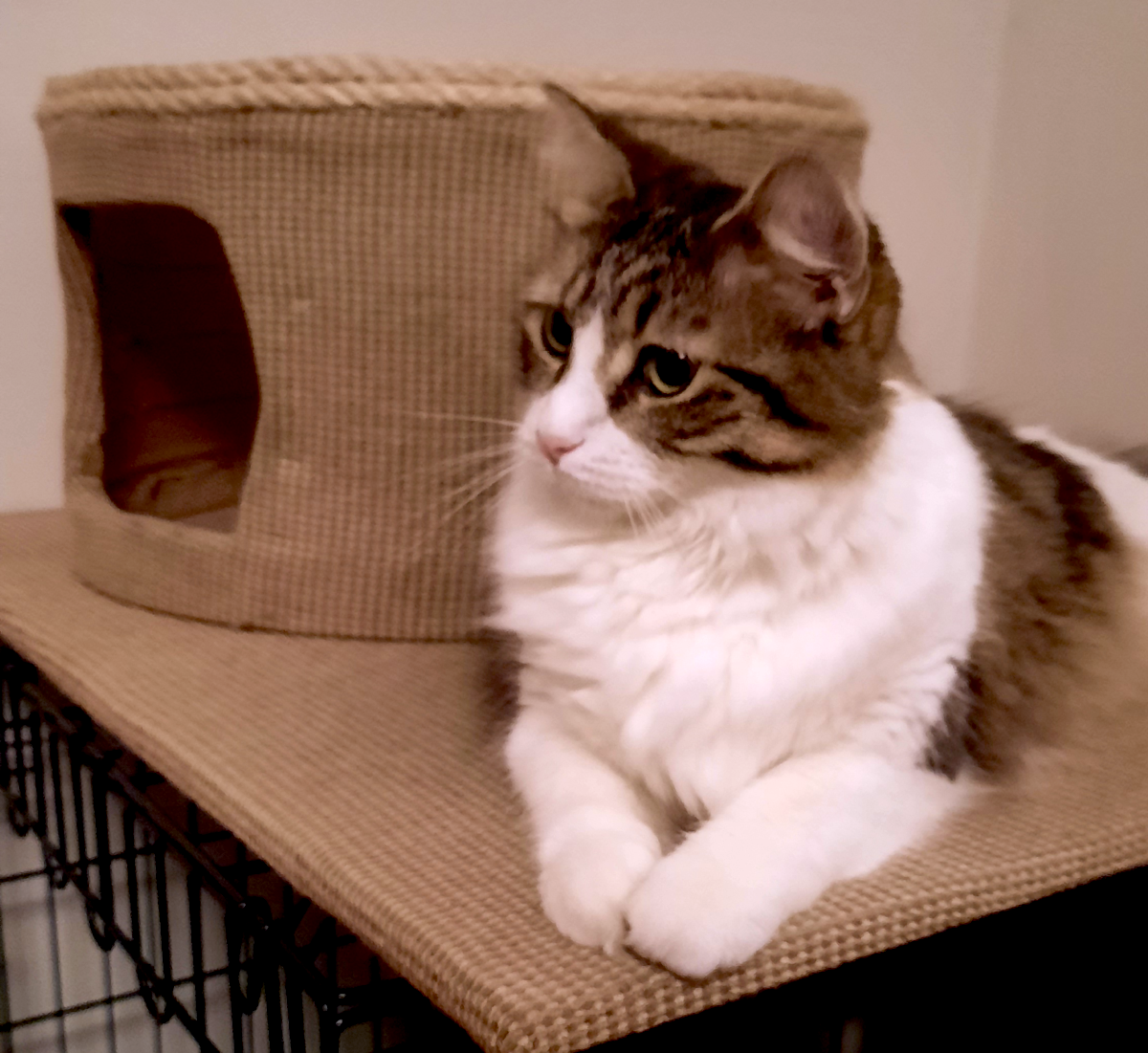
I remember going through this with Belle toward the end of her life. She had been through so much with her health, and we had learned to manage it together. There were days when she seemed stable, even comfortable. But there were also subtle signs that time was catching up with her. I would sit with her and feel this strange mix of gratitude and dread. I was thankful for that moment, yet already mourning its eventual absence.
This emotional overlap can be exhausting. It pulls your heart in different directions. One moment you are hopeful, the next you are bracing yourself. That back and forth is not weakness. It is the mind trying to prepare for loss while the heart insists on staying present.
The Guilt That Sneaks In
Guilt is one of the most common companions of anticipatory grief. It shows up in quiet ways. You might feel guilty for feeling sad too soon. You might feel guilty for wishing their suffering would end. You might even feel guilty for moments when you are tired, overwhelmed, or needing a break.
If you are caring for a diabetic pet like Bentley, who requires consistent insulin and monitoring, that weight can feel even heavier. The responsibility does not pause just because your emotions are running high. You still have to be precise, attentive, and calm. That can make you feel like you have no room to fall apart.
But here is something important to hold onto. Wanting peace for your pet is not the same as wanting to lose them. Feeling tired does not mean you love them any less. And grieving early does not take away from the time you still have.
These feelings exist because your bond runs deep. They are not signs that you are failing. They are signs that you care.
Learning to Stay Present Without Ignoring Reality
One of the biggest challenges during this time is finding a balance between staying present and acknowledging what is ahead. It is easy to fall into one extreme or the other. Some people try to push away all thoughts of loss and focus only on the moment. Others find themselves constantly anticipating the end, unable to enjoy the time that remains. Neither extreme truly helps.
Instead, it can be helpful to gently allow both realities to exist. You can sit with your pet, pet them, talk to them, and appreciate the warmth of their presence while also accepting that this chapter is nearing its close. It is not about forcing yourself to feel a certain way. It is about making space for whatever comes up.
Sometimes that means crying while you are holding them. Sometimes it means laughing at a small, familiar habit they still have. Both are valid. Both are part of the same experience.
Creating Meaning in the Time You Have
When time feels limited, it naturally begins to feel more precious. Many pet parents find themselves wanting to make every moment count. While that intention comes from love, it can also create pressure. You might start to feel like you have to do something special all the time. In reality, the most meaningful moments are often the simplest ones.
Sitting together in a quiet room. Letting them rest beside you. Speaking to them in the same tone you always have. These are the things your pet understands. They do not measure time in milestones or special events. They measure it in comfort, familiarity, and connection.
If your pet has a condition that requires tracking, like diabetes, this can also be a time where routines become a source of grounding. Keeping track of their glucose levels, meals, and behaviors is not just about data. It is about staying connected to their daily experience. Many pet parents find comfort in using structured tools during this time, whether it is a notebook or something like an online tracker with printable charts they can share with their vet. It creates a sense of purpose when everything else feels uncertain.
Letting Yourself Feel Without Judgment
Anticipatory grief does not follow a clean path. It can show up as sadness, anxiety, anger, or even moments of numbness. You might feel all of these in a single day. That unpredictability can make you feel like you are losing control. You are not.
Your emotions are responding to a situation that has no easy answers. There is no perfect way to handle this. The goal is not to manage your feelings into something neat and acceptable. The goal is to allow them without judging yourself for having them.
If you need to cry, cry. If you need to step away for a moment to collect yourself, do that. If you find yourself smiling at a memory or a small interaction, let that happen too. Grief, even before loss, is not something to fix. It is something to move through.
Preparing Without Giving Up
There is a delicate line between preparing for loss and feeling like you are giving up. Many pet parents struggle with this. Thinking about end of life decisions, comfort care, or even logistics can feel like a betrayal. But preparation is not the same as surrender.
Taking the time to understand your pet’s condition, talking with your veterinarian about what to expect, and considering what quality of life means for your pet are all acts of love. They ensure that when the time comes, you are making decisions from a place of care rather than panic.
This preparation can also ease some of the anxiety that comes with the unknown. When you have a general sense of what signs to look for or what options are available, it becomes a little easier to stay present without feeling completely unmoored.
The Quiet Bond That Deepens
There is something that often happens during this period that is difficult to put into words. The bond between you and your pet can deepen in a very quiet, profound way. It is not loud or dramatic. It is subtle. You start to notice the small things more. The way they look at you. The rhythm of their breathing when they are resting. The comfort they take just from being near you.
They may not understand the concept of time the way we do, but they understand connection. They know who you are. They know the safety and love you provide. In many ways, this time becomes less about what is coming and more about what has always been there.
Finding Support When You Need It
Anticipatory grief can feel isolating. Not everyone understands what it is like to care for a pet in this stage of life. Some people may minimize your feelings or try to reassure you in ways that do not quite land.
It is important to seek out spaces where your experience is understood. That might be a close friend who has gone through something similar, an online community, or even just reading stories from others who have walked this path.
You do not have to carry this alone. Even small forms of support can make a difference. Talking about your pet, sharing updates, or simply expressing how you are feeling can lighten the emotional load.
Holding On and Letting Go at the Same Time
Perhaps the most difficult truth of anticipatory grief is that it asks you to do two opposing things at once. It asks you to hold on tightly to the time you have while also beginning the process of letting go. That tension is not something you resolve. It is something you learn to live with, one day at a time.
You wake up, you care for your pet, you respond to what they need, and you allow yourself to feel whatever comes with it. Some days will feel heavier than others. Some days might surprise you with moments of peace. Through it all, your presence matters more than anything else.
A Love That Does Not End Here
The grief you feel before loss is a reflection of the life you have shared. It is built from years of routines, challenges, small victories, and quiet companionship. It is not separate from your love. It is an extension of it. When the time eventually comes, that love does not disappear. It changes form, but it remains part of you.
For now, while your pet is still here, even if their time feels uncertain, there is still something deeply meaningful happening. You are showing up for them. You are giving them comfort, stability, and care during a stage of life where they need it most.
That is not something small. That is everything. And if your heart feels heavy during this time, know that it is carrying something very real, very deep, and very important.