
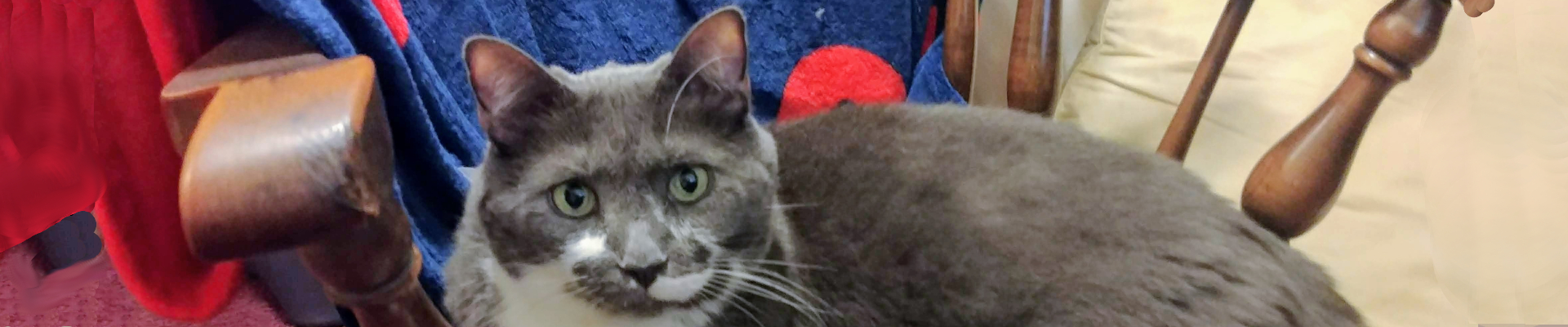
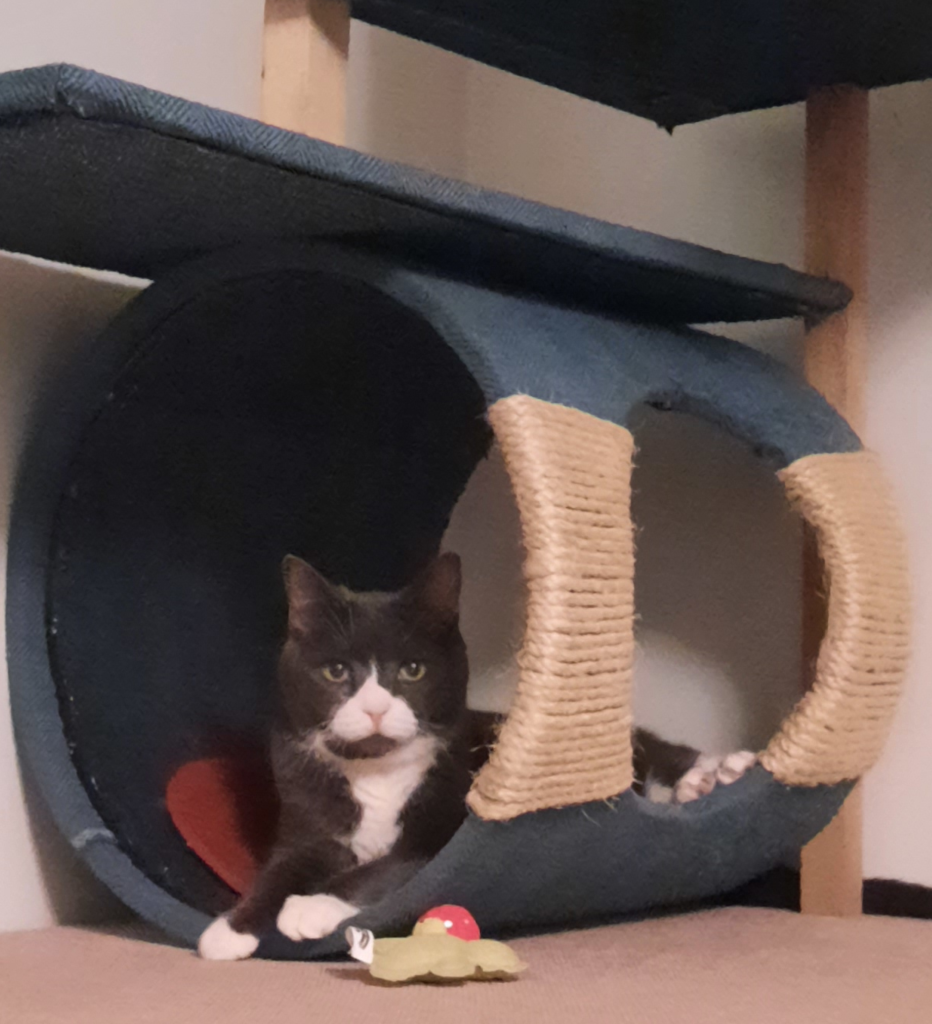
There comes a quiet shift in a cat’s life that is easy to miss if you are not looking for it. It does not arrive all at once. It unfolds slowly, in small moments. A hesitation before jumping. A longer pause at the food bowl. A night that feels more restless than usual. Aging in cats is not just about slowing down. It is about a change in how they experience their world, and sometimes how they understand it.
For those of us who have shared our lives with senior cats, we learn that aging is not simply physical. It touches their routines, their comfort, and even their sense of familiarity. What once felt automatic for them can become confusing or uncomfortable. And the hardest part is that they cannot explain what is happening. They rely on us to notice.
At BellenPaws, we have walked this path many times. Each cat teaches you something new about patience, awareness, and the quiet ways they ask for help.
The Subtle Nature of Cognitive Changes
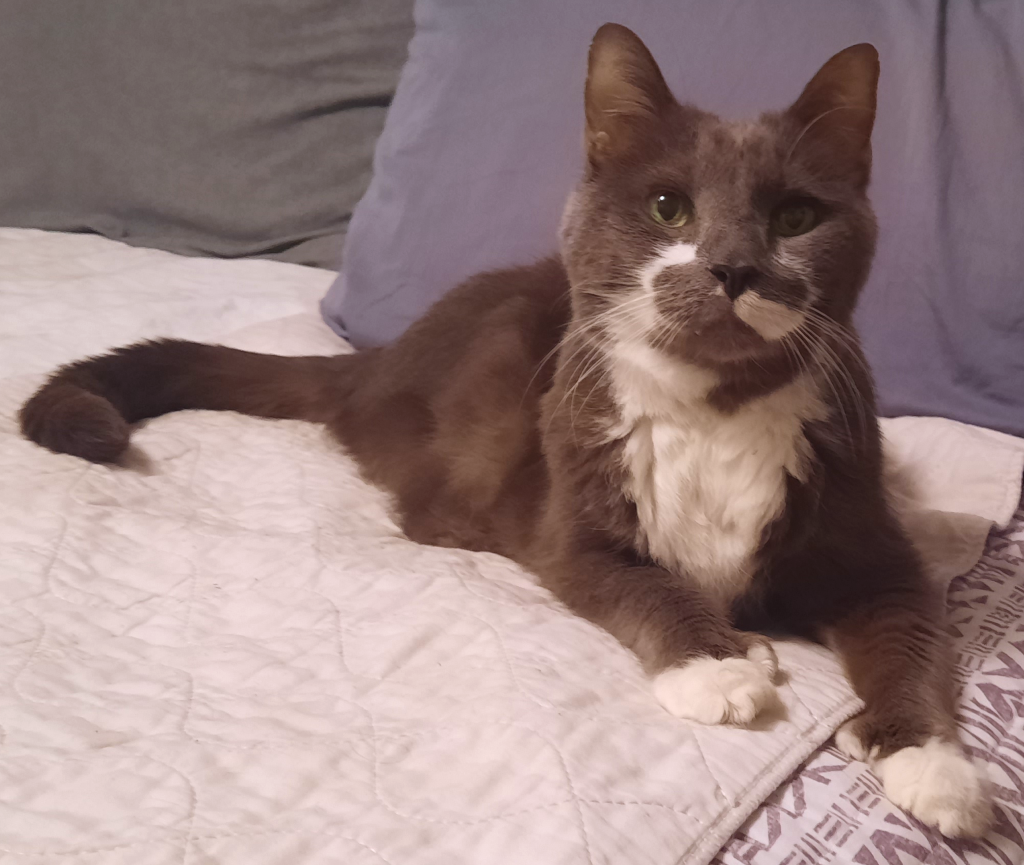 One of the most misunderstood parts of aging in cats is cognitive change. It can show up in ways that feel small at first. A cat may wander into a room and seem unsure why they are there. They may vocalize more at night, almost as if calling out into the dark. Some begin to forget familiar routines, like where their litter box is or when mealtime usually happens.
It can be easy to mistake these changes for behavioral issues, but often they are signs of something deeper. Much like humans, senior cats can experience cognitive decline. Their memory, awareness, and sense of time can shift.
We saw this gently with Belle. She had always been a creature of routine. Meals at the same time. Favorite resting spots. A predictable rhythm to her day. As she aged, there were moments when that rhythm seemed to slip. She would pause in the middle of the room, looking around as if something did not quite make sense anymore. It was not constant, but it was enough to remind us that her world was changing in ways we could not fully see.
What matters most in these moments is not correction. It is reassurance. A familiar voice. A gentle touch. Keeping things predictable becomes more than a convenience. It becomes a form of comfort.
Routine as an Anchor in an Uncertain World
Younger cats are adaptable. They can handle changes in schedule, environment, or even new people with relative ease. Senior cats are different. Routine becomes their anchor.
As cognitive changes set in, predictability helps them feel safe. Feeding at consistent times, keeping litter boxes in the same place, and maintaining familiar sleeping areas can reduce confusion and stress. Even small disruptions can feel overwhelming to an older cat whose internal sense of order is no longer as strong.
This becomes especially important for cats managing conditions like diabetes. When we cared for Bentley, who is currently on tight regulation and receives insulin twice a day, consistency was everything. Not just for his blood glucose levels, but for his sense of security. Meals, injections, and monitoring all followed a steady rhythm. Over time, you could see how much he relied on that predictability.
For pet parents navigating diabetes, tools can make this easier to manage. We created a free diabetes tracker on BellenPaws that helps log readings and routines in a clear, printable format. It is not just about data. It is about building a consistent pattern that your cat can rely on day after day. Routine is not just a schedule. For a senior cat, it is a language of reassurance.
Pain That Speaks in Silence
 One of the most challenging aspects of senior cat care is recognizing pain. Cats are incredibly skilled at hiding discomfort. It is part of their nature. In the wild, showing weakness can make them vulnerable. That instinct does not disappear just because they live in a loving home.
Instead of obvious signs, pain often shows up in subtle changes. A cat may stop jumping onto their favorite perch. They may groom less, or sometimes more in a specific area. Their posture may change slightly, or they may become less social.
Conditions like arthritis are very common in senior cats, yet they often go unnoticed because the signs are so easy to miss. What looks like laziness can actually be discomfort. What seems like moodiness can be pain.
We learned this lesson with several of our cats over the years, but it always comes with a moment of realization. You look back and think, “That was not just aging. That was something they were coping with quietly.”
When pain is managed properly, the difference can be remarkable. A cat who seemed withdrawn may become more engaged again. Small adjustments like softer bedding, easier access to favorite spots, or even adding steps or ramps can make a big difference.
The key is awareness. Watching not just what your cat does, but how they do it.
How Seniors Cope Differently Than Younger Cats
Perhaps the most important thing to understand is that senior cats do not cope with challenges the same way younger cats do. Their resilience looks different. It is quieter, more cautious, and often more dependent on their environment.
A younger cat faced with discomfort might push through it or bounce back quickly. A senior cat may withdraw. They may conserve energy, avoid movement, or seek out solitude. This is not a lack of strength. It is a different kind of adaptation.
Cognitive changes, pain, and routine disruptions can overlap, creating a layered experience for your cat. A small change in the home, like moving furniture or altering feeding times, might not seem significant to us. But for a senior cat, it can feel disorienting.
Their coping mechanisms often revolve around minimizing stress. They may stick to one area of the home. They may prefer familiar textures, sounds, and smells. They may become more sensitive to noise or activity.
This is where our role becomes so important. We are not just caregivers. We are interpreters of their experience. We create an environment that supports them, even when they cannot tell us what they need.
Creating a Senior-Friendly Environment
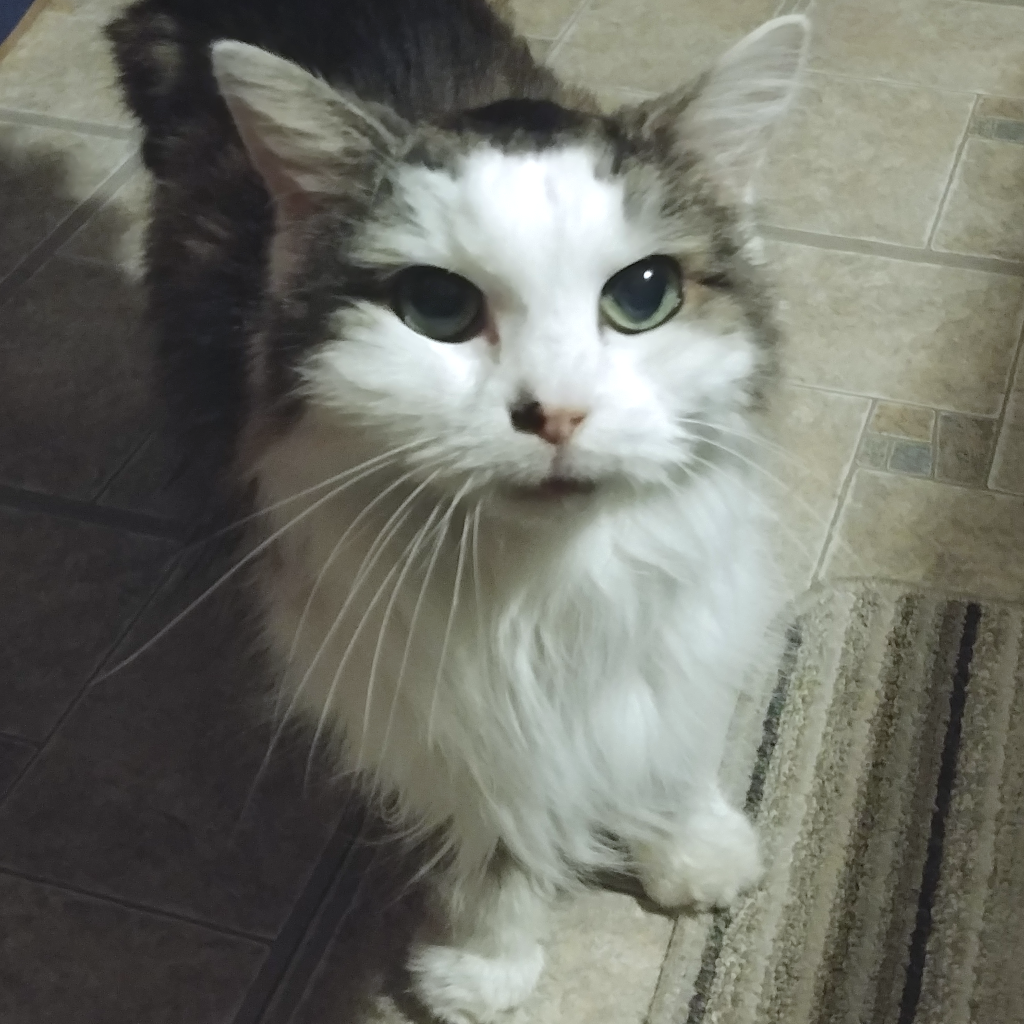 Supporting a senior cat does not require a complete overhaul of your home. It is about thoughtful adjustments that make daily life easier and more comfortable. Accessibility becomes a priority. Making sure food, water, and litter boxes are easy to reach without requiring jumps or long walks can reduce strain. Adding extra litter boxes in different areas of the home can help if mobility or memory becomes an issue.
Comfort matters more than ever. Soft, warm resting spots can soothe joints and provide a sense of security. Keeping those spots in familiar locations helps reinforce routine. Lighting can also play a role. As vision changes with age, dim areas may become harder to navigate. Gentle lighting at night can help reduce confusion, especially for cats who tend to wander.
And perhaps most importantly, maintaining a calm and predictable environment helps reduce stress. Loud noises, sudden changes, or disruptions in routine can be more impactful for a senior cat than we might expect.
The Emotional Side of Aging
There is an emotional layer to all of this that often goes unspoken. Watching a cat age can be both beautiful and heartbreaking. You see their wisdom, their resilience, and their deep connection to you. But you also see the changes, the slowing down, the moments of confusion. It is easy to feel like you are losing pieces of who they once were. But in truth, they are still there. They are just experiencing the world differently.
Senior cats often form even deeper bonds with their humans. They seek out comfort, familiarity, and connection. A quiet moment together on the couch can mean more than it ever did before. A gentle pet, a soft voice, a shared routine. These become the foundations of their world. Caring for a senior cat teaches patience in a way nothing else does. It asks you to slow down, to pay attention, and to meet them where they are.
Finding Confidence in the Journey
If you are navigating this stage with your cat, it is important to know that you are not alone. Every small adjustment you make, every moment you take to understand their needs, matters more than you realize. There is no perfect way to handle aging. Every cat is different. What works for one may not work for another. The goal is not perfection. It is attentiveness and compassion.
For those managing additional conditions like diabetes, having the right tools and routines can bring a sense of control to an otherwise uncertain process. Whether it is using a tracker to monitor glucose levels or printing out curve sheets to share with your vet, these small steps can make a big difference.
But beyond the tools and routines, what your cat needs most is you. Your presence. Your consistency. Your willingness to adapt alongside them.
Growing Older Together
 Aging is not something to fear. It is something to understand. Our senior cats are not broken versions of their younger selves. They are evolving, just as we do. Their needs change, their behaviors shift, and their way of interacting with the world becomes more nuanced.
When we take the time to recognize these changes, we can support them in ways that truly matter. We can reduce their stress, ease their discomfort, and help them feel safe in a world that may not always make sense anymore.
In many ways, this stage of life deepens the bond we share with them. It becomes less about play and more about presence. Less about activity and more about connection. And in those quiet moments, when they curl up beside you, still trusting, still seeking comfort, you realize something important.
They may be aging. But the love they give and the love you share does not fade. It simply grows into something deeper, steadier, and even more meaningful with time.