Cats experience the world differently than humans do. While people tend to focus on floor space, cats instinctively think in three dimensions. Height, vertical territory, and elevated pathways are not luxuries for cats. They are essential components of physical health, emotional well being, and natural behavior expression. Understanding why cats need vertical scratching and climbing spaces helps caregivers create environments that support a cat’s instincts rather than working against them.
From domestic house cats to their wild ancestors, climbing and scratching are deeply ingrained behaviors tied to survival, communication, and comfort. When these needs are ignored, cats often find ways to compensate, sometimes in ways that humans find frustrating. When these needs are supported, cats tend to be calmer, more confident, and better adjusted.
The Natural Instinct to Climb and Observe
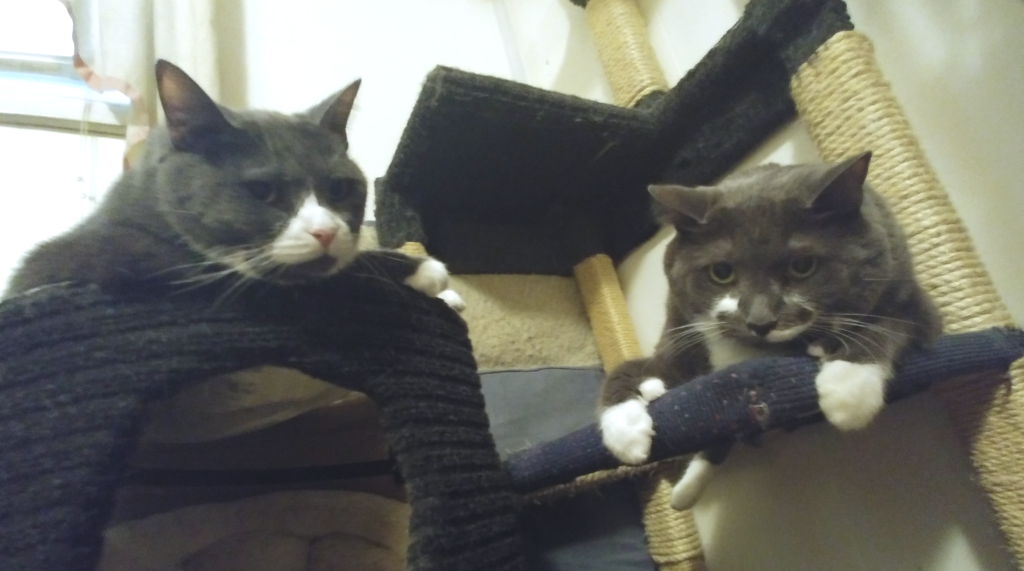 In the wild, cats are both predators and prey. This dual role has shaped their instincts over thousands of years. Height provides safety, visibility, and control. From an elevated position, a cat can observe its surroundings, assess potential threats, and watch for opportunities without being directly involved.
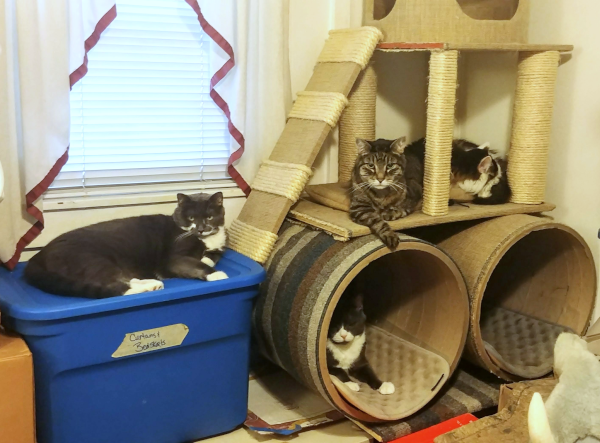
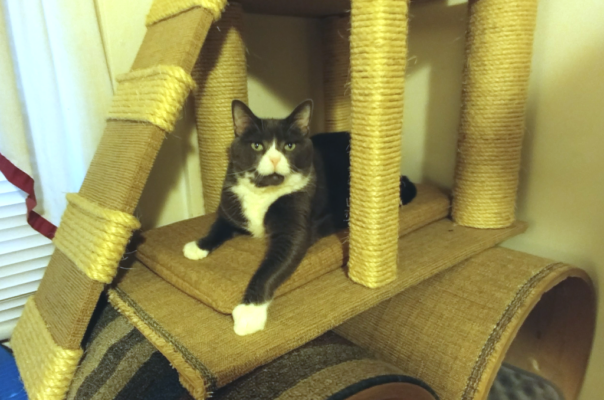
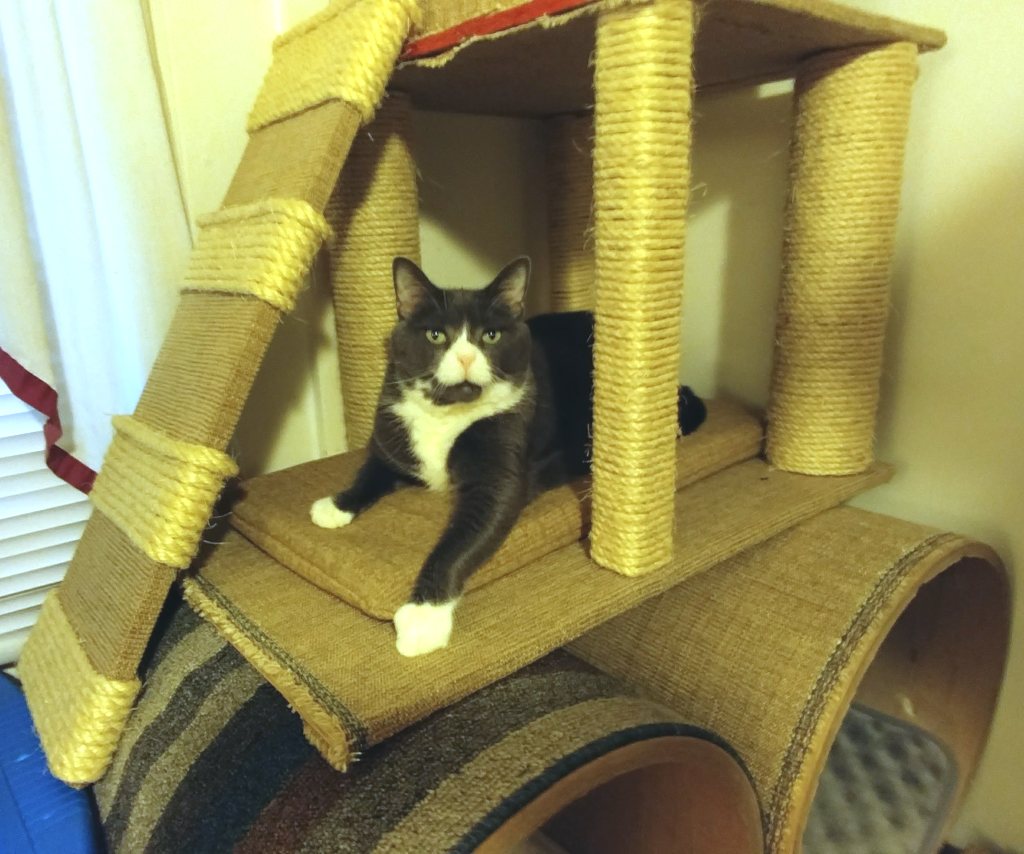
Even domestic cats retain this instinct. A cat perched on a shelf or cat tree is not being aloof or antisocial. It is fulfilling a deeply rooted need to monitor its environment from a secure vantage point. Vertical spaces allow cats to retreat without fully isolating themselves, which can reduce stress and prevent conflict in multi pet households.
Climbing also supports muscle tone and coordination. Jumping up, balancing, and navigating narrow surfaces engage core muscles, improve flexibility, and maintain joint mobility. This is especially important for indoor cats, whose opportunities for varied movement may otherwise be limited.
Scratching as a Physical and Emotional Necessity
Scratching is often misunderstood as destructive behavior, but it is a normal and necessary activity for cats. When a cat scratches, it is doing far more than sharpening its claws.
Scratching helps remove the outer layers of the claw, keeping them healthy and functional. It stretches the muscles of the shoulders, back, and legs, which contributes to overall physical comfort. Many cats scratch upon waking because it helps them fully extend their bodies after rest.
Scratching also plays a role in communication. Cats have scent glands in their paws, and scratching leaves both a visual mark and a scent marker. This is how cats define their territory and create a sense of familiarity and safety in their environment.
Vertical scratching surfaces are especially important because they allow cats to fully extend their bodies. Horizontal scratchers can be useful, but they do not replace the need for upright scratching that engages the entire musculoskeletal system.
The Importance of Vertical Territory in Multi Cat Homes
In homes with more than one cat, vertical space becomes even more critical. Cats do not share territory in the same way that many social animals do. Instead, they prefer to divide space in ways that minimize direct confrontation.
Vertical territory allows cats to occupy the same room without competing for the same physical area. One cat may choose the floor, another a chair, and another a shelf or cat tree. This spatial separation can prevent tension and reduce the likelihood of aggressive encounters.
When vertical options are limited, cats may block hallways, doorways, or litter box access as a way to control territory. This can lead to stress, inappropriate elimination, or behavioral issues that are often misinterpreted as defiance rather than anxiety.
Providing multiple climbing and scratching options at different heights allows each cat to establish a sense of ownership and safety without conflict.
Mental Stimulation and Environmental Enrichment
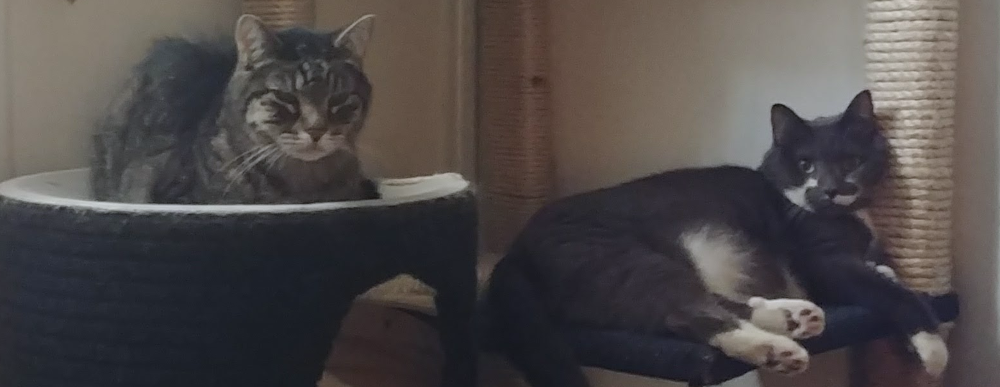 Cats are intelligent animals that thrive on mental engagement. Without sufficient stimulation, boredom can lead to behavioral problems such as excessive vocalization, destructive scratching, or withdrawal.
Vertical climbing spaces create opportunities for exploration and problem solving. Navigating a series of shelves or platforms requires balance, planning, and coordination. When paired with window access, these spaces allow cats to observe birds, people, and changing outdoor environments, which can provide hours of passive enrichment.
Scratching posts and climbing structures also encourage play. Cats often incorporate scratching into play sequences, pouncing, climbing, and leaping as part of a complete behavioral cycle. This kind of activity helps burn energy and supports emotional regulation.
A well designed vertical environment can make a small living space feel expansive from a cat’s perspective.
Stress Reduction and Emotional Security
Stress in cats often manifests subtly. Changes in appetite, grooming habits, sleep patterns, or litter box use can all be signs of emotional discomfort. One of the most effective ways to reduce feline stress is by providing control over their environment.
Vertical spaces give cats choices. A cat that feels overwhelmed can retreat upward rather than hiding under furniture. Being elevated allows cats to feel safe without becoming isolated, which is especially important in busy households.
Climbing and scratching also release physical tension. The stretching and exertion involved help regulate stress hormones and promote relaxation afterward. Many cats show calmer behavior after engaging with appropriate scratching and climbing structures.
For senior cats or cats with limited mobility, gentle ramps or lower platforms can still provide the psychological benefits of elevation without excessive strain.
Supporting Healthy Aging and Mobility
As cats age, maintaining muscle strength and joint flexibility becomes increasingly important. Regular climbing and stretching can help slow the natural decline in mobility by keeping muscles engaged and joints lubricated.
Vertical scratching posts encourage stretching that supports spinal health and shoulder mobility. Climbing structures can be adjusted to suit an aging cat’s abilities, offering gradual height changes rather than large jumps.
Providing appropriate vertical spaces early in life helps cats build strength and coordination that benefits them later. It also encourages consistent movement habits that support long term health.
Ignoring these needs can contribute to stiffness, weight gain, and decreased confidence as cats age.
Preventing Destructive Scratching
One of the most common complaints from cat caregivers is damage to furniture, carpets, or walls. In many cases, this behavior is not a training issue but an environmental mismatch.
When cats lack appropriate vertical scratching surfaces, they will naturally seek out alternatives that meet their needs. Furniture often provides the right height, texture, and stability, making it an attractive substitute.
Placing sturdy vertical scratching posts near sleeping areas, entrances, or commonly used furniture increases the likelihood that cats will use them. Cats often scratch after waking or when entering a space, so location matters as much as design.
Providing a variety of textures, such as sisal, cardboard, or wood, allows cats to choose what feels most satisfying to them.
Designing a Vertical Friendly Home
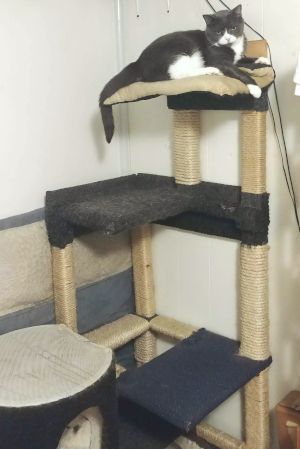 Creating vertical space does not require a large home or expensive equipment. Simple additions can make a significant difference.
Wall mounted shelves arranged in staggered patterns can create climbing pathways. Tall cat trees placed near windows offer both elevation and entertainment. Stable scratching posts that do not wobble encourage regular use.
Safety is essential. All structures should be secure and able to support the cat’s weight without shifting. Platforms should have adequate traction, especially for older cats.
It is also important to respect a cat’s preferences. Some cats enjoy high perches, while others prefer mid level platforms. Observing how a cat interacts with its environment can guide thoughtful placement.
The Human Cat Relationship and Respecting Instincts
Understanding and supporting a cat’s need for vertical scratching and climbing spaces strengthens the human cat bond. When cats feel understood and accommodated, they are more likely to display relaxed, affectionate behavior.
Rather than viewing scratching or climbing as problems to be managed, recognizing them as essential behaviors allows caregivers to work with a cat’s instincts instead of against them.
This approach reduces frustration on both sides and fosters an environment where cats can thrive physically and emotionally.
Conclusion
Vertical scratching and climbing spaces are not optional extras in a cat’s environment. They are fundamental to physical health, emotional balance, and behavioral well being. Cats are natural climbers and scratchers, shaped by instincts that remain strong even in the comfort of modern homes.
By providing appropriate vertical opportunities, caregivers support their cats’ natural behaviors, reduce stress, prevent conflict, and encourage healthy movement throughout life. A home that embraces vertical space becomes not just a place where a cat lives, but a place where a cat truly feels at home.