

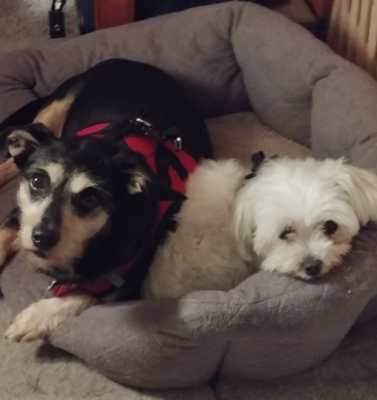
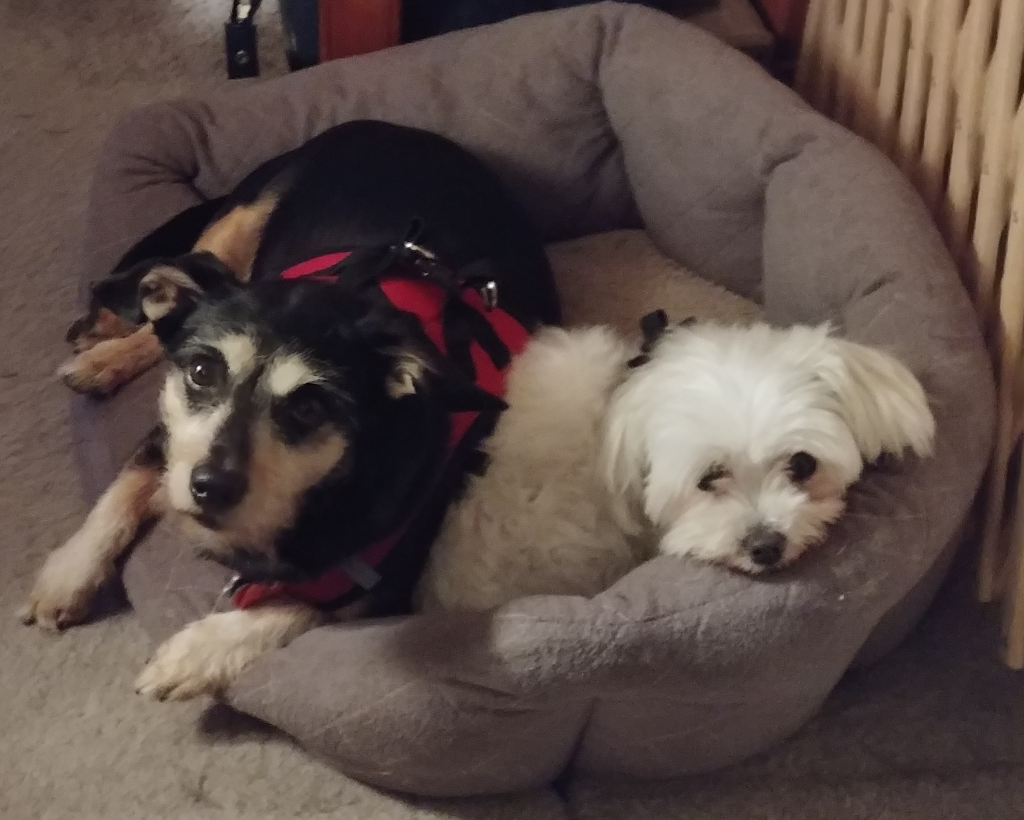
There is a common saying that you cannot teach an old dog new tricks. Anyone who has shared life with a senior pet knows that simply is not true. What changes with age is not the ability to learn, but the way learning happens. Older dogs may slow down physically, but their minds still crave engagement, purpose, and connection.
In fact, mental stimulation becomes even more important as dogs age. When long walks become shorter and energetic play fades into gentle movement, the mind becomes one of the most powerful tools we have to keep our pets happy. A stimulated mind can ease anxiety, reduce boredom, and even help slow cognitive decline.
We have lived through this transition many times. Watching a once energetic companion adapt to a quieter life is emotional, but it also opens the door to a deeper kind of bonding. Teaching an older dog something new is not about performance. It is about communication, trust, and shared moments.
Why Mental Exercise Matters More in Senior Years
As dogs grow older, their bodies naturally change. Joints may stiffen, eyesight may dim, and stamina decreases. At the same time, their need for enrichment does not disappear. If anything, it becomes more important.
Mental stimulation helps in several ways:
- It keeps the brain active and engaged
- It reduces restlessness and nighttime pacing
- It can help manage weight by replacing inactive boredom with focused activity
- It strengthens the bond between you and your pet
For dogs experiencing cognitive changes, sometimes compared to dementia in humans, gentle mental challenges can provide structure and familiarity. These small moments of problem-solving can bring confidence back into their daily routine.
Rethinking “Tricks” for Older Dogs
When we think of tricks, we often picture jumping through hoops or rolling over on command. For a senior dog, tricks look different. They are quieter, slower, and more thoughtful.
A “trick” might be as simple as:
- Finding a hidden treat
- Recognizing a favorite toy by name
- Responding to a new verbal cue
- Following a scent trail across a room
The goal is not to impress anyone. The goal is to engage your dog’s mind in a way that feels rewarding, not exhausting.
Food Puzzles and Gentle Problem Solving
 One of the easiest ways to introduce mental stimulation is through food-based activities. Dogs are naturally motivated by scent and reward, which makes this approach both effective and enjoyable.
You can start simple. Place a few treats under a towel or inside a loosely folded blanket. Let your dog figure out how to uncover them. This encourages natural problem-solving without requiring physical strain.
Another option is to use a slow feeder bowl or a puzzle feeder. These tools turn mealtime into an activity rather than a routine. For senior dogs who eat quickly or seem bored with their food, this can make a big difference.
If your dog has diabetes or requires careful dietary management, you can still use this method. Just use their regular measured food portion instead of extra treats. This keeps the activity safe while still engaging their mind.
Scent Games That Tap Into Natural Instincts
 A dog’s sense of smell is one of their strongest abilities, and it does not fade as quickly as other senses. Scent-based games are perfect for older dogs because they are low impact but highly stimulating.
Start by showing your dog a treat and letting them smell it. Then hide it nearby while they watch. Gradually increase the difficulty by hiding it out of sight. You can place treats behind furniture legs, under cushions, or along a safe path in your home.
Over time, you can introduce simple scent trails. Drag a treat lightly across the floor for a short distance and hide it at the end. Your dog will follow the scent, engaging their brain and instincts without needing to run or jump.
These activities are especially helpful for dogs who can no longer see well. Their nose becomes their guide, giving them confidence and independence.
Teaching New Words and Commands
Older dogs are fully capable of learning new words. In fact, many enjoy the process because it brings attention and interaction.
Choose simple commands that do not require physical strain. For example:
- “Touch” for gently placing their nose against your hand
- “Find it” for locating a hidden object
- “Look” for making eye contact
- “Wait” for building patience
Keep training sessions short and positive. A few minutes at a time is enough. Use a calm voice and reward success with praise or a small treat.
One of the most rewarding things we have experienced is teaching a senior dog to recognize the names of their toys. Even a dog with limited mobility can participate by selecting a toy placed nearby. It becomes a conversation rather than a command.
Interactive Toys That Encourage Thinking
 There are many toys designed specifically to challenge a dog’s mind. These often involve sliding pieces, hidden compartments, or gentle manipulation to release a reward. For senior dogs, choose toys that are easy to use. Avoid anything that requires strong jaw pressure or complex movement. The goal is engagement, not frustration.
Rotating toys can also keep things interesting. Instead of leaving all toys out at once, offer a few at a time and switch them every few days. This creates a sense of novelty without overwhelming your dog.
The Power of Routine and Familiar Challenges
Senior dogs often find comfort in routine. Mental stimulation does not always have to be new. Repeating familiar activities can be just as beneficial. If your dog enjoys a certain game, make it part of their daily rhythm. A short scent game in the morning or a puzzle feeder in the evening can provide structure and anticipation.
Consistency helps reduce anxiety. It gives your dog something to look forward to and reinforces a sense of stability, especially if they are dealing with age-related changes.
Gentle Social Interaction as Mental Enrichment
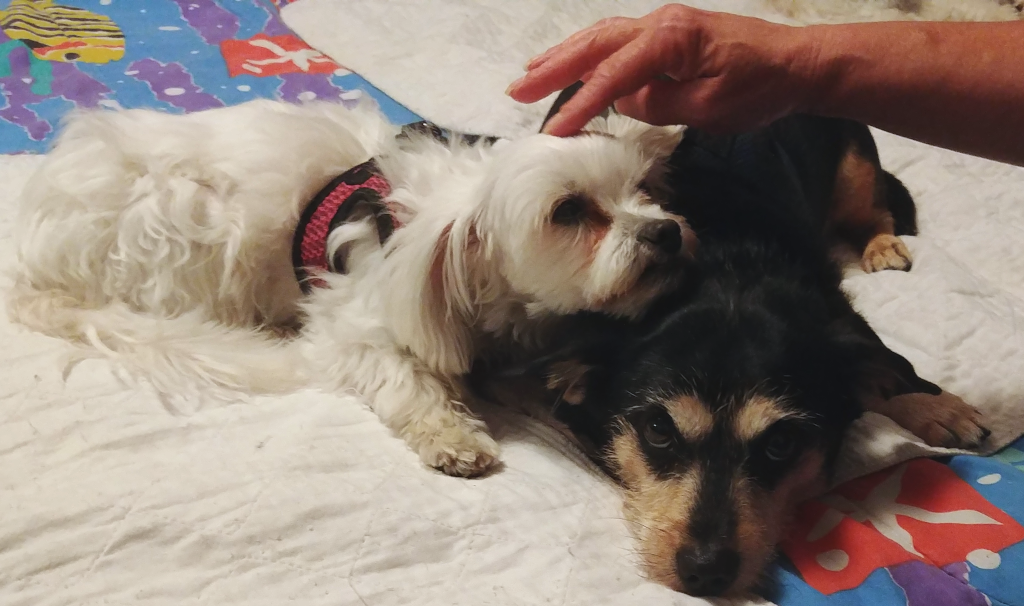
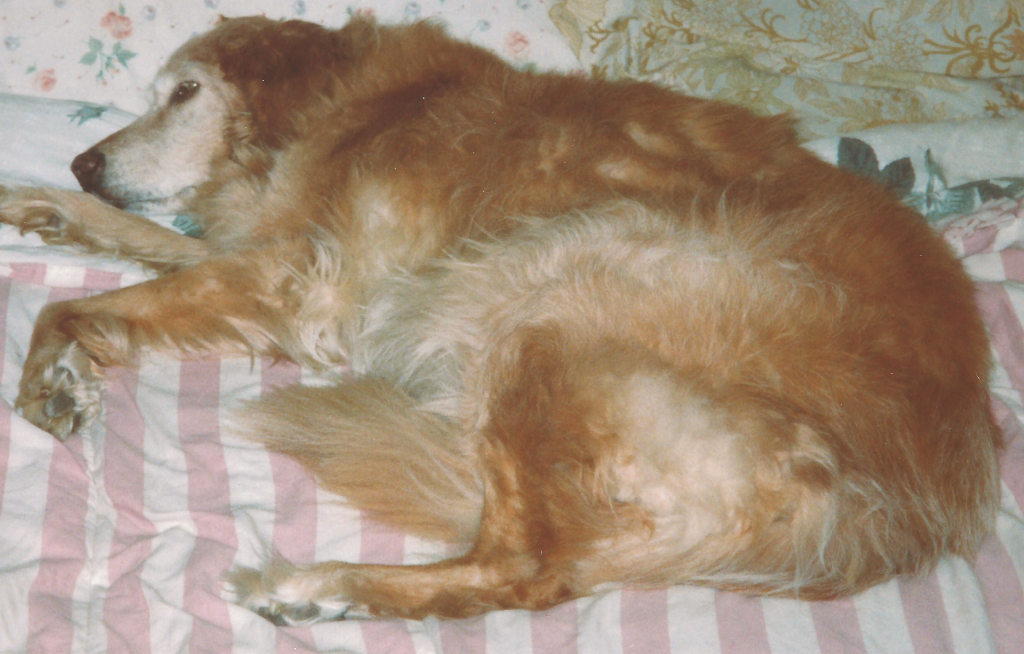 Mental stimulation is not limited to games and training. Simply spending focused time with your dog can be incredibly enriching. Talking to your dog, making eye contact, and offering gentle touch all contribute to their emotional well-being. For dogs that have become less active, these moments often mean more than physical play ever did.
We have found that sitting quietly with a senior pet and engaging them with soft conversation can be just as powerful as any structured activity. They respond to tone, presence, and connection.
Adapting to Health Conditions
Every senior dog is different. Some may have arthritis, others may have vision or hearing loss, and some may be managing chronic conditions like diabetes.
Mental stimulation should always be adapted to your dog’s needs:
- For dogs with limited mobility, focus on stationary activities
- For dogs with vision loss, rely more on scent and sound
- For dogs with hearing loss, use visual cues and hand signals
- For diabetic dogs, incorporate mental games into regular feeding routines
If your dog has fluctuating energy levels, adjust accordingly. Some days may allow for more engagement, while others call for rest. Paying attention to these signals is part of caring for a senior pet.
Signs Your Dog Is Enjoying the Activity
It is important to watch how your dog responds. Positive signs include:
- Relaxed body language
- Gentle tail movement
- Focused attention
- Willing participation
If your dog seems frustrated, tired, or disinterested, it is okay to stop and try again later. The experience should always feel positive and safe.
A Different Kind of Achievement
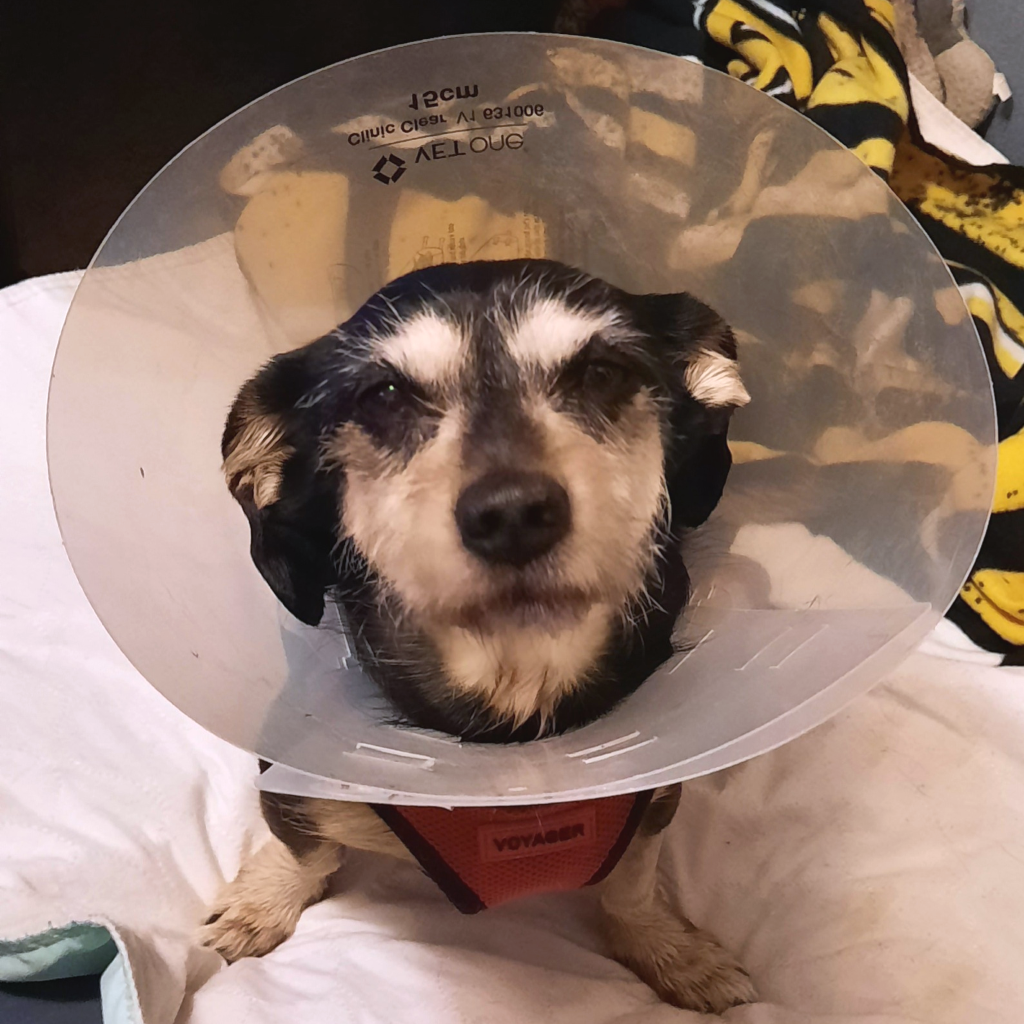 Teaching an older dog something new is not about checking off milestones. It is about creating moments that matter. There is something deeply meaningful about watching a senior dog solve a simple puzzle or respond to a new cue. It reminds us that learning does not stop with age. It evolves.
We have seen dogs who once raced across a yard find joy in quietly discovering a hidden treat. We have seen dogs facing health challenges light up during a short training session. These moments stay with you.
Closing Thoughts
Aging changes the pace of life, but it does not take away the need for curiosity, connection, or purpose. Senior dogs still want to engage with the world around them. They just need a different path to do it. Mental stimulation offers that path. It allows your dog to stay active in a way that respects their body while nourishing their mind.
If you take anything from this, let it be this. It is never too late to teach your dog something new. And sometimes, the smallest lessons become the most meaningful ones.