
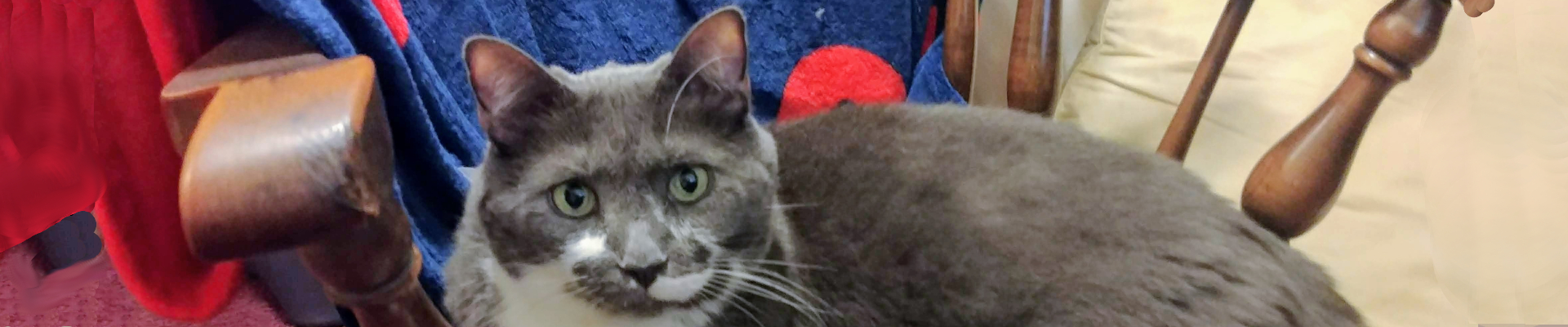
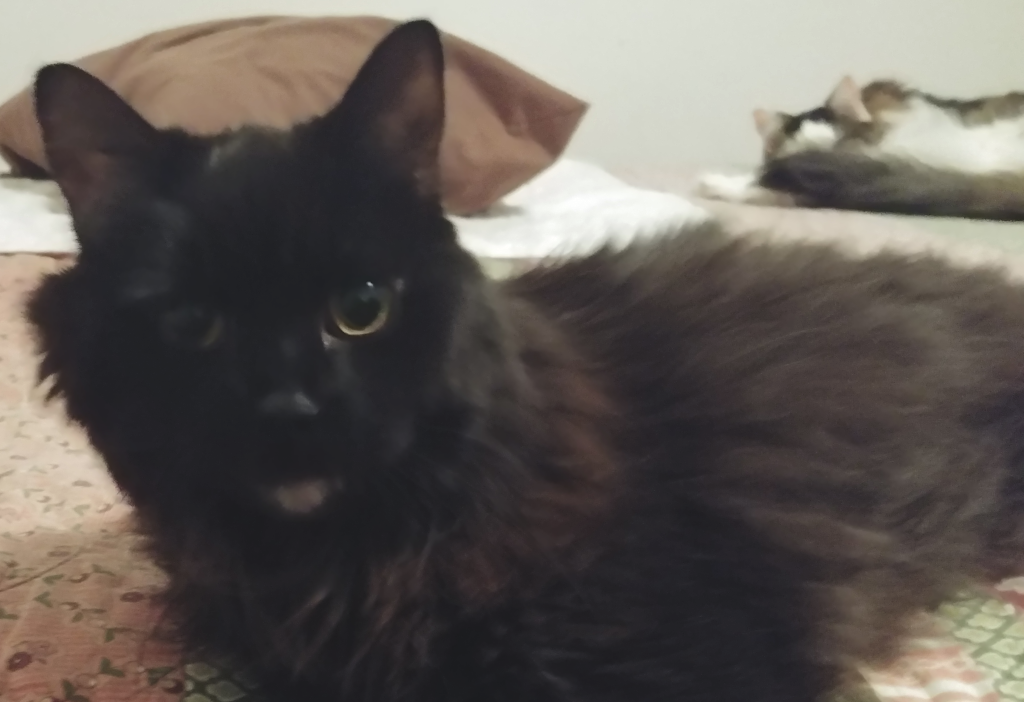
Chronic kidney disease is one of the most common health conditions affecting senior cats. As cats age, their kidneys gradually lose efficiency, making it harder to filter waste, regulate fluids, and maintain healthy mineral balance. While kidney disease cannot be cured, its progression can often be slowed with thoughtful daily care, early awareness, and consistent management. Many cats live comfortably for years after diagnosis when their needs are met with patience and planning.
Understanding how kidney disease develops and how everyday choices affect kidney workload empowers caregivers to make meaningful changes. Small adjustments in hydration, diet, environment, and observation can add up to significant improvements in quality of life.
Understanding How the Kidneys Work in Cats
The kidneys perform several vital functions. They filter waste products from the blood, regulate electrolytes, manage hydration, support red blood cell production, and help control blood pressure. In cats, the kidneys are especially sensitive to long term dehydration and age related wear.
Unlike acute kidney injury, which happens suddenly, chronic kidney disease develops slowly over months or years. By the time symptoms appear, a significant portion of kidney function may already be lost. This slow onset is why routine wellness exams and lab work become increasingly important as cats enter their senior years.
Why Senior Cats Are at Higher Risk
Aging itself is the biggest risk factor for kidney disease. Over time, repeated microscopic damage reduces the kidneys’ ability to repair themselves. Other contributing factors may include genetics, dental disease, past infections, exposure to toxins, and chronic dehydration.
Cats are naturally low thirst animals, evolved to get most of their water from prey. Modern diets and indoor lifestyles can lead to long term mild dehydration, placing extra strain on the kidneys. Senior cats also become less efficient at concentrating urine, further increasing fluid loss.
Early Signs That Often Go Unnoticed
Kidney disease symptoms tend to develop gradually, making them easy to miss. Increased thirst and urination are often the first noticeable changes. A cat may begin visiting the water bowl more often or producing larger clumps in the litter box.
Other early signs include subtle weight loss, reduced appetite, dull coat quality, mild lethargy, and occasional nausea. As the disease progresses, vomiting, muscle loss, bad breath with a chemical odor, and dehydration may become more apparent.
Because these signs can overlap with normal aging, routine blood and urine tests are the most reliable way to detect kidney disease early.
Diagnosis and Staging
Veterinarians diagnose kidney disease using blood chemistry panels, urine analysis, and blood pressure measurements. Common markers include elevated creatinine, blood urea nitrogen, and SDMA, along with changes in urine concentration.
Kidney disease is typically classified into stages based on severity. Early stages may show minimal symptoms, while advanced stages involve more noticeable clinical signs and complications. Staging helps guide treatment decisions and allows caregivers to anticipate future needs.
Hydration as a Daily Priority
Hydration is one of the most important aspects of kidney care. Adequate fluid intake helps dilute toxins and reduces strain on remaining kidney tissue. Encouraging drinking can be achieved through several strategies.
Providing multiple water stations throughout the home increases access and interest. Some cats prefer wide shallow bowls, while others favor flowing water fountains. Keeping water fresh and away from food can also make it more appealing.
Feeding moisture rich foods plays a major role. Wet food significantly increases daily water intake compared to dry kibble. Even adding small amounts of warm water or low sodium broth to meals can make a difference over time.
Oral Hydration Support Products Like Hydracare
For some cats with kidney disease, encouraging adequate hydration through water bowls and wet food alone can be challenging. This is where veterinary formulated oral hydration supplements such as Purina Pro Plan Veterinary Supplements Hydracare may play a supportive role.
Hydracare is a flavored, nutrient enriched liquid designed to increase voluntary fluid intake. It is not a medication and does not replace water, but it provides additional hydration in a form many cats find appealing. The formula includes water, amino acids, and electrolytes in proportions intended to support hydration without overloading the kidneys.
Many caregivers find that Hydracare works best as part of a routine. It can be offered in a separate bowl, poured over food, or served as a daily hydration “treat.” Because it is palatable, cats who are reluctant drinkers may consume more fluid overall when it is included consistently.
For cats like Belle, incorporating Hydracare into a daily routine helped maintain hydration between veterinary visits and reduced the stress of constantly encouraging water intake. As with any supplement, it should be used under veterinary guidance, especially for cats with advanced disease or additional medical conditions. Hydracare is a supportive tool, not a cure, but for some cats it can make daily hydration easier and more reliable.
Subcutaneous Fluids as Part of Daily or Routine Care
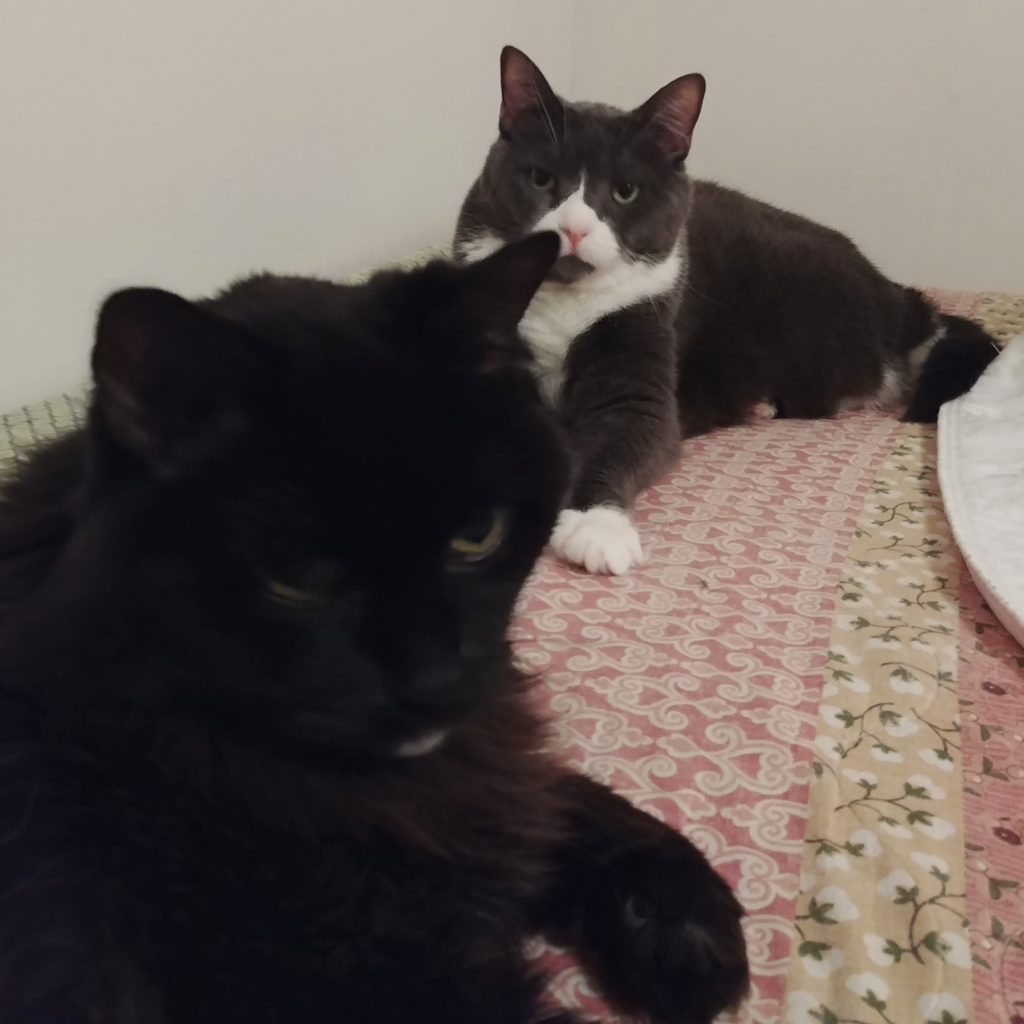 For caregivers who have access to veterinary guidance, supplies, and proper training, subcutaneous fluids can be an effective way to support hydration in cats with kidney disease. This method delivers sterile fluids under the skin, where they are slowly absorbed into the body over several hours.
Subcutaneous fluids help dilute waste products in the bloodstream, support circulation, and reduce dehydration when oral intake alone is not sufficient. Many cats tolerate the process well once it becomes familiar, especially when performed calmly in a quiet environment.
Administering fluids at home requires instruction from a veterinarian or veterinary technician. Proper technique, correct fluid volume, clean handling, and monitoring for complications are essential. When done incorrectly, fluid administration can cause discomfort, infection, or fluid imbalance, which is why training and ongoing veterinary oversight are critical.
For caregivers who are comfortable and capable, daily or routine fluids can become part of a predictable care rhythm. In Belle’s case, fluid therapy was integrated thoughtfully and adjusted over time based on her needs, lab values, and comfort level. The goal was never just extending time, but maintaining how she felt day to day.
Subcutaneous fluids are not appropriate for every cat or every household. They require time, emotional readiness, and resources. When they are an option, however, they can significantly improve hydration status and overall comfort, especially in moderate to advanced stages of kidney disease.
Nutrition and Kidney Friendly Diets
Dietary management is central to slowing kidney disease progression. Kidney friendly diets are designed to reduce phosphorus, manage protein quality, and support electrolyte balance without depriving the cat of essential nutrients.
Lower phosphorus intake helps slow further kidney damage. Protein is not eliminated but carefully adjusted to reduce waste production while maintaining muscle mass. Omega 3 fatty acids are often included to support kidney blood flow and reduce inflammation.
Transitioning to a new diet should be done gradually to avoid food refusal. Some cats may need creative approaches, such as warming food, offering multiple flavors, or mixing new food with familiar options.
Supporting Appetite and Weight Maintenance
Maintaining body weight is critical for senior cats with kidney disease. Muscle loss can worsen weakness and reduce overall resilience. Loss of appetite may occur due to nausea, taste changes, or general discomfort.
Offering small frequent meals can be easier for some cats than large portions. Appetite stimulants, anti nausea medications, and phosphate binders prescribed by a veterinarian may improve food intake when needed.
Monitoring weight at home helps catch subtle changes early. Even small declines should be addressed promptly to prevent further deterioration.
Managing the Home Environment
Comfort and accessibility matter greatly for senior cats. Kidney disease can increase fatigue and joint stiffness, making daily tasks more challenging.
Litter boxes should be easy to enter, with low sides and placement on each level of the home if stairs are present. Soft bedding in warm quiet areas helps conserve energy and promotes rest. Maintaining a consistent routine reduces stress, which can otherwise worsen symptoms. Gentle interaction, predictable feeding times, and a calm environment all support overall stability.
Monitoring Blood Pressure and Secondary Issues
High blood pressure commonly accompanies kidney disease and can cause damage to the eyes, heart, and brain. Regular blood pressure checks allow for early intervention if hypertension develops.
Anemia, electrolyte imbalances, and urinary tract infections are also possible complications. Ongoing veterinary monitoring ensures these issues are identified and treated promptly, preventing further strain on the kidneys.
Medication and Supplement Support
Depending on disease stage, medications may be prescribed to manage nausea, control blood pressure, bind phosphorus, or support appetite. Supplements such as potassium or B vitamins may also be recommended.
It is important to give medications exactly as directed and to communicate any difficulties with administration. Many cats tolerate treatment well when dosing is consistent and stress is minimized. Never introduce supplements without veterinary guidance, as some substances can worsen kidney function.
Emotional Well Being and Quality of Life
Caring for a cat with kidney disease involves emotional as well as physical support. Cats often hide discomfort, so gentle observation and responsiveness are key.
Quality of life should always guide decision making. Good days should outweigh bad ones, and comfort should remain the priority. Many cats with kidney disease continue to enjoy affection, play, and routines when supported appropriately.
Caregivers may benefit from keeping a simple journal tracking appetite, hydration, behavior, and litter box habits. Patterns can reveal subtle changes that deserve attention.
When to Adjust the Care Plan
Kidney disease is progressive, and care plans may need adjustment over time. What works in early stages may need refinement as needs evolve. Regular checkups allow for timely changes that preserve comfort and function. Open communication with a trusted veterinarian ensures decisions are made collaboratively, balancing longevity with quality of life.
Living Well With Kidney Disease
A diagnosis of kidney disease does not mean immediate decline. With attentive daily care, many senior cats maintain a good quality of life for years. Hydration support, thoughtful nutrition, environmental comfort, and routine monitoring form the foundation of effective management.
By focusing on what can be controlled day by day, caregivers can make a meaningful difference. Kidney disease may be part of the journey of aging, but with compassion and consistency, it does not have to define the end of it.