
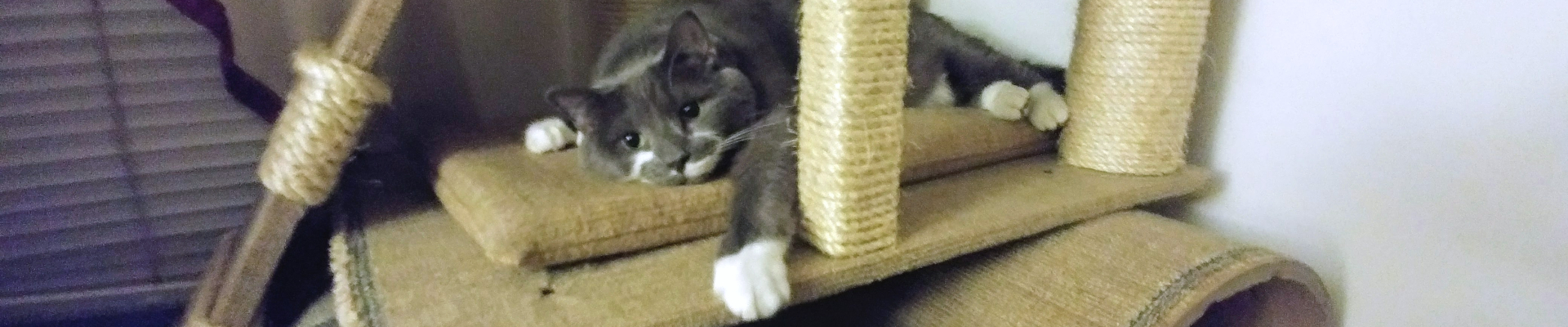
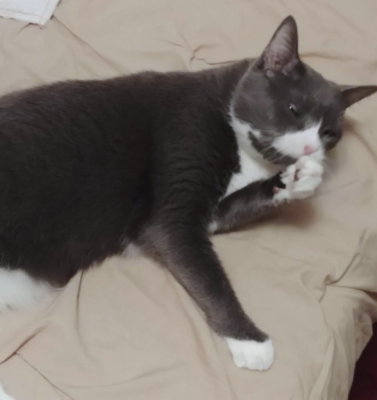
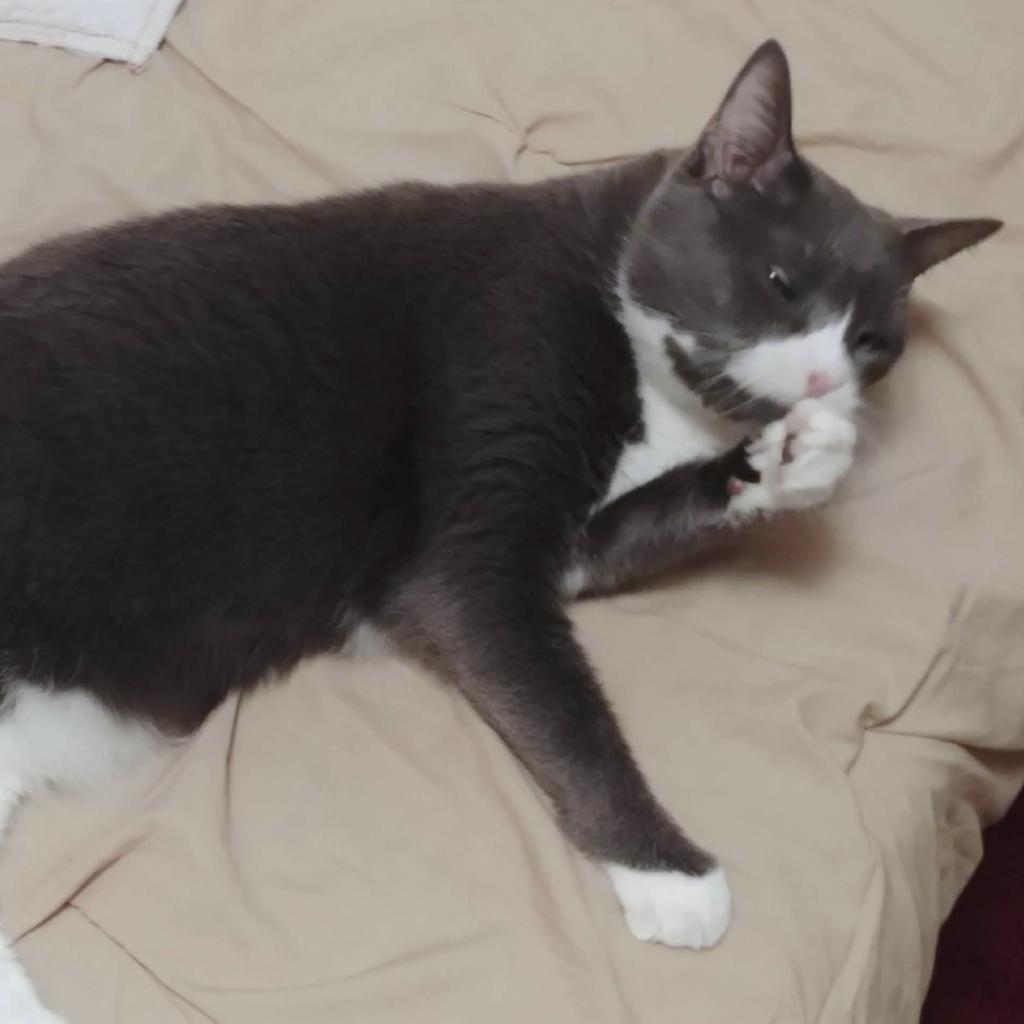
When a cat reaches their senior years, the changes are rarely sudden. They arrive quietly, layered one on top of another. A little more sleep here. A bit less tolerance for noise there. Movements become slower, routines become sacred, and small disruptions begin to carry more weight than they once did. Living with senior cats teaches you that aging is not only physical. It is emotional, environmental, and deeply tied to a sense of safety.
This is where psychogenic alopecia often enters the picture. It is a condition many people do not encounter until they are already caring for an older cat. It can feel confusing, frustrating, and even heartbreaking to watch a cat groom themselves until fur disappears. This article is rooted in lived experience, particularly with our senior cat Belle, and is written to help others understand why this happens and why senior cats are especially vulnerable.
We are not veterinarians. We are longtime pet owners who have walked through aging, illness, and loss alongside our animals. Everything here is shared in plain language, with compassion, and with the hope that someone reading will recognize their own situation and feel a little less alone.
Understanding Psychogenic Alopecia Without Medical Jargon
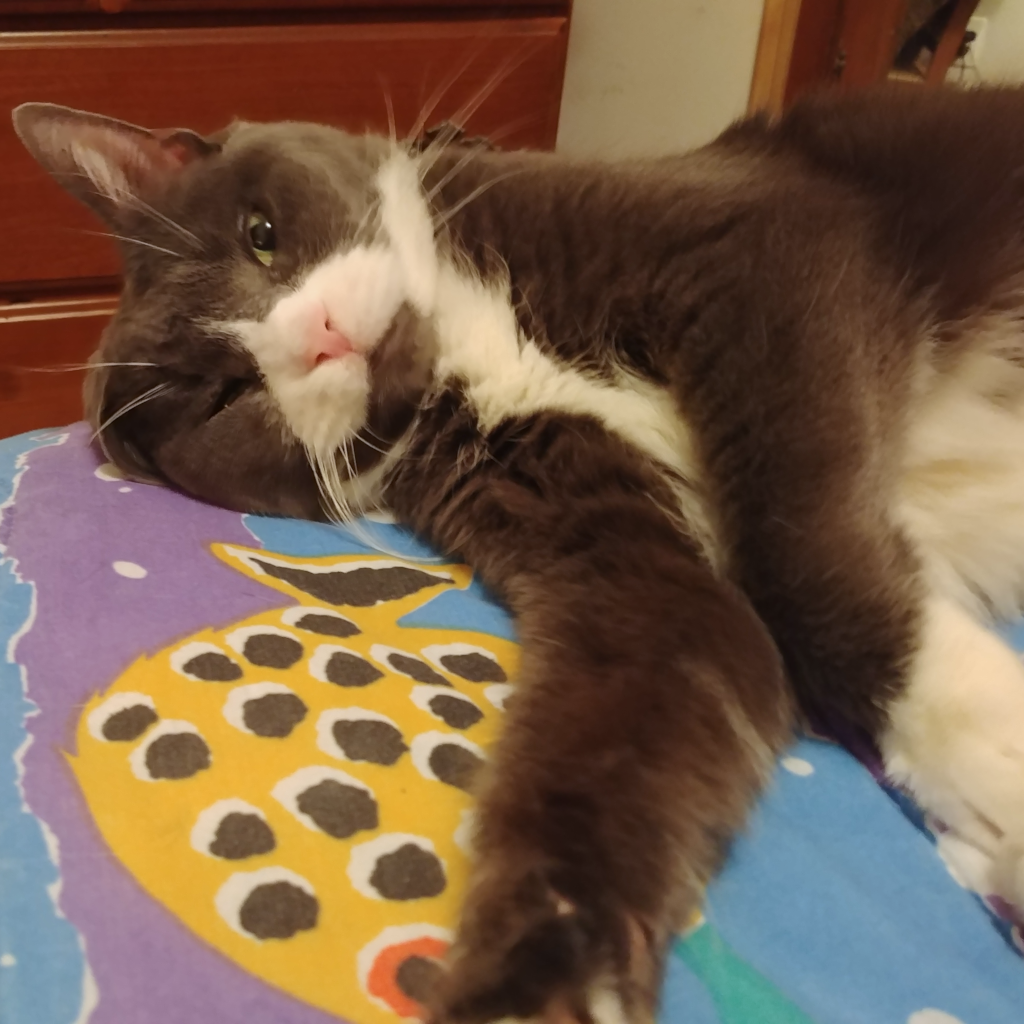 Psychogenic alopecia simply means hair loss caused by emotional stress rather than a physical skin problem. The word sounds intimidating, but the behavior itself is something every cat owner recognizes. Grooming is normal. Cats groom to clean themselves, regulate body temperature, and calm their nervous system. Grooming is one of their primary self-soothing tools.
Problems arise when grooming shifts from occasional comfort into constant repetition. A cat may fixate on a specific area and lick it again and again. Over time, the fur thins, then disappears. What often surprises people is that the skin underneath usually looks normal. There may be no redness, no sores, no scabs. Just bare skin and a cat who will not stop grooming.
This lack of visible injury can make people doubt what they are seeing. Some assume it must be allergies or parasites. Others think it is a bad habit that will resolve on its own. In senior cats, psychogenic alopecia is rarely random. It is a response to stress layered on top of aging.
Why Aging Makes Cats More Susceptible to Stress
One of the most important things we learned with Belle is that senior cats experience stress differently than younger cats. A kitten or adult cat might bounce back quickly after a disruption. An older cat often cannot.
As cats age, their emotional resilience decreases. This does not mean they are fragile in a negative sense. It means they rely more heavily on predictability. Routine becomes a source of security. Familiar smells, familiar sounds, and familiar patterns help them feel safe.
When something changes, even something that seems small to a human, a senior cat may feel unsettled for much longer. A rearranged room, a new schedule, visitors in the house, or even subtle changes in household energy can create anxiety that does not easily dissipate.
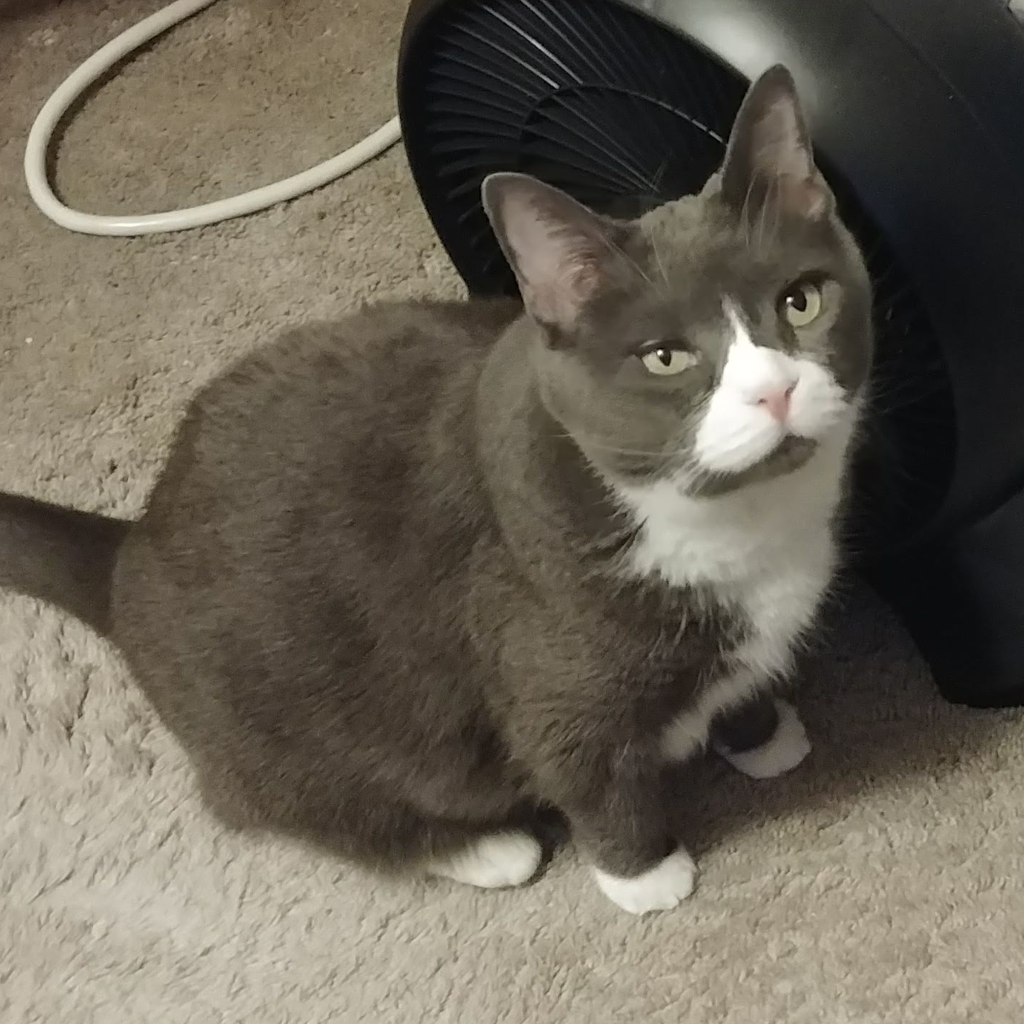
For Belle, she had the condition right off the bat but we didn’t recognize it right away. Over time, the pattern became clear. Grooming was how she coped when her sense of stability was shaken and it was clear that the disruption of a new home had shaken her. Over the course of a few months and a stable home environment, this condition went away, and we never saw it again. Stress that eventually went away.
Physical Discomfort and Emotional Stress Are Connected
 Senior cats almost always carry some level of physical discomfort, even when they appear outwardly well. Arthritis, stiffness, dental issues, kidney disease, thyroid disorders, and general aches are common in older animals. These conditions may be well managed, but they still exist in the background.
Cats are masters at hiding pain. They do not cry or limp unless discomfort becomes severe. Instead, pain and unease often show up as behavior changes. Increased grooming can be one of those signals.
When a cat feels uncomfortable in their body, they may groom to distract themselves. The repetitive motion provides temporary relief. It offers a sense of control when their body feels unpredictable. In senior cats, this coping mechanism can easily tip into excess.
Cognitive Changes in Senior Cats
Another factor that often goes unrecognized is cognitive change. Just like people, cats can experience age-related cognitive decline. This can include confusion, increased startle responses, anxiety in familiar spaces, and changes in sleep patterns.
A senior cat may become more easily overwhelmed. Sounds that once faded into the background may suddenly feel intrusive. Shadows, reflections, or unfamiliar scents can cause unease. These moments of confusion can trigger anxiety that lingers.
Grooming provides predictability. It is a familiar action with a clear beginning and end. For a cat whose perception of the world feels less reliable, grooming can become a grounding ritual. Over time, that ritual may turn compulsive.
How Psychogenic Alopecia Often Presents in Older Cats
One of the challenges of psychogenic alopecia is that it looks deceptively simple. Hair loss is the most obvious sign, but the pattern matters.
In senior cats, the hair loss often appears symmetrical, affecting both sides of the body evenly. Common areas include the belly, inner thighs, flanks, and sometimes the lower back. The skin usually appears healthy. There may be no signs of infection or irritation.
The behavior itself is often subtle. You may not catch your cat grooming excessively at first. It may happen late at night, during quiet hours, or when the cat believes they are unobserved. By the time the fur loss becomes noticeable, the behavior may already be well established.
The Emotional Weight of Grooming
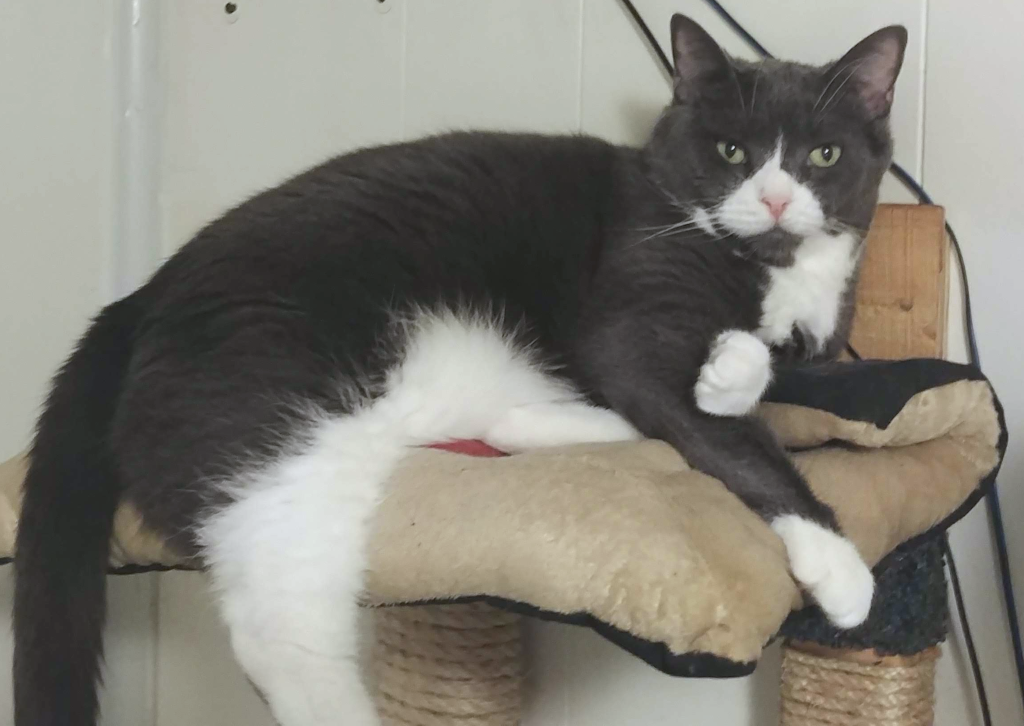 One of the hardest lessons we learned is that excessive grooming is not a flaw or a misbehavior. It is communication. It is how a cat expresses emotional discomfort in a world where they have no words.
Senior cats often experience cumulative loss. They may lose vision, hearing, mobility, confidence, or companions. Even positive changes can feel overwhelming when layered on top of aging.
Sometimes, there was no single event to point to. Sometimes, it’s the accumulation of small shifts over time. Grooming becomes a way of managing feelings your cat could not otherwise express.
What Can Make the Problem Worse
It is natural to want to stop the behavior immediately. Unfortunately, some well-intentioned responses can increase stress rather than reduce it.
Interrupting grooming forcefully, scolding, or using restrictive devices without addressing emotional needs can heighten anxiety. Increased anxiety often leads to more grooming, not less. Ignoring the issue entirely can also allow the behavior to become more deeply ingrained.
The goal is not to eliminate grooming. The goal is to reduce the stress that drives it.
Supporting a Senior Cat With Compassion
Helping a senior cat with psychogenic alopecia is about creating an environment that feels safe and predictable. Routine becomes medicine. Familiarity becomes comfort.
Consistency in feeding times, sleeping areas, and daily interactions provides reassurance. Quiet spaces where a cat can retreat without being disturbed allow them to decompress. Gentle interaction on the cat’s terms reinforces trust without adding pressure.
Observing patterns is important. Changes in grooming often follow changes in environment or routine. Identifying those connections can help you adjust in small but meaningful ways.
With Belle, improvement came not from forcing change, but from reducing stress. Calmer days led to calmer behavior. The grooming disappeared entirely. First it softened. The urgency faded. Then went away.
Letting Go of the Need for Perfection
 One of the most important shifts for us was redefining success. At first, success meant fur regrowth. Over time, we realized that comfort mattered more than appearance.
Belle never lost much hair, if at all. Belle was content. She rested peacefully. She engaged with us. She felt safe. That was the true measure of well-being.
Psychogenic alopecia in senior cats is often a long-term condition but not always, as is the case with Belle. If it doesn’t go away, it does not mean you failed your cat. It means your cat is navigating aging in the only way they know how.
Aging With Dignity and Understanding
At BellenPaws, everything we share comes from lived experience with senior animals. From age calculators to diabetes tracking tools to printable care forms, the goal has always been the same. Help people feel capable, informed, and supported while caring for aging pets.
Psychogenic alopecia is a reminder that senior cats are not just bodies that age. They are emotional beings adjusting to a changing world. When we respond with patience instead of frustration, we give them something invaluable.
We give them dignity.
Senior cats still have love to give. Sometimes that love shows up wrapped in vulnerability. When we learn to see grooming not as a problem to fix, but as a signal to listen, we honor the trust our cats place in us during their most fragile years.