
For many years, the veterinary community and pet owners alike operated under a silent misconception: that cats simply don’t get arthritis. We watched our senior cats slow down, stop jumping on the counters, and spend more time sleeping, and we chalked it up to the “natural slowing down” of old age.
However, modern feline medicine has revealed a startling truth: Feline Osteoarthritis (OA) is incredibly common, painful, and vastly underdiagnosed. Research suggests that nearly 40% of all cats show clinical signs of OA, and that number jumps to over 90% in cats aged 12 and older.
Because cats are both predators and prey in the wild, they are biological experts at masking pain. To help your feline companion live a comfortable life, it is essential to understand how this “silent” disease works, how to spot the subtle clues, and how to manage it within a modern home.
The Biology of the “Silent” Ailment
 Osteoarthritis is a degenerative joint disease characterized by the wearing down of protective cartilage that cushions the ends of bones. In a healthy joint, cartilage allows for smooth, fluid movement. When it erodes, bone rubs against bone, leading to chronic inflammation, the development of bony growths (osteophytes), and significant physical discomfort.
In dogs, arthritis is often secondary to developmental issues like hip dysplasia. In cats, while genetics play a role, it is frequently a primary condition that develops simply through years of wear and tear on highly active joints. The most commonly affected areas in felines include:
- The Spine: Particularly the lower back (lumbosacral region).
- The Hind Limbs: Hips and knees (stifles).
- The Forelimbs: Elbows and shoulders.
Why Is It Often Missed?
The primary reason arthritis goes unnoticed in cats is a mismatch in expectations. Owners often look for limping, which is the classic sign of arthritis in dogs or humans. However, cats rarely limp unless they have an acute injury.
Instead of limping, cats undergo behavioral shifts. Because they are small and agile, they compensate for a painful left hip by shifting their weight or changing how they move through their environment. These changes are so gradual that they become the “new normal” for the household.
The “Masking” Instinct
In the wild, a cat that shows weakness is a target. This evolutionary hardwiring remains in our domestic housecats. A cat will not cry out, whimper, or complain when a joint aches. They simply find a way to stop using that joint as much.
Signs and Symptoms: Reading the Subtle Language
Since Bruh, I know you appreciate a modular approach to understanding systems, we can break down the symptoms into categories: Physical, Behavioral, and Lifestyle shifts.
1. Mobility Changes
- Hesitation: The cat looks at a surface (like a sofa or bed) they used to jump onto easily, pauses, and then decides not to jump, or “scrambles” up using their claws.
- Stair Difficulty: Taking stairs one at a time or avoiding them entirely.
- Stiff Gait: A “bunny hop” movement when running or a stiff-legged walk upon waking up.
2. Grooming Habits
- Painful joints make it difficult for cats to contort their bodies into the usual grooming positions.
- Matted Fur: Specifically on the lower back or hindquarters where they can no longer reach.
- Over-grooming: Conversely, some cats will obsessively lick a specific joint that hurts, leading to bald patches or “lick granulomas.”
- Overgrown Claws: If a cat isn’t active or using scratching posts due to paw/elbow pain, their claws can become thick and overgrown.
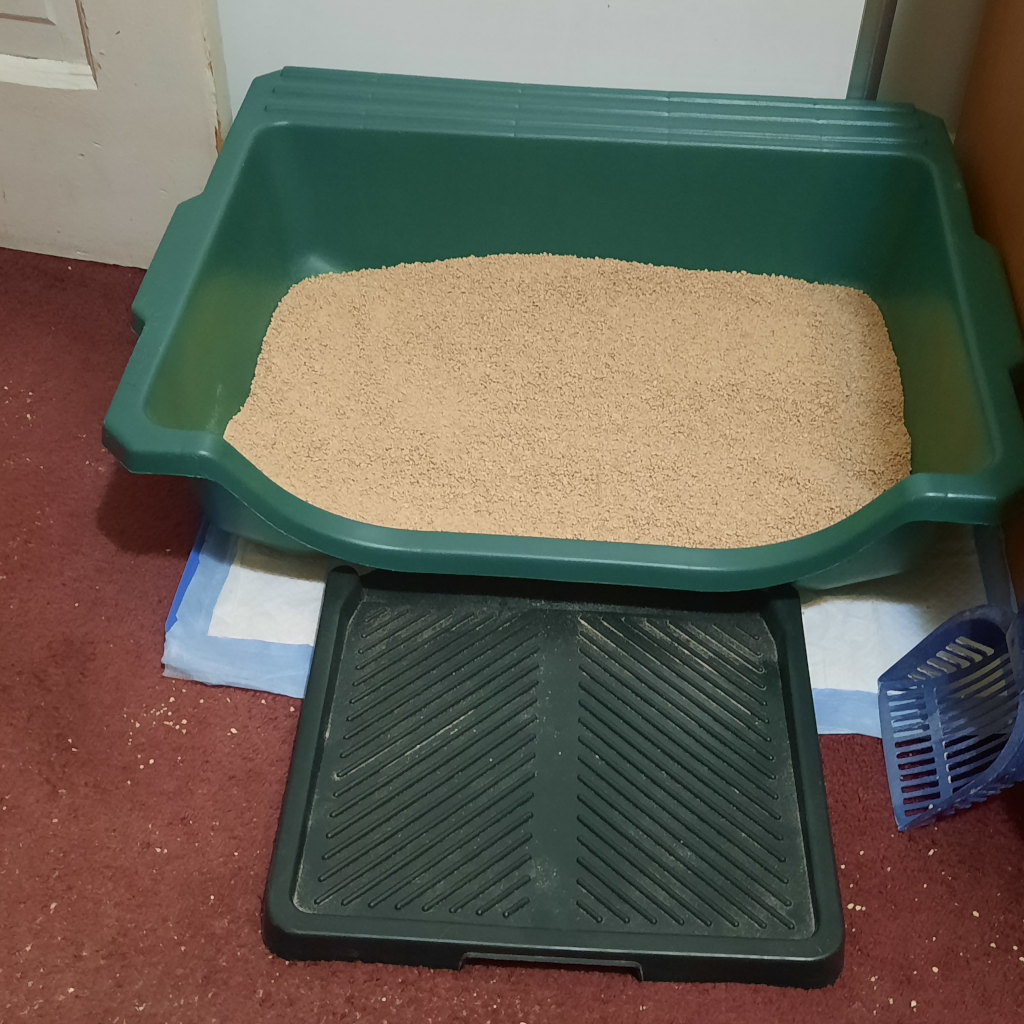
3. Litter Box Issues
- Many cats are surrendered to shelters for “inappropriate urination” when the root cause is actually arthritis.
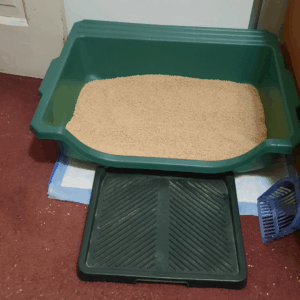
- High-sided litter boxes require a painful “climb” to enter.
- Squatting to eliminate puts significant pressure on the hips and knees.
- If the litter box is in the basement and the cat spends its time on the second floor, the journey may simply be too painful to make.
4. Temperament Shifts
- A cat in chronic pain is often a “grumpy” cat.
- Irritability: Hissing or swiping when touched in certain areas.
- Social Withdrawal: Hiding in closets or under beds more than usual.
- Decreased Interaction: No longer greeting you at the door or engaging in play.
Risk Factors
While any cat can develop OA, certain factors accelerate the process:
- Obesity: This is the most significant manageable risk factor. Excess weight puts physical strain on joints and creates systemic inflammation.
- Genetics: Certain breeds, such as Maine Coons (hip dysplasia), Persians, and Scottish Folds (osteochondrodysplasia), are predisposed to joint issues.
- Past Injury: A previous fracture or ligament tear often leads to arthritis in that joint later in life.
Diagnosis: The Vet’s Toolkit
Because cats often “freeze up” or act differently at the vet clinic due to stress, a physical exam alone might not tell the whole story.
- The “Home Video” Method: This is one of the most valuable tools for a veterinarian. Capturing footage of your cat jumping, walking, or using the litter box at home provides an unfiltered look at their mobility.
- Palpation: A vet will feel for thickening of the joints, decreased range of motion, or signs of discomfort.
- Radiographs (X-rays): These can confirm the presence of bone spurs and narrowed joint spaces.
- Trial Treatment: Sometimes, if a vet suspects OA, they may prescribe a short course of pain relief to see if the cat’s behavior improves. If the cat suddenly becomes “younger” and more active, the diagnosis is confirmed.
Management and Treatment
Managing feline arthritis requires a multi-modal approach. There is no “silver bullet,” but rather a combination of environmental changes, supplements, and medical interventions.
Environmental Modifications (The “Plesk” for your Home)
Just as you optimize your VPS for performance, you can optimize your home for a senior cat:
- Ramps and Steps: Place pet stairs next to the bed or favorite window perches.
- Litter Box Hacks: Switch to low-entry boxes or cut an opening into the side of a standard box.
- Warmth: Orthopedic heated beds help soothe aching joints and improve circulation.
- Resource Accessibility: Ensure food, water, and litter are available on every floor of the house so the cat doesn’t have to navigate stairs.
Nutrition and Supplements
- Weight Management: Keeping a cat at a lean body condition score is the single most effective way to reduce joint pain.
- Omega-3 Fatty Acids: High-quality fish oils have proven anti-inflammatory properties.
- Glucosamine and Chondroitin: While more effective as a preventative or early-stage support, these can help maintain existing cartilage.
Medical Interventions
Critical Warning: Never give a cat human pain medication like Tylenol (Acetaminophen) or Aspirin. These are highly toxic to felines and can be fatal.
- NSAIDS: There are specific, FDA-approved non-steroidal anti-inflammatory drugs for cats (like meloxicam or robenacoxib) that can be used under strict veterinary supervision.
- Monoclonal Antibody Therapy: A recent breakthrough in feline medicine is the introduction of Frunevetmab (Solensia). This is a monthly injectable that targets Nerve Growth Factor (NGF), a key player in signaling pain. It has shown remarkable success in restoring mobility to arthritic cats with minimal side effects.
- Laser Therapy: Cold laser treatments can help reduce inflammation and promote healing in joint tissues.
The Emotional Aspect: Quality of Life
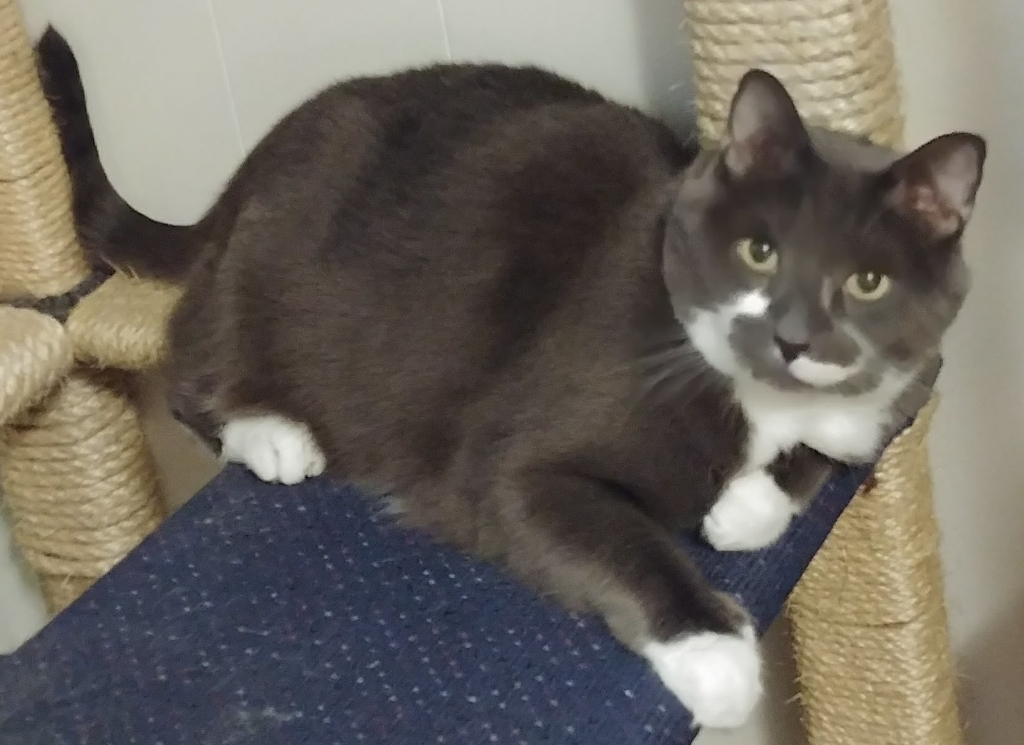 As a writer and a pet lover, Kev, you know that the bond between a human and a cat is built on these small, daily interactions. When a cat withdraws due to arthritis, that bond can feel strained. Recognizing that your cat isn’t “being mean” or “getting lazy,” but is actually dealing with a manageable medical condition, changes the perspective from frustration to empathy.
Treating arthritis isn’t just about making a cat walk better; it’s about giving them back their personality. Owners often report that after starting treatment, their senior cats begin playing with toys they haven’t touched in years or return to sleeping at the foot of the bed.
Summary Checklist for Owners
If you aren’t sure if your cat is affected, ask yourself these five questions:
- Does my cat “double jump” (e.g., floor to chair to table) instead of one big leap?
- Are they grooming less, specifically on their back?
- Have they started “missing” the litter box or going right next to it?
- Do they seem more irritable when picked up or petted?
- Are their claws getting caught in the carpet more frequently?
If the answer to any of these is “yes,” a consultation with a veterinarian is the next logical step.
Conclusion
Arthritis in cats is a silent epidemic, but it doesn’t have to be a life sentence of discomfort. By shifting our focus from looking for “limping” to looking for “lifestyle changes,” we can catch this disease in its early stages. With the advent of new therapies like monoclonal antibodies and a better understanding of feline environmental needs, our cats can enjoy their “golden years” with the same grace and agility that defined their youth.
Would you like me to create a custom “Senior Cat Home Audit” checklist based on your specific home layout to help identify areas where you could improve accessibility for an aging pet?