
As cats age, their needs change in ways that are not always obvious. Many guardians carefully watch for arthritis, kidney disease, or weight loss, yet dental health often receives far less attention. This is partly because cats are masters of concealment. They continue to eat, groom, and behave in familiar ways even when discomfort is present. Dental disease is one of the most common and overlooked health issues in senior cats, and its effects reach far beyond the mouth.
Understanding how oral health influences the rest of the body can help caregivers recognize subtle warning signs, make informed decisions, and improve both the comfort and longevity of aging cats.
Why Dental Disease Is So Common in Older Cats
Dental disease does not appear overnight. It develops gradually, often beginning when a cat is still young. Plaque forms when bacteria mix with saliva and food particles on the teeth. If not removed, plaque hardens into tartar, which irritates the gums and creates a breeding ground for more bacteria.
Over time, this process leads to gingivitis and periodontal disease. By the time a cat reaches their senior years, many have experienced years of low level inflammation in the mouth. Even cats who eat well and appear healthy may have significant dental problems hidden beneath the gumline.
Age compounds the issue. Immune responses become less efficient, tissue repair slows, and chronic inflammation becomes more damaging. What might have been a mild dental issue in a younger cat can turn into a serious systemic problem in an older one.
Understanding the Types of Dental Disease in Senior Cats
Dental disease is not a single condition. Several related problems can exist at the same time, each contributing to pain and health decline. Gingivitis is inflammation of the gums. Gums may appear red, swollen, or prone to bleeding. In early stages, this condition can sometimes be reversed with proper care.
Periodontal disease occurs when inflammation spreads deeper, damaging the structures that hold the teeth in place. Bone loss, infection, and tooth instability may follow. This stage is often painful and irreversible. Tooth resorption is especially common in cats. The tooth structure gradually breaks down, starting from the inside. These lesions are extremely painful, even if they are not visible at first glance.
Oral infections and abscesses can develop when bacteria penetrate deeper tissues. These infections may drain into the bloodstream, affecting other organs. Each of these conditions can exist without dramatic outward signs, which is why routine dental evaluation is so important for senior cats.
The Subtle Signs Cats Use to Hide Oral Pain
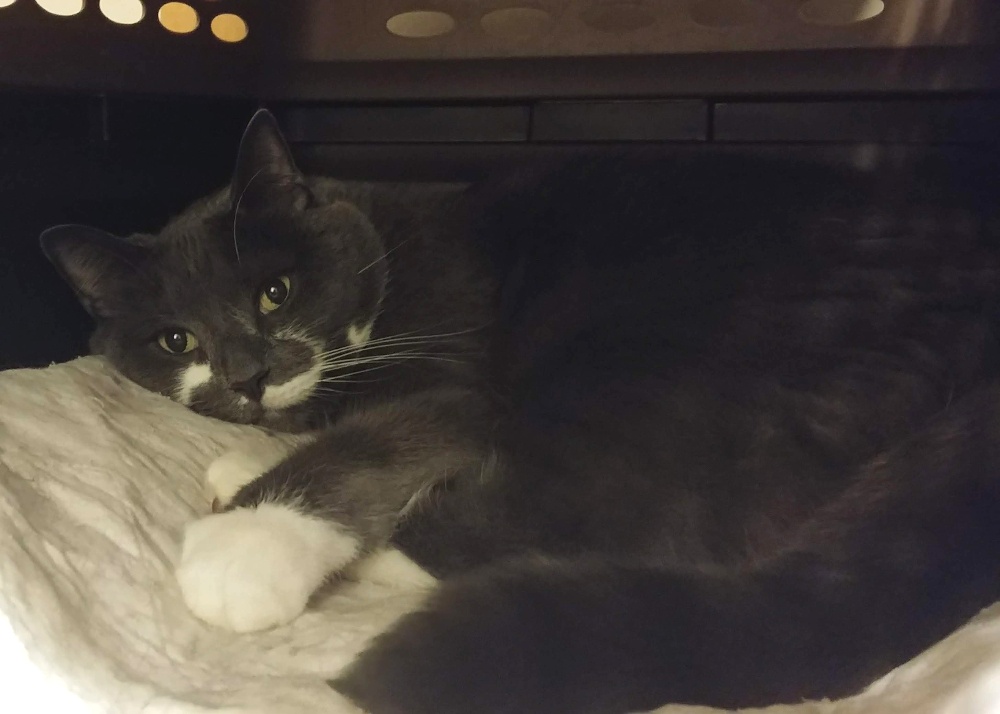 Cats rarely cry or visibly react to dental pain. Instead, they adapt. These adaptations are easy to miss or misinterpret as normal aging.
A cat may chew more slowly or favor one side of the mouth. They may drop food, lick their lips frequently, or swallow awkwardly. Some cats stop grooming as thoroughly, leading to a dull or matted coat. Others groom excessively in response to stress.
Behavioral changes are common. A normally affectionate cat may become withdrawn or irritable. Head shyness, resistance to being touched near the face, or changes in vocalization can all point to oral discomfort.
Because these signs are gradual, caregivers may not notice them until the disease is advanced. By then, the impact may already extend beyond the mouth.
How Dental Disease Affects the Whole Body
The mouth is not an isolated system. It is a gateway to the rest of the body, and chronic oral infection can influence overall health in profound ways.
Bacteria from infected gums can enter the bloodstream. This process, known as bacteremia, allows pathogens and inflammatory molecules to circulate throughout the body. In senior cats, whose organs may already be vulnerable, this added burden can accelerate disease.
Chronic inflammation is another key factor. Inflammation in the mouth does not stay local. It contributes to systemic inflammation, which is associated with many age related conditions.
Pain itself is also a stressor. Persistent pain elevates stress hormones, disrupts sleep, suppresses immune function, and reduces quality of life. Over time, this constant strain can worsen existing conditions and create new ones.
The Connection Between Dental Disease and Kidney Health
 Kidney disease is one of the most common illnesses in senior cats. While it has many contributing factors, dental disease can play a significant role.
The kidneys filter waste and toxins from the blood. When bacteria from the mouth repeatedly enter circulation, the kidneys must work harder to clear them. This constant challenge can exacerbate kidney damage, especially in cats with early or moderate kidney disease.
Inflammation also affects blood vessels, including those that supply the kidneys. Reduced blood flow and ongoing immune activation can accelerate the decline in kidney function.
Addressing dental disease does not cure kidney disease, but it can reduce one source of inflammatory stress and help stabilize a cat’s overall condition.
Effects on the Heart and Liver
The heart and liver are also affected by chronic oral infection. Bacteria can adhere to heart valves, contributing to inflammatory changes that impair function. While this is less commonly diagnosed in cats than in dogs or humans, the risk increases with age and disease duration.
The liver plays a central role in detoxification and immune regulation. Constant exposure to bacterial byproducts from dental infections forces the liver to work harder, which may worsen existing liver conditions or reduce resilience in aging cats.
These effects often go unnoticed because symptoms overlap with general aging. Fatigue, appetite changes, and weight loss may be attributed to age rather than underlying oral disease.
Dental Pain and Nutritional Decline
Nutrition is a cornerstone of senior cat health, and dental disease can quietly undermine it.
Painful chewing leads many cats to eat less, even if food is readily available. Some cats switch to swallowing kibble whole, which can strain digestion. Others avoid certain textures altogether, limiting dietary variety.
Reduced food intake can cause weight loss, muscle wasting, and vitamin deficiencies. In senior cats, maintaining lean muscle mass is especially important for mobility, immune function, and metabolic health. Even cats who appear to be eating normally may not be eating enough to meet their needs if pain limits how long or how comfortably they eat.
Behavioral and Emotional Consequences
Chronic pain changes behavior. Senior cats with untreated dental disease often experience increased stress and anxiety. They may sleep more, play less, and withdraw from social interaction.
Pain can also disrupt routines. A cat who once eagerly greeted their caregiver may now avoid contact. Litter box habits may change if pain affects posture or movement during elimination.
These behavioral shifts are sometimes mistaken for cognitive decline or personality changes related to aging. While those conditions do exist, dental pain is a reversible contributor that should always be considered.
Diagnosis and Assessment in Senior Cats
 Veterinary dental assessment goes beyond a simple visual check. While obvious tartar and inflamed gums may be visible during an exam, many problems lie beneath the surface.
Dental radiographs are essential for diagnosing tooth resorption, root infections, and bone loss. Without imaging, painful conditions can be missed.
For senior cats, veterinarians also consider overall health before recommending treatment. Bloodwork, kidney values, and heart assessments help determine the safest approach to dental care.
Though anesthesia can be concerning for caregivers, modern protocols are tailored to minimize risk, even in older cats. In many cases, the benefits of relieving chronic pain and infection outweigh the risks when proper precautions are taken.
Treatment Options and Their Impact
Treatment depends on the severity and type of dental disease. Professional cleaning may be sufficient in early stages, while extractions are often necessary for advanced periodontal disease or tooth resorption.
Removing diseased teeth may seem drastic, but cats adapt remarkably well. In fact, many show immediate improvement in appetite, behavior, and energy once painful teeth are removed. Post treatment care focuses on pain management, infection control, and gradual return to normal eating. The improvement in quality of life can be profound, especially for cats who have endured years of hidden discomfort.
Preventive Care and Long Term Management
 While not all dental disease can be prevented, early intervention makes a significant difference. Regular veterinary checkups allow for early detection. Even when anesthesia is not appropriate, visual exams and monitoring can guide decision making.
At home, caregivers can support oral health through diet choices, dental treats designed for cats, and when possible, gentle tooth brushing. Some cats tolerate brushing well, while others do not. Any effort should prioritize the cat’s comfort and stress level. Most importantly, caregivers should remain attentive to subtle changes. Small shifts in behavior, appetite, or grooming often signal deeper issues.
Improving Quality of Life in the Golden Years
Dental disease is not just a mouth problem. It is a whole body issue that influences pain levels, nutrition, organ health, and emotional well being. In senior cats, addressing oral health can unlock improvements that ripple through every aspect of life.
Cats are resilient, but they depend on humans to notice what they cannot say. By recognizing the hidden impact of dental disease and taking proactive steps, caregivers can help their senior cats enjoy comfort, dignity, and vitality well into their later years.
A healthy mouth supports a healthier body, and for aging cats, that connection can make all the difference.