
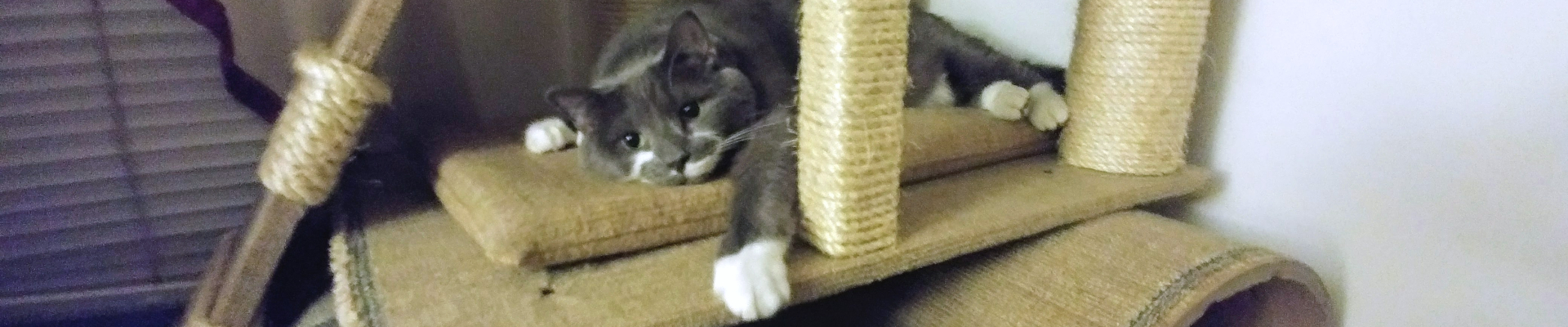


There is something deeply comforting about the quiet routines we share with our pets as they grow older. The soft sound of paws across the floor, the familiar way they settle into their favorite spot, the look they give you when they are ready for dinner. Over time, you learn their habits, their moods, and even their little quirks. What many of us do not always see, however, is what is happening inside their mouths.
Dental health is one of the most overlooked aspects of caring for senior pets. It is easy to focus on things we can see like mobility, appetite, or weight. Teeth and gums are often hidden from view until something goes wrong. By the time a pet shows signs of dental pain, the problem has usually been building for quite a while.
As pets enter their golden years, dental care becomes more important, not less. Aging bodies are more sensitive, immune systems may not respond as strongly, and small issues can grow into larger ones if left unaddressed. Understanding how to support dental health in older pets can improve not only their comfort, but also their overall quality of life.
Why Dental Health Matters More with Age
 In younger pets, the body can sometimes compensate for minor dental issues. In seniors, that cushion becomes smaller. Plaque and tartar buildup can lead to inflamed gums, infections, and even tooth loss. These problems are not just about the mouth. Bacteria from dental disease can enter the bloodstream and affect organs like the heart, liver, and kidneys.
We have seen this connection firsthand over the years. One of our senior cats began eating less, not because of a stomach issue, but because chewing had become painful. Once the dental problem was addressed, her appetite returned almost immediately. It was a simple reminder that discomfort in the mouth can ripple into every part of a pet’s daily life.
For pets with conditions like diabetes, dental health becomes even more critical. Infections in the gums can make blood sugar harder to regulate. If you are already tracking glucose levels and working to keep things stable, an untreated dental issue can quietly work against your efforts.
Common Dental Issues in Senior Pets
As pets age, certain dental conditions become more common. You do not need a veterinary degree to recognize the early signs. Paying attention to small changes can make a big difference.
Bad breath is often the first clue. While no pet has perfectly fresh breath, a strong or foul odor can signal bacteria buildup or infection. Red or swollen gums are another warning sign. Healthy gums should be a soft pink, not angry or inflamed.
You might also notice your pet chewing on one side of their mouth, dropping food, or avoiding hard treats they once enjoyed. Some pets become less interested in grooming themselves, especially cats, because their mouths are too sore. In dogs, you may see more drooling than usual.
Loose or missing teeth can occur in advanced cases. At that point, the issue has likely been present for some time. Catching problems earlier is always easier on both the pet and the owner.
The Quiet Nature of Pain
 One of the hardest parts of dental disease is that pets are very good at hiding pain. This is especially true for cats. In the wild, showing weakness can make an animal vulnerable. That instinct does not disappear just because they live in a loving home.
A senior pet may continue eating even when it hurts, simply because they have learned to cope. They may eat slower, take smaller bites, or choose softer food without making it obvious. It is easy to miss these subtle changes if you are not looking for them.
We once had a senior dog who seemed perfectly fine at mealtime, but he had quietly stopped chewing on his favorite toys. That small shift was the clue that something was not right. A dental check revealed several problem teeth that needed attention.
Daily Care That Makes a Difference
The idea of brushing a pet’s teeth can feel intimidating, especially with an older animal who is set in their ways. The good news is that even small efforts can help.
If your pet tolerates it, gentle brushing with a pet-safe toothbrush and toothpaste can reduce plaque buildup. It does not have to be perfect or long. Even a few seconds a day can make a difference over time.
For pets that resist brushing, there are alternatives. Dental treats, water additives, and specially designed toys can help reduce buildup. These are not replacements for proper care, but they can be helpful tools in your routine.
Softening food slightly with warm water can also make meals easier for pets with sensitive mouths. This is especially helpful for seniors who may still want to eat but struggle with harder textures. Consistency matters more than perfection. A simple routine that you can stick with will always be more effective than something complicated that is hard to maintain.
Professional Dental Care
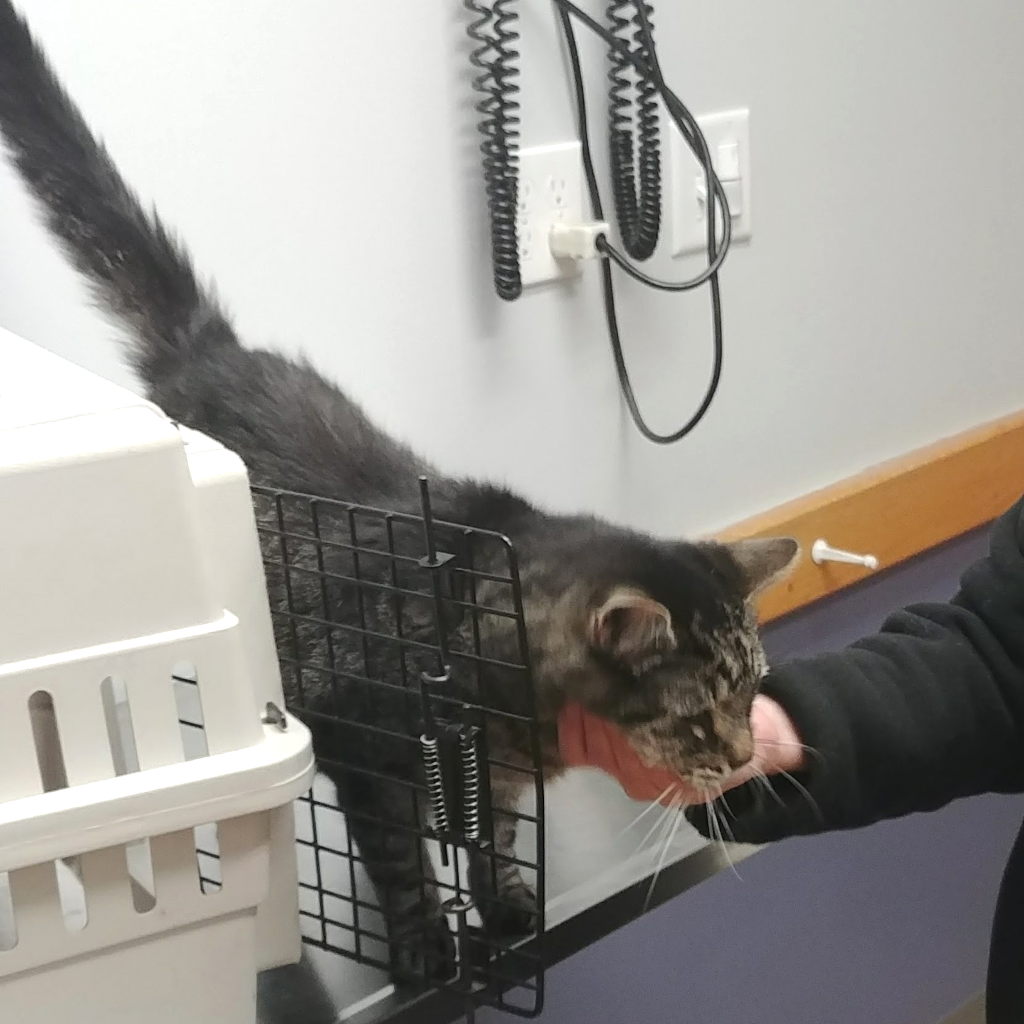 At some point, most senior pets will need professional dental care. This often involves a cleaning performed under anesthesia, along with a thorough examination of the teeth and gums.
The idea of anesthesia can be concerning, especially for older pets. It is a valid concern and one that should be discussed with your veterinarian. Modern veterinary practices take many precautions to reduce risk, including bloodwork and careful monitoring.
In many cases, the benefits outweigh the risks. Removing infected teeth and cleaning away tartar can relieve pain and prevent more serious health problems. After recovery, many pets show noticeable improvements in energy and appetite.
If anesthesia is not an option due to other health conditions, your veterinarian may suggest alternative approaches. While these may not be as thorough, they can still provide some level of support.
Dental Health and Chronic Conditions
Senior pets often have other health concerns, and dental care does not exist in isolation. Conditions like kidney disease, diabetes, and thyroid disorders can all interact with oral health.
For example, a pet with kidney disease may already have changes in appetite. Dental pain can make eating even more difficult, leading to weight loss or dehydration. In diabetic pets, infections in the mouth can lead to higher blood sugar levels, making regulation more challenging.
This is where a holistic approach becomes important. Paying attention to dental health is not just about teeth. It is about supporting the entire body. If you are using tools like a glucose tracker or keeping daily notes about your pet’s habits, consider including observations about eating behavior and mouth sensitivity. These small details can provide valuable clues over time.
Creating a Comfortable Routine
 Senior pets thrive on routine. Adding dental care into their day works best when it feels like a natural extension of what they already know.
Choose a time when your pet is calm. This might be after a meal or during a quiet evening moment. Speak gently and move slowly. Even if all you do is lift their lip and take a quick look, you are building familiarity and trust.
Rewards can also help. A favorite low-impact treat or extra affection can turn dental care into a positive experience. Over time, your pet may become more accepting of the process.
It is important to respect their limits. If your pet becomes stressed or anxious, it is okay to take a step back and try again later. Progress does not have to happen all at once.
The Emotional Side of Care
Caring for a senior pet often comes with a deeper emotional connection. You are not just meeting their needs. You are honoring the years you have shared together.
Dental care may not feel as meaningful as a walk in the park or a quiet cuddle, but it is an act of love just the same. It is about reducing discomfort, preserving dignity, and giving your pet the best possible quality of life.
We have had many pets over the years, each with their own journey. Some faced dental issues that were easy to manage. Others required more involved care. In every case, the goal was the same. Keep them comfortable. Keep them eating. Keep them feeling like themselves.
Knowing When to Take Action
Trust your instincts. If something feels off, it is worth taking a closer look. Changes in eating habits, behavior, or even mood can all point to dental discomfort. Do not wait for obvious signs like severe swelling or refusal to eat. Early intervention is often simpler and less stressful for everyone involved.
Regular checkups can also catch issues before they become serious. Even if your pet seems fine, a quick look from a professional can provide peace of mind.
A Final Thought
 Dental health in the golden years is not about perfection. It is about awareness, consistency, and compassion. Small steps can lead to meaningful improvements in your pet’s comfort and well-being.
Our pets give us their trust every day. They rely on us to notice the things they cannot tell us. By paying attention to their dental health, we are doing more than caring for their teeth. We are supporting their ability to eat, to play, and to enjoy the life they have shared with us.
In the end, that is what matters most.