
There is something undeniably powerful about the moment a person locks eyes with a puppy or kitten through the glass of a pet store enclosure. Tiny paws press against the window, tails wag, whiskers twitch, and a sign nearby promises unconditional love. For many people, that moment feels like fate. What often goes unseen, however, is the much larger story behind that glass. It is a story that directly contributes to pet overpopulation and, ultimately, to why so many senior pets struggle to find homes later in life.
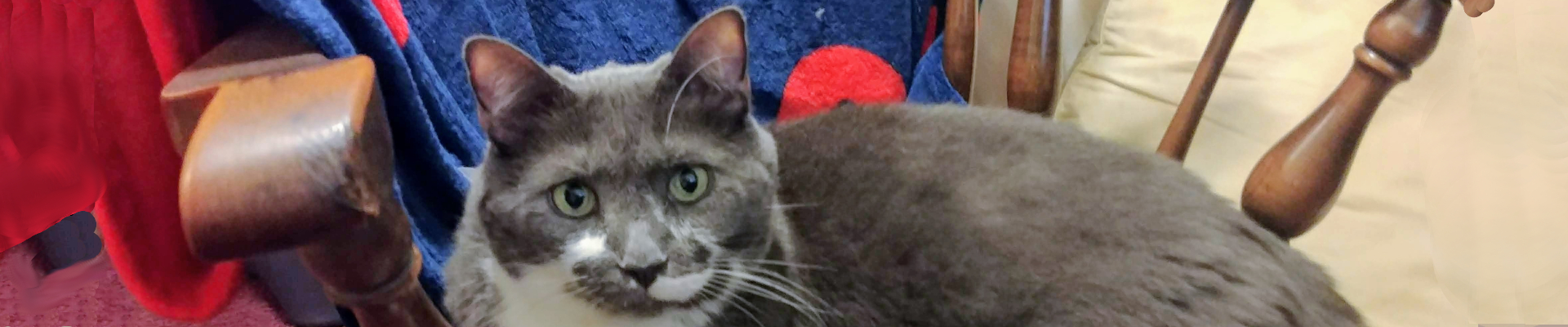
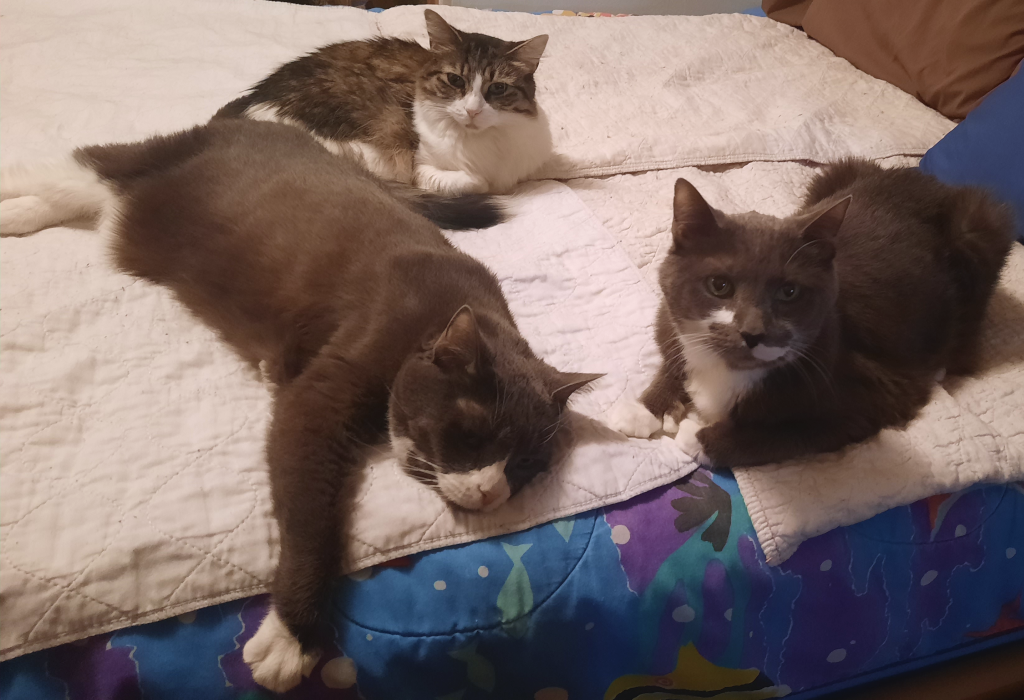
At BellenPaws, our focus has always been on senior pets because we have lived the full arc of pet ownership. We have shared our lives with Belle and Paws, the sibling cats who inspired this site, and with many others who grew old alongside us. Cats like Zippy and Bentley, who taught us the daily realities of managing diabetes. Dogs like Goldie, Buddy, Diesel, Sophie, Bella, and Jack, each with their own needs, quirks, and medical challenges. We are not veterinarians. We are people who stayed, adapted, learned, and loved through every stage of life. That perspective shapes how we see the issue of retail pet sales and why it matters so deeply to senior pets.
The Hidden Pipeline Behind Pet Stores
Most people assume that pets sold in retail environments come from responsible breeders who carefully plan litters and prioritize animal welfare. In reality, many animals sold through pet stores originate from large-scale breeding operations designed to produce as many animals as possible at the lowest cost. These operations often prioritize quantity over health, socialization, or long-term well-being.
When puppies and kittens are treated as products, the result is a steady pipeline of animals entering the world without any consideration for what happens years down the line. Every animal sold represents a commitment that can last well over a decade. Yet retail sales rarely emphasize longevity, aging, or the reality of medical care. They sell beginnings, not lifetimes.
This constant production feeds overpopulation. Shelters and rescues are already full, yet more animals are brought into the world to satisfy consumer demand. The math simply does not work. There are more animals being born than there are homes willing or able to care for them for life.
Overpopulation Does Not End With Puppies and Kittens
 Overpopulation is often discussed as a shelter problem, but it begins much earlier. When pets are sold on impulse, without education or support, many end up surrendered when life gets complicated. A move, a new baby, financial strain, behavioral challenges, or medical diagnoses can suddenly make a pet feel like too much.
This is where senior pets are hit the hardest.
A puppy sold today is a senior pet tomorrow. When that puppy develops arthritis, vision loss, diabetes, kidney disease, or thyroid issues, the cheerful promise of “easy companionship” disappears. We have watched this transition happen with our own pets. Zippy and Bentley required blood glucose tracking, routine, patience, and emotional resilience. Others needed special diets, mobility support, or simply more time and understanding.
For pets acquired without preparation or commitment, aging can become the breaking point. Many senior pets surrendered to shelters are not there because they were “bad pets.” They are there because their needs increased while their perceived value declined.
Why Senior Pets Pay the Price
Retail pet sales create a culture that emphasizes novelty and youth. Puppies and kittens are marketed as cute, fun, and exciting. Senior pets are rarely shown, rarely celebrated, and rarely understood. This imbalance shapes public perception.
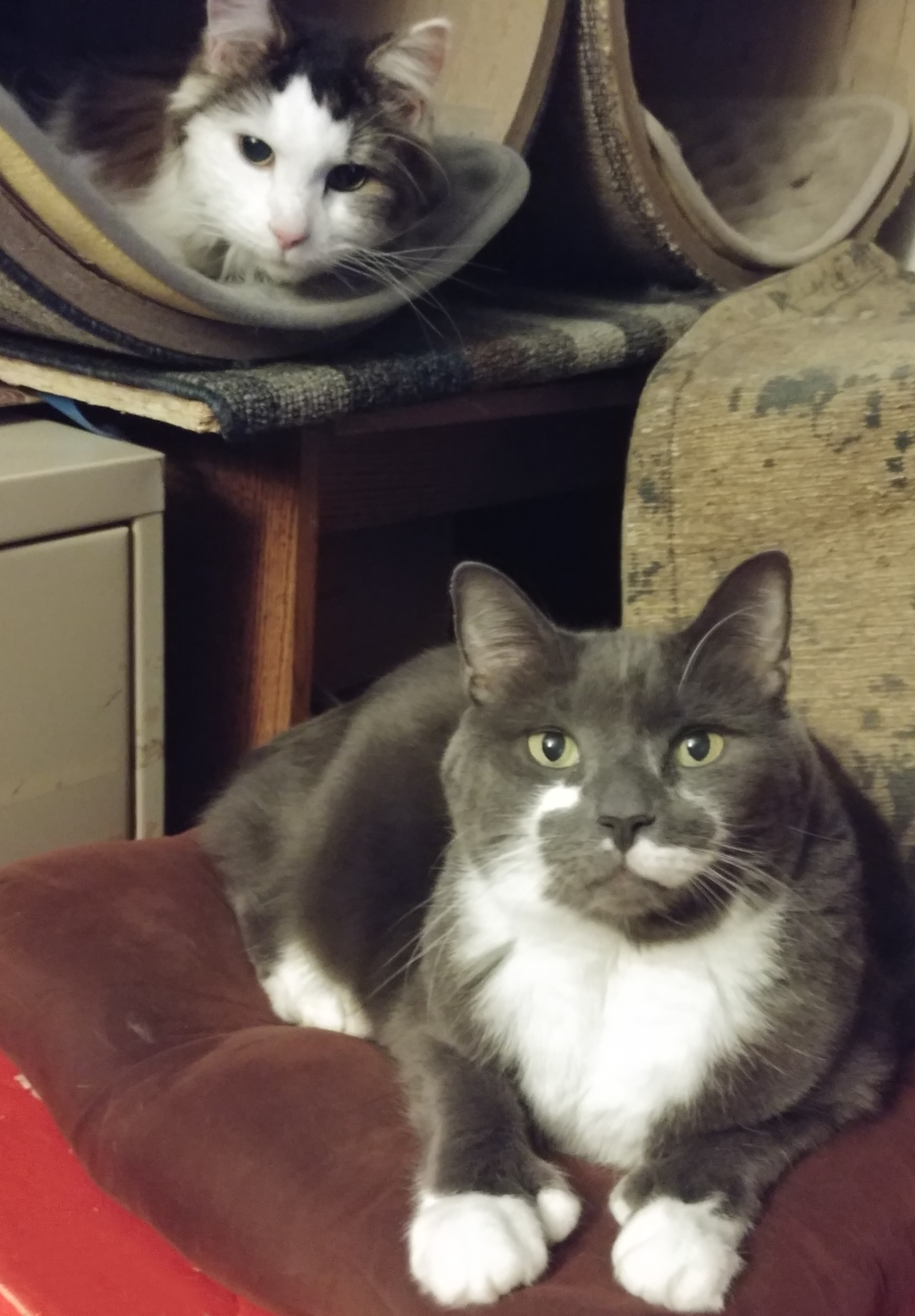
When shelters fill up, younger animals are often adopted first. Seniors wait longer, sometimes indefinitely. They may be overlooked due to gray fur, slower movement, or medical conditions that sound intimidating on paper. Yet those same seniors are often calm, affectionate, and deeply bonded companions.
At BellenPaws, we know this firsthand. Many of our cats and dogs were seniors long before their final chapters. Some were “old souls” even when young. Others simply grew old with us, adapting as we adapted. They did not lose their ability to love. If anything, it deepened.
Overpopulation means shelters have limited space and resources. When choices are forced, senior pets are often the most vulnerable. Retail pet sales add to this pressure by continuously introducing more young animals into the system instead of encouraging adoption of those already waiting.
The Emotional Cost to Families and Animals
One of the most painful truths about overpopulation is that it hurts everyone involved. Families who surrender pets often feel shame, guilt, and heartbreak. Shelters face impossible decisions. Volunteers experience compassion fatigue. Animals experience confusion, stress, and loss.
Senior pets feel this loss acutely. They have known routines, familiar smells, favorite sleeping spots, and the comfort of consistency. Being uprooted late in life can be traumatic. We have seen how deeply pets rely on routine, especially those with medical needs like diabetes. A missed meal or insulin dose is not just inconvenient, it can be dangerous.
Retail pet sales rarely educate buyers about these realities. They do not show the future where tracking glucose levels becomes part of daily life, or where mobility assistance is needed, or where vet visits become more frequent. Without that knowledge, many people are unprepared when their pet ages.
Adoption as a Counterbalance
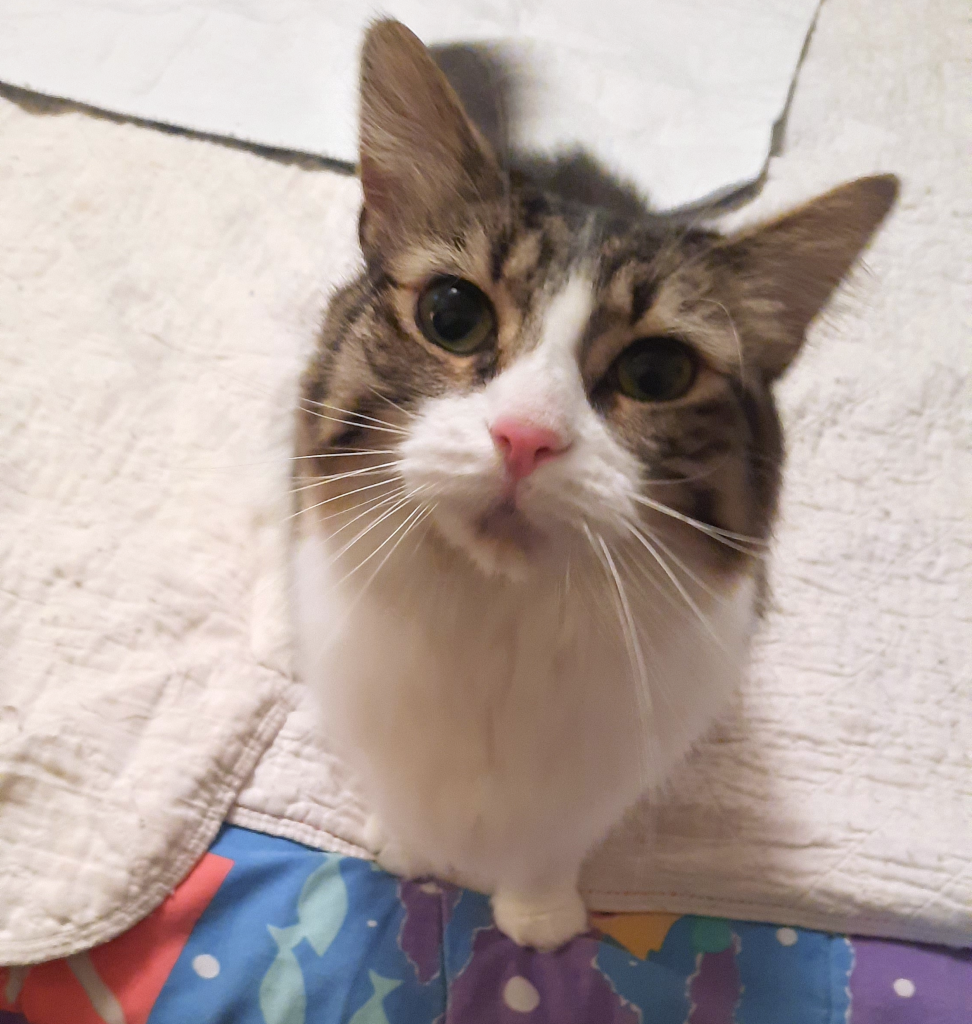 Choosing adoption, especially of adult or senior pets, directly challenges the cycle created by retail sales. Adoption does not create demand for mass breeding. It gives existing animals a chance at stability and care.
Senior pet adoption, in particular, is a powerful act of compassion. Seniors often come house-trained, socialized, and emotionally grounded. Their personalities are already known. What you see is what you get. They may not have as many years ahead, but those years are often deeply rewarding.
We have learned that caring for senior pets is not about perfection. It is about presence. It is about noticing subtle changes, adjusting routines, and offering comfort. Tools like age calculators, glucose trackers, and printable forms exist because real life is not simple. Our website reflects that reality because we live it.
Education Changes Outcomes
One of the most effective ways to reduce overpopulation is education. When people understand the long-term commitment of pet ownership, they are more likely to make thoughtful choices. This includes understanding costs, time, emotional investment, and the likelihood of medical care later in life.
Retail pet sales often skip this step. Adoption-focused environments tend to emphasize it.
Education also empowers owners to keep pets longer. When someone understands how to manage diabetes, kidney disease, or mobility issues, surrender becomes less likely. Our goal at BellenPaws has always been to share practical, lived knowledge. Not from textbooks, but from years of trial, error, and love.
We built tools and resources because we needed them ourselves. Tracking glucose levels. Printing forms. Understanding aging. These tools help keep pets at home, where they belong.
A Shift in Perspective
Reducing overpopulation requires a cultural shift. Pets must be seen not as purchases, but as lifelong companions. Their value does not decrease with age. Their love does not fade. If anything, it becomes quieter, steadier, and more profound.
Retail pet sales reinforce the idea that pets are replaceable. Adoption reinforces the idea that pets are individuals with histories, needs, and futures that matter.
Every time someone chooses adoption over retail, especially for an adult or senior pet, they interrupt the cycle. They create space in shelters. They reduce demand for mass breeding. They give an older animal dignity and comfort.
Senior Pets Still Have Love to Give
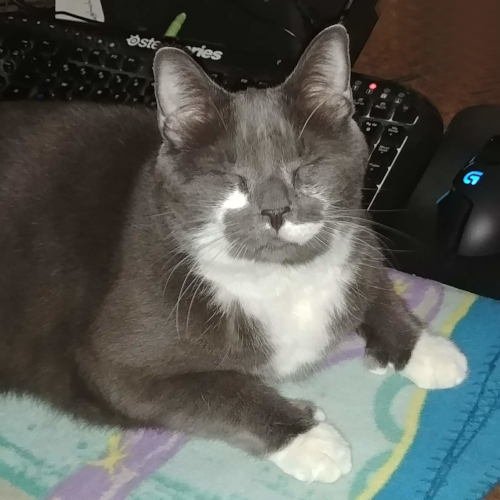 This belief is not just a slogan to us. It is something we have witnessed repeatedly. From Belle and Paws, who inspired everything, to all of our animals over the years. Aging is not a flaw. It is a stage of life that deserves respect.
Retail pet sales contribute to overpopulation by focusing on beginnings while ignoring endings. By celebrating youth while overlooking longevity. By selling moments instead of commitments.
Our hope is that through education, storytelling, and shared experience, more people will pause before buying and consider adopting. Especially adopting seniors. Because when given the chance, senior pets offer something extraordinary. A depth of companionship that can only come from a life fully lived.
Senior pets still have love to give. They always have.