

Chronic nausea is one of the most subtle yet distressing conditions that can affect aging cats. Unlike sudden vomiting from eating too fast or swallowing a hairball, long term nausea often creeps in quietly. A senior cat may continue eating, grooming, and interacting, but something feels slightly off. Over time, these small changes can add up, impacting nutrition, comfort, and overall quality of life. Understanding how nausea presents in older cats, why it happens, and how it can be managed makes a meaningful difference for both the cat and the caregiver.
Understanding What Nausea Looks Like in Older Cats
Cats rarely vomit every time they feel nauseated. In fact, many chronically nauseous cats vomit only occasionally or not at all. Instead, they show indirect signs that are easy to miss or misinterpret as normal aging.
Common signs of chronic nausea include lip smacking, frequent swallowing, drooling, or chewing motions when no food is present. Some cats hunch near their food bowl, sniff the meal, then walk away. Others eat a few bites and stop, returning later in small spurts. Weight loss despite apparent interest in food is another red flag. Behavioral changes such as restlessness, hiding, or decreased affection can also be linked to persistent nausea.
Because cats are masters at masking discomfort, these signs are often dismissed until the problem becomes more advanced. In aging cats, even mild nausea can significantly reduce calorie intake over time, leading to muscle loss and weakness.
Why Chronic Nausea Is More Common in Senior Cats
 As cats age, multiple body systems change. Organs that once compensated efficiently may begin to struggle, creating a perfect environment for nausea to develop. Kidney disease is one of the most common contributors. As waste products accumulate in the bloodstream, they can stimulate the brain’s nausea center. Gastrointestinal changes also play a role. Slower digestion, altered gut motility, and changes in stomach acid production can all contribute to queasiness.
Liver disease, pancreatitis, hyperthyroidism, inflammatory bowel disease, dental disease, and certain cancers can also trigger chronic nausea. In many senior cats, more than one condition is present at the same time, making nausea multifactorial rather than the result of a single issue.
Medications themselves can add to the problem. Drugs commonly prescribed for arthritis, heart disease, or blood pressure may cause stomach upset as a side effect, especially in sensitive older cats.
The Impact of Chronic Nausea on Quality of Life
Nausea is not just uncomfortable. It affects nearly every aspect of a cat’s daily life. Appetite becomes unreliable, which can complicate the management of other chronic illnesses. Hydration may decline if the cat avoids water due to stomach discomfort. Reduced food intake leads to weight loss and muscle wasting, particularly in the hind legs.
Emotionally, a nauseous cat may seem withdrawn or irritable. The constant low level of discomfort can erode trust around mealtime, making feeding stressful rather than enjoyable. Over time, this can strain the bond between cat and caregiver, especially when well meaning efforts to encourage eating are met with refusal.
Addressing nausea directly often leads to improvements not just in eating, but in energy, sociability, and overall demeanor.
Getting an Accurate Diagnosis
Because nausea is a symptom rather than a diagnosis, identifying the underlying cause is essential. A veterinarian will typically start with a detailed history, focusing on appetite patterns, weight changes, vomiting frequency, stool quality, and behavior.
Bloodwork is often the first diagnostic step, providing insight into kidney function, liver values, thyroid levels, and markers of inflammation. Urinalysis, blood pressure measurement, and abdominal imaging such as ultrasound may follow. In some cases, dietary trials or gastrointestinal biopsies are needed to clarify inflammatory conditions.
While testing can feel overwhelming, especially for older cats, even partial information can guide effective management. When a full workup is not possible, veterinarians often focus on symptomatic relief alongside supportive care.
Dietary Strategies for Managing Nausea
Food plays a central role in managing chronic nausea. For many senior cats, small adjustments can make a noticeable difference. Offering smaller, more frequent meals helps prevent the stomach from becoming too empty or too full. Warmed food releases stronger aromas, which can stimulate appetite and reduce food aversion. Some cats tolerate wet food better due to its higher moisture content and softer texture, while others prefer dry food that is easier to nibble slowly.
Prescription diets designed for kidney disease, gastrointestinal sensitivity, or senior nutrition are often formulated to be gentler on the stomach. However, the best diet is ultimately the one the cat will eat consistently. In some cases, rotating between a few tolerated options prevents boredom and reduces food refusal.
Texture matters as much as flavor. Pate, shredded, or mousse style foods each appeal differently depending on dental comfort and nausea severity. Adding a small amount of warm water or broth can improve palatability and hydration.
Medications That Help Control Nausea
 Several medications are commonly used to manage nausea in cats. These are typically safe when prescribed appropriately and monitored by a veterinarian. Maropitant is frequently used to control nausea and vomiting by blocking signals to the brain’s vomiting center. Ondansetron is another option, particularly useful for nausea associated with kidney disease or chemotherapy. Some cats benefit from acid reducing medications if stomach irritation is contributing to their symptoms.
Appetite stimulants may be added when nausea is controlled but appetite remains poor. These medications do not treat nausea directly, but they can help break the cycle of food avoidance and weight loss when used carefully. Medication plans often require adjustment over time. A dose that works well initially may need refinement as the cat’s condition changes.
Supportive Care Beyond Food and Medication
Managing chronic nausea is not only about what goes into the body. The environment and daily routine also matter. Stress can worsen gastrointestinal symptoms. Maintaining a calm feeding area, free from loud noises or competition from other pets, encourages relaxed eating. Consistent schedules help cats feel secure and may improve appetite.
Hydration support is critical, especially for cats with kidney disease. Providing multiple water sources, including fountains, can encourage drinking. Some cats benefit from supplemental fluids administered under veterinary guidance.
Gentle grooming, soft bedding, and easy access to litter boxes reduce physical strain and conserve energy. Comfort supports overall well being, which indirectly improves appetite and digestive tolerance.
Monitoring Progress and Adjusting Care
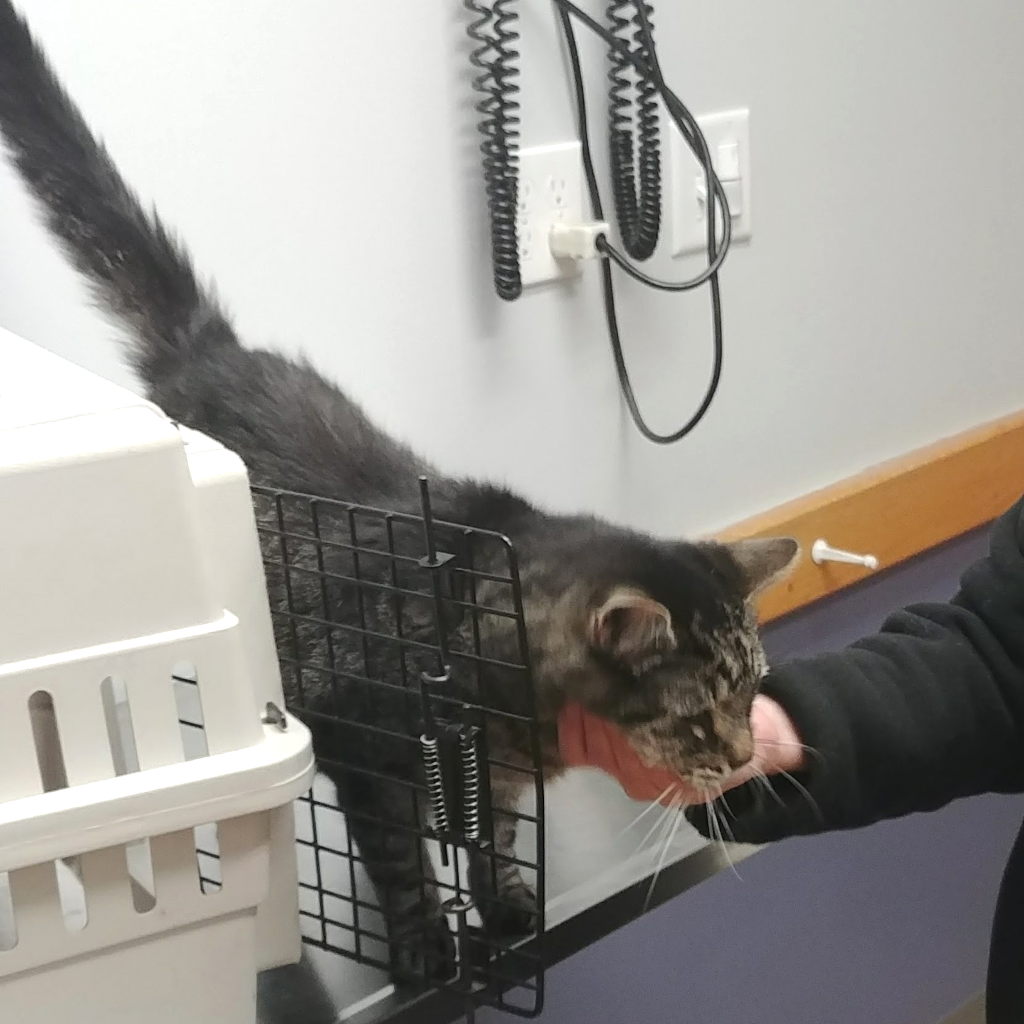 Chronic nausea management is an ongoing process rather than a one time fix. Regular weight checks, appetite tracking, and behavior observations provide valuable feedback. Even small improvements, such as finishing an extra tablespoon of food per day, can have long term benefits.
It is important to communicate changes to the veterinarian, including improvements as well as setbacks. Adjustments to diet, medication timing, or dosing can often restore balance when symptoms fluctuate.
Caregivers should also monitor for signs of worsening disease, such as sudden weight loss, persistent vomiting, or lethargy, which may indicate progression of an underlying condition.
Balancing Treatment With Quality of Life
In advanced age, treatment decisions are often guided by comfort rather than cure. Managing nausea can be one of the most compassionate interventions available. A cat that feels less queasy is more likely to eat, interact, and enjoy daily routines.
There is no single correct approach. Some cats respond beautifully to simple dietary changes, while others require ongoing medication support. What matters most is tailoring care to the individual cat’s needs and tolerances.
By addressing chronic nausea thoughtfully and proactively, caregivers can significantly improve an aging cat’s comfort and dignity. Even in the presence of chronic illness, reducing nausea helps preserve the simple pleasures that make a cat’s senior years meaningful.