
Aging is a natural part of life for every pet, whether they have fur, feathers, or whiskers. As dogs and cats grow older, their bodies and behaviors change in ways that can feel subtle at first and more noticeable over time. For many pet parents, the challenge is figuring out which changes are normal signs of healthy aging and which signal that their companion may need extra support, medical care, or environmental adjustments.
Understanding the difference can help you respond with confidence instead of worry. Aging well does not mean aging without change. It means adapting successfully to those changes with comfort, dignity, and quality of life. This article explores the signs that your pet is aging gracefully, the indicators that they may be struggling, and how early awareness can make a meaningful difference.
What Healthy Aging Looks Like in Pets
 Healthy aging varies from one animal to another. Breed, size, genetics, and lifestyle all play a role. Large dogs often show age-related changes earlier than small dogs, while cats may hide discomfort more effectively. Despite these differences, pets that are aging well tend to share a common set of physical and behavioral traits.
Aging well does not mean your pet behaves exactly like they did as a puppy or kitten. Instead, it means they are adjusting smoothly to changes without significant distress or loss of enjoyment in daily life.
Signs Your Pet Is Aging Well
Steady Appetite and Weight
One of the most reassuring signs of healthy aging is a consistent appetite paired with stable weight. Older pets may eat slightly less than they did in their youth, but they should still show interest in food and maintain a healthy body condition. A pet who eats eagerly, chews comfortably, and maintains muscle tone is likely adapting well to aging. Minor changes in dietary needs are normal, but sudden weight loss or gain is not.
Maintained Interest in Daily Activities
Pets aging well often remain curious and engaged with their environment. A senior dog may prefer shorter walks, but they still show excitement when the leash comes out. An older cat may nap more, yet still seeks out favorite perches, window views, or play sessions. This continued interest suggests both physical comfort and emotional well-being. Adjusted energy levels are expected, but total withdrawal is not.
Comfortable Mobility with Mild Adjustments
Healthy aging often includes some stiffness, especially after rest. However, pets aging well are still able to move around their home, climb stairs with manageable effort, and rise from lying down without clear distress. They may move more slowly, but their movements remain purposeful and balanced. Mild joint changes that do not interfere significantly with daily function are common and manageable.
Normal Grooming and Self-Care
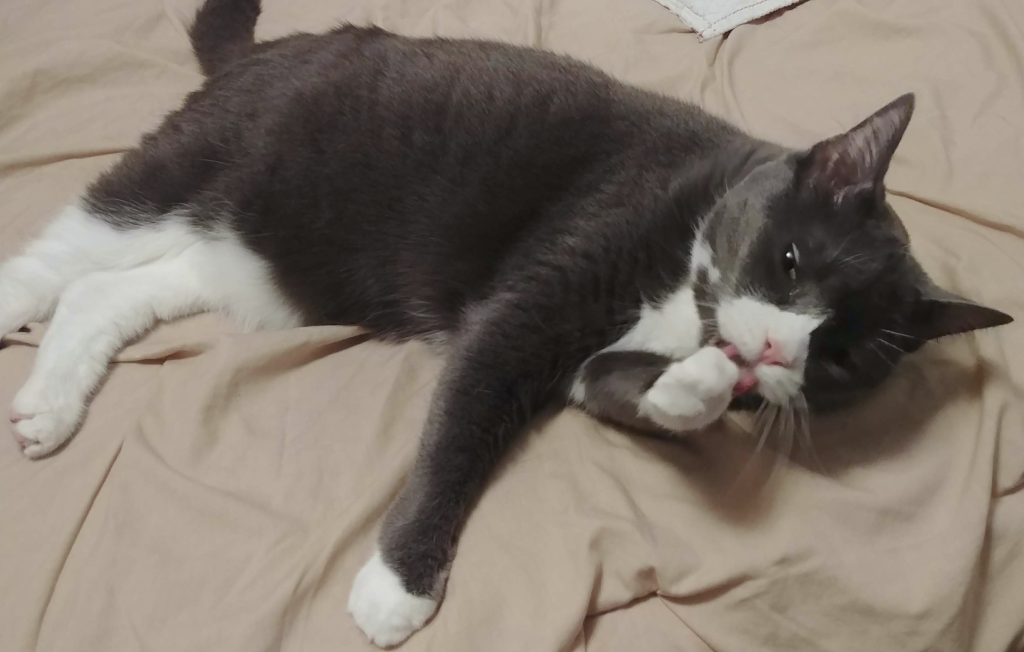 Cats that are aging well continue to groom themselves adequately, even if they do so less frequently. Dogs may rely on owners for more grooming help, but they still tolerate handling and show no signs of pain during routine care.
A maintained coat, clean eyes, and normal hygiene habits often indicate that your pet feels comfortable enough to care for themselves or accept assistance.
Stable Mood and Personality
Aging well does not typically cause dramatic personality changes. Senior pets often become calmer, more affectionate, or more selective about interactions, but their core temperament remains recognizable. A dog who has always enjoyed companionship still seeks it out. A cat who has always been independent still shows affection in familiar ways. Emotional consistency is a strong sign of healthy aging.
Regular Sleep Patterns
Older pets usually sleep more, but healthy aging includes restful, predictable sleep rather than constant restlessness. Pets aging well can settle comfortably, sleep through the night, and wake without signs of confusion or distress. Daytime naps increase naturally with age, especially in cats, and are not a cause for concern on their own.
When Aging Starts to Need Extra Support
While many changes are part of normal aging, others signal that your pet may be struggling. These signs do not mean something is necessarily wrong, but they do indicate that additional support, evaluation, or adjustments may be needed to preserve quality of life. Early recognition allows for gentler interventions and often prevents more serious problems later.
Signs Your Pet May Need More Support
Noticeable Changes in Appetite or Thirst
A sudden loss of appetite, increased hunger, excessive thirst, or changes in drinking habits can point to underlying issues. Dental pain, kidney disease, diabetes, and gastrointestinal problems are common in senior pets and often show up first as eating or drinking changes. Any persistent shift lasting more than a few days should be discussed with a veterinarian.
Unexplained Weight Loss or Gain
Weight changes that occur without dietary adjustments are especially important to monitor. Muscle loss can happen quickly in aging pets and may signal chronic pain, hormonal imbalance, or organ dysfunction. Weight gain, on the other hand, may indicate reduced mobility or metabolic changes that require nutritional adjustments.
Difficulty Moving or Reluctance to Exercise
Struggling to stand, hesitating before climbing stairs, slipping on floors, or avoiding previously enjoyed activities often point to joint pain or muscle weakness.
Pets rarely cry out in pain. Instead, they change behavior. What looks like laziness is often discomfort. Early support for mobility issues can dramatically improve comfort and independence.
Changes in Grooming or Appearance
A matted coat, greasy fur, dandruff, or strong odor may indicate that your pet is no longer grooming effectively. In cats, this is often an early sign of arthritis or pain that makes twisting and bending uncomfortable. In dogs, changes in coat condition may also signal nutritional deficiencies or hormonal shifts.
Increased Anxiety or Irritability
Behavioral changes are one of the most overlooked signs of aging-related difficulty. Increased anxiety, clinginess, irritability, or withdrawal can all signal discomfort or confusion.
Some senior pets become startled more easily or react strongly to routine handling. These changes are not simply moodiness. They often reflect underlying physical or cognitive stress.
Accidents in the House or Litter Box Changes
House soiling in dogs or litter box avoidance in cats is often misinterpreted as behavioral disobedience. In older pets, it is more commonly linked to mobility challenges, urinary issues, or cognitive decline. Difficulty reaching the litter box, stepping into it, or holding urine can all contribute to accidents that deserve compassionate investigation rather than correction.
Disrupted Sleep or Nighttime Confusion
Restlessness at night, pacing, vocalizing, or appearing disoriented can be signs of cognitive changes or discomfort. Some pets develop age-related cognitive dysfunction similar to dementia in humans. Sleep disruption affects both the pet and the household, and early support can often ease symptoms significantly.
The Role of Veterinary Care in Aging Support
Regular veterinary checkups become increasingly important as pets age. Many age-related conditions develop gradually and can be managed effectively when caught early.
Senior wellness visits often include blood work, dental evaluations, mobility assessments, and discussions about behavior changes. These visits are not just about diagnosing disease. They are about optimizing comfort and longevity. Preventive care, pain management, and nutritional adjustments can dramatically improve how a pet experiences their later years.
How Home Environment Impacts Aging
A pet aging well often benefits from small but meaningful environmental adjustments. Non-slip rugs, orthopedic bedding, elevated food bowls, and easily accessible litter boxes or potty areas can reduce strain and increase confidence.
Maintaining predictable routines also helps senior pets feel secure. Consistent feeding times, familiar walking routes, and stable household dynamics reduce stress and support emotional well-being. Lighting changes can help pets with declining vision, while quieter spaces support those with increased sensitivity to noise.
Emotional Support and Quality of Life
Emotional health is just as important as physical health in aging pets. Gentle interaction, mental stimulation, and continued inclusion in family life all contribute to successful aging.
Short play sessions, scent-based enrichment, and calm companionship keep senior pets engaged without overwhelming them. Respecting their limits while still offering connection is key.
Pets who feel safe, understood, and supported tend to cope better with physical changes and maintain a stronger sense of well-being.
Aging Is a Journey, Not a Decline
One of the most important mindset shifts for pet owners is recognizing that aging does not automatically mean suffering. Many pets live rich, comfortable lives well into their senior years when their needs are understood and met.
Aging well looks different for every pet. The goal is not to prevent aging, but to support it thoughtfully and compassionately. By learning the difference between normal age-related changes and signs that call for extra support, you can advocate effectively for your companion and ensure their later years are filled with comfort, dignity, and love.
Your awareness, patience, and willingness to adapt make a powerful difference in how your pet experiences aging.