



Caring for an older dog often brings a shift in rhythm. What used to be simple routines become more intentional, more structured, and sometimes more fragile. Medication becomes part of that daily rhythm, and with it comes a responsibility that can feel both grounding and overwhelming.
If you are managing medications for a senior dog, you already know it is not just about giving a pill. It is about timing, consistency, observation, and trust. These small daily actions can make a meaningful difference in your dog’s comfort, mobility, and overall quality of life. And while it may feel like a lot at first, it does become second nature over time.
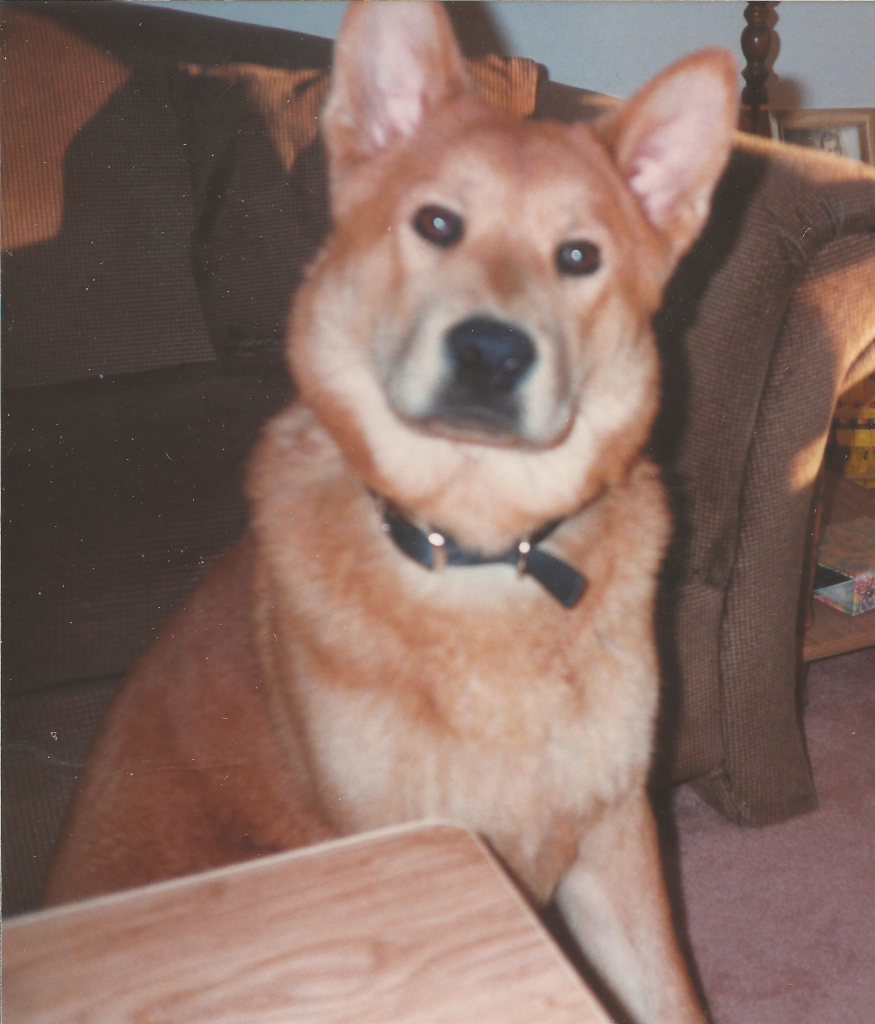
I remember this shift clearly with one of our dogs, Buddy. As he aged, his needs became more specific. There were medications that needed to be given with food, others that had to be spaced apart, and a few that required careful timing to manage his discomfort. At first, it felt like I was constantly checking the clock. But eventually, it became part of our shared routine, almost like a quiet agreement between us.
That is really what medication compliance becomes. It is not just a task. It is a form of care and communication.
Why Timing Matters More Than We Realize
 One of the most common misunderstandings with pet medications is thinking that being “close enough” is good enough. In reality, timing can directly affect how well a medication works and how safe it is.
Many medications are designed to maintain a steady level in your dog’s system. When doses are given too early, too late, or skipped, those levels can fluctuate. That can reduce effectiveness or even cause side effects. For example, pain medications may wear off too soon, leading to discomfort, or certain heart or thyroid medications may not regulate properly if timing is inconsistent.
For diabetic dogs, timing becomes even more critical. Insulin must be carefully coordinated with meals and blood sugar levels. Even small deviations can have noticeable effects. This is something we learned firsthand while managing feline diabetes with Bentley. The discipline of consistent timing, testing, and feeding created stability. That same principle applies to dogs.
It is not about perfection. It is about consistency. A routine that is predictable helps your dog’s body respond the way it is supposed to.
Building a Routine That Actually Works
The biggest challenge most pet parents face is not understanding what to do. It is making it sustainable day after day. The key is to build your dog’s medication schedule into your life in a way that feels natural. If a medication needs to be given every twelve hours, tie it to something you already do at consistent times, like breakfast and dinner.
If something needs to be given mid-day, connect it to a lunch break or a daily reminder. Over time, these moments stop feeling like interruptions and start feeling like part of your shared rhythm.
There is also a practical side to this. Visual cues and simple systems can make a huge difference. Keeping medications in a designated area, using labeled containers, or even setting phone reminders can reduce the mental load. You should not have to rely on memory alone, especially when managing multiple medications.
For pet parents managing more complex conditions, tools can be incredibly helpful. On our site, we offer a free pet diabetes tracker and printable charts that many people use to stay organized. While these are designed for diabetes management, the same idea applies to any medication routine. Having a clear record of what was given and when can prevent confusion and give you peace of mind.
When Life Gets Messy and Schedules Slip
 No matter how committed you are, there will be days when things do not go perfectly. You might forget a dose, run late, or realize you gave something later than planned. This is where compassion for yourself matters just as much as care for your dog.
The first thing to remember is not to panic. A single delayed or missed dose is usually not catastrophic, though it is always important to understand the specific medication you are dealing with. When in doubt, contacting your veterinarian for guidance is the safest path.
More importantly, use those moments as gentle reminders to reinforce your system. If you missed a dose because your routine changed, ask yourself how you can adjust your setup to prevent that next time. Maybe it is adding a reminder, repositioning medications, or simplifying the schedule where possible.
Caring for a senior dog is not about getting everything perfect. It is about being present, attentive, and willing to adapt.
Recognizing the Signs of Compliance Challenges
Sometimes, medication compliance is not just about the human side. Dogs can have their own opinions about taking medications, and senior dogs in particular may become more sensitive or resistant.
You might notice subtle signs. Hesitation around mealtime if medications are mixed with food. Increased stress when you approach with a pill. Even changes in appetite or behavior can sometimes be linked to how medications are being administered.
This is where observation becomes one of your most valuable tools. Pay attention to how your dog responds. If something feels off, it is worth exploring alternatives. Many medications come in different forms, including liquids, flavored chews, or compounded versions that can make administration easier.
With Buddy, we had to get creative at times. Some days were easy. Other days required patience and a bit of problem solving. But over time, we found approaches that worked for both of us, and that made a huge difference in maintaining consistency.
The Emotional Side of Staying Consistent
 There is an emotional layer to all of this that often goes unspoken. Giving medications to a senior dog can be a daily reminder that they are aging, that their needs are changing, and that time feels more precious. It can be exhausting at times. There may be moments when you feel overwhelmed or even question whether you are doing everything right. That is completely normal.
What matters is that you are showing up. Every dose given, every schedule followed, every adjustment made is an act of care. Your dog may not understand the details, but they feel the consistency, the attention, and the comfort that comes from it.
There is also a quiet reassurance in routine. Dogs thrive on predictability, especially as they age. Knowing when meals happen, when medications are given, and what to expect throughout the day can reduce stress and create a sense of stability.
Working With Your Veterinarian as a Partner
Medication compliance is not something you have to navigate alone. Your veterinarian is an important partner in this process, and open communication can make everything easier. If you are struggling with timing, administration, or side effects, it is worth having that conversation. Sometimes, there are alternative medications, adjusted schedules, or simpler approaches that can achieve the same results with less strain.
It is also helpful to keep records of your dog’s medication schedule, responses, and any changes you observe. This information can provide valuable insights during checkups and help your veterinarian make more informed recommendations.
Think of it as a team effort. You are the one providing daily care and observation, and your veterinarian is there to guide and support those efforts.
Finding Confidence in the Routine
 Over time, what once felt complicated becomes familiar. You start to recognize patterns, anticipate needs, and adjust naturally. The routine that once required constant attention begins to flow more easily.
There is a quiet confidence that develops when you realize you are managing it well. Your dog is comfortable. Medications are being given consistently. You are noticing changes and responding thoughtfully. That confidence does not come from doing everything perfectly. It comes from showing up, learning, and adapting along the way.
Caring for an older dog is a journey filled with small, meaningful moments. Medication timing and compliance are just one part of that journey, but they carry a lot of weight. They are a daily opportunity to support your dog’s health, comfort, and dignity.
And at the end of the day, that is what matters most. Not perfection, but presence. Not flawless execution, but steady, compassionate care.