

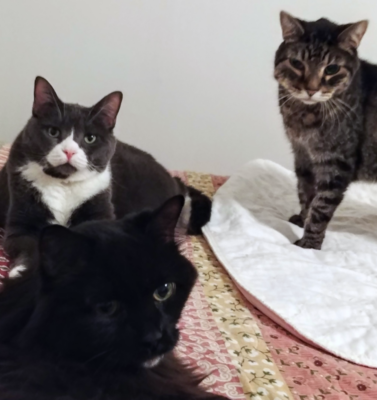
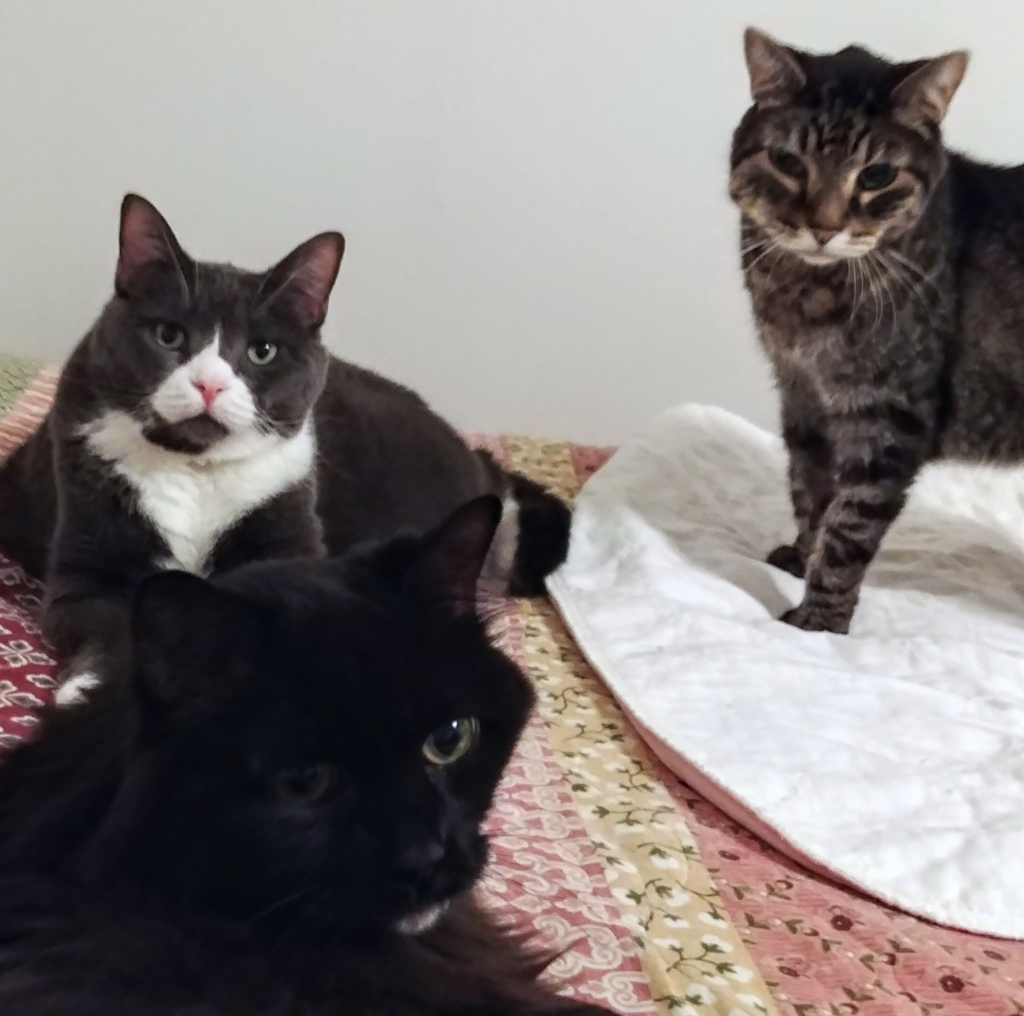
There’s a quiet moment many of us experience as pet parents that changes everything. It doesn’t come with a loud diagnosis or a dramatic event. It’s subtle. Maybe it’s the first time you notice your cat hesitating before jumping, or your dog taking just a little longer to get up in the morning. Maybe it’s a shift in appetite, a change in water intake, or simply a feeling that something is different.
That moment is awareness. And while it can feel heavy at first, I’ve learned over the years that awareness is not something to fear. It’s something to build on. It’s the beginning of a deeper kind of care, one that can truly transform your pet’s daily life.
When You Start Noticing the Small Things
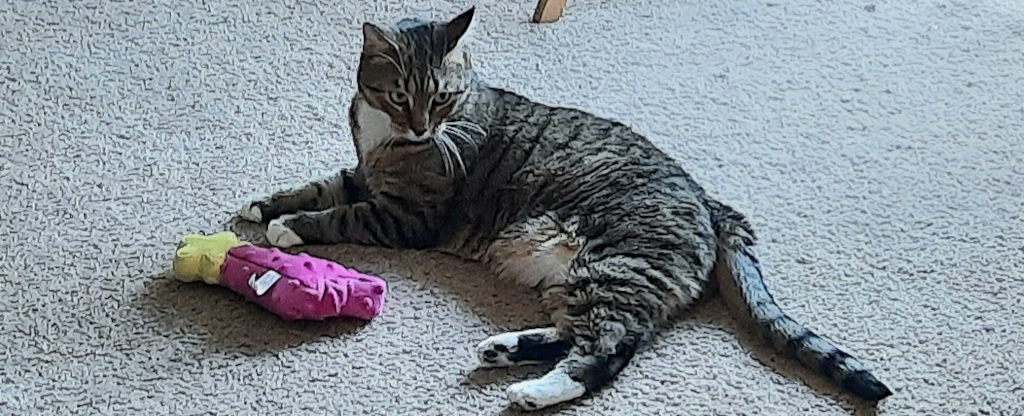 Awareness often begins with observation, and if you’ve lived with your pet long enough, you know how powerful that is. We learn their rhythms. We know how they walk, how they eat, how they greet us. So when something shifts, even slightly, it stands out.
I remember with Belle, one of our founding cats, there was a time when everything seemed normal on the surface. She was still eating, still moving around, still present with us. But something felt off. It was subtle. She lingered near the water bowl a bit longer. Her grooming habits changed just slightly.
That awareness led us to start paying closer attention. Not in a panicked way, but in a thoughtful, intentional way. And that’s where daily care begins to evolve. Because once you notice something, you have a choice. You can brush it off, or you can lean into it and adjust.
Awareness Isn’t Worry, It’s a Tool
It’s easy to confuse awareness with anxiety. I’ve been there. When you start noticing changes, your mind can run ahead of you. You start wondering what it means, what’s coming next, whether you’re doing enough. But awareness, when used the right way, is not about fear. It’s about clarity.
It gives you the ability to respond instead of react. It allows you to make small adjustments early, rather than waiting until something becomes a bigger issue.
For example, when managing feline diabetes, awareness becomes one of your greatest assets. With Bentley, who is currently on tight regulation, we learned quickly that small fluctuations in behavior often lined up with changes in his glucose levels. A slightly quieter afternoon or a different appetite pattern could tell us something important.
That didn’t make us anxious. It made us prepared. And preparation leads to better care.
Building a Daily Routine That Supports Awareness
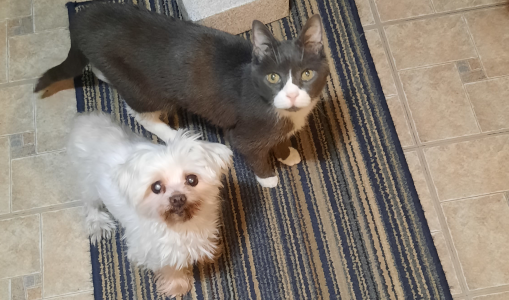 Once you start noticing patterns, the next step is turning that awareness into something consistent. That’s where daily routines come in. Routine is not about rigidity. It’s about creating a stable environment where changes become easier to spot. When feeding times, medication schedules, and general daily flow are consistent, even small deviations stand out more clearly.
For diabetic pets, this becomes especially important. Keeping meals and insulin timing steady helps you better understand how your pet responds. Over time, you begin to see trends instead of isolated moments.
This is one of the reasons we created tools on BellenPaws like our diabetes tracker and printable glucose charts. Not because everyone needs to become an expert, but because having a simple way to track patterns can turn scattered observations into meaningful insights.
And even outside of diabetes, routine helps. It helps you notice if your senior dog is sleeping more than usual. It helps you catch when your cat is visiting the litter box more frequently. It turns awareness into something actionable.
Adjusting the Environment to Match Their Needs
As awareness grows, so does your understanding of what your pet needs to stay comfortable. Sometimes, the adjustments are small. A softer place to rest. A litter box with lower sides. A food bowl raised just enough to reduce strain. These changes might seem simple, but they can have a profound impact on a senior pet’s quality of life.
I’ve found that many of these adjustments come naturally once you’re paying attention. You start to see where your pet hesitates or struggles, and you begin to think, “How can I make this easier for them?”
With senior cats especially, mobility can change gradually. They may still want to reach their favorite spots, but getting there becomes harder. Adding a small step or repositioning furniture can help them maintain that independence. And that’s really what this is about. Not just keeping them comfortable, but helping them continue to live their lives in a way that feels familiar and safe.
Feeding With Intention
 Food becomes another area where awareness can make a huge difference. As pets age or develop conditions like diabetes, their nutritional needs can shift. But beyond the type of food, how and when you feed can matter just as much.
You might notice your pet prefers smaller, more frequent meals. Or that they eat better at certain times of day. These observations are valuable. They guide you toward a feeding routine that supports their body instead of working against it. For diabetic pets, timing meals alongside insulin becomes part of a careful balance. Watching how your pet responds after eating can give you important clues about how well that balance is working.
Again, this isn’t about perfection. It’s about paying attention and adjusting over time.
Emotional Awareness Matters Too
One thing that often gets overlooked is the emotional side of all this. Our pets feel changes too. They sense when their bodies are different. They pick up on our energy. And as their needs evolve, their emotional world can shift as well.
You might notice your pet seeking more comfort, or preferring to stay closer to you. They may become more vocal, or quieter. These are not just behavioral quirks. They’re part of the bigger picture.
Responding to those emotional needs is just as important as addressing physical ones. Sometimes, it’s as simple as spending a little extra time sitting with them. Offering gentle reassurance. Keeping their environment calm and predictable.
These moments build trust. And that trust makes everything else easier.
Knowing When to Act and When to Observe
 One of the hardest parts of turning awareness into care is knowing what requires action and what simply needs monitoring. Not every change is urgent. But every change is information. Over time, you develop a sense of what’s normal for your pet and what isn’t. You learn which patterns repeat and which ones signal something new.
This is where keeping notes or using tracking tools can really help. When you can look back and see how things have changed over days or weeks, it becomes easier to decide when to reach out to your vet. It takes some of the guesswork out of the process.
And perhaps more importantly, it gives you confidence.
The Balance Between Doing and Being
There’s a natural instinct, especially when we become more aware, to want to do more. To fix things. To intervene. But part of good daily care is knowing when to simply be present. Not every moment needs to be managed. Sometimes, the best thing you can offer your pet is a sense of normalcy. A calm presence. A routine that feels safe.
This balance between doing and being is something I’ve learned over many years and many pets. It’s not always easy, but it’s incredibly important. Because our pets don’t measure their lives in data points or routines. They measure it in moments.
Finding Strength in the Journey
If you’re reading this and recognizing some of these experiences, I want you to know something. You’re already doing more than you think. Awareness itself is an act of love. It means you’re paying attention. It means you care enough to notice the small things. And that alone puts you in a powerful position to improve your pet’s daily life.
When Belle was navigating her health challenges, there were many moments where we felt unsure. But looking back, it wasn’t the big decisions that made the biggest difference. It was the small, consistent acts of care. The adjustments we made along the way. The attention we gave to the details.
That’s what adds up.
Turning Awareness Into a Way of Life
 In the end, awareness is not a one-time realization. It’s something that grows with you. It becomes part of how you see your pet, how you respond to them, how you support them through each stage of life. And the more you lean into it, the more natural it becomes.
You start to trust your instincts. You begin to recognize patterns more quickly. You feel more connected to your pet’s needs. And that’s where the real transformation happens.
Because daily care is not just about managing symptoms or following routines. It’s about building a relationship rooted in understanding. A relationship where your pet feels seen, supported, and loved in a way that adapts as they do.
That’s the heart of what we try to share at BellenPaws. Not perfection, not expertise in the clinical sense, but lived experience. The kind that comes from walking this path, learning along the way, and finding better ways to care through awareness. And if there’s one thing I’ve learned, it’s this.
The smallest moments of awareness often lead to the biggest acts of love.