Senior feral cats occupy one of the most misunderstood corners of animal welfare. These cats are often invisible to the public, quietly surviving on the edges of neighborhoods, industrial areas, farms, and vacant properties. By the time a feral cat reaches senior age, usually considered around ten years or older, it has already overcome years of hardship. Exposure to weather, limited access to consistent food, lack of medical care, and constant vigilance against threats all take a toll. Yet despite these challenges, many senior feral cats continue to survive through adaptability and resilience.
Unlike stray cats who may have once lived indoors or had regular contact with humans, feral cats are typically unsocialized. Their survival strategies are shaped by avoidance rather than dependence. When a feral cat reaches old age, its needs change significantly. Declining mobility, dental problems, weakened immune systems, and chronic conditions become more common. These realities demand a more thoughtful and humane approach than simply viewing feral cats as untouchable or unadoptable.
What Makes a Cat Truly Feral
Understanding why senior feral cats deserve special consideration starts with understanding what feral means. A feral cat is not simply an outdoor cat. Feral cats have had little to no positive human interaction, especially during their critical early development stages. As a result, they perceive humans as threats rather than caregivers.
This distinction matters because it shapes how help can be offered. Senior feral cats cannot usually be transitioned into traditional homes without extreme stress. Attempting to force socialization late in life can do more harm than good. Humane care for these cats must respect their boundaries while still addressing their welfare needs.
Aging Changes the Survival Equation
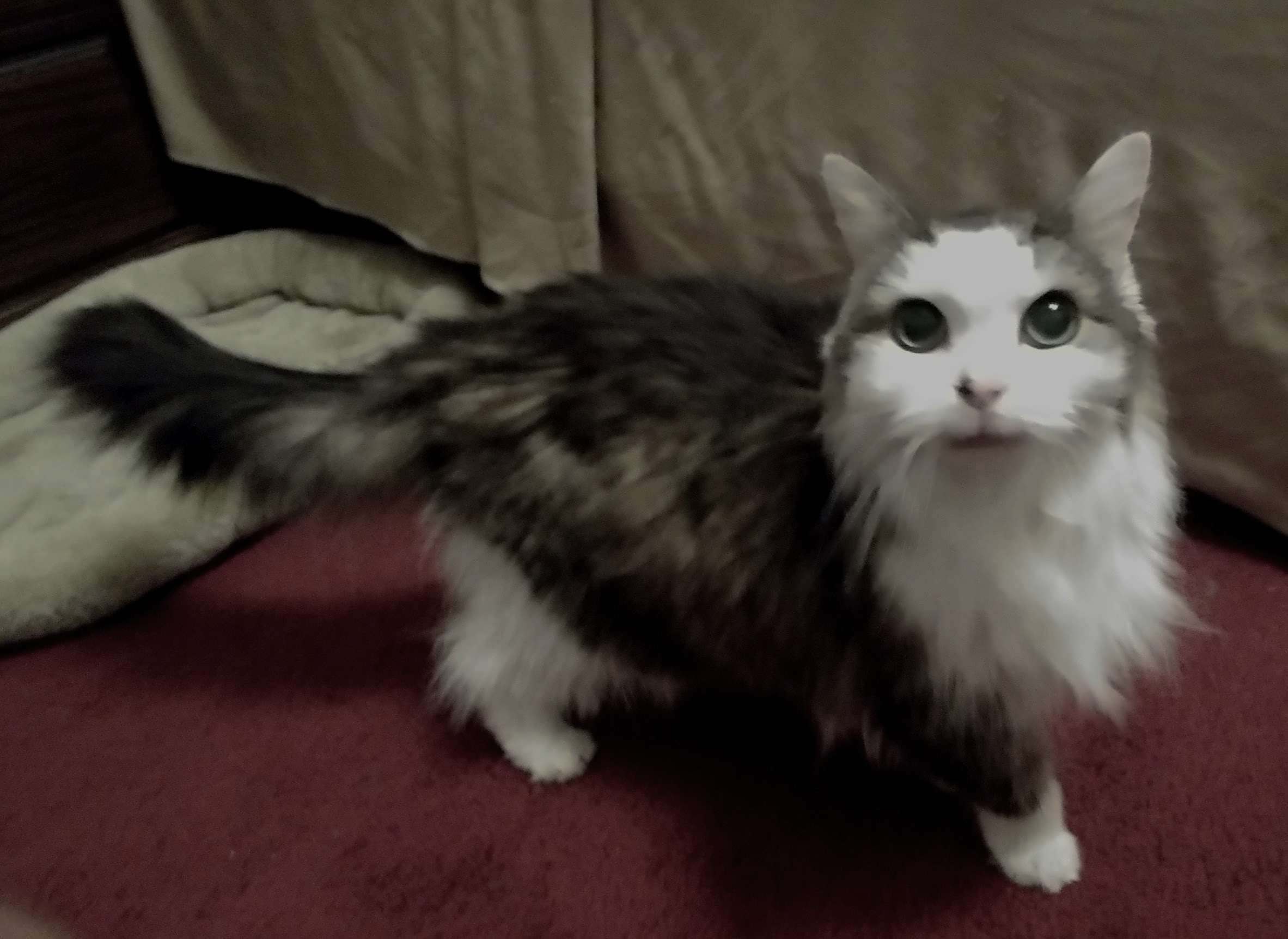 A young feral cat is fast, alert, and adaptable. A senior feral cat is not. Aging slows reflexes, reduces stamina, and increases vulnerability. Jumps become harder, eyesight fades, and hearing dulls. Arthritis may limit mobility, making it difficult to escape danger or compete for food.
Dental disease is especially common among older feral cats. Broken teeth, infections, and gum disease can make eating painful, leading to weight loss and malnutrition even when food is available. Chronic conditions like kidney disease, hyperthyroidism, and respiratory issues often go untreated in feral populations, quietly shortening lifespans.
Because these changes happen gradually, they are easy to overlook. A senior feral cat may still appear capable, but its margin for survival is much thinner than it once was.
Why Trap Neuter Return Alone Is Not Enough for Seniors
Trap Neuter Return programs have transformed feral cat welfare by stabilizing populations and reducing suffering. However, for senior feral cats, sterilization alone does not address the full scope of their needs. A ten or twelve year old feral cat is unlikely to benefit from population control in the same way a younger cat does.
Senior cats may require dental care, pain management, or treatment for chronic illness. While it is unrealistic to provide full veterinary care to every feral cat, targeted intervention for seniors can significantly improve quality of life. Even small measures, such as treating infections, extracting painful teeth, or providing recovery time in a safe enclosure, can make a meaningful difference.
The Ethical Case for Compassionate Intervention
Some people argue that nature should take its course for feral cats. This perspective ignores the reality that feral cats exist because of human actions. Domestic cats are not wild animals. Their presence in outdoor environments is the result of abandonment, lack of spay and neuter access, and uncontrolled breeding.
Senior feral cats have already paid the price for these failures. Offering them compassion is not interference with nature but an acknowledgment of responsibility. Humane intervention recognizes that survival alone is not the same as well being. Reducing suffering, even when full rehabilitation is not possible, is an ethical obligation.
Managed Colonies as Lifelines
One of the most effective ways to support senior feral cats is through managed colonies. A managed colony provides consistent food, clean water, and shelter, reducing the daily strain on aging bodies. Caretakers can monitor individuals over time, noticing changes in behavior, appetite, or mobility that may signal health problems.
For senior cats, predictability is especially important. Knowing where food will be and having safe shelter from extreme temperatures can mean the difference between surviving another winter or not. Simple shelters insulated against cold or heat can dramatically improve comfort and longevity.
Medical Care Without Forced Socialization
Providing medical care to senior feral cats does not require turning them into pets. Many veterinary clinics and rescue organizations now practice feral friendly care. Cats are humanely trapped, treated while under anesthesia, and returned to their familiar environment once recovered.
This approach minimizes stress and respects the cat’s feral nature. Pain relief, dental extractions, wound care, and treatment for infections can all be provided without prolonged handling. For senior cats, these interventions can relieve chronic discomfort they may have endured for years.
When Sanctuary Is the Kindest Option
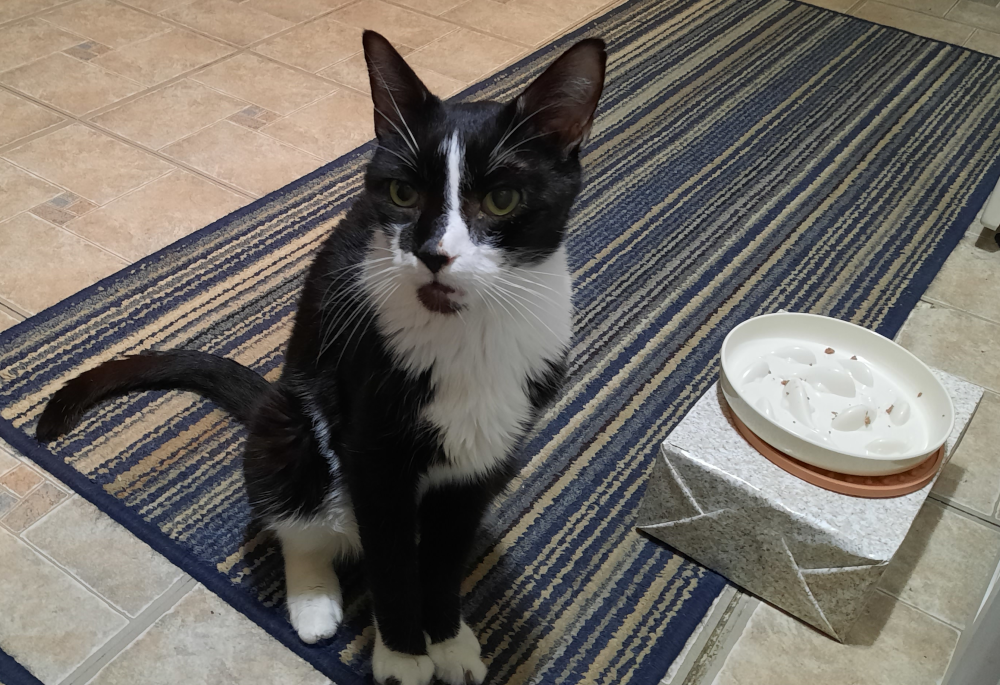 In some cases, returning a senior feral cat to its environment is no longer humane. Severe illness, advanced disability, or unsafe living conditions may make survival outside unrealistic. For these cats, sanctuary environments can offer a compromise between freedom and care.
Sanctuaries designed for feral cats provide outdoor enclosures or barn style housing where cats can live without human interaction but still receive food, shelter, and medical oversight. While sanctuary placement is not available everywhere, it represents an important option for seniors who cannot safely return to the streets.
The Emotional Weight of Invisible Lives
Senior feral cats often live and die unnoticed. There is no family watching for subtle signs of decline, no one marking birthdays or celebrating milestones. This invisibility makes it easy to dismiss their suffering as inevitable.
Recognizing the emotional weight of these lives does not mean projecting human feelings onto cats. It means acknowledging that these animals experience pain, stress, and comfort. A warm shelter, a full belly, and relief from pain matter, regardless of whether a cat seeks affection.
Community Responsibility and Education
Helping senior feral cats requires community understanding. Many people fear or misunderstand feral cats, viewing them as pests rather than vulnerable animals. Education about humane management, the realities of feral aging, and the benefits of compassionate care can shift attitudes.
Community support can take many forms. Donating to local TNR programs, supporting feral friendly veterinary clinics, volunteering as a caretaker, or simply allowing managed colonies to exist without harassment all contribute to better outcomes for senior cats.
Balancing Resources With Humanity
One of the hardest challenges in animal welfare is resource limitation. Not every senior feral cat can receive extensive medical care or sanctuary placement. Recognizing this reality does not mean abandoning compassion.
Prioritizing seniors for targeted help is a way to use limited resources wisely. Helping an older cat live its remaining years with less pain and more stability honors the life it has already survived. It is a balance between practicality and empathy.
Rethinking What Success Looks Like
Success for senior feral cats does not look like adoption into a living room. It looks like dignity. It looks like fewer painful days, safer nights, and the chance to age without constant struggle. It looks like being seen, even from a distance.
By redefining success, communities can move beyond unrealistic expectations and focus on achievable improvements. Senior feral cats do not need to become something they are not. They need consideration that matches their reality.
A Quiet Promise of Care
Senior feral cats ask for very little. They do not seek attention or affection. What they need is thoughtful recognition of their changing needs and humane responses to those needs. Offering shelter, food, medical relief, and respect is not excessive. It is a quiet promise that their lives matter, even if they are lived on the margins.
In a world where youth and visibility often drive concern, choosing to care for senior feral cats is an act of deliberate compassion. It acknowledges endurance, honors survival, and affirms that every stage of life deserves consideration, even the ones lived in silence.