

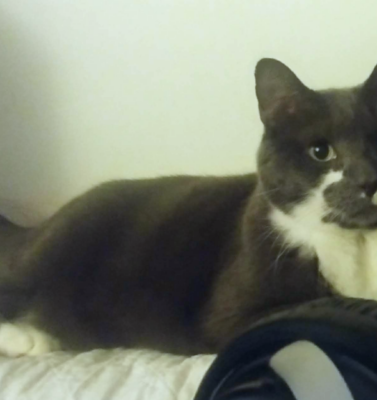
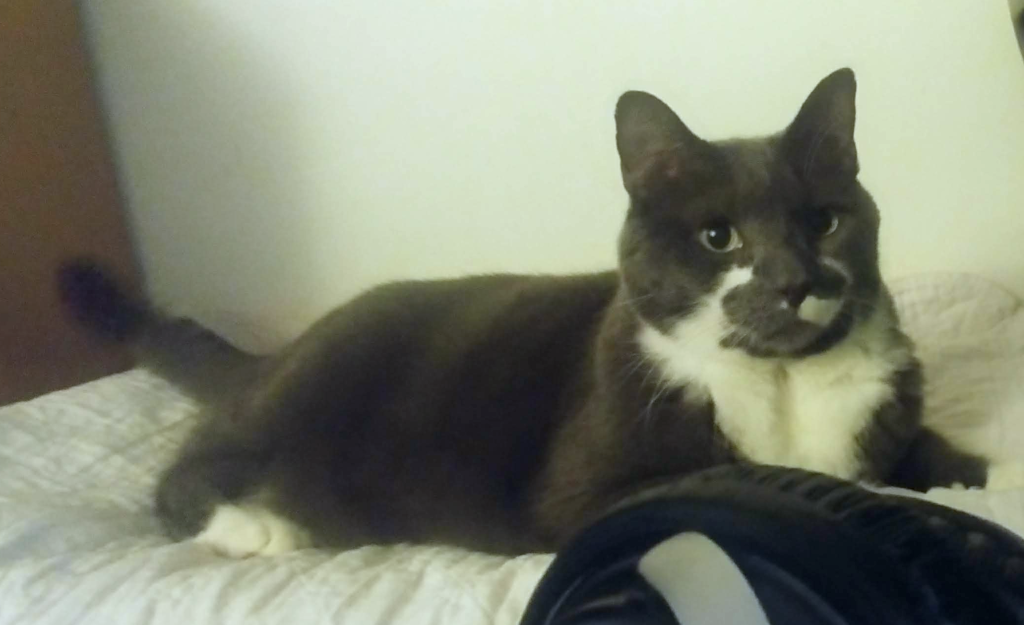
There comes a moment with our senior pets when we notice the shift. It is subtle at first. A hesitation before jumping onto a favorite chair. A longer pause before standing up after a nap. Maybe they take the stairs one careful step at a time instead of bounding up like they used to. It can feel like time suddenly speeds up in those moments, even though everything about them is slowing down.
If you have been there, you know how quickly the instinct kicks in to “fix” it. We want to take away their discomfort immediately. We want to restore what once was. And often, that leads us straight toward medications as the first and only solution.
But over the years, living with senior cats like Belle and managing conditions that required constant observation and adjustment, we learned something important. Supporting mobility is not just about eliminating pain. It is about preserving dignity, confidence, and quality of life. And sometimes, that means taking a gentler, more balanced approach before reaching for stronger interventions.
Understanding What They’re Really Experiencing
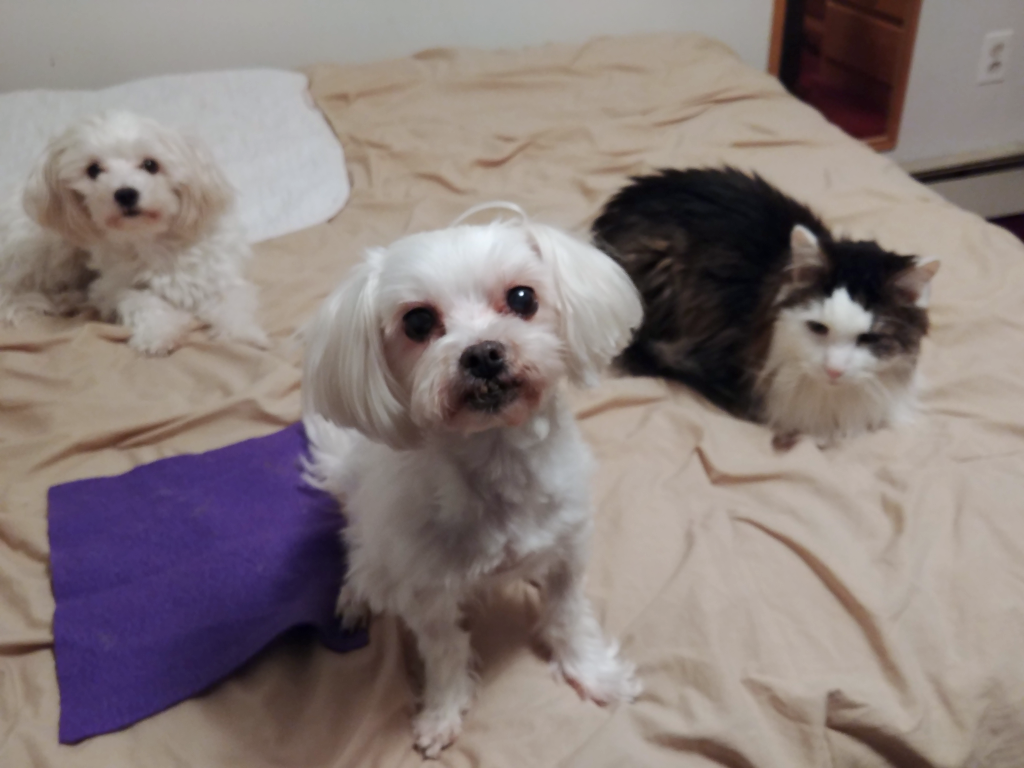 Mobility issues in senior pets are rarely just about joints. They are about a combination of aging systems. Muscles weaken, balance changes, vision may decline, and even confidence can take a hit. What looks like stiffness can also be hesitation. What seems like pain might be uncertainty.
I remember noticing this with Belle. She had multiple health challenges as she aged, and while she certainly had physical limitations, there were days when her hesitation seemed more emotional than physical. Once we adjusted her environment and gave her more predictable footing and easier access to her favorite spots, she moved more freely without any change in medication.
This is where many of us overlook a powerful truth. Mobility is not just about treating symptoms. It is about supporting the whole experience of moving through the world.
The Temptation of Overmedicating
Medication absolutely has its place. There is no question about that. Pain relief can be life changing, and in some cases, it is necessary for humane care. But there is a difference between thoughtful use and overreliance.
Overmedicating can come with tradeoffs. Some medications may cause drowsiness, reduced appetite, digestive upset, or even affect kidney and liver function over time. In diabetic pets, certain medications can also influence blood glucose levels, which adds another layer of complexity.
We have seen this firsthand while managing tight regulation with our diabetic cats. Even small changes in appetite or activity can ripple into glucose patterns. That is why we always approach any new medication with a sense of balance. Not fear, but awareness.
The goal is not to avoid medication entirely. The goal is to make sure it is not the only tool we are using.
Creating a Home That Supports Movement
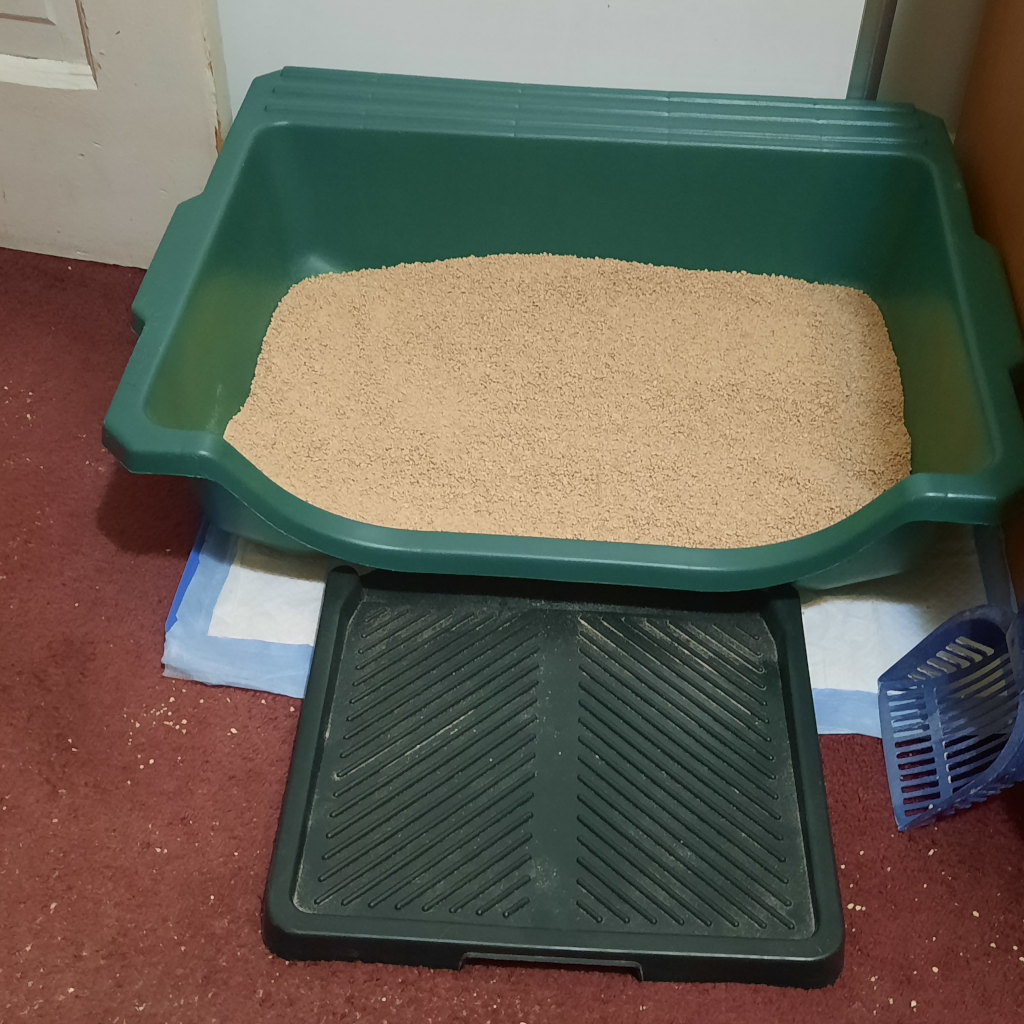 One of the most impactful changes you can make for a senior pet has nothing to do with medication. It has everything to do with their environment.
Think about how your home feels from their perspective. Floors that were once easy to navigate may now be slippery. Furniture that used to be accessible may now feel out of reach. Even something as simple as a litter box with high sides can become a barrier.
Small adjustments can make a huge difference. Adding rugs or runners to provide traction can restore confidence almost overnight. Pet ramps or low steps can replace risky jumps. Elevated food and water bowls can reduce strain on the neck and joints.
We learned this lesson clearly over the years. Sometimes what looks like a physical limitation is actually a problem of accessibility. Once you remove the obstacle, the pet does more on their own.
For those who enjoy DIY projects, even something like building a custom scratching post with the right height and grip can encourage movement and stretching in a safe way. That is part of why we created tools like the rope length calculator on our site. Small projects can have a big impact on daily activity.
Gentle Movement Is Medicine Too
It might sound counterintuitive, but one of the best ways to support mobility is to encourage safe, gentle movement. When pets stop moving, muscles weaken faster. Joints stiffen more quickly. Confidence drops.
The key is moderation. We are not talking about intense exercise or pushing them beyond their comfort. We are talking about maintaining a rhythm of natural movement.
For dogs, this might look like shorter, more frequent walks instead of one long outing. Let them set the pace. Give them time to sniff and explore. Movement should feel rewarding, not exhausting.
For cats, it can be as simple as engaging them with a toy for a few minutes at a time. Even slow, deliberate play helps keep joints flexible and muscles engaged.
With Bentley, who is currently on tight regulation for diabetes, we pay close attention to how activity affects his energy and glucose levels. What we have found is that consistent, gentle movement supports both his physical health and his overall mood. It keeps him engaged with his environment, which matters just as much as the physical benefits.
Nutrition and Weight Play a Bigger Role Than We Think
 Weight is one of the most overlooked factors in mobility. Even a small amount of extra weight puts additional strain on joints. For senior pets, that added pressure can be the difference between comfortable movement and noticeable discomfort.
Maintaining a healthy weight is not about restriction. It is about balance. High quality, appropriate portions, and consistency go a long way.
For diabetic pets, this becomes even more important. Stable nutrition supports stable glucose levels, and stable glucose levels support better overall energy and mobility. It is all connected.
Hydration also plays a role that is often underestimated. Proper hydration helps maintain joint health and supports overall bodily function. Encouraging water intake, whether through wet food or fresh water sources, can contribute to how your pet feels day to day.
Supportive Therapies That Make a Difference
There are many supportive options that fall between doing nothing and jumping straight to stronger medications. These can be incredibly helpful when used thoughtfully.
Joint supplements, for example, are commonly used and can support long term joint health. While they are not instant solutions, many pet owners notice gradual improvements in comfort and mobility.
Massage and gentle stretching can also be beneficial. Even a few minutes of light massage can improve circulation and help ease stiffness. The key is to be gentle and to pay attention to your pet’s response.
Some pet owners explore options like heated beds or warm resting areas. Warmth can help soothe stiff joints and make it easier for pets to get up and move after resting.
We have also seen how consistency matters more than intensity. Small, regular efforts often produce better results than occasional, more aggressive interventions.
Watching the Small Signals
 One of the most important skills you can develop as a pet owner is observation. Senior pets communicate in subtle ways. A change in posture, a hesitation before jumping, a slight shift in appetite or grooming habits. These are all signals.
The earlier you notice changes, the more options you have. You can adjust their environment, tweak routines, and explore supportive measures before discomfort becomes more significant.
This is especially true for pets with chronic conditions like diabetes. Tracking patterns becomes incredibly valuable. That is why we built tools like our online diabetes tracker and printable glucose charts. They help you see trends that might not be obvious day to day.
Mobility and overall health are closely connected. When you track one aspect of their well being, you often gain insight into others.
Finding the Balance With Medication
There may come a time when medication is needed. And when that time comes, it is not a failure. It is part of caring responsibly for your pet.
The difference is in how you approach it. Medication should be part of a broader strategy, not the entire strategy. When combined with environmental support, gentle movement, proper nutrition, and close observation, it can be more effective and often required at lower levels.
Working with your veterinarian, you can find a balance that prioritizes comfort without unnecessary side effects. And because you have already built a supportive foundation, you are not relying on medication to carry the entire weight of your pet’s care.
Holding On to What Matters Most
 One of the hardest parts of caring for a senior pet is accepting change. They may not move the way they used to. They may not jump, run, or play with the same intensity. But that does not mean they are no longer enjoying life.
In many ways, these years are about refinement. Slower mornings. Softer landings. More intentional moments.
I think back to Belle often. Even as her body changed, she still found joy in simple routines. A warm spot by the window. A gentle pet. A familiar place to rest. Mobility was not about how fast she moved. It was about how comfortably she could be herself.
That is what we are really supporting. Not just movement, but identity. Not just physical ability, but emotional well being.
When we take a thoughtful approach, when we look beyond quick fixes, we give our pets something incredibly valuable. We give them the chance to age with dignity, supported every step of the way.
And in doing so, we learn something too. That care is not always about doing more. Sometimes, it is about doing the right things, in the right way, at the right time.