



Watching a beloved pet grow older can be both comforting and unsettling. Comforting because the bond deepens with years of shared routines, quiet companionship, and familiar gestures. Unsettling because aging brings changes that are not always easy to interpret. One of the most common questions pet guardians ask is whether their senior pet is simply slowing down naturally or whether something deeper may be wrong.
Slowing down is a normal part of aging. But not all changes should be dismissed as “just old age.” Understanding the difference between healthy aging and signals of decline allows you to respond with compassion, confidence, and timely care. The goal is not to panic at every change, nor to ignore signs that deserve attention, but to learn how to read your pet’s body and behavior more clearly as they move through their senior years.
What “Normal” Slowing Down Really Looks Like
 Aging affects animals much like it affects humans. Muscles lose some strength, joints stiffen, reflexes soften, and energy levels become more variable. A senior pet may still enjoy life fully while moving through it at a gentler pace.
Normal slowing down often appears gradually. A dog may walk a little slower on long walks or choose shorter routes. A cat may jump less frequently or pause before climbing. Sleep may increase, especially during the day, and play sessions may become shorter but still enthusiastic.
These changes typically do not come with visible distress. Your pet still eats with interest, interacts with family members, responds to affection, and shows curiosity about their surroundings. They may rest more, but they wake comfortably. They may move slower, but they do not appear painful, confused, or withdrawn.
In healthy aging, adjustments feel proportional. Activity decreases, but personality remains intact. Joy is still present, even if it shows up in quieter ways.
Why Aging Is Not a Single Timeline
One reason slowing down is difficult to judge is that aging does not follow a universal schedule. Breed, size, genetics, medical history, nutrition, and lifestyle all influence how a pet ages. A large dog may show senior changes earlier than a small dog. A cat who lived outdoors may age differently than one who spent life indoors. Two pets of the same age can look dramatically different in vitality.
This variability means there is no single checklist that defines “normal” aging. Instead, the most important comparison point is your pet’s own baseline. Changes that unfold slowly and predictably are more likely to be age-related. Changes that appear suddenly, escalate quickly, or alter your pet’s personality deserve closer attention.
Subtle Signs That Are Often Overlooked
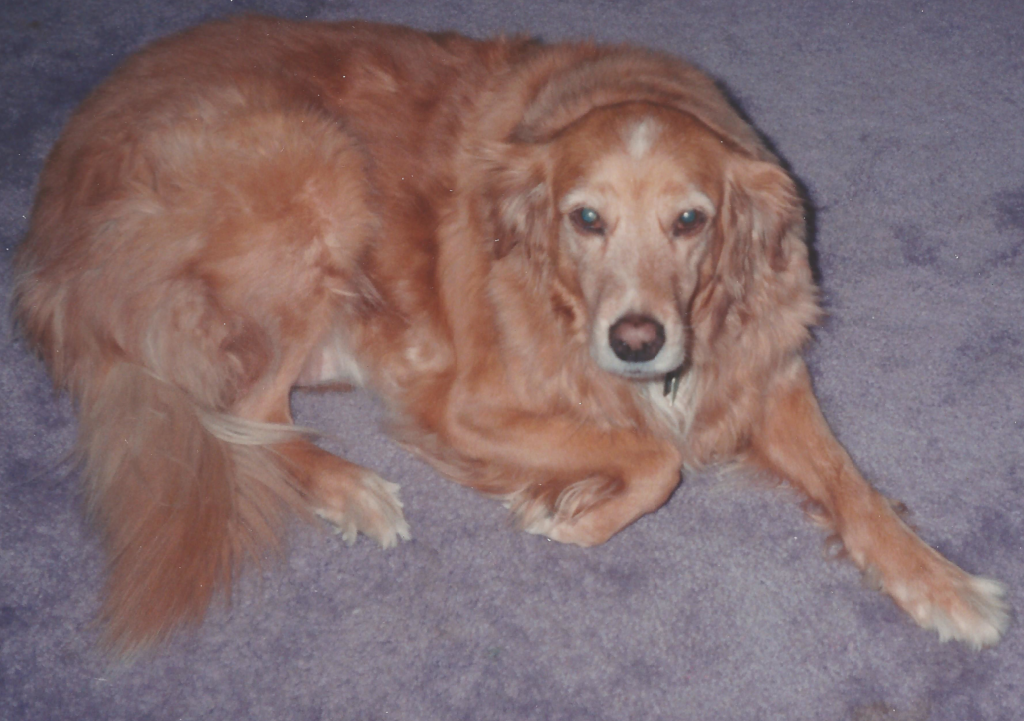 Many concerning changes begin quietly. Because they do not look dramatic, they are easy to miss or rationalize.
A senior pet may begin hesitating before jumping onto furniture. They may take longer to stand after lying down. You might notice stiffness after naps that eases with movement. These can be normal signs of joint aging, but they can also be early indicators of arthritis or discomfort.
Changes in grooming habits are another subtle clue. Cats may groom less thoroughly due to stiffness, leading to matted fur or dandruff. Dogs may avoid certain positions while scratching or cleaning themselves. These behaviors often precede obvious pain.
Behavioral shifts also matter. A pet who once followed you everywhere may choose more alone time. A normally social animal may seem quieter. While some independence can be normal, withdrawal paired with other changes should not be ignored.
When Slowing Down Crosses Into Concern
The line between normal aging and medical concern is crossed when changes interfere with comfort, function, or quality of life. Pain, illness, and cognitive changes often masquerade as “old age” until they become advanced.
One red flag is reluctance rather than limitation. A pet who cannot move as fast but still tries is different from a pet who avoids movement entirely. Avoidance often signals pain. Limping, stiffness that does not improve with light activity, trembling, or vocalizing during movement are not normal aging signs.
Appetite changes are another major indicator. A gradual reduction in appetite can occur with age, but consistent refusal to eat, sudden weight loss, or noticeable muscle wasting are not normal and should always be evaluated.
Changes in elimination habits also matter. Accidents in a previously house-trained pet, difficulty posturing, constipation, diarrhea, or changes in urine output can reflect pain, organ dysfunction, or cognitive decline rather than simple aging.
The Role of Pain in Senior Pets
One of the most misunderstood aspects of senior pet health is pain. Animals are remarkably good at hiding discomfort. Evolution favors survival, not expression of vulnerability. As a result, many pets live with significant pain long before it becomes obvious.
Pain may show up as irritability, restlessness, pacing, excessive sleeping, or changes in social behavior. Some pets become clingy, while others pull away. These shifts are often mistaken for mood changes related to age, but they frequently stem from untreated discomfort.
Arthritis is one of the most common sources of chronic pain in older pets. Dental disease, spinal changes, and internal conditions can also contribute. Because pain develops gradually, guardians often adapt alongside their pets, adjusting routines without realizing how much discomfort has crept in.
Cognitive Changes and Aging Brains
 Another area where slowing down can become concerning is cognitive health. Senior pets, especially dogs, can experience cognitive dysfunction similar to dementia in humans. This is not a normal part of aging, though mild changes in alertness are common.
Concerning cognitive signs include disorientation, pacing without purpose, getting stuck in corners, staring at walls, changes in sleep-wake cycles, and altered social recognition. A pet may seem confused in familiar environments or forget learned behaviors.
These changes are often mistaken for stubbornness or sensory loss alone. While hearing and vision do decline with age, confusion and altered awareness signal something more than simple slowing down.
Emotional Health in Senior Years
Emotional well-being matters just as much as physical health. Senior pets are sensitive to environmental changes, stress, and disruptions in routine. Moving furniture, adding new pets, or changes in household schedules can affect older animals more strongly than younger ones.
A senior pet who seems “less engaged” may actually be overwhelmed, anxious, or uncomfortable. Emotional withdrawal is not an inevitable part of aging. Many senior animals remain deeply connected to their people when their needs are met.
Providing predictability, gentle interaction, and reassurance helps distinguish between normal aging calmness and emotional distress. A pet who responds positively to comfort, routine, and enrichment is likely aging normally. A pet who remains disengaged despite support may need further evaluation.
Why Routine Veterinary Monitoring Matters More With Age
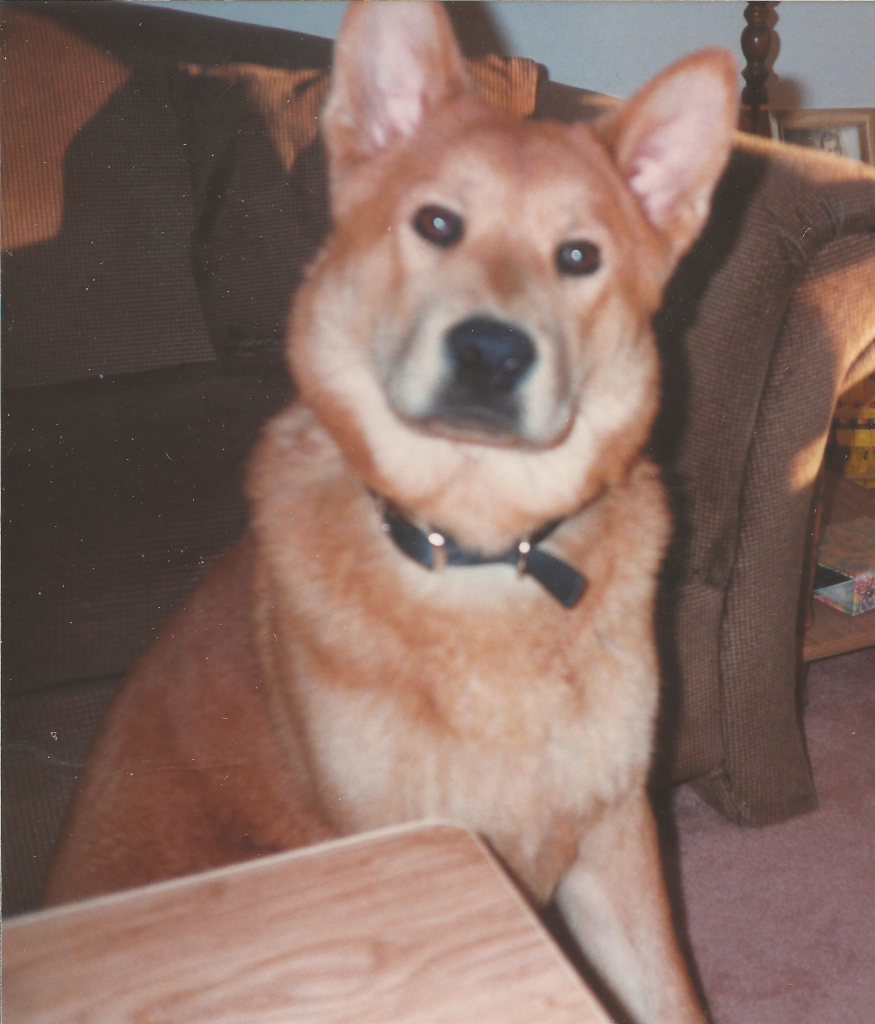 As pets age, subtle problems can progress more quickly. Regular veterinary checkups become more important, not less. Early detection allows for pain management, dietary adjustments, and treatment plans that preserve quality of life.
Senior wellness exams often include bloodwork, weight monitoring, mobility assessment, and dental evaluation. These tools help distinguish age-related changes from disease processes that benefit from intervention.
Many guardians hesitate to pursue testing out of fear of what might be found. But knowledge is empowering. Identifying issues early often means simpler treatments and better outcomes.
Supporting Healthy Slowing Down
Normal slowing down deserves support, not dismissal. Aging pets benefit from environmental adjustments that reduce strain and increase comfort.
Soft bedding, ramps or steps, non-slip flooring, accessible litter boxes, and modified exercise routines help senior pets stay active safely. Gentle movement maintains muscle tone and joint health. Mental enrichment, such as scent games or interactive feeding, keeps the mind engaged without physical stress.
Nutrition also plays a role. Senior pets often need diets that support joint health, digestion, and organ function. Maintaining a healthy weight reduces strain on aging joints and organs.
Trusting Your Instincts as a Caregiver
Perhaps the most important tool you have is familiarity. You know your pet’s normal behaviors, rhythms, and expressions. If something feels off, even if you cannot name it, that intuition matters.
Healthy aging feels like a soft dimming, not a sudden loss of light. When slowing down comes with discomfort, confusion, or loss of joy, it is not simply old age speaking. It is a request for help.
Aging With Dignity and Awareness
Senior years are not a decline to be feared. They are a chapter marked by quieter joys, deeper trust, and profound companionship. Slowing down can be a natural expression of wisdom earned through time.
But aging should never mean suffering in silence. By learning to recognize the difference between normal change and concerning signs, you give your pet the greatest gift possible: comfort, dignity, and understanding through every stage of life.
Slowing down is not the end of vitality. It is simply a change in rhythm. And with attentive care, that rhythm can remain gentle, meaningful, and full of life.