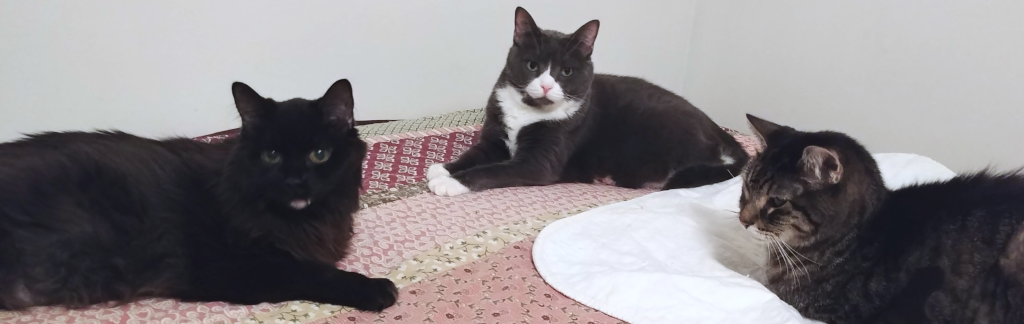
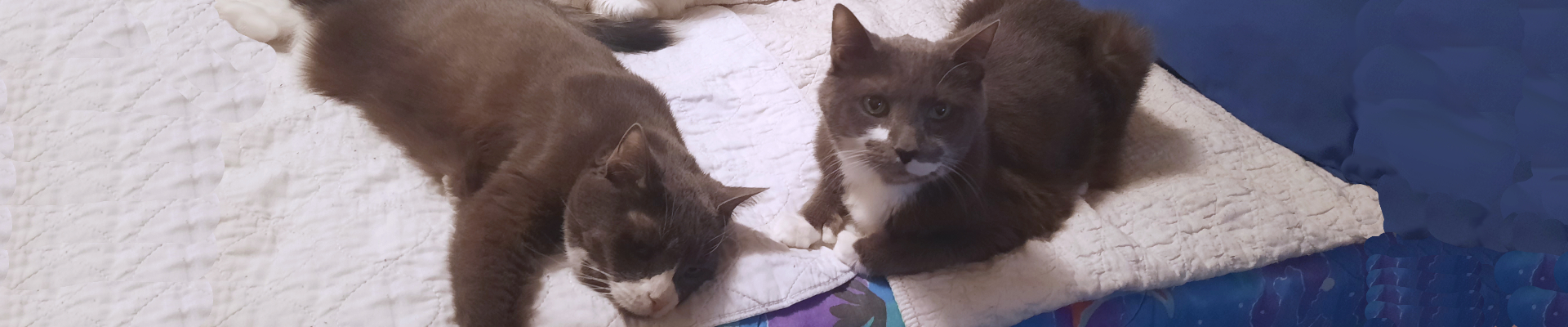
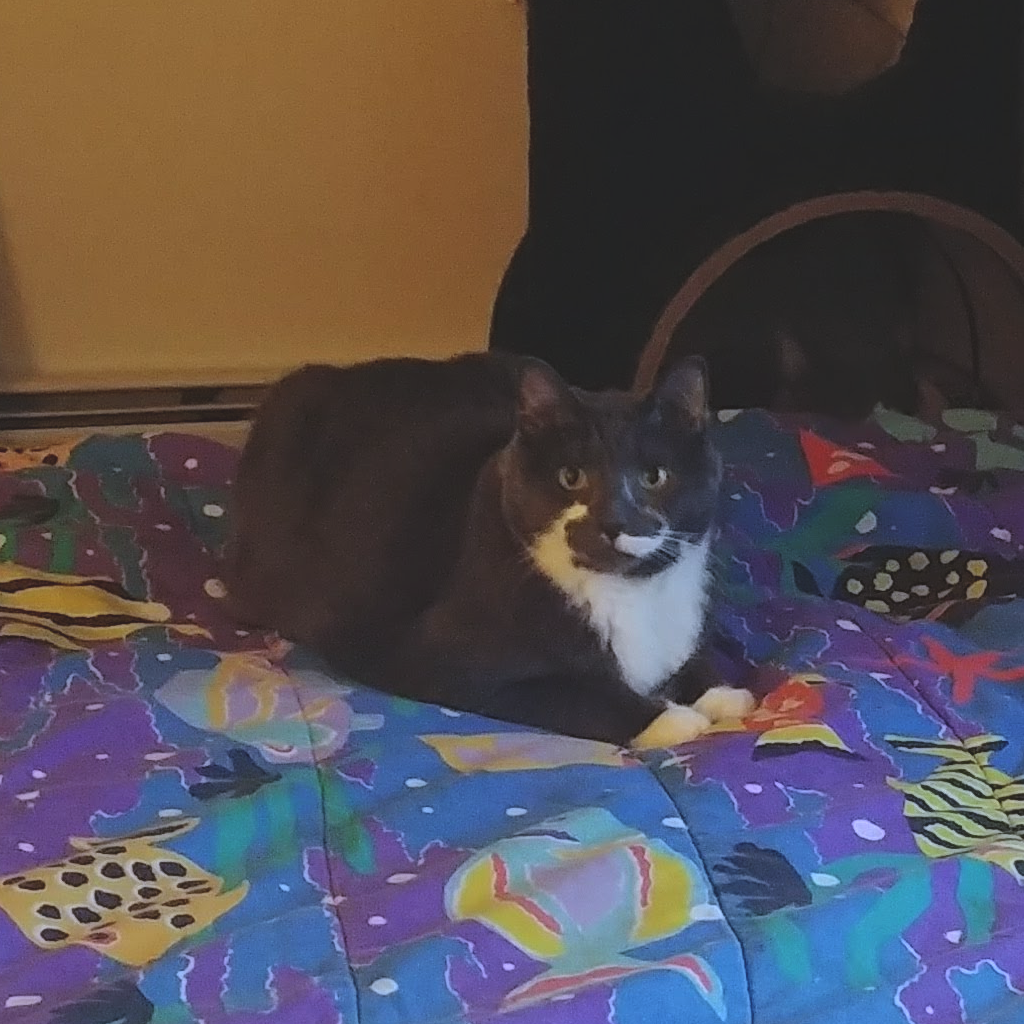
Walk through almost any animal shelter and you will notice a familiar pattern. Puppies and kittens draw immediate attention. Young adult animals are often adopted quickly. Meanwhile, older dogs and cats wait quietly, sometimes for months or even years. Despite being calmer, more predictable, and often deeply affectionate, senior pets are routinely passed over. Understanding why this happens is essential if we want to improve adoption outcomes and give aging animals the dignified, loving homes they deserve.
The Power of First Impressions
Human decision making is heavily influenced by first impressions, and adoption environments are no exception. Younger animals naturally project energy, curiosity, and visual cues associated with youth and health. Bright eyes, playful movement, and small size trigger nurturing instincts in many people.
Senior pets, on the other hand, may move more slowly or sleep more. Gray fur, cloudy eyes, or stiff joints can unintentionally signal decline to potential adopters, even when the animal is still emotionally vibrant and medically stable. These visual cues often overshadow deeper qualities like temperament, loyalty, and adaptability.
Shelter environments can further exaggerate this effect. Stress, unfamiliar noises, and disrupted routines can make older animals appear withdrawn or anxious, masking their true personalities.
Misconceptions About Health and Cost
 One of the most common reasons people hesitate to adopt senior pets is fear of medical expenses. There is a widespread assumption that older animals are guaranteed to be sick, fragile, or financially burdensome.
While it is true that aging pets may require more veterinary monitoring, this does not mean they are constantly ill or incapable of enjoying life. Many senior dogs and cats remain healthy for years with basic preventive care. Conditions like arthritis, dental disease, or mild vision loss are often manageable and do not prevent an animal from being a loving companion.
Ironically, younger pets can also incur significant costs due to accidents, behavioral training, or congenital issues that may not appear until adulthood. The idea that youth automatically equals lower expense is not always accurate, but it persists strongly in public perception.
Short-Term Thinking in a Long-Term Decision
Adoption is ideally a long-term commitment, yet many people unconsciously focus on longevity rather than quality of time. Potential adopters may calculate how many years they expect to have with a pet, viewing senior animals as a less worthwhile investment because of a shorter remaining lifespan.
This way of thinking overlooks the depth of connection that can form in a relatively short period. Senior pets often bond quickly, showing gratitude and affection that reflect their life experience. Many adopters of older animals report intensely meaningful relationships, even when the time together is limited.
By focusing only on years rather than experiences, adopters may miss opportunities for profound companionship.
Marketing and Shelter Bias
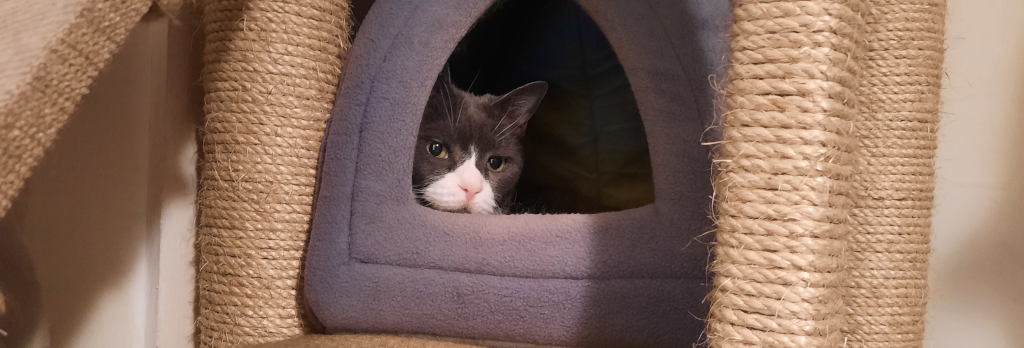 Shelters and rescue organizations work under immense pressure, often with limited resources. As a result, they may unintentionally reinforce age bias in how animals are presented.
Photos and descriptions frequently emphasize puppies and kittens, while senior pets receive shorter bios or less prominent placement on websites and social media. Language such as low energy or special needs can deter potential adopters, even when those traits simply reflect normal aging.
Some shelters attempt to be honest about medical or behavioral considerations, but without context, this transparency can make older animals seem more difficult than they truly are. When combined with fewer promotional efforts, senior pets become less visible and less appealing to the average adopter.
Cultural Attitudes Toward Aging
The way society views aging in humans also influences how we view aging in animals. In cultures that prize youth, productivity, and physical perfection, aging is often associated with loss rather than wisdom or stability.
These values carry over into pet adoption. Senior animals may be seen as past their prime, less fun, or emotionally heavy. This perspective ignores the fact that older pets often come with emotional maturity, patience, and a deep capacity for calm companionship.
When aging is framed as something to avoid rather than respect, senior pets suffer the consequences.
Lifestyle Mismatch Fears
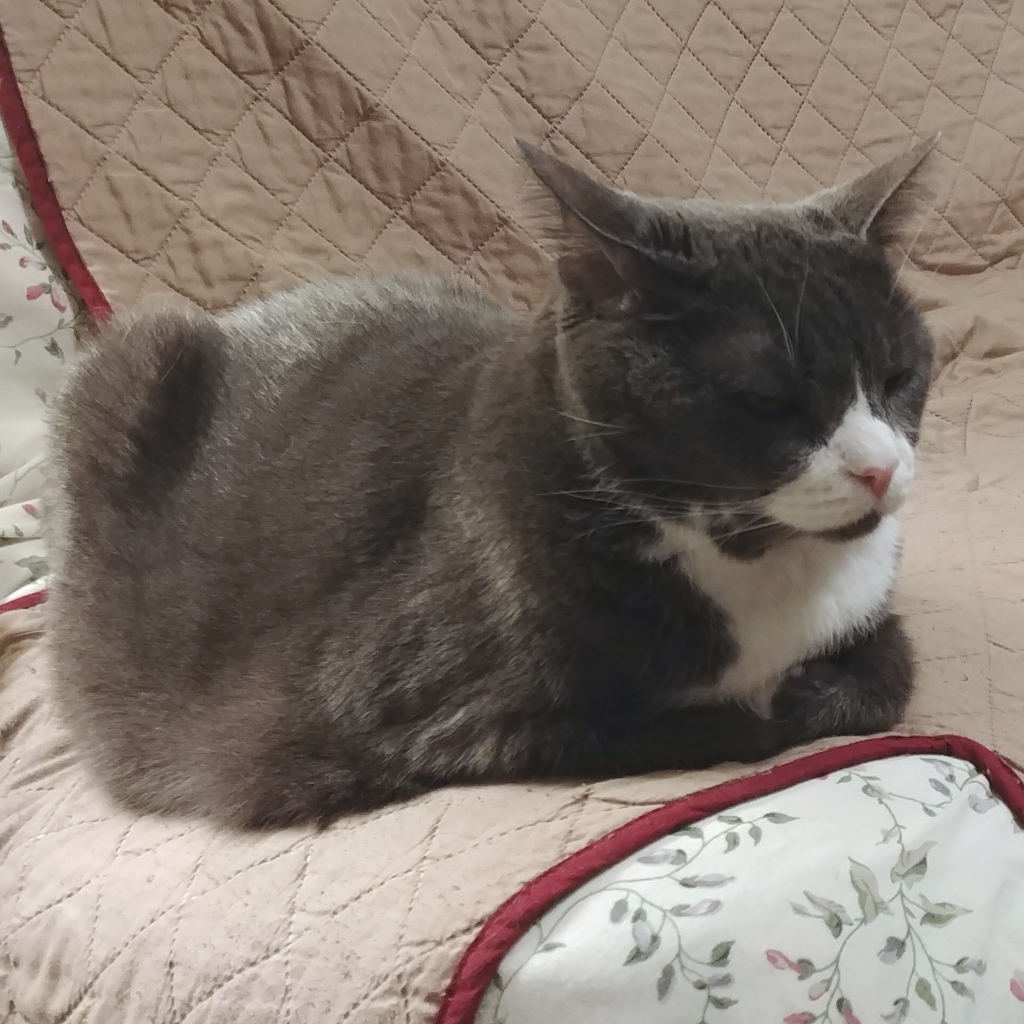 Many people worry that a senior pet will not fit their lifestyle. Active individuals may assume an older dog cannot enjoy walks or light play. Families may worry that a senior cat will not adapt to children or new routines.
In reality, many senior pets are highly adaptable. While they may not need hours of intense activity, they often enjoy moderate exercise, interactive play, and mental stimulation. Their calmer nature can actually make them ideal companions for households seeking balance rather than chaos.
Shelters sometimes struggle to communicate this nuance, leading adopters to underestimate how well a senior pet could integrate into their lives.
Emotional Hesitation and Anticipatory Grief
Another overlooked factor is emotional fear. Some people hesitate to adopt senior pets because they want to avoid the pain of loss. Knowing that an animal may have fewer years left can create anticipatory grief, discouraging adoption before the relationship even begins.
This reaction is deeply human, but it also places the emotional comfort of the adopter above the immediate needs of the animal. Senior pets are already facing transitions, uncertainty, and often loss of previous homes or owners. Denying them companionship because of future sadness compounds their isolation.
Interestingly, many adopters who overcome this fear report that the joy and love they receive far outweigh the eventual grief.
Behavioral Myths About Older Pets
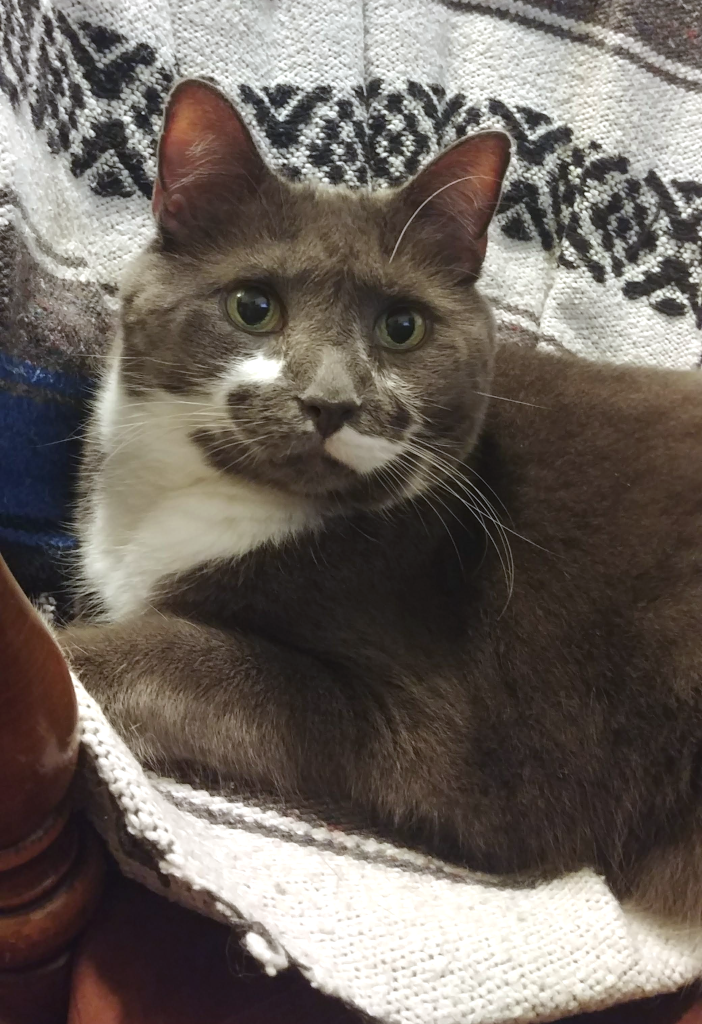 There is a persistent belief that older animals are set in their ways and difficult to train. While it is true that habits form over time, senior pets are often highly receptive to learning, especially in stable, loving environments.
Older dogs may already be house-trained and familiar with basic commands. Senior cats often understand household routines and litter box use. Their life experience can make them easier to integrate than younger animals still learning boundaries.
Behavioral challenges in senior pets are frequently the result of stress, neglect, or medical discomfort rather than stubbornness. With patience and proper care, many of these issues improve significantly after adoption.
The Reality of Shelter Stays for Senior Pets
Extended shelter stays are particularly hard on older animals. Long-term stress can weaken immune systems, worsen existing conditions, and accelerate physical decline. The longer a senior pet remains in a shelter, the harder it becomes for them to show their true personality.
This creates a heartbreaking cycle. Older pets appear less adoptable because they are stressed, and they remain stressed because they are not adopted. Breaking this cycle requires awareness and intentional effort from both shelters and adopters.
The Unique Gifts of Senior Companions
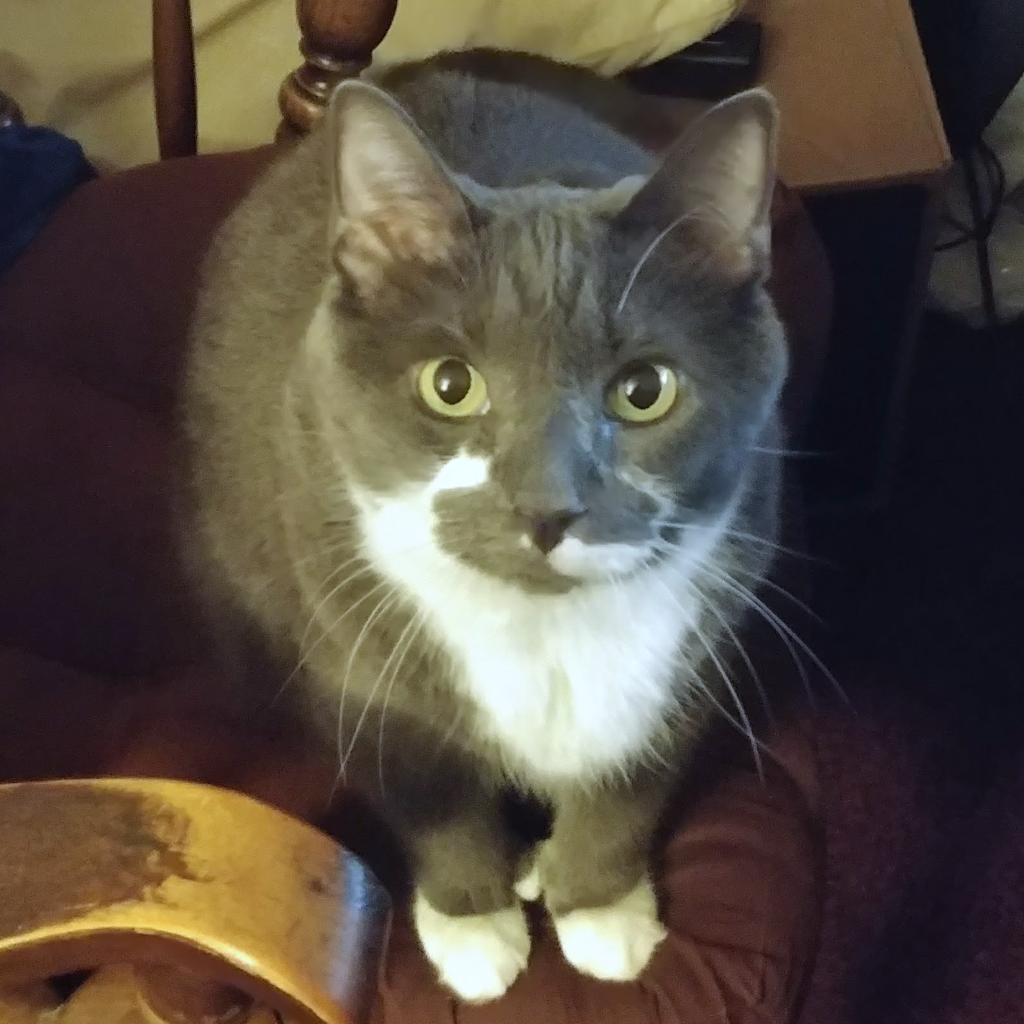 Senior pets offer qualities that are difficult to find elsewhere. They often seek closeness without constant attention, companionship without chaos. Their presence can be grounding, especially for people navigating their own life changes.
Many older animals are deeply empathetic, attuned to human emotions in ways that only time can teach. They often prefer being near their people, sharing quiet moments that feel profoundly comforting.
These traits are not flaws. They are gifts shaped by experience.
What Can Be Done to Change the Narrative
Addressing the overlooked status of senior pets requires action on multiple levels. Shelters can invest in better storytelling, highlighting personality, adaptability, and daily life rather than focusing solely on age or limitations. Reduced adoption fees, senior-to-senior programs, and medical support initiatives can also lower barriers.
Potential adopters can challenge their assumptions by spending time with older animals, asking detailed questions, and imagining companionship beyond stereotypes. Education plays a critical role in reshaping expectations.
Communities and advocates can amplify senior pet success stories, reminding others that love does not diminish with age.
Redefining What Adoption Means
At its core, adoption is not about maximizing years. It is about meeting needs, offering stability, and sharing life, however long that life may be. Senior pets are not lesser options. They are individuals with histories, resilience, and an extraordinary capacity for connection.
When we begin to see senior pets not as endings, but as meaningful chapters, the narrative shifts. Shelters become places of possibility rather than waiting rooms. Older animals gain visibility, dignity, and the chance to spend their remaining years surrounded by care.
Choosing a senior pet is not a compromise. It is an intentional act of compassion that recognizes the value of life at every stage.