

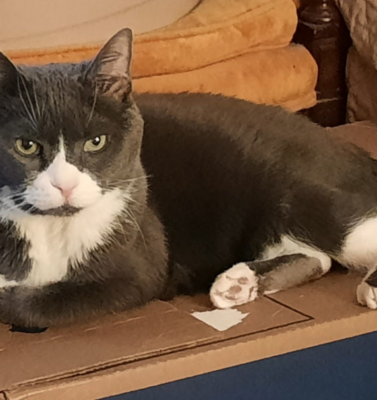
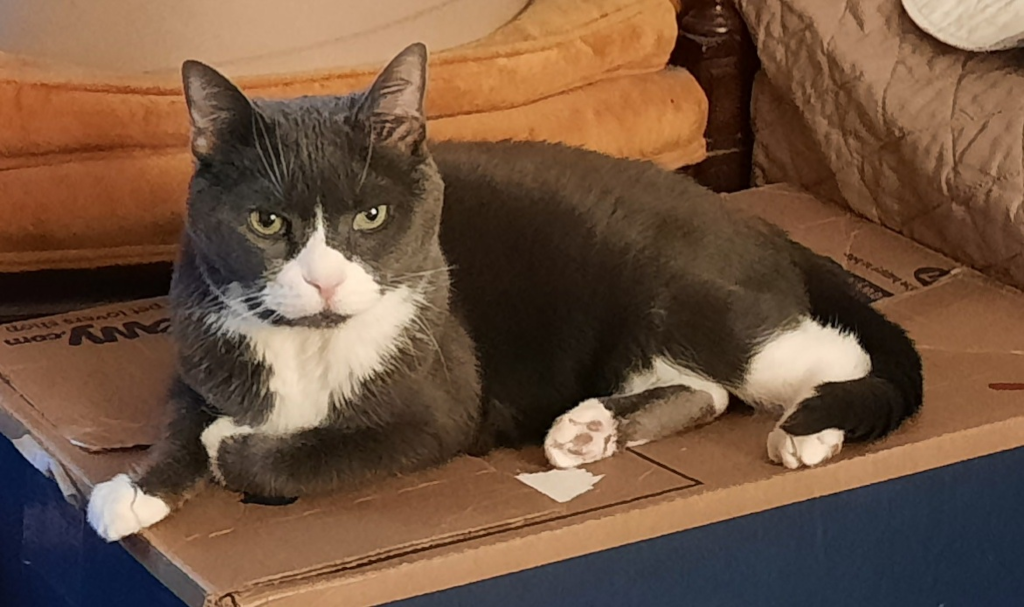
If you have shared your life with both young pets and seniors, you have probably noticed something that is hard to put into words. The way an older pet connects to you feels different. Not better. Not worse. Just different in a quieter, deeper way.
Puppies and kittens tend to bond with excitement. Their affection is fast, expressive, and often playful. Senior pets, on the other hand, bond with intention. Their connection is shaped by time, memory, routine, and trust built through years of shared experiences.
For many people, this difference can be surprising. Some even worry that their aging pet is becoming distant, less loving, or less interested in them. In reality, senior pets often love just as deeply as they did when they were younger. They simply express that bond in a new way.
Understanding how and why this shift happens can help owners feel more confident, more connected, and more emotionally prepared to support their pets through the later stages of life.
Time Changes How Bonds Are Formed
Young animals bond quickly because their world is still being built. Every experience is new. Every interaction helps define what is safe, fun, or frightening. During this stage, pets rely heavily on their humans for guidance, reassurance, and stimulation.
Senior pets have already built their understanding of the world. They know what to expect from people, routines, and environments. Their bond is no longer about learning who you are. It is about trusting who you have consistently been.
That history matters.
A senior pet does not need constant reassurance that you are safe or kind. They already know. Instead, their bond becomes quieter and more rooted in presence rather than interaction. Sitting near you, following you from room to room, or choosing to sleep where they can hear you breathe are all expressions of this deeper connection. This kind of bond is not fueled by novelty. It is fueled by familiarity.
Senior Pets Seek Security Over Stimulation
 Younger animals often bond through play, training, and activity. These interactions are exciting and energizing for both pet and owner. As pets age, physical limitations, joint discomfort, vision changes, or chronic illness can make that kind of engagement harder or less appealing. What replaces it is something more subtle.
Senior pets bond through predictability. Knowing when meals happen. Recognizing familiar sounds. Understanding that their person will show up at the same times every day. These routines become emotional anchors.
This is especially true for pets dealing with medical conditions like diabetes, kidney disease, or thyroid disorders. Their days may include medications, blood glucose checks, special feeding schedules, or vet visits. Over time, your presence during these moments becomes deeply meaningful. You are no longer just the source of food or play. You are the constant in a body that no longer feels predictable.
Aging Changes How Affection Is Expressed
Many owners worry when an older pet becomes less physically affectionate. A dog who once jumped into laps may now prefer to lie nearby. A cat who once kneaded endlessly may settle beside you instead. This change is often physical, not emotional.
Joint stiffness, arthritis, muscle loss, or sensitivity can make certain positions uncomfortable. Even something as simple as being picked up can feel different to an aging body. Senior pets may avoid activities they associate with discomfort, even if they still crave closeness. What often replaces overt affection is proximity.
Senior pets tend to bond by choosing to be near you rather than on you. They may watch you more closely. They may respond more strongly to your voice than to physical touch. These are not signs of withdrawal. They are signs of adaptation. Learning to recognize these quieter signals helps owners respond with empathy rather than concern.
Trust Deepens With Experience
Senior pets have lived through change. Moves. Losses. New pets entering the home. Medical procedures. Aging companions. Each experience leaves an imprint. When a pet has faced challenges and consistently found safety with you on the other side, that trust becomes profound.
This is why many senior pets form especially strong bonds later in life, even if they were once more independent. They have learned, through experience, that you are the one who helps them feel better, stay comfortable, and navigate uncertainty. For pets who have required long-term care, such as insulin injections or frequent monitoring, this bond can feel almost unspoken. There is an understanding that goes beyond commands or cues.
You know their rhythms. They know your intentions.
Illness Can Intensify Emotional Connection
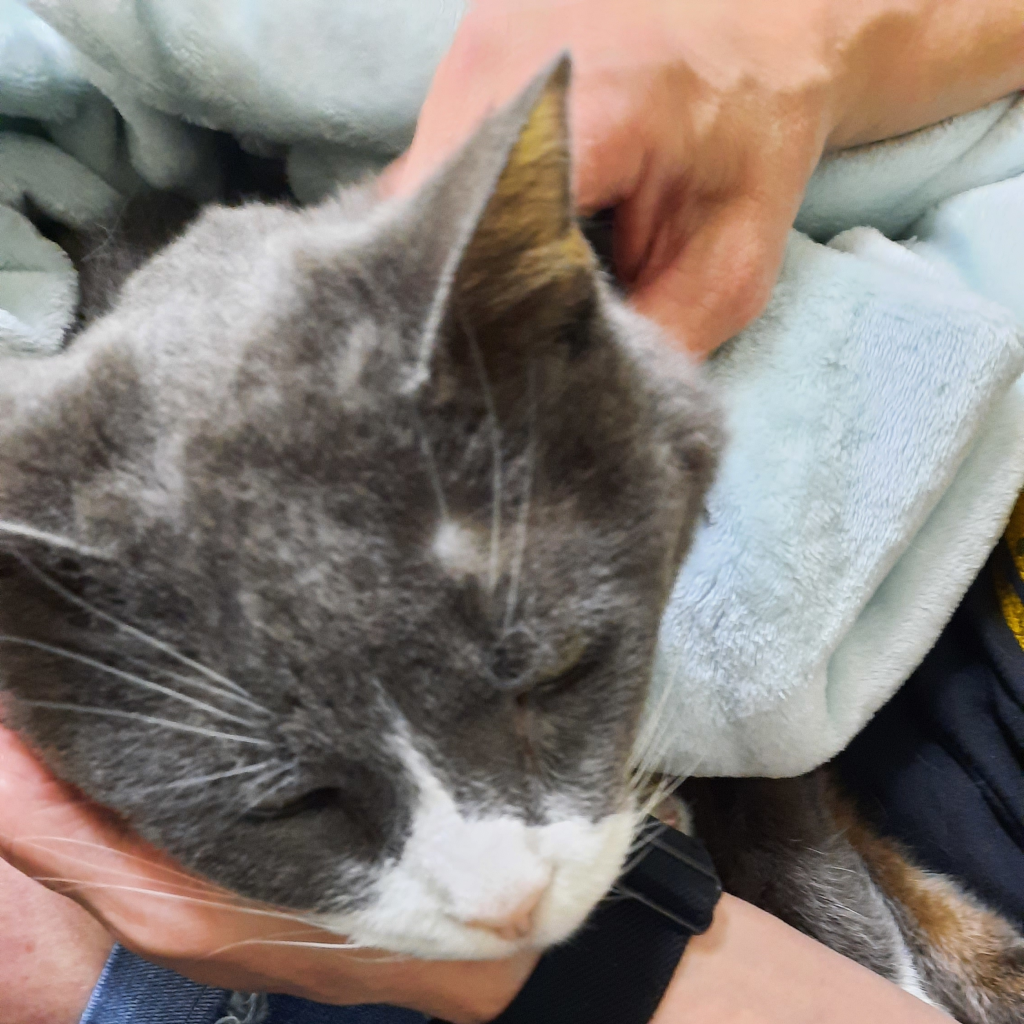 Chronic illness changes relationships, including those between pets and people. Caring for a diabetic pet, for example, involves close observation, routine, and trust. Pets quickly learn that these moments, even if uncomfortable, are followed by relief, stability, and care. Over time, this creates a bond rooted in cooperation rather than excitement.
Senior pets often become more emotionally aware of their owners as well. They may respond to stress, sadness, or fatigue more readily than they did when younger. This is not because they suddenly developed empathy, but because years of observation have taught them how your emotions feel. This mutual awareness deepens connection in a way that is hard to replicate earlier in life.
Senior Pets Live More in the Present
Young animals are driven by curiosity and anticipation. They look forward to what comes next. Senior pets tend to live more fully in the moment. This shift changes how bonding occurs. Rather than seeking constant engagement, older pets value shared stillness. Sitting together. Resting near each other. Existing in the same space without expectation.
For many owners, this can feel unexpectedly grounding. The bond becomes less about doing and more about being. In a busy world, this quiet companionship often becomes one of the most cherished aspects of life with a senior pet.
Why Some Seniors Seem More Attached Than Ever
It is common for older pets to become more attached to their primary caregiver as they age. This does not mean they are becoming needy or anxious by default. Often, it means they have learned where safety and consistency live.
As physical senses decline, familiar voices, scents, and routines become even more important. A senior pet may follow you more closely, check in more often, or show distress when separated for long periods. Understanding this behavior as a natural response to aging helps owners meet it with patience rather than worry.
Bonding Is Still Happening, Just Differently
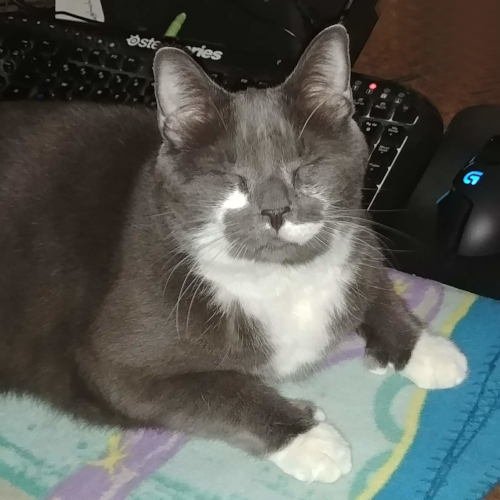 One of the most important things to remember is that bonding does not stop when pets get older. It evolves. Senior pets are still forming connections. They are still learning. They are still responding to care, kindness, and attention. The difference is that their bond is no longer shaped by growth, but by reflection.
They bond through shared history rather than shared milestones. For owners who have walked with a pet from youth into old age, this bond often feels deeply meaningful.
For those who adopt seniors later in life, the bond can still form quickly and powerfully, precisely because older pets know what they need and recognize it when they see it.
Honoring the Bond You Have Now
Loving a senior pet requires letting go of expectations shaped by youth. It means recognizing that affection may look quieter, slower, or less obvious, but no less real. Meeting your pet where they are now, rather than where they once were, allows the bond to remain strong and supportive for both of you.
At BellenPaws, this understanding is at the heart of everything we share. Senior pets still have love to give, and the way they give it is often one of the most meaningful connections an animal can offer. Their bond is not fading. It is settling into something deeper.
And if you are paying attention, you may find that it is changing you too.