

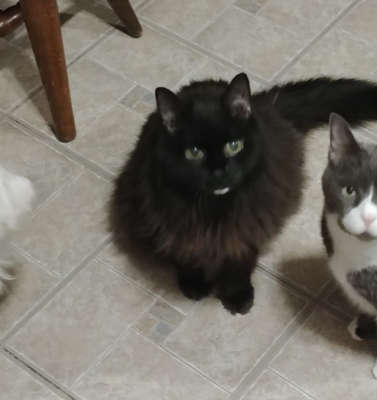

If you have lived with a pet long enough, you may have noticed something quietly beautiful happen as the years pass. The pet who once bounced off the walls, ignored cuddles, or treated affection like a brief pit stop slowly transforms into a softer, more present companion. Senior pets often seek closeness in ways they never did before. They follow you from room to room, curl up beside you more often, and seem deeply content just being near their people.
At BellenPaws, we have seen this change again and again. It is one of the most tender and misunderstood parts of sharing life with aging animals. Senior pets are sometimes viewed only through the lens of declining health, slowing bodies, or increased care needs. What gets overlooked is the emotional depth that often emerges in these later years. Senior pets still have love to give, and in many cases, they give it more freely than ever.
This article explores why senior pets often become more affectionate, what that affection really means, and how you can honor it without mistaking it for distress or dependence.
Affection Changes as Needs Change
Young animals experience the world through motion. Their brains and bodies are wired for exploration, play, and testing boundaries. Affection exists, but it often competes with curiosity and energy. A kitten might curl up for a few minutes, then suddenly dart away after a sound you never even noticed. A young dog may love you deeply, but love shows up as jumping, running, and demanding interaction.
As pets age, priorities shift. Energy becomes a resource rather than a constant. Rest becomes valuable. Comfort matters more than novelty. With fewer physical distractions pulling their attention outward, senior pets often turn inward and toward their trusted humans.
We saw this clearly with cats like Bubbles and Pebbles. In their younger years, affection was brief and on their terms. As seniors, they became steady companions, choosing proximity over independence. Nothing dramatic changed in their personalities. Their focus simply narrowed to what felt safe, familiar, and meaningful.
Trust Deepens Over Time
Affection in senior pets is often rooted in trust built over years. By the time a pet reaches old age, they have learned who shows up consistently. They know who feeds them, comforts them, medicates them, and respects their boundaries.
Trust is not just emotional. It is physical memory. Senior pets remember being carried gently when they were sick. They remember hands that cleaned ears, trimmed nails, or checked blood glucose. They remember routines that stayed steady even when their bodies changed.
Cats like Zippy and Bentley, who lived with diabetes, taught us this firsthand. Daily testing, insulin routines, and monitoring could have created fear or resistance. Instead, those routines became moments of closeness. Over time, what could have been stressful turned into reassurance. Affection grew because trust deepened.
Slowing Down Creates Space for Connection
Aging brings physical changes that naturally reduce activity. Joints stiffen. Vision may fade. Hearing becomes less sharp. Energy levels drop. While these changes can be challenging, they also create space for something quieter and more relational.
When a pet can no longer chase toys for long periods or patrol the house with the same confidence, they often choose companionship instead. Lying beside you becomes easier than navigating obstacles. Staying close feels safer than wandering.
Dogs like Goldie and Buddy demonstrated this beautifully. As their mobility decreased, their desire for closeness increased. They leaned into physical contact, resting a head on a knee or pressing against a leg. These were not signs of weakness. They were signs of connection.
Affection as Communication
Senior pets may use affection as a form of communication more than younger animals do. When bodies change, pets find new ways to express needs and feelings.
Affection can say many things:
- “I feel safe with you.”
- “I am uncomfortable and need reassurance.”
- “I am content.”
- “I trust you to notice me.”
For pets managing chronic conditions like kidney disease, thyroid disorders, or diabetes, affection can increase during times of fluctuation. This does not always mean something is wrong, but it does mean they are checking in.
Bentley, during periods of blood sugar instability, became especially attentive and affectionate. He sought contact not because he was in pain, but because closeness grounded him. Being near his people was regulating.
Emotional Awareness Grows With Age
There is growing recognition among pet owners that animals are emotionally perceptive. Senior pets, in particular, seem to read human moods with remarkable accuracy.
Over years of shared life, pets learn patterns. They recognize stress, sadness, illness, and exhaustion. When their own pace slows, they often become more attuned observers.
Cats like Clyde and Bonnie seemed to appear exactly when comfort was needed most. Dogs like Sophie and Jack had an uncanny ability to settle quietly nearby during difficult moments. Their affection was calm, steady, and intentional.
This is not because senior pets suddenly develop new emotions. It is because they have had years to practice understanding the humans they love.
Physical Comfort Becomes More Important
As pets age, their bodies often crave warmth, softness, and stability. Affection frequently overlaps with physical comfort. Curling up next to you provides heat, cushioning, and a sense of security.
Older cats may seek laps not just for attention, but because body warmth eases stiff joints. Senior dogs may press against their humans because it helps them feel balanced and supported.
This kind of affection is practical and emotional at the same time. It reflects a desire for comfort without fear. When a pet chooses to rest against you, they are choosing both physical relief and emotional closeness.
Less Distraction, More Presence
Young pets are often overstimulated by the world. Everything is interesting. Everything demands attention. As pets age, sensory input may soften. Vision and hearing changes reduce background noise. What remains is presence.
Senior pets tend to live more in the moment. They are less reactive and more observant. Affection becomes a way to engage without overstimulation.
We saw this in cats like Seamus and Tabitha. As seniors, they became deeply present companions. They no longer demanded constant interaction, but their affection carried more weight. A gentle head bump or quiet purr said more than a dozen playful antics ever could.
Affection Is Not Always a Sign of Decline
One of the most important things to understand is that increased affection does not automatically mean something is wrong. While sudden behavioral changes should always be observed carefully, many senior pets simply become more loving because they are comfortable enough to do so.
It is easy to misinterpret affection as clinginess or anxiety. In reality, it is often confidence. Senior pets know who they are. They know who you are. They are no longer distracted by proving anything. Affection in senior pets is often grounded, calm, and sincere.
How Owners Can Respond
When a senior pet becomes more affectionate, the best response is presence without panic. Enjoy the closeness. Acknowledge the connection. Continue observing health and behavior, but do not assume the worst.
Simple ways to support affectionate senior pets include:
- Maintaining consistent routines
- Offering comfortable resting spaces near you
- Responding gently to bids for attention
- Monitoring health changes without overreacting
Tools like cat and dog age calculators, diabetes trackers, and printable forms can help you stay organized and confident in care, which in turn allows you to relax into the relationship rather than worry constantly.
Love Does Not Fade With Age
If anything, love becomes clearer. Senior pets have nothing left to prove. They are not distracted by growth or discovery. What remains is attachment, trust, and quiet companionship.
Every pet we have loved, from Belle and Paws to Everly, from Zippy and Bentley to Goldie and Jack, taught us the same lesson in different ways. Aging does not diminish affection. It refines it.
Senior pets still have love to give. Often, they give it more openly than ever before.