
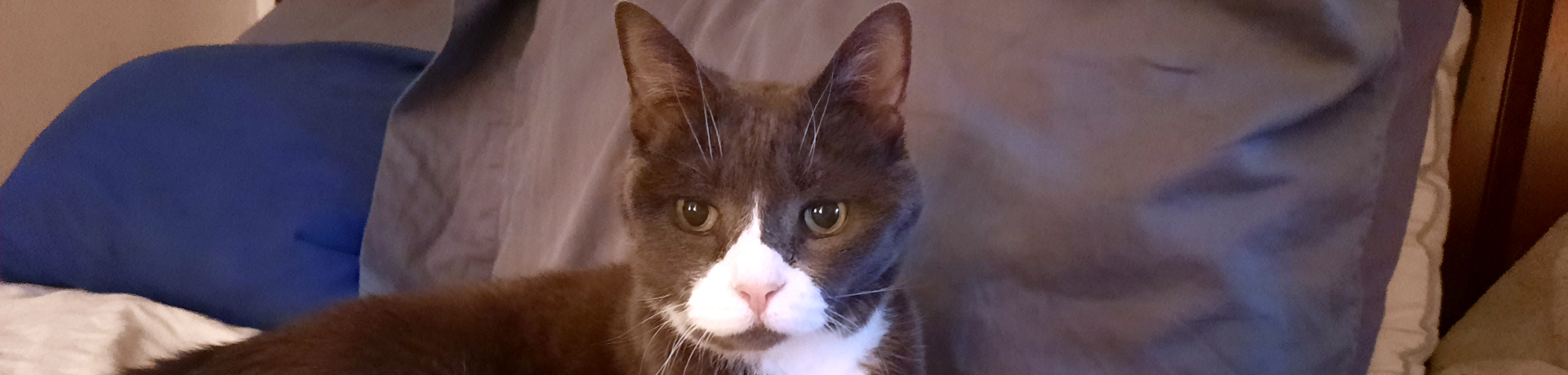
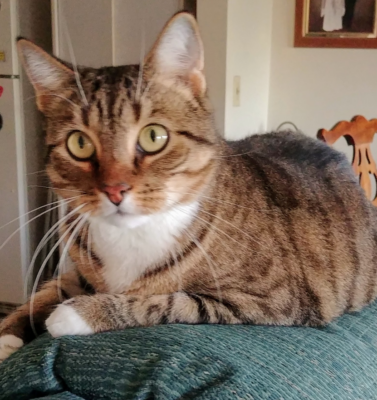
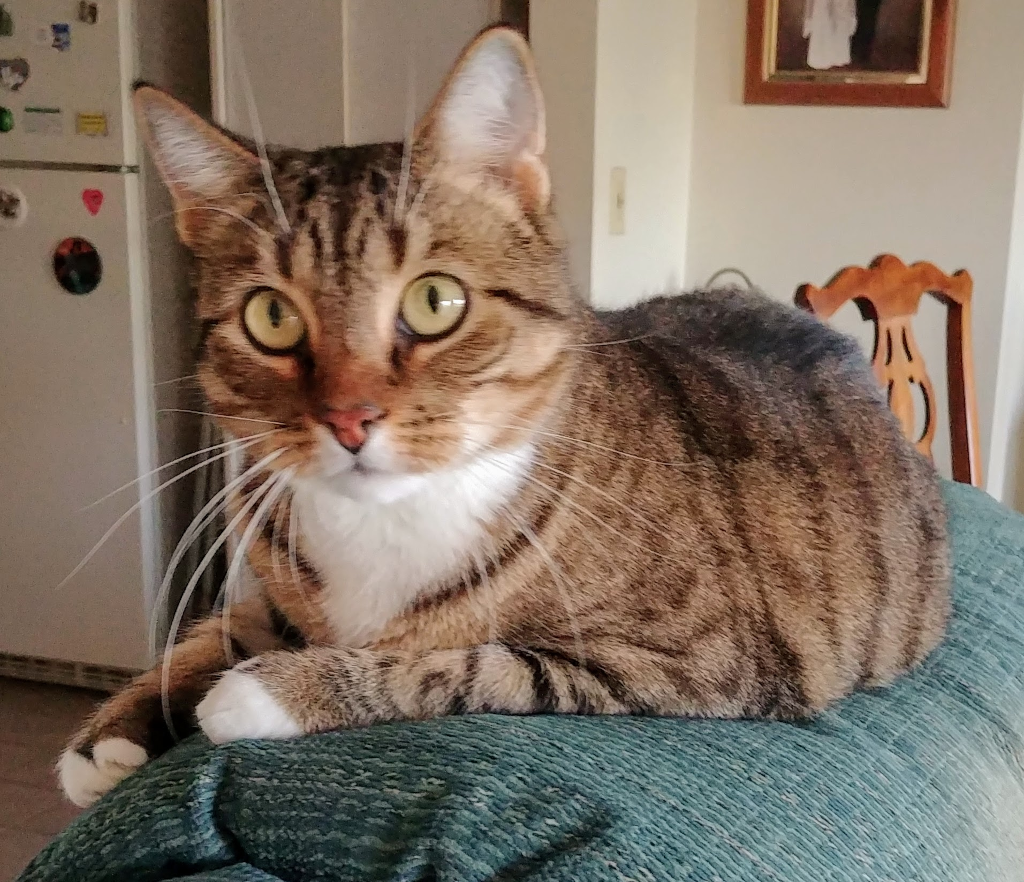
If you have ever shared your home with a cat, you have probably noticed how quickly expectations form. Friends joke about cats curling up in laps. Social media is full of photos of purring bundles draped across knees and chests. Somewhere along the way, the idea settles in that a “good” or “happy” cat is one that wants to be held, cuddled, and planted firmly in your lap.
Then reality arrives.
Your cat chooses the arm of the couch instead. Or the foot of the bed. Or a sunny patch on the floor three feet away from you. They follow you from room to room, sleep nearby, and watch you intently, yet never climb into your lap. You may find yourself wondering if something is wrong, if your cat doesn’t feel bonded, or if you somehow failed to earn their affection.
For many cats, especially senior cats, this simply isn’t how love looks. And that is not only normal, it is perfectly okay.
Affection Does Not Have a Single Shape
Cats are individuals in the truest sense. Just as people differ in how they show affection, cats do too. Some cats are physically demonstrative. Others are quiet observers. Some prefer touch. Others prefer presence.
A cat who never becomes a lap cat may still be deeply attached to you. They may show it by waiting near the door when you come home, by sleeping in the same room, by slow blinking when you meet their gaze, or by choosing a spot close enough to feel secure without feeling confined.
These behaviors are not signs of emotional distance. They are signs of trust expressed in a different language.
For senior cats in particular, affection often becomes less about physical closeness and more about comfort, predictability, and safety. A warm bed, a familiar routine, and a calm environment can matter far more than being held.
Early Life Experiences Matter
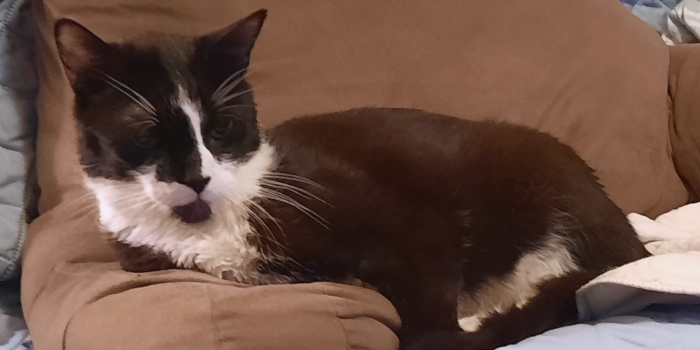 One of the biggest influences on whether a cat becomes a lap cat happens long before you meet them.
Kittens who are gently handled and positively exposed to humans during early development are often more comfortable with being held later in life. Cats who missed that window, experienced rough handling, or grew up with limited human interaction may never fully enjoy being restrained or confined, even if they feel safe with you.
This is not a failure on your part or theirs. It is simply how their nervous system learned to interpret touch.
Some cats associate being picked up or sitting on a lap with a loss of control. They may prefer to initiate contact themselves, rubbing against your legs or settling nearby where they can leave easily if they choose. That autonomy is important to them.
Personality Plays a Bigger Role Than People Realize
Just as some people crave hugs and others prefer personal space, cats have distinct personality traits.
Some cats are bold and social. Others are cautious and reserved. A cat who enjoys observation more than participation may still be perfectly content. They may enjoy being part of your world without being physically on top of you.
This is often misunderstood as aloofness, when in reality it is simply a different temperament.
Senior cats often become more set in their ways. Their preferences become clearer, not weaker. If your cat has never been a lap cat, it is unlikely they will suddenly become one late in life, and that does not mean their bond with you is lacking.
Physical Comfort Changes With Age
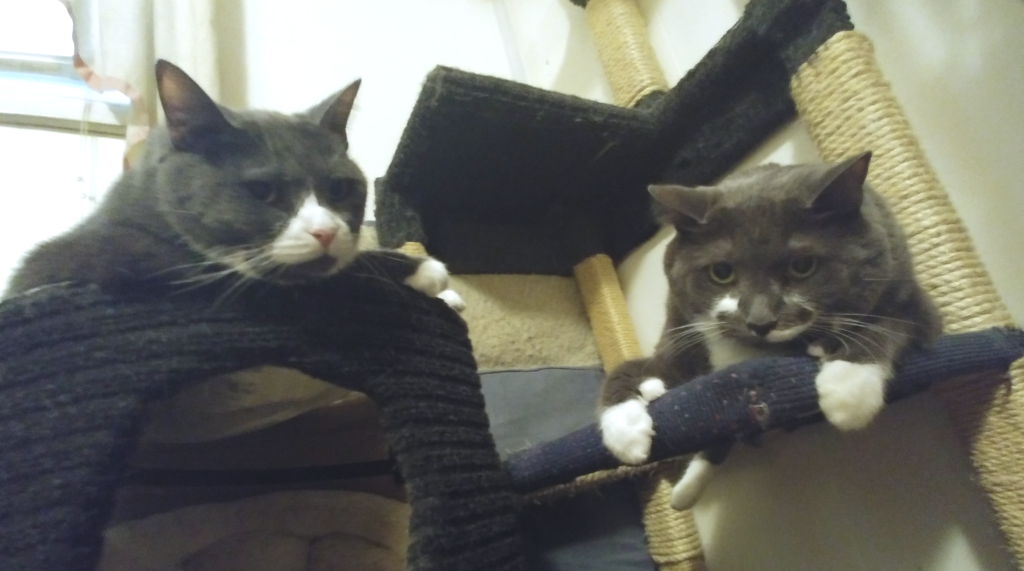 As cats age, physical changes can influence how and where they choose to rest.
Joint stiffness, arthritis, muscle loss, or sensitivity can make certain positions uncomfortable. Jumping into a lap or settling onto shifting legs may feel unstable or painful. Even if a cat once enjoyed lap time, they may stop as their body changes.
Many senior cats still want closeness but seek it in ways that require less effort and strain. Sitting beside you instead of on you. Sleeping at your feet instead of on your chest. Leaning against your leg rather than climbing into your lap.
These adjustments are practical, not emotional.
The Myth of the “Affectionate Cat”
There is a cultural narrative that equates physical affection with emotional depth. This can make owners feel disappointed or even rejected when their cat does not meet that expectation.
But affection is not measured by where a cat sits.
A cat who chooses to spend time near you, who checks in on you, who adjusts their routine to match yours, is demonstrating connection. A cat who trusts you enough to relax in your presence, even without touch, is showing comfort and security.
Some of the strongest bonds are quiet ones.
Respect Builds Trust
One of the most loving things you can do for a non-lap cat is to respect their boundaries.
Avoid forcing them into your lap or holding them when they clearly want to leave. Let them initiate contact. Allow them to choose when and how they engage.
Over time, this respect often deepens trust. Some cats may eventually sit closer. Some may surprise you with a brief lap visit. Others may never do so, and that is still a successful relationship.
Trust is not about changing your cat. It is about meeting them where they are.
Senior Cats and Emotional Security
 Senior cats often value stability above all else. Changes in environment, routine, or handling can be more stressful than they were in youth.
For a senior cat, knowing where their favorite spots are, when meals arrive, and how their day unfolds can be far more reassuring than physical closeness. Sitting nearby allows them to feel connected without compromising comfort or control.
This is especially true for cats managing chronic conditions or age-related changes. When energy is limited or discomfort is present, conserving effort becomes important.
Their love becomes quieter, but not smaller.
When Owners Feel the Disappointment
It is okay to acknowledge your own feelings, too. Many people adopt cats hoping for that warm, cuddly companionship. When it does not happen, it can feel like a loss.
But reframing expectations can open the door to a different kind of fulfillment. Instead of waiting for your cat to become something they are not, you can learn to appreciate the ways they already show care.
- The cat who sleeps in the same room every night.
- The cat who follows you to the kitchen.
- The cat who greets you with a look or a soft sound.
These are all expressions of attachment.
Love Does Not Require Touch
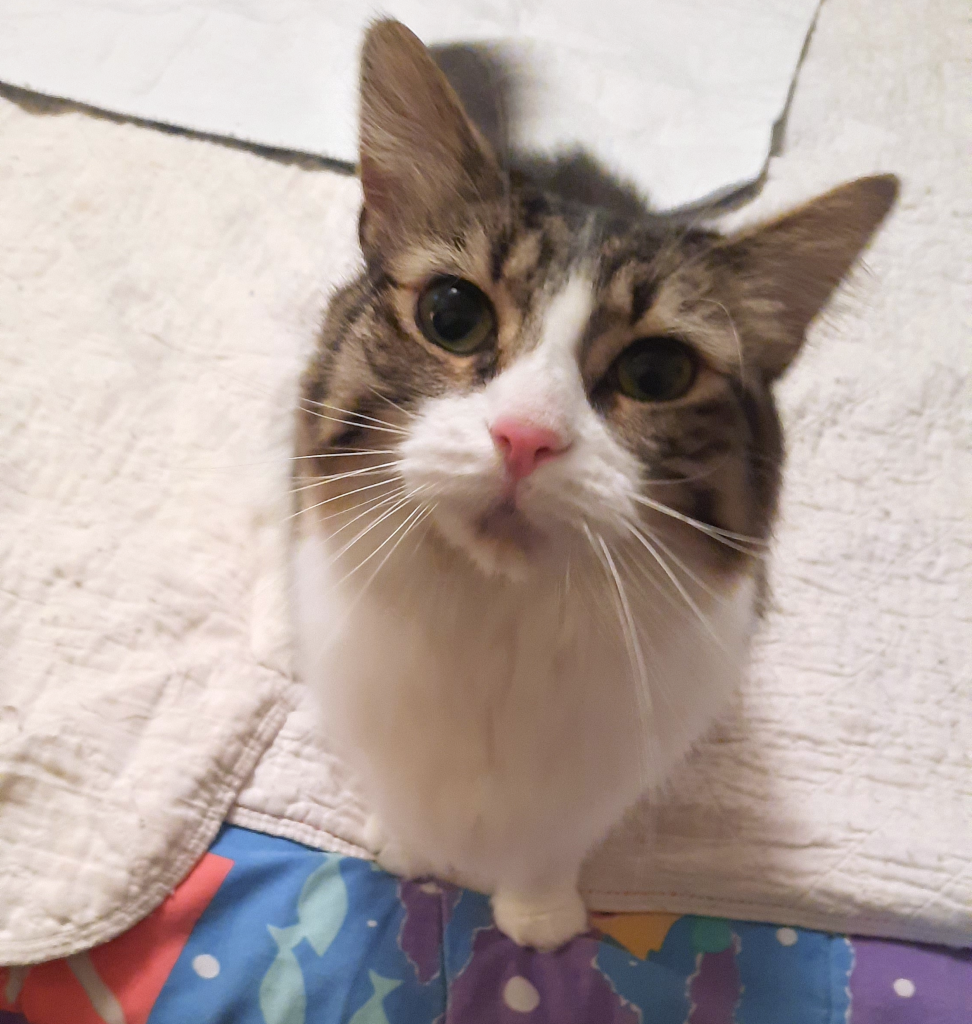 Some of the deepest bonds between humans and animals are built on presence, patience, and understanding rather than constant physical affection.
A cat who never becomes a lap cat can still be deeply bonded, emotionally secure, and content. They can still trust you completely. They can still feel safe, loved, and at home.
Letting go of the idea that affection must look a certain way allows you to see your cat for who they truly are, not who you expected them to be.
And when you meet them on their terms, the relationship often becomes richer, calmer, and more meaningful than any forced cuddle ever could be.
The Quiet Gift of Acceptance
At the heart of senior pet care is acceptance. Acceptance of aging bodies. Acceptance of changing needs. Acceptance of personalities that do not fit neat stereotypes.
When you accept your cat exactly as they are, lap cat or not, you give them the greatest gift of all: the freedom to feel safe being themselves.
That kind of love does not sit on your lap.
It sits in your home, your routine, and your shared life together.
And that is more than enough.