
When a pet is diagnosed with diabetes, one of the first things most owners hear is that blood sugar matters. What often gets lost in that conversation is that there are two very different problems that can happen when blood sugar moves out of balance, and each one requires a different response. Hypoglycemia and hyperglycemia may sound like medical terms, but at their core they simply describe blood sugar being too low or too high.
For owners of senior pets, especially those living with diabetes or other age-related conditions, understanding this difference can make daily care feel less overwhelming. Knowledge does not remove the worry, but it does replace fear with awareness. That awareness can help you respond calmly when something feels off instead of panicking or second-guessing yourself.
Why Blood Sugar Balance Matters More in Senior Pets
As pets age, their bodies become less flexible. Organs do not adapt as quickly, and recovery from stress, illness, or missed meals can take longer than it once did. This is especially true for senior pets with diabetes, kidney disease, thyroid conditions, or other chronic issues that affect metabolism.
Blood sugar is closely tied to energy, hydration, and organ function. When it stays within a reasonable range, pets feel stable and predictable. When it moves too high or too low, the body struggles to compensate, and symptoms can appear quickly or build slowly over time.
Senior pets often show subtler signs than younger animals. A change in behavior that looks like simple aging may actually be related to blood sugar. Knowing what hypoglycemia and hyperglycemia look like in real life helps owners notice patterns instead of isolated moments.
Understanding Hyperglycemia in Everyday Terms
 Hyperglycemia means high blood sugar. In diabetic pets, this usually happens when there is not enough insulin available or when the body cannot use insulin properly. Without enough insulin doing its job, sugar stays in the bloodstream instead of moving into cells where it can be used for energy.
When blood sugar stays high, the body tries to protect itself by flushing excess sugar out through urine. This is why increased thirst and increased urination are often the first signs owners notice. Over time, high blood sugar can stress the kidneys, contribute to dehydration, and cause weight loss even when appetite remains strong.
Hyperglycemia does not usually cause sudden collapse. It tends to develop gradually, which makes it easier to overlook. Many owners assume the changes they see are just part of getting older, especially in senior pets who already sleep more or move less.
Common Signs of Hyperglycemia Owners Often Miss
One of the most common signs of high blood sugar is increased drinking. Bowls that suddenly need refilling more often are an important clue, especially if nothing else in the household has changed. Increased urination often follows, which may show up as larger clumps in the litter box or more frequent trips outside.
Another sign is weight loss despite normal or increased eating. This can be confusing and worrying because it feels backward. The reason is that without enough insulin, the body cannot use glucose efficiently, so it begins breaking down fat and muscle instead.
Lethargy, dull coat condition, and weakness in the hind legs can also appear over time. These symptoms often overlap with other senior conditions, which is why tracking trends rather than single days is so important.
What Hypoglycemia Really Looks Like at Home
Hypoglycemia means low blood sugar. This can happen when a pet receives too much insulin, eats less than expected, vomits a meal, or experiences increased activity without extra food. In senior pets, it can also happen because their bodies no longer regulate blood sugar as smoothly as they once did.
Unlike hyperglycemia, hypoglycemia often appears suddenly. Symptoms can escalate quickly, which is why many owners find it more frightening. The brain depends heavily on glucose, so low blood sugar can affect coordination, awareness, and consciousness.
Recognizing early signs of hypoglycemia is one of the most important skills a diabetic pet owner can learn. Quick action can prevent a mild episode from becoming a medical emergency.
Signs of Low Blood Sugar That Need Immediate Attention
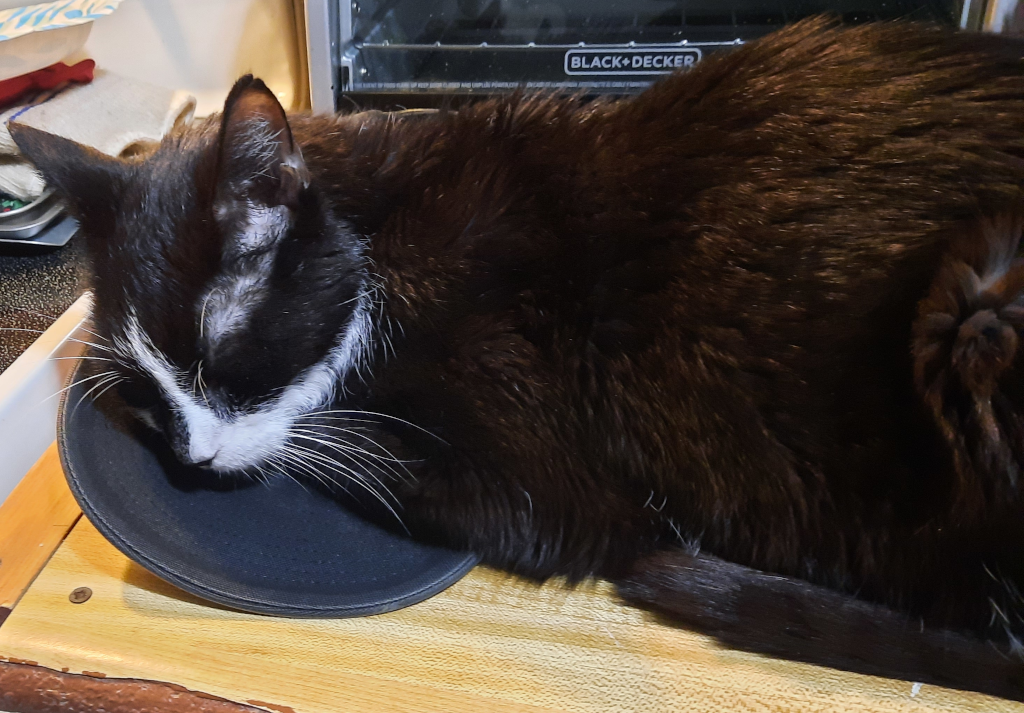 Early hypoglycemia may look subtle at first. A pet might seem unusually hungry, restless, or anxious. Some pets become vocal or clingy, while others withdraw and appear confused.
As blood sugar drops further, symptoms become more obvious. These may include shaking, weakness, stumbling, glassy eyes, or difficulty standing. In severe cases, seizures or loss of consciousness can occur.
Any sudden change in behavior that feels out of character should be taken seriously, especially in a diabetic senior pet. Trusting your instincts matters, because you know your pet’s normal better than anyone else.
Why Hypoglycemia Feels Scarier to Many Owners
Hypoglycemia often feels scarier because it happens fast. One moment a pet seems fine, and the next something clearly is not right. This suddenness can make owners feel helpless or afraid of making the wrong decision.
It also tends to happen at inconvenient times, such as late at night or when routines are disrupted. This adds stress and makes preparation even more valuable. Having supplies on hand and knowing what to do ahead of time can make a critical difference.
While hypoglycemia is urgent, it is also highly treatable when recognized early. Many owners gain confidence over time as they learn how their pet responds and what warning signs come first.
How Routine and Consistency Help Prevent Both Extremes
Consistency is one of the strongest tools owners have. Feeding at regular times, giving insulin on schedule, and avoiding sudden changes all help keep blood sugar steadier. Senior pets especially benefit from predictable routines.
Changes in appetite, digestion, or activity should be noted and adjusted for thoughtfully. A pet who eats less than usual may need insulin timing reviewed. A pet who suddenly becomes more active may burn glucose differently than before.
This is where tracking becomes invaluable. Written records or digital tools allow patterns to emerge that memory alone cannot reliably capture.
The Value of Tracking Blood Sugar Trends Over Time
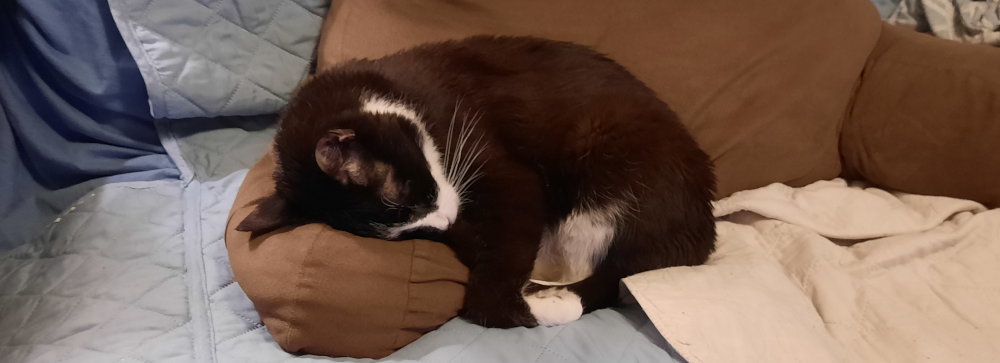 Single readings can be misleading. A number that looks concerning on one day may be part of a normal pattern when viewed across weeks. Tracking allows owners to see whether highs or lows are isolated or part of a larger issue.
For many owners, having the ability to log readings and visualize trends brings peace of mind. It turns guesswork into observation and replaces fear with information. It also makes conversations with veterinarians more productive because everyone can see the same data.
Printable glucose curves and daily tracking sheets can be especially helpful for senior pets who have multiple conditions. These records create continuity when care involves more than one person.
When Blood Sugar Issues Overlap With Other Senior Conditions
Senior pets rarely have just one diagnosis. Kidney disease, thyroid issues, arthritis, infections, and dental problems can all influence blood sugar. Stress from illness alone can raise glucose levels, while reduced appetite can increase hypoglycemia risk.
This overlap can make it difficult to tell what is causing a change. That is why context matters. A low reading after vomiting means something different than a low reading after a normal meal.
Owners who care for senior pets often become skilled at reading the whole picture rather than focusing on a single symptom. That skill develops through experience, patience, and sometimes trial and error.
Emotional Weight and the Human Side of Blood Sugar Care
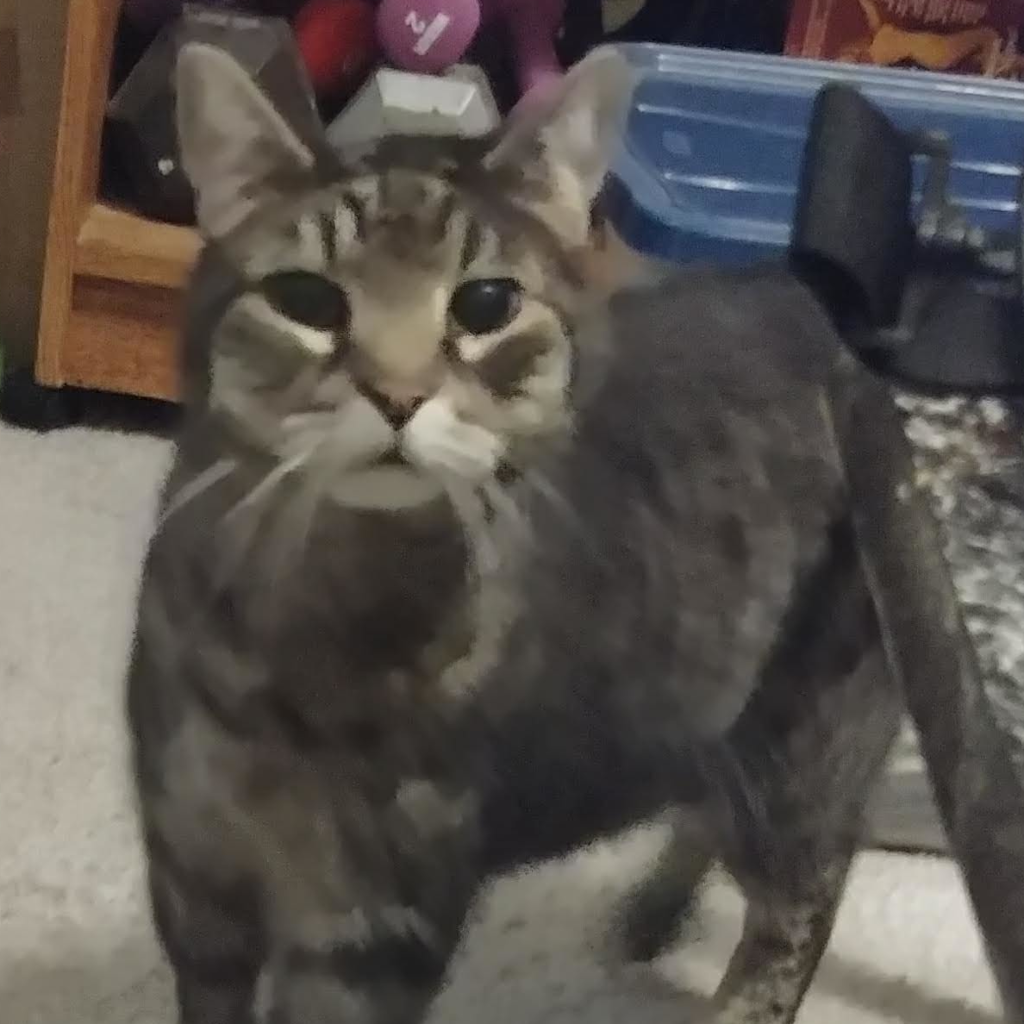 Caring for a diabetic senior pet carries emotional weight. There is love, worry, responsibility, and sometimes exhaustion mixed together. It is normal to feel anxious about making mistakes or missing signs.
Many owners struggle with guilt when numbers are not perfect. It is important to remember that perfection is not the goal. Stability and quality of life matter far more than flawless charts.
Pets do not measure love in glucose readings. They measure it in comfort, safety, and the presence of someone who shows up for them every day.
Learning to Trust Yourself as a Caregiver
Over time, many owners realize they notice changes before numbers confirm them. A look in the eyes, a change in posture, or a shift in energy can signal something is off. Learning to trust that intuition is part of becoming a confident caregiver.
Education empowers owners to act without panic. Knowing the difference between hypoglycemia and hyperglycemia allows you to respond appropriately instead of guessing. That confidence grows with experience, even when the learning curve feels steep at first.
No one starts this journey knowing everything. Every experienced caregiver was once new, uncertain, and learning one day at a time.
A Compassionate Reminder for Every Senior Pet Owner
Hypoglycemia and hyperglycemia are not failures. They are part of managing a complex condition in a living being whose body changes over time. Even with perfect routines, life happens.
What matters most is awareness, preparation, and compassion. Tools that help track, record, and understand patterns exist to support owners, not judge them. Using them turns care into a shared effort rather than a lonely burden.
Senior pets give us years of companionship, loyalty, and quiet presence. Learning how to keep them safe and comfortable in their later years is one of the deepest forms of love an owner can offer.