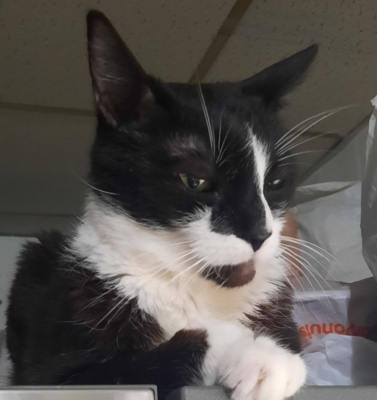

How to Give Insulin Injections Without Fear
The first insulin injection can feel completely out of proportion to what you are actually being asked to do.

Diabetes in cats and dogs.
The first insulin injection can feel completely out of proportion to what you are actually being asked to do.
Diabetes can turn an ordinary household schedule into a medical routine almost overnight.
A diabetes diagnosis can make an ordinary day feel frighteningly complicated. Meals suddenly seem tied to clocks. Insulin syringes appear on the kitchen counter.
Living with a diabetic pet changes the way you notice things. A missed meal matters more. An unusual nap gets a second look. A slight wobble that might once have seemed harmless can set off an alarm in your mind.
A diabetes diagnosis changes many parts of daily life with a pet. Meals become scheduled. Insulin has to be measured carefully.
Learning to test your diabetic pet’s blood sugar at home can feel scary at first. I remember that feeling well. The first time you hold a tiny lancet near the ear of a cat or dog you love, your hands may not feel like your own.
There is a moment many diabetic pet parents remember with painful clarity. It might be the day the diagnosis came. It might be the first time they held a tiny syringe in shaking hands.
Traveling with a diabetic pet can feel like trying to move an entire little medical routine into a suitcase.
When a pet is first diagnosed with feline diabetes, it can feel like your world narrows overnight. Suddenly, you are measuring, timing, watching, worrying.
If you have ever sat there staring at a glucose curve, feeling your chest tighten as you try to make sense of all those numbers, you are not alone. I remember the first time we charted one for Bentley.
If you are caring for a senior pet or managing something like diabetes, chances are your days are filled with numbers. Blood glucose readings, food intake, water consumption, weight changes, medication times.
Caring for a pet with diabetes can feel overwhelming at first. The routine of testing blood sugar, recording numbers, adjusting feeding times, and watching for symptoms quickly becomes part of daily life.