
Diet Changes That Support Stable Glucose Levels in Senior Pets
When a pet enters their senior years, food begins to matter in a different way. The bowl that once simply kept them full now plays a major role in how they feel each day.
Diabetes in cats and dogs.
When a pet enters their senior years, food begins to matter in a different way. The bowl that once simply kept them full now plays a major role in how they feel each day.
Living with more than one pet is a joy that fills a home with personality, routines, and a little chaos in the best possible way. When one of those pets is diagnosed with diabetes, the household dynamic changes.
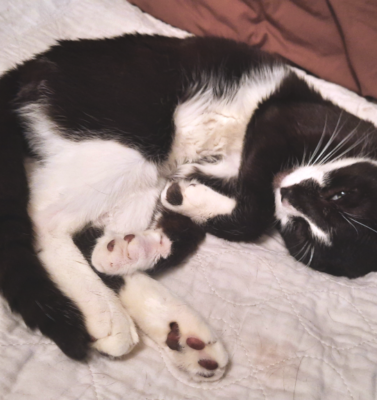
A diabetes diagnosis can feel overwhelming, especially when it involves a senior cat who has already been through a lot.
When a pet is diagnosed with diabetes, one of the first things most owners hear is that blood sugar matters.
Living with pets long enough teaches you one important truth. They rarely announce when something is wrong.
When people first hear the word diabetes in relation to their pet, the reaction is almost universal: fear. Fear of needles. Fear of doing something wrong. Fear that life is about to shrink into schedules, alarms, and constant worry.
If you’ve ever stared at a blood glucose reading and thought, “Okay… but what does this actually mean for my pet?”.
When a pet is diagnosed with diabetes, life changes sometimes suddenly, sometimes gradually. Meals become scheduled.
Diabetes in pets is not a condition that exists in isolation. It touches nearly every aspect of daily life, from feeding schedules and medication timing to activity levels and emotional well-being.
Diabetes is one of the most commonly misunderstood chronic conditions affecting pets today. Dogs and cats can live long, comfortable lives with diabetes, but only when the condition is managed with accurate information and consistent care.
For many pet owners caring for a diabetic cat or dog, the words glucose curve can trigger instant stress. The idea of taking repeated blood glucose readings throughout the day, writing down numbers, and then trying to interpret what they mean often feels intimidating.
Feline diabetes mellitus is a condition that often arrives quietly. Many cats continue eating, drinking, and moving through their routines long before the problem becomes obvious.