A diabetes diagnosis can feel overwhelming, especially when it involves a senior cat who has already been through a lot. The word itself carries weight, and for many pet owners it immediately brings thoughts of lifelong injections, constant monitoring, and fear of making mistakes. We have stood in that place more than once. Through our experiences, we have learned that while diabetes is serious, it is not always a permanent sentence. Diabetes remission can happen in cats, and even when remission has not happened yet, hope still has a place.
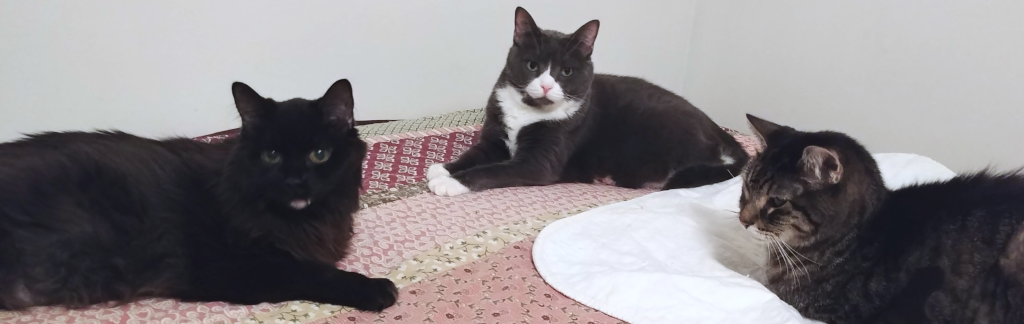
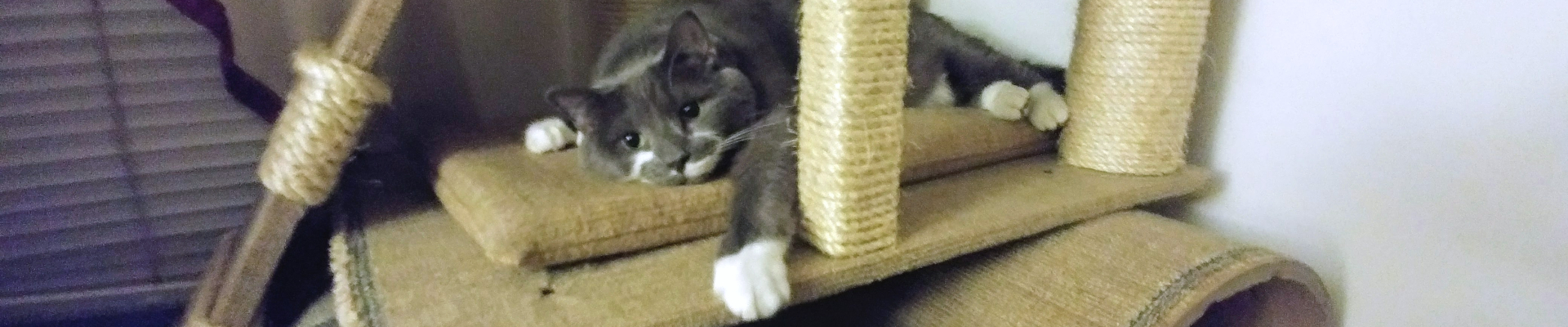
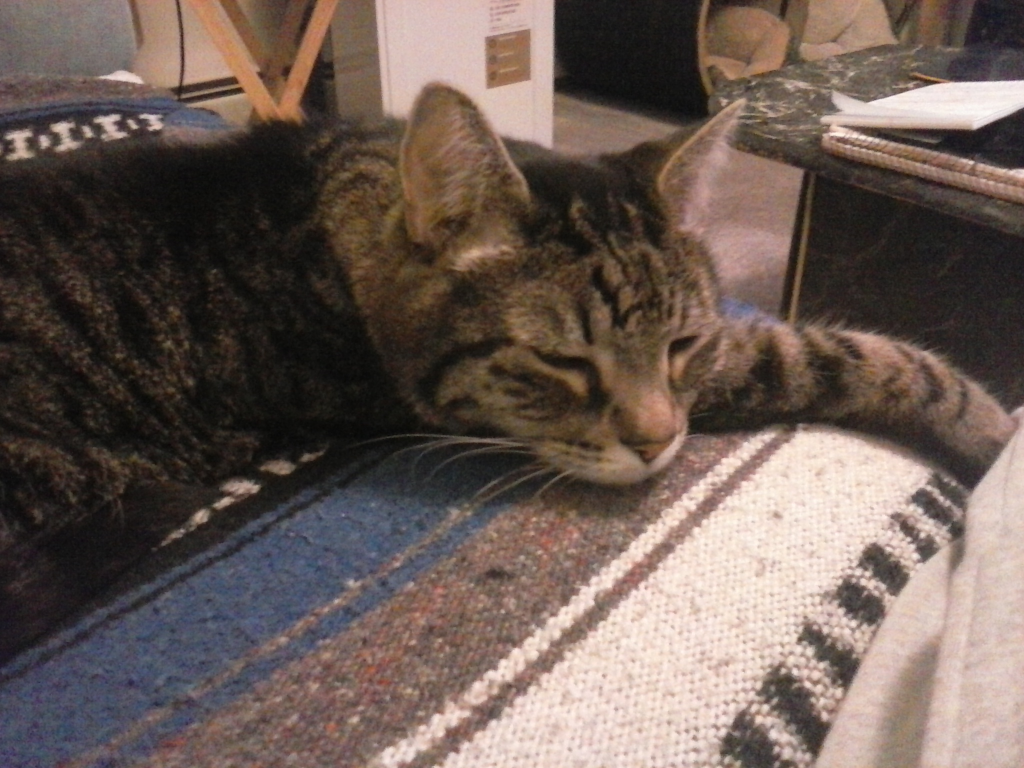
This article is based on our real-life experiences caring for diabetic cats in our home. We are not veterinarians. We are longtime pet owners who have navigated chronic illness with patience, persistence, and a lot of love. Two of our cats, Zippy and Bentley, were diagnosed with diabetes. Their journeys are different, but both have taught us valuable lessons worth sharing.
Understanding Diabetes in Cats Without the Jargon
In simple terms, diabetes in cats means the body is struggling to manage sugar in the bloodstream. Sugar, also known as glucose, is the fuel cells need to function. Insulin is the hormone that allows glucose to move from the blood into the cells.
When insulin is not working properly, sugar builds up in the blood instead of being used for energy. Over time, this leads to symptoms like increased thirst, frequent urination, weight loss, and weakness. Many cats with diabetes require insulin injections to help regulate blood sugar levels and keep their bodies functioning properly.
While insulin is often necessary, it is not always permanent. Some cats can eventually maintain normal blood sugar levels without injections, a state known as remission.
What Remission Really Means
 Remission does not mean diabetes disappears or can never return. It means that blood sugar levels remain in a healthy range without the need for insulin. The cat’s body is once again producing and using insulin well enough to stay balanced.
Some cats remain in remission for the rest of their lives. Others may come out of remission later due to illness, stress, or changes in weight or diet. Even so, remission significantly improves quality of life and reduces daily medical demands.
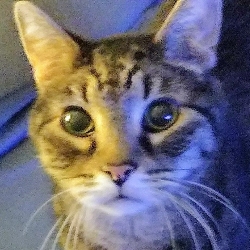
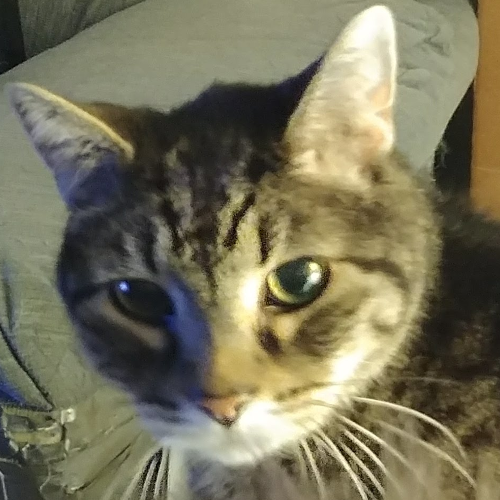
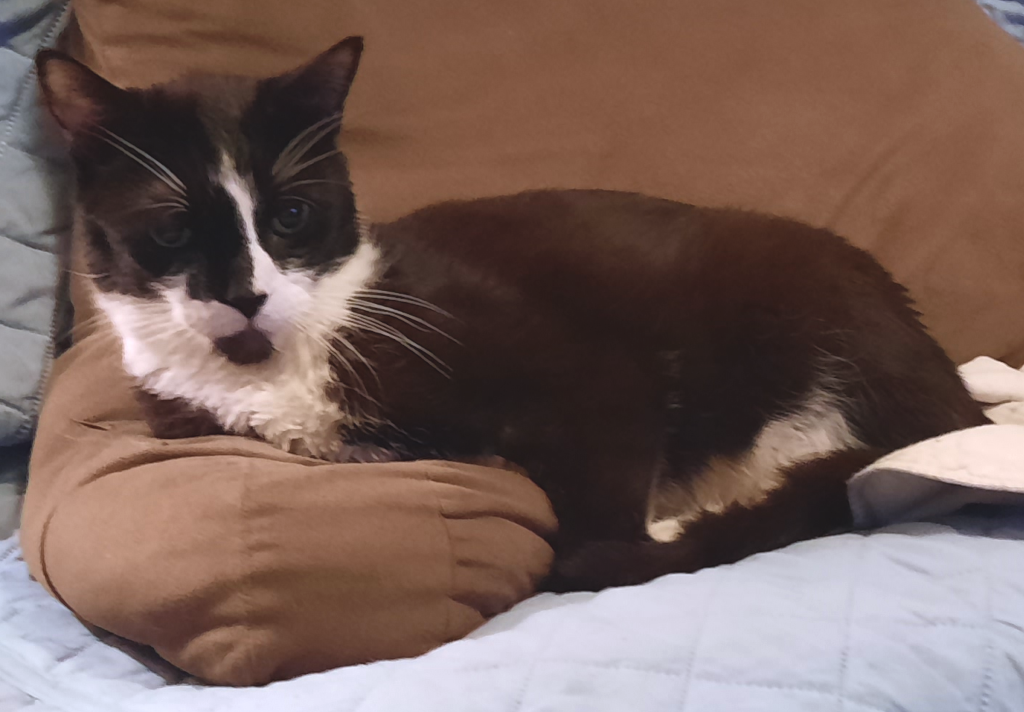
Our cat Zippy experienced full remission. Our cat Bentley has not yet, but his story is still unfolding.
Zippy’s Diabetes Diagnosis and Early Days
Zippy’s diagnosis came after subtle but concerning changes. He was drinking more water, using the litter box more often, and losing weight despite eating normally. A vet visit confirmed diabetes, and we knew our daily routine was about to change.
We started insulin injections, but we also started learning. Rather than settling into a fixed-dose schedule right away, we chose a method that focused on listening to Zippy’s body. This approach became the foundation of his eventual remission.
Choosing Tight Regulation
 Tight regulation means adjusting insulin doses based on frequent blood glucose testing rather than giving the same dose at the same time every day regardless of need. It treats diabetes as something that changes daily rather than something static.
This approach requires commitment. It involves testing blood sugar regularly, tracking results, and learning how food, insulin, and timing interact. It is not about perfection. It is about preventing blood sugar from staying too high for too long.
For Zippy, tight regulation meant insulin when he needed it and no insulin when he did not. Over time, this allowed his body to recover.
The Emotional Side of Daily Care
Testing and injections are intimidating at first. Many people worry about hurting their cat or doing something wrong. Those fears are normal, especially in the beginning.
Zippy adapted surprisingly well. With calm handling and consistency, testing became routine rather than stressful. Injections followed the same path. What once felt overwhelming became manageable, and that emotional shift made long-term care possible.
Zippy’s Remission Journey
After months of tight regulation, Zippy’s glucose readings began improving. Slowly, he needed less insulin. Some days, he needed none at all. We stayed cautious and continued testing, knowing that remission is not declared after a few good numbers.
After just over a year, Zippy no longer needed insulin injections. His blood sugar stayed in a healthy range without medication. We continued testing. Twice daily at first for a normal routine became gradually reduced testing as months passed with stable readings.
Eventually, testing dropped to once every couple of months. Zippy never needed insulin again. His remission was real, sustained, and life-changing.
Bentley’s Ongoing Diabetes Story
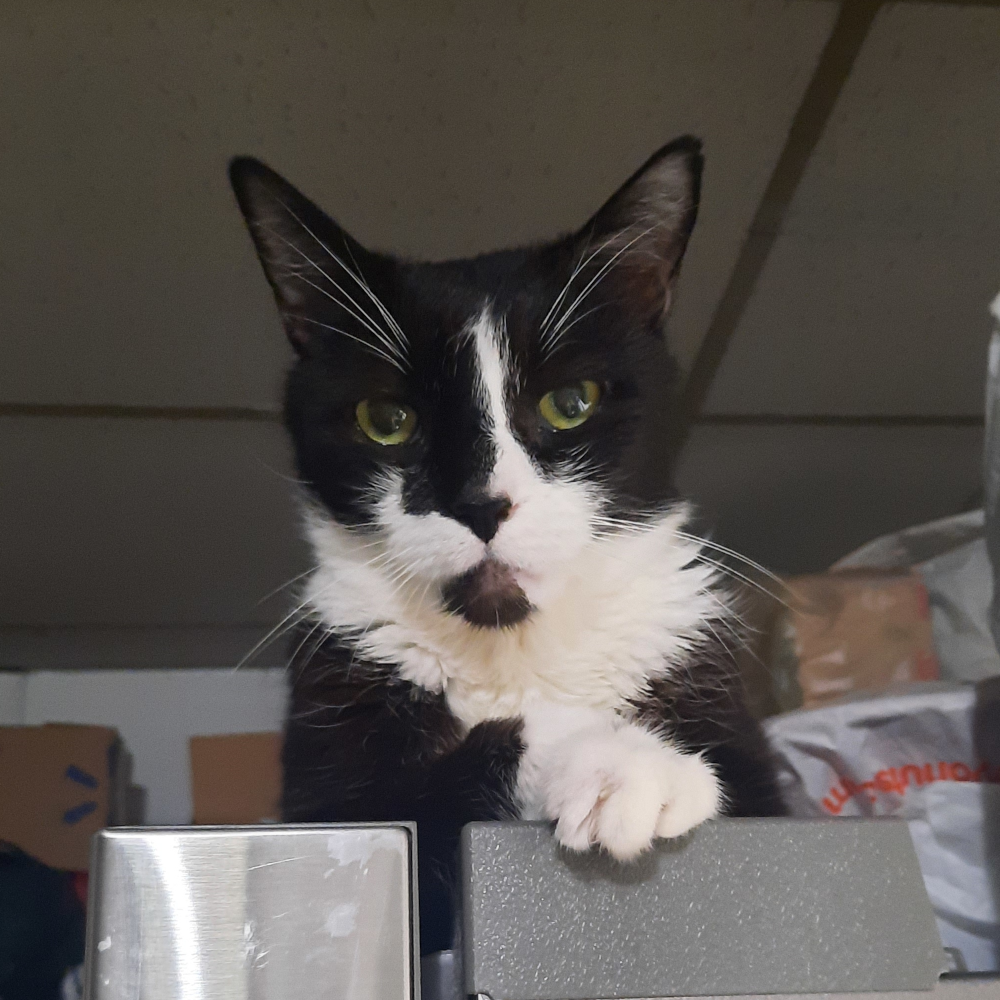 Bentley’s journey looks different, and that matters. Like Zippy, Bentley was diagnosed with diabetes and began insulin treatment. We chose the same tight regulation approach, applying everything we learned from Zippy’s experience.
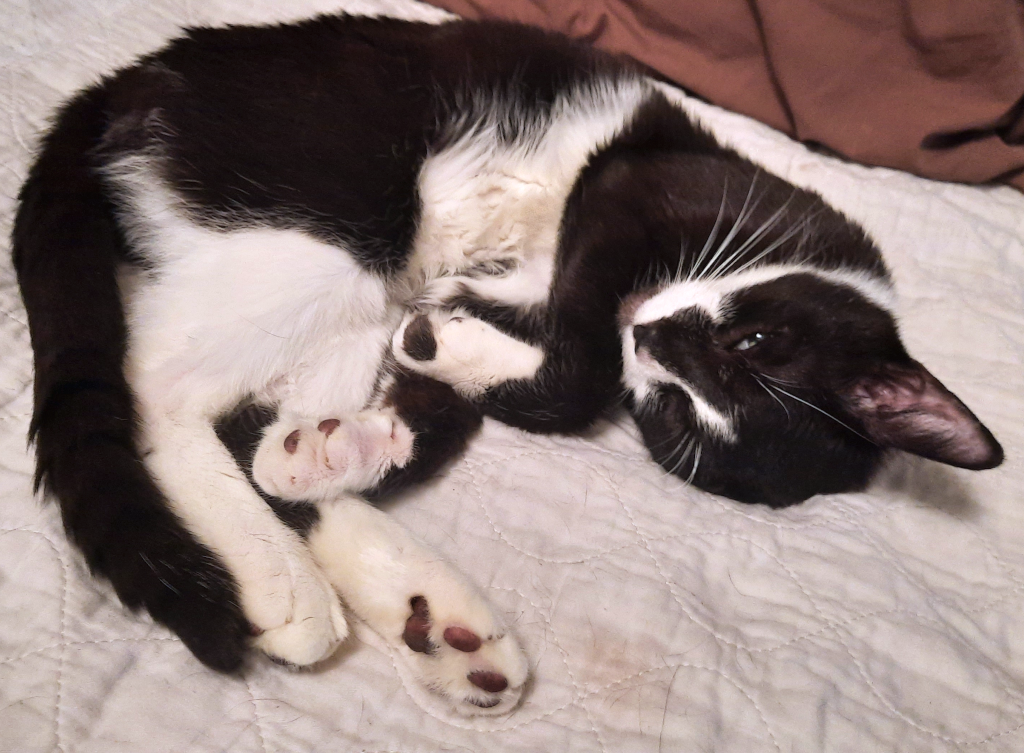
Bentley has not gone into remission yet. He still requires insulin, and his blood sugar levels continue to need close monitoring. There have been improvements and setbacks, good stretches and challenging ones.
What Bentley teaches us is that remission is not guaranteed, even with dedicated care. It is a possibility, not a promise.
Why Bentley’s Story Still Matters
Bentley’s ongoing journey is just as important as Zippy’s remission. It shows that success is not defined only by stopping insulin. Stability, comfort, and quality of life matter deeply.
Tight regulation has helped Bentley avoid extreme highs and lows. It has allowed us to respond to his actual needs rather than assumptions. Even without remission, this approach has made his diabetes manageable.
We still hope Bentley may go into remission one day. Until then, we focus on keeping him comfortable, safe, and happy.
Why Remission Can Happen in Some Cats
 Many cats develop a form of diabetes that is influenced by insulin resistance rather than complete insulin failure. When blood sugar is controlled early and consistently, the pancreas sometimes recovers enough to function again.
High blood sugar can damage insulin-producing cells. Tight regulation helps prevent prolonged damage, giving the body a chance to heal. This is one reason early diagnosis and thoughtful management matter so much. Every cat is different. Genetics, age, diet, and other health conditions all play a role.
The Role of Diet and Routine
Diet plays a key role in managing feline diabetes. Many cats benefit from low-carbohydrate foods that do not cause sharp spikes in blood sugar. Consistency in feeding times and portions also helps stabilize glucose levels.
Routine matters more than many people realize. Cats thrive on predictability, and stable routines reduce stress, which can affect blood sugar. Both Zippy and Bentley responded better once daily patterns became consistent.
Any dietary or insulin changes should always be discussed with a veterinarian.
Patience as Part of the Process
 Remission does not happen quickly. Zippy’s journey took over a year. Bentley’s journey is still ongoing. Both experiences required patience, observation, and emotional endurance. There were moments of doubt and frustration. There were also moments of quiet progress that felt deeply rewarding. Diabetes management is not linear, and that is okay.
Every stable day is meaningful.
Living With Hope, Not Fear
Even in remission, awareness matters. Stress, illness, or changes in weight can affect blood sugar. That does not mean living in constant fear. It means staying attentive and prepared. For Bentley, occasional testing remains part of life. For Zippy, it became reassurance rather than necessity.
Both situations are valid and manageable. Hope does not require certainty.
A Compassionate Closing
Caring for a diabetic cat asks a lot from pet owners. It demands time, learning, emotional strength, and adaptability. But it also deepens the bond in ways that are hard to describe. Zippy’s remission showed us what is possible. Bentley’s ongoing journey reminds us that love and dedication matter regardless of outcome. Both stories belong here.
If you are caring for a diabetic cat, know this. Remission can happen. Stability can happen. And even on the hardest days, your care is making a difference.