
When one pet in your home is diagnosed with diabetes, life changes quickly. Feeding schedules become precise. Meal portions matter more than ever. Insulin injections become part of your daily rhythm. Glucose readings turn into numbers you watch closely and learn from over time.
Now imagine managing all of that while other pets are still racing through the house, stealing food bowls, begging for treats, or eating on their own flexible schedule. A multi pet household is full of love and companionship, but it can also add layers of complexity when one animal needs strict diabetic care.
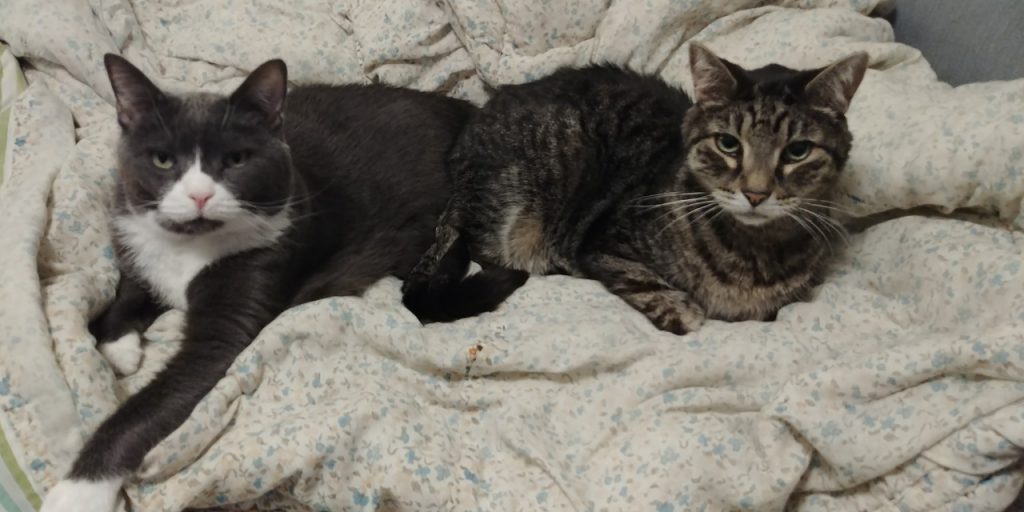
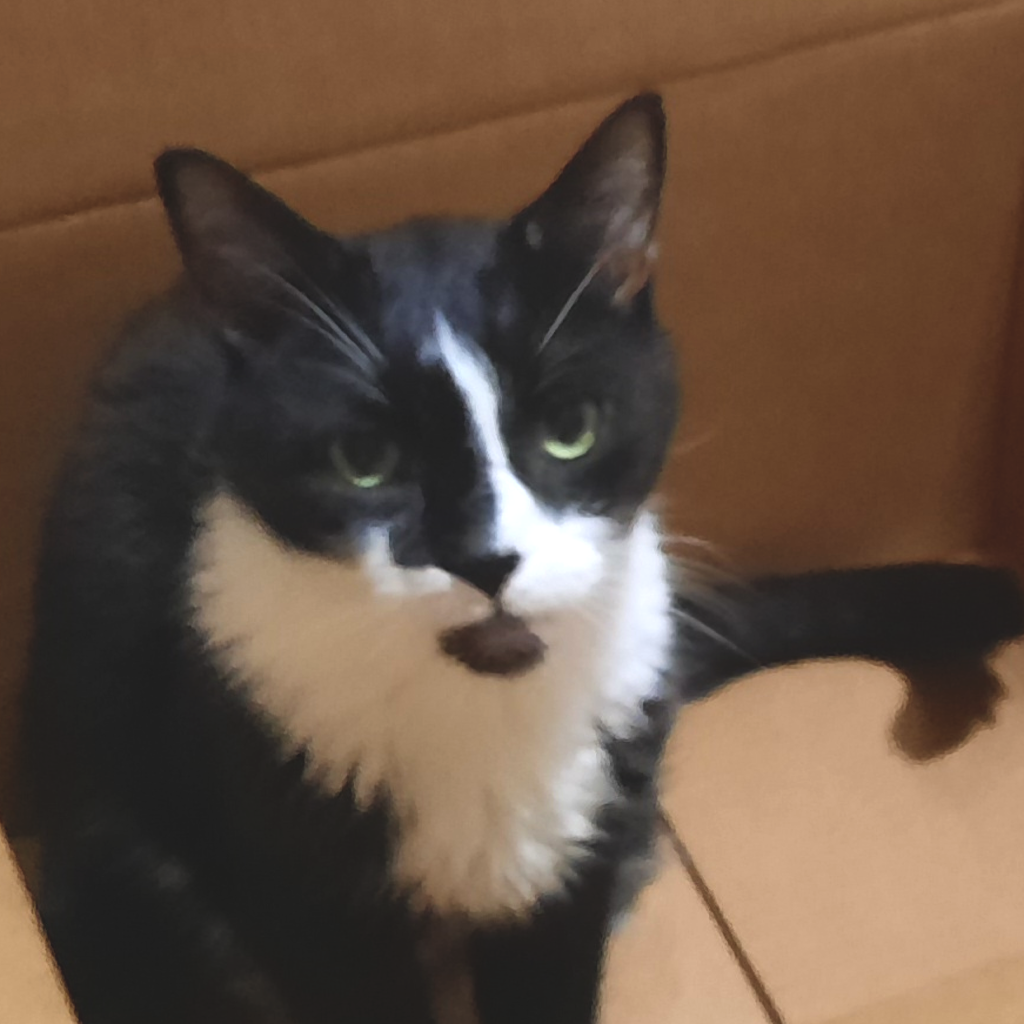
We understand this personally. Over the years, we have cared for more than one diabetic cat while other cats and dogs shared the same space. It takes patience, planning, and a willingness to adjust routines. It can absolutely be done, and with some organization, it can even become second nature.
This article is meant to walk you through that process in clear, practical terms. You do not need to be a veterinarian to manage diabetes responsibly. You need consistency, observation, and a willingness to adapt your household routine.
Understanding the Basics of Pet Diabetes
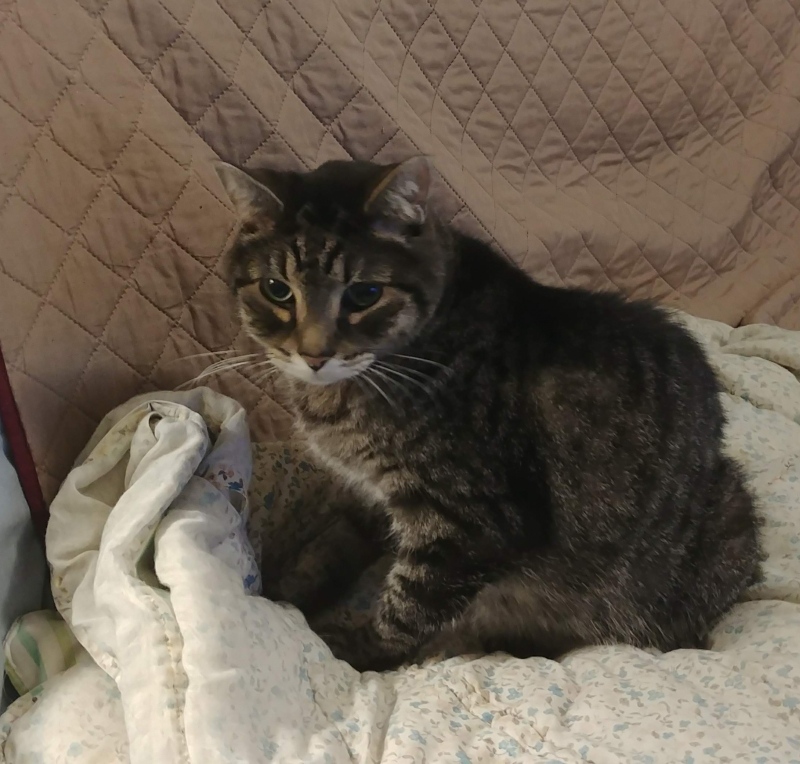 Diabetes in pets, most commonly in cats and dogs, means the body is not properly regulating blood sugar. In simple terms, glucose builds up in the bloodstream because insulin is either not produced in enough amounts or the body does not respond to it properly.
Treatment often involves insulin injections, controlled feeding, weight management, and regular monitoring of blood sugar levels. Consistency is one of the most important factors in maintaining stability. Meals should happen at the same times each day. Insulin is usually given at set intervals. Sudden diet changes can disrupt blood sugar control.
In a single pet home, this structure is easier to maintain. In a home with several animals, especially free feeders or treat seekers, you have to think a little more creatively.
The Feeding Challenge in Multi Pet Homes
The biggest hurdle is usually food.
If your diabetic pet requires a specific diet and scheduled meals, free feeding multiple pets in shared spaces is no longer realistic. Even a small amount of the wrong food can throw off glucose levels. That does not mean your other pets must suffer. It simply means the household routine needs to shift.
Here are practical strategies that have worked for us and many others:
1. Separate Feeding Areas – Feeding pets in separate rooms with doors closed can prevent food stealing. If doors are not available, baby gates or playpens can create temporary separation. Some owners use crates during feeding time for dogs who eat too quickly or attempt to steal.
2. Timed Meals for Everyone – Even if your other pets were previously free fed, transitioning them to scheduled meals often simplifies everything. Most healthy adult cats and dogs adapt well to two or three meals per day. This creates a controlled window where all bowls go down and then are picked up together.
3. Microchip or Selective Feeders – There are bowls available that only open when a specific pet’s microchip is detected. These can be helpful if one pet requires special food long term and others cannot eat it.
4. Supervised Treat Time – Treats should be given intentionally, not casually tossed into a group. When one pet is diabetic, everyone benefits from healthier treat habits. Low carbohydrate treats or single ingredient protein treats are often better choices, but always confirm with your veterinarian.
We learned early on that structure reduces stress. Once feeding times become predictable, pets adjust quickly.
Managing Insulin with Other Pets Around
 Administering insulin in a busy household can feel intimidating at first. Some pets are curious and may crowd around. Others may become anxious if they associate injections with mealtime delays. Creating a calm, consistent injection routine helps.
Choose a quiet location that becomes your designated spot. Give your diabetic pet their meal, wait the appropriate amount of time if directed by your veterinarian, and then administer insulin without distraction. If other pets tend to interfere, briefly confining them to another area during this moment can reduce chaos. Over time, most pets learn that injections are just another part of the routine. Many do not even react once they realize food follows shortly after.
Monitoring Glucose in a Shared Space
Monitoring blood sugar levels is essential for diabetic pets. Some owners perform at home glucose checks with handheld meters. Others rely on periodic veterinary curves. Many do both. In a multi pet household, keeping track of data becomes even more important. When several animals are involved, it is easy to confuse feeding amounts or forget which bowl belonged to which pet.
This is where organization becomes your best friend. Using a dedicated tracking system can help you notice patterns and avoid mistakes. On our site, we created a diabetes tracker that allows owners to enter glucose readings and view them in chart form. Seeing the numbers visually can reveal trends that are harder to spot in a notebook.
We also provide printable glucose curve forms for hourly tracking and daily logs for long term record keeping. Whether you use digital tools or printed sheets on your refrigerator, consistency in recording information helps you stay confident and prepared during veterinary visits.
Weight Management When Not Everyone Needs a Diet
 Weight plays a major role in diabetic control. Many diabetic pets, especially cats, improve when excess weight is reduced gradually and safely. The challenge in a multi pet home is preventing the diabetic pet from eating extra food while ensuring other pets maintain their own healthy weight. This may require measuring portions carefully and resisting the urge to leave food out all day.
If one pet is underweight and another is overweight, feeding in separate spaces becomes even more critical. It is not uncommon to juggle multiple dietary needs at once. We have managed homes where one cat required a kidney friendly diet, another needed diabetic support, and a third simply wanted to eat everything in sight. It sounds overwhelming, but once feeding stations and schedules are in place, it becomes manageable.
Emotional Dynamics in Multi Pet Homes
Pets notice change. When one animal begins receiving injections, special food, or extra attention, other pets may respond with curiosity or jealousy. You can reduce tension by keeping affection balanced. Spend individual time with each pet daily. Maintain familiar routines like play sessions or evening cuddle time.
Some diabetic pets experience periods of low energy while stabilizing. Other pets may react by nudging, grooming, or simply observing. Multi pet homes often provide emotional comfort for a sick animal. We have seen companions sit quietly beside a diabetic sibling during rest periods. When one of our diabetic cats needed closer monitoring, the others seemed to sense something was different. They did not interfere with testing once they realized it was part of daily life. Animals adapt more gracefully than we often expect.
Recognizing Hypoglycemia in Busy Households
Low blood sugar, called hypoglycemia, can occur if too much insulin is given or if a meal is missed. Symptoms may include lethargy, wobbling, confusion, tremors, or in severe cases seizures. In a busy home, subtle changes can be missed. That is why knowing your diabetic pet’s normal behavior is important. If your normally vocal cat becomes unusually quiet, or your typically energetic dog seems weak, pause and assess.
Keep a source of fast acting sugar, such as corn syrup or honey, available as directed by your veterinarian for emergency use. Contact your veterinarian immediately if you suspect hypoglycemia. Clear communication among family members is essential. Everyone should know feeding times, insulin doses, and signs to watch for. Posting a written schedule in a visible location can prevent mistakes.
Travel and Boarding with Multiple Pets
 Travel adds another layer of planning. If you board pets, ensure the facility is experienced in administering insulin. Provide written instructions and pre measured food portions when possible. If you rely on a pet sitter, choose someone comfortable with injections and glucose monitoring. Walk them through the routine before your trip. Leave detailed written instructions, including emergency contact numbers.
In multi pet homes, consider whether separating the diabetic pet during feeding while you are away will be feasible for the caregiver. The simpler you make the system, the less likely errors will occur.
When Other Pets Develop Health Issues
Many of us who care for senior pets eventually face multiple diagnoses at once. It is not unusual for one animal to have diabetes while another has kidney disease, thyroid imbalance, arthritis, or vision loss. Do not feel discouraged if health challenges overlap. Senior pet households require flexibility. Focus on building routines that support everyone’s needs without sacrificing your own mental well being.
We have cared for pets with diabetes alongside others with thyroid disorders and kidney issues. Each required adjustments, but structure and record keeping made it possible. The key is not perfection. It is steady, thoughtful care.
Using Tools to Simplify Life
 One of the reasons we created BellenPaws.com was to make these complex situations feel less overwhelming. We wanted a place where senior pet owners and diabetic pet caregivers could find practical tools, not just medical terminology.
Our age calculator helps owners understand how their pet’s stage of life compares in human years. Our rope length calculator assists those building cat trees that accommodate aging joints. Our diabetes tracker and printable forms support daily management without guesswork. When multiple pets share a home, organization reduces stress. Having charts, logs, and clear schedules allows you to focus on companionship instead of constant worry.
Caring for Yourself Too
Managing diabetes in a multi pet household requires dedication. It also requires rest. You cannot pour from an empty cup. Set alarms if needed so you do not carry every detail in your head. Share responsibilities with a partner or trusted family member when possible. Celebrate small victories, such as stable glucose readings or smooth feeding routines.
Most importantly, remember that diabetes is manageable. Many pets live happy, full lives with proper care. Your diabetic pet can still enjoy sunbeams, toys, walks, and affection just like any other animal in your home.
Final Thoughts
A multi pet household is full of motion, noise, and personality. Adding diabetes management to the mix can feel overwhelming at first. With structured feeding, clear communication, careful monitoring, and compassionate attention, it becomes part of the household rhythm. We have learned that experience builds confidence. The first injection feels frightening. The tenth feels routine. The hundredth feels like just another act of love.
If you are navigating diabetes in a home with multiple pets, know that you are not alone. Many of us have walked this road and discovered that while it requires commitment, it also deepens the bond we share with our animals. Structure creates stability. Stability creates peace of mind. And peace of mind allows you to focus on what matters most, giving your pets comfort, dignity, and a home filled with patience and care.