


If you are caring for a senior pet or managing something like diabetes, chances are your days are filled with numbers. Blood glucose readings, food intake, water consumption, weight changes, medication times. At first, it can feel overwhelming. You jot things down because you know you should, but it is easy to wonder if those daily entries really matter beyond that moment.
I remember feeling exactly that way early on with Bentley. Twice a day, every day, we were testing, recording, adjusting. At first, it felt like we were just collecting data without direction. But over time, something shifted. Those scattered numbers began to connect. Patterns emerged. Decisions became clearer. And what once felt like routine tracking slowly turned into one of the most powerful tools we had.
Turning daily readings into meaningful long term insights is not about becoming a scientist. It is about learning to listen to what your pet’s body is quietly telling you over time.
The Difference Between Data and Understanding
 Recording numbers is the first step, but understanding comes from stepping back and looking at the bigger picture. A single reading can tell you how your pet is doing in that exact moment. A week or a month of readings can tell you how your pet is truly living.
For example, one slightly high glucose reading might feel alarming in isolation. But when you look at a full week and see that most values are steady and within range, that one number becomes less frightening and more contextual. It may have been influenced by a small change in appetite, a stressful moment, or even just normal variation.
With Bentley, we learned that consistency mattered more than perfection. There were days where numbers were not ideal, but when we looked at trends over time, we could see whether things were improving, staying stable, or drifting off course. That shift in perspective made everything feel more manageable.
This is where tracking becomes something more than a habit. It becomes a conversation between you and your pet’s health.
Recognizing Patterns in the Everyday
Patterns do not always announce themselves clearly. They show up quietly in repetition. The key is learning to notice what repeats and what changes.
You might begin to see that your pet’s glucose tends to dip lower at a certain time of day. Or that appetite drops slightly before a medication dose needs adjustment. Maybe your senior dog drinks more water during warmer weeks, or your cat becomes less active during certain phases of an illness.
These are not random details. They are clues.
When we were managing Zippy’s diabetes, those small patterns became everything. It was not just about individual readings, but how those readings behaved across days and weeks. We noticed how food timing influenced glucose curves. We saw how consistent routines created stability. Over time, those observations helped guide decisions that ultimately supported remission.
The important part is not to rush this process. Patterns take time to reveal themselves. The more consistent your tracking is, the clearer those patterns become.
Connecting Behavior to Numbers
 One of the most powerful insights comes when you start linking numbers to behavior. Numbers alone are helpful, but when paired with what you observe in your pet, they become meaningful.
Is your pet more energetic on days when readings are stable? Do they seem tired or restless when numbers fluctuate? Are there subtle changes in grooming, posture, or interaction that line up with certain trends?
Senior pets, especially, communicate in quiet ways. A slight hesitation before jumping. A longer nap. A change in how they approach their food bowl. When you combine those observations with your recorded data, you begin to see the full picture of their well being.
I remember noticing that Bentley would become just a little quieter on days when his numbers were not as steady. It was not dramatic. Someone else might not have noticed. But because we were tracking both behavior and readings, the connection became clear. That awareness allowed us to respond sooner, rather than waiting for something more obvious to happen.
Turning Logs Into Insightful Tools
A notebook or spreadsheet may seem simple, but over time it becomes a powerful resource. What matters most is consistency and clarity. You want to be able to look back and quickly understand what was happening during a given period.
This is why we always encourage using structured tracking tools. Whether you prefer a handwritten log or something digital, having organized entries makes it easier to review trends. On our site, we offer a free pet diabetes tracker along with printable glucose curve forms. These are designed to help you visualize patterns over time, which can make a huge difference when you are trying to understand what is working.
The goal is not perfection in how you track. The goal is making your data usable. Even simple notes like “ate less today” or “seemed more active” can become incredibly valuable when viewed alongside your readings weeks later.
Over time, your log becomes more than a record. It becomes a guide.
Learning When to Adjust and When to Wait
 One of the hardest parts of managing a senior or diabetic pet is knowing when to act and when to stay the course. Daily readings can sometimes tempt us into reacting too quickly. A single off day can make us want to change everything.
This is where long term insight protects both you and your pet.
When you can see trends over time, you gain confidence in your decisions. You begin to understand whether something is a temporary fluctuation or part of a larger shift. That perspective helps you avoid unnecessary changes that could disrupt stability.
With Bentley, there were times when a number would catch our attention. But instead of reacting immediately, we would look at the surrounding days. Was this part of a pattern or just a moment? More often than not, patience allowed things to settle naturally.
That does not mean ignoring concerning signs. It means giving yourself enough context to make informed decisions rather than reactive ones.
Building Confidence Through Consistency
There is a quiet confidence that grows when you consistently track and review your pet’s data. At first, everything can feel uncertain. You second guess your decisions. You worry about whether you are doing enough.
But over time, those doubts begin to soften.
You start to recognize what normal looks like for your pet. You learn their rhythms. You understand how they respond to food, medication, and daily life. That familiarity is incredibly reassuring.
It also strengthens your ability to advocate for your pet. When you have clear records and a deep understanding of their patterns, you can communicate more effectively with your veterinarian. You are no longer relying on memory or guesswork. You have real, tangible information to support your observations.
That kind of confidence is not built overnight. It grows from the simple act of showing up each day and recording what you see.
Finding Meaning in the Long View
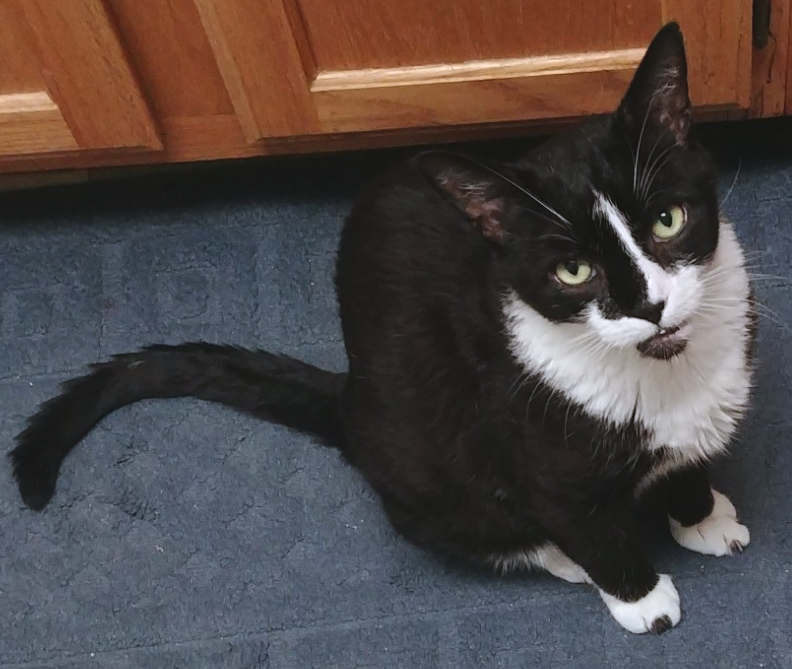 Caring for a senior or diabetic pet is a journey measured in small moments. A stable reading. A good appetite. A comfortable nap in a favorite spot. These are the things that matter.
When you step back and look at your data over weeks or months, you begin to see the bigger story. You see progress that might have been invisible day to day. You notice stability where there once was uncertainty. You recognize how your care is making a difference.
There is something deeply comforting about that.
I often think about how far Bentley has come, and how much of that journey is reflected in our logs. Each entry represents a moment of care, attention, and love. Together, they tell a story of resilience and connection.
A Gentle Reminder for the Hard Days
There will be days when the numbers are not what you hoped for. Days when you feel discouraged or overwhelmed. That is part of this process, and it does not mean you are failing.
On those days, it helps to remember that one reading does not define your pet’s health. What matters is the overall trend, the long view, and the care you provide consistently over time.
Your effort matters. Your attention matters. And every note you take is a step toward understanding your pet better.
If there is one thing I would share with anyone starting this journey, it is this. Do not underestimate the power of your daily observations. They may seem small in the moment, but together, they become one of the most valuable tools you have.
Over time, those numbers will stop feeling like random entries. They will become a language you understand. And through that understanding, you will be able to support your pet with clarity, confidence, and compassion.