
Most of us who live with cats come to know their grooming routines almost as background noise. The soft rhythm of a tongue smoothing fur, the quiet focus, the way they seem so completely at ease in those moments. Grooming is part of who they are. It is comfort, cleanliness, and even a kind of self-soothing.
That is why it can feel so confusing, and honestly a little alarming, when that normal habit crosses a line. You begin to notice thinning fur along the belly or legs. Maybe you catch your cat licking the same spot over and over again, long after the job should be done. At first, it is easy to assume something physical is wrong, maybe allergies or fleas. Sometimes that is true, and it is always worth ruling those out.
But there is another possibility that does not get talked about enough. Sometimes over-grooming is not about the skin at all. Sometimes it is about the heart and the mind. This is what is often called psychogenic alopecia, and at its core, it is not bad behavior. It is a coping mechanism.
A Quiet Form of Stress
Cats are incredibly sensitive creatures. They do not always show stress the way dogs might, and they certainly do not express it the way humans do. Instead, they internalize. They adapt. And sometimes, they self-soothe in ways that can slowly become harmful.
Psychogenic alopecia is essentially a pattern of excessive grooming driven by emotional stress or anxiety. The grooming itself releases calming chemicals in the brain. It is similar to how a person might pace, bite their nails, or zone out with repetitive habits when overwhelmed. For a cat, licking becomes a way to feel better, even if only for a moment.
The challenge is that this behavior can become a cycle. The more they groom, the more relief they feel, and the more they rely on it. Over time, that relief comes at a cost. Fur begins to thin or disappear entirely. Skin can become irritated. And underneath it all, the original stress is still there, quietly lingering.
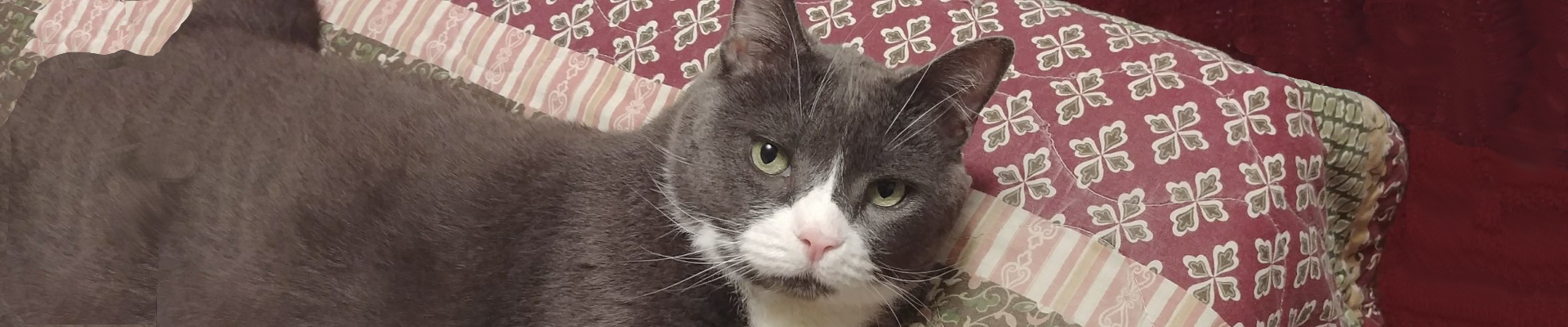
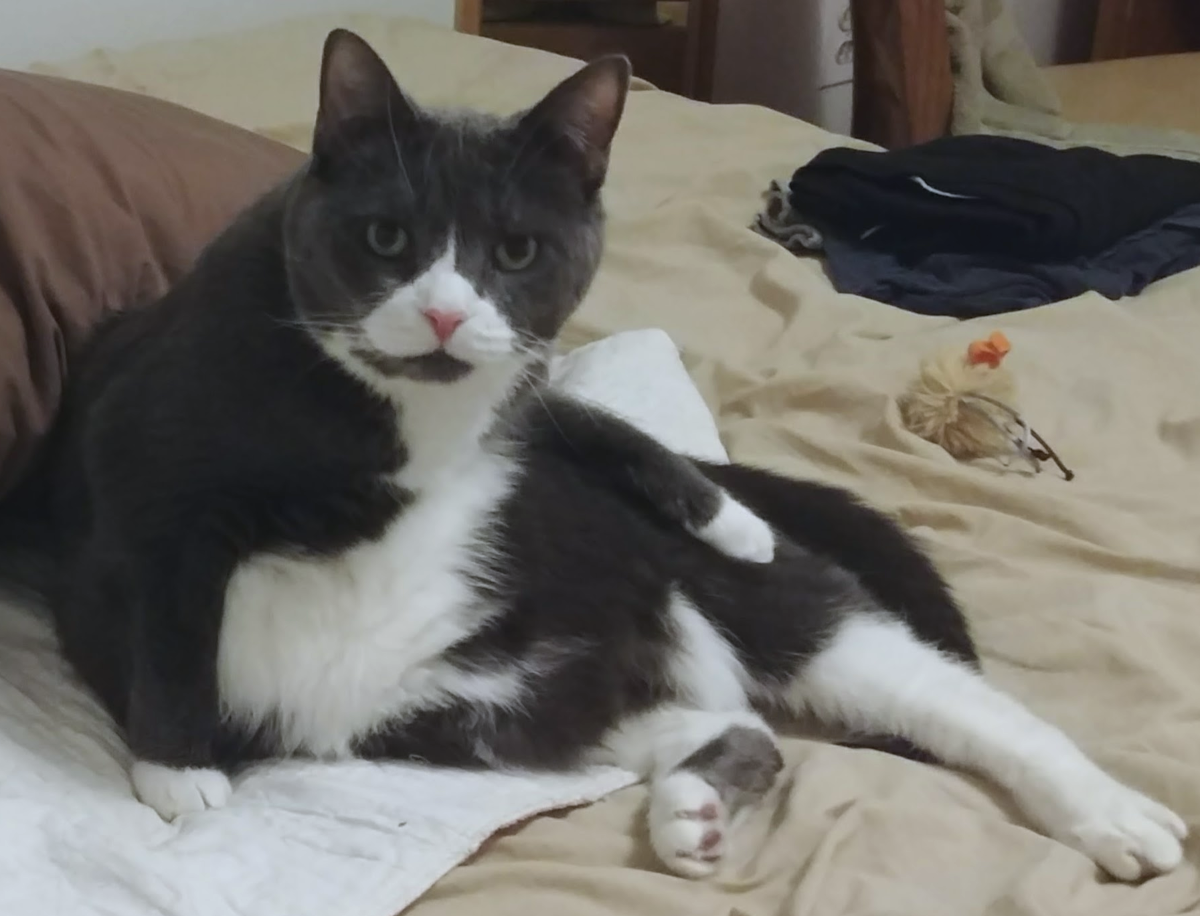
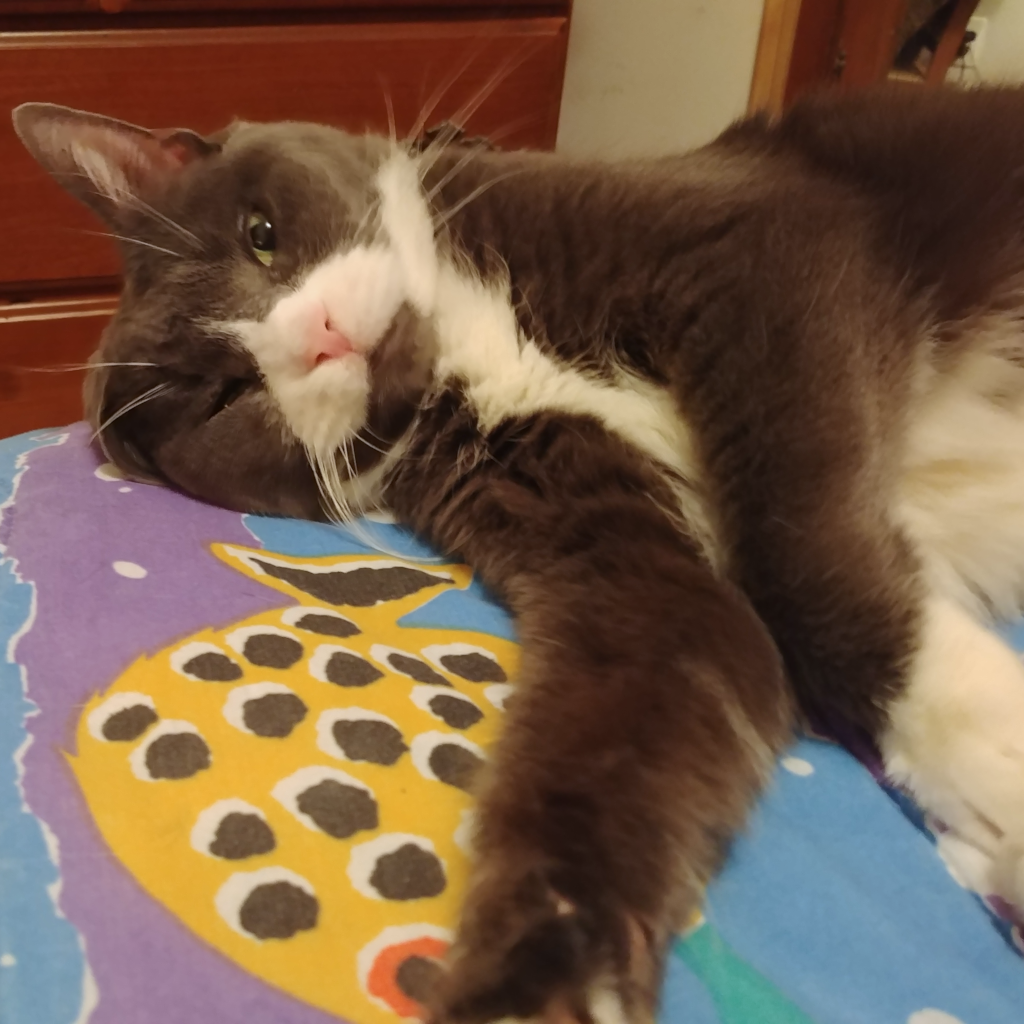
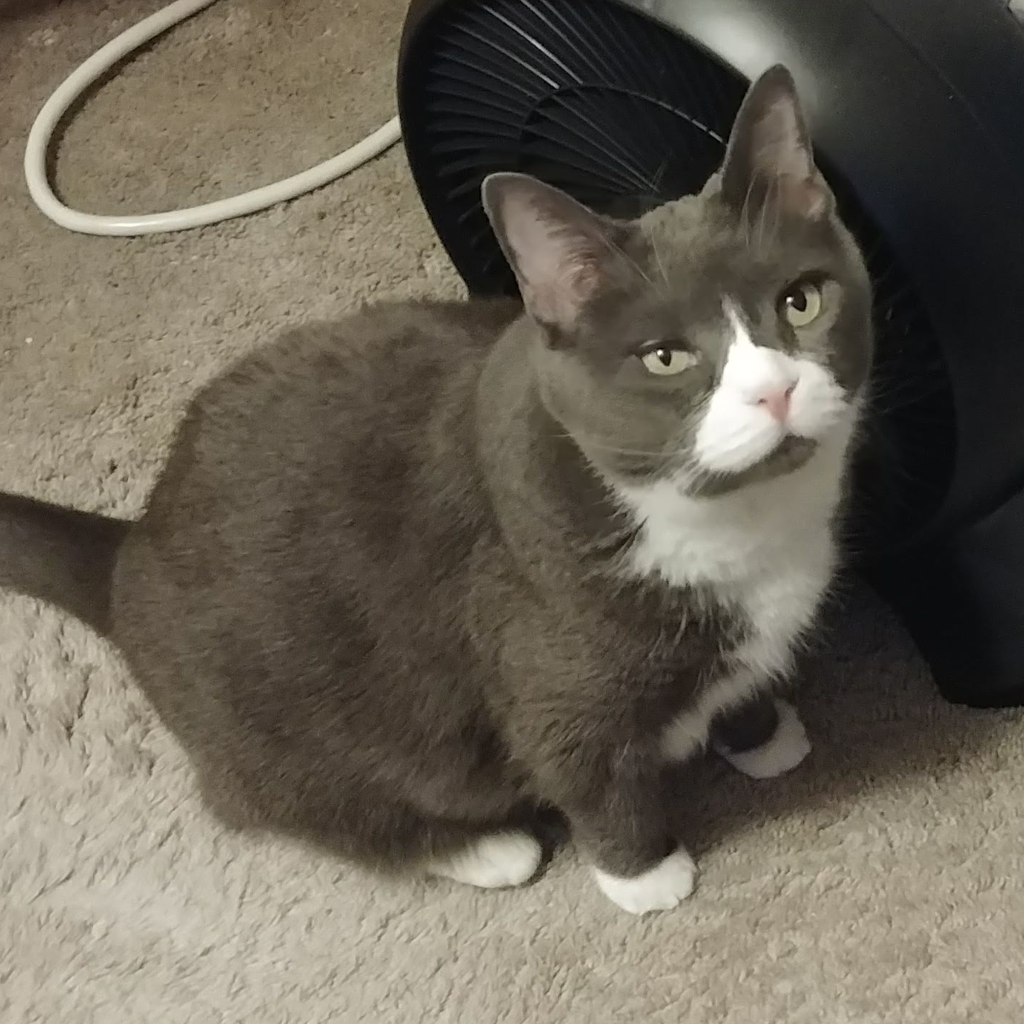
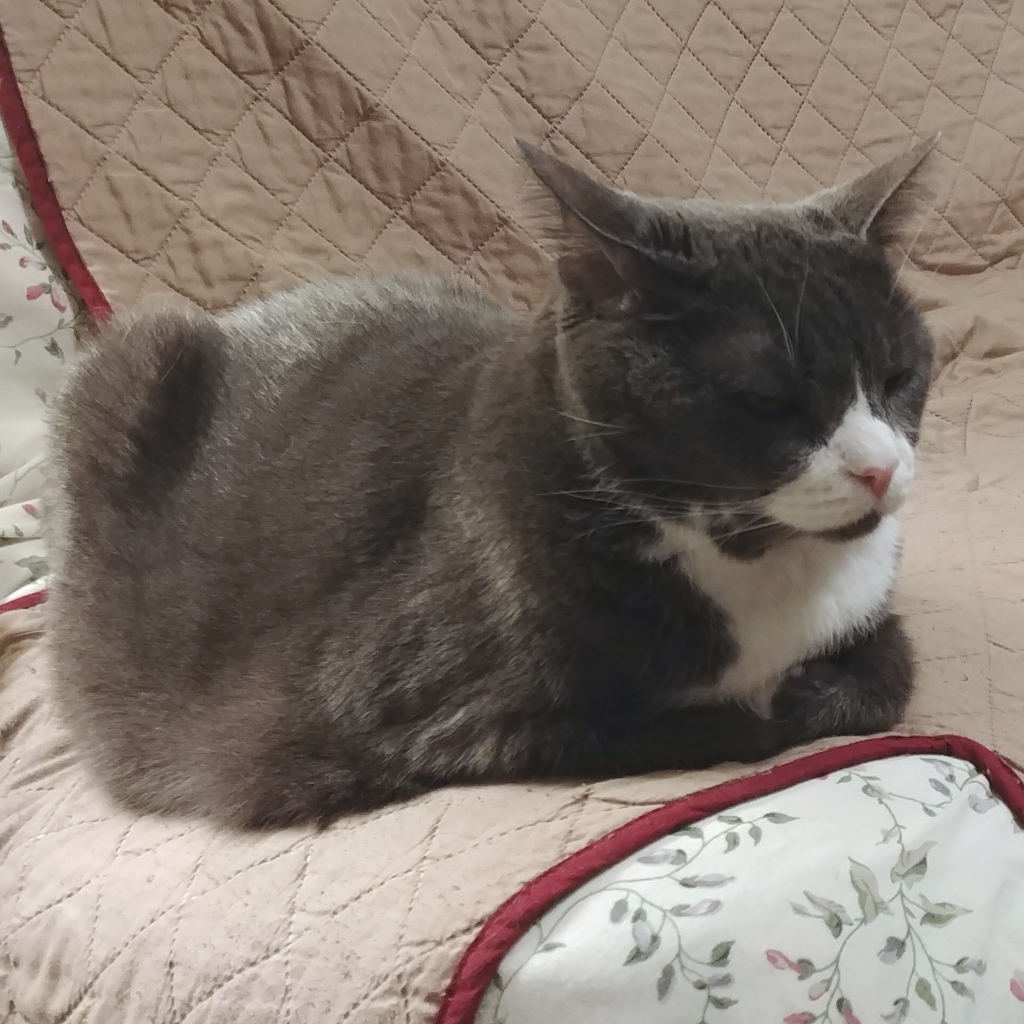
One of our own cats, Belle, went through this. She never looked like she was struggling on the surface. She still ate, still sought out affection, still carried herself like the strong, steady cat she always was. But we began to notice her belly fur thinning, then her legs. It was subtle at first, easy to miss if you were not paying close attention.
When we realized what was happening, it changed how we saw it completely. This was not her being difficult. This was her trying to cope.
Recognizing the Signs Without Blame
 One of the hardest parts for pet parents is shifting the mindset. It is very natural to want to correct the behavior. You might try to interrupt the grooming or redirect your cat’s attention. While gentle redirection can help in the moment, it does not address the root cause.
Instead, it helps to look at the bigger picture. Has anything in your home changed recently? Even small shifts can feel huge to a cat. A new pet, a different work schedule, rearranged furniture, new sounds, or even tension in the household can all register as stress.
Sometimes the signs are not just physical. You might notice your cat becoming more withdrawn, or more clingy than usual. They may hide more often, or seem restless. In multi-pet homes, subtle social tension can also play a role, even if there are no obvious fights.
What makes this condition particularly tricky is that cats are so good at masking discomfort. By the time the grooming becomes obvious, they may have been dealing with stress for quite a while.
The Importance of Ruling Out Physical Causes
Before settling on an emotional cause, it is always important to work with a veterinarian to rule out medical issues. Skin allergies, parasites, infections, and even pain can all lead to excessive grooming. Cats do not always show pain in obvious ways, and licking can sometimes be their way of responding to it.
This step is not about doubting your instincts. It is about making sure nothing is missed. Once medical causes are ruled out, you can focus more confidently on the emotional side of things.
In our experience, having that clarity brings a strange kind of relief. It gives you a direction. It tells you that your role is not to fix something physically broken, but to support your cat in feeling safe again.
Creating a Sense of Safety
 If psychogenic alopecia is rooted in stress, then the path forward is about reducing that stress and building a sense of stability. Cats thrive on predictability. Simple routines can go a long way. Feeding at consistent times, keeping litter boxes clean and accessible, and maintaining familiar sleeping spots all help create a foundation of security. It may seem small, but to a cat, consistency is comfort.
Environmental enrichment is also important, especially for indoor cats. This does not mean overwhelming them with new toys all at once. It means offering opportunities for natural behaviors like climbing, scratching, and observing their surroundings. A window perch where they can watch birds or a quiet elevated spot can provide a surprising amount of calm.
For some cats, interactive play can help release pent-up energy and redirect focus. Short, gentle play sessions can mimic hunting behavior and provide both physical and mental stimulation. The key is to follow your cat’s lead and not force interaction if they are not in the mood.
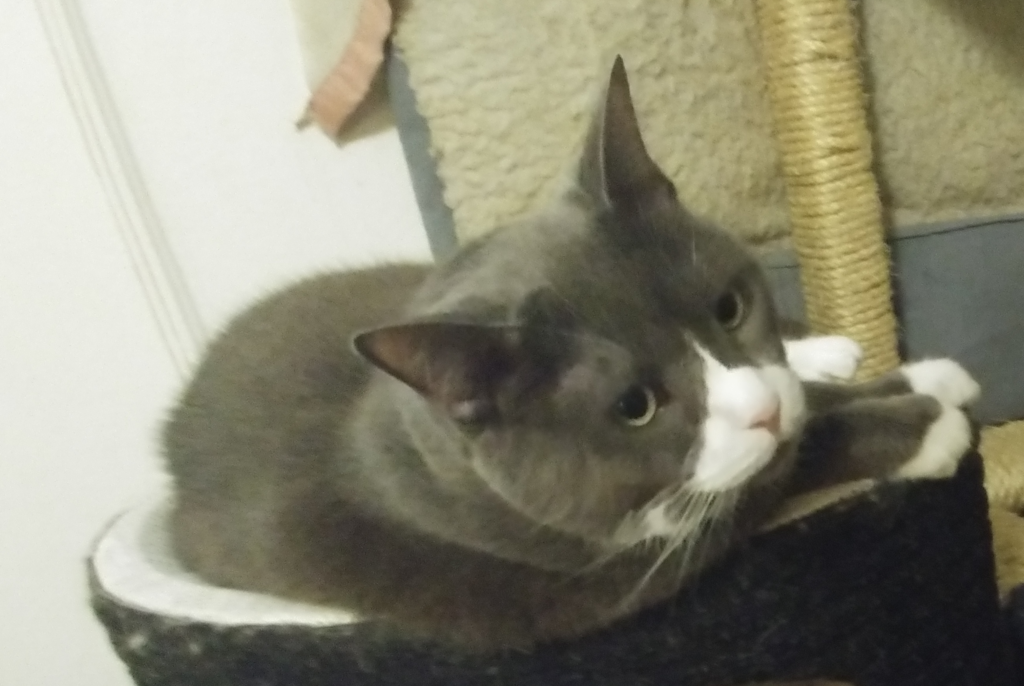
In Belle’s case, we found that simply creating more quiet, predictable spaces made a difference. She was a sensitive cat, and even subtle changes in the home could affect her. Giving her places where she felt completely undisturbed helped her settle in ways we had not expected.
The Role of Emotional Connection
One thing that often gets overlooked is how much our presence affects our pets. Cats may seem independent, but they are deeply connected to the emotional tone of their environment. Spending calm, quiet time with your cat can be incredibly grounding for them. This does not always mean active play or constant petting. Sometimes it is just sitting nearby, letting them come to you, speaking softly, or gently stroking them if they seek it out.
If your cat has formed a habit of over-grooming, these moments of connection can serve as gentle interruptions. Not in a forceful way, but in a reassuring one. You are offering an alternative source of comfort. There is also something important about how we respond emotionally. It can be frustrating to see your cat hurting themselves, even unintentionally. But reacting with stress or urgency can sometimes add to their anxiety. Staying calm, even when you are worried, can help them feel more secure.
When Additional Support Is Needed
 There are times when environmental changes and emotional support are not enough on their own. In those cases, it is okay to explore additional options. Some pet parents find that calming aids, such as pheromone diffusers, can help create a more relaxing environment. These are designed to mimic the natural calming signals cats use with each other. While they are not a cure, they can be part of a broader approach.
In more severe cases, a veterinarian may recommend behavioral support or medication. This can feel intimidating at first, but it is not a failure. It is simply another tool to help your cat find balance again. The goal is always the same. It is not to suppress behavior for the sake of appearance. It is to address the underlying stress and improve quality of life.
A Long-Term Perspective
Psychogenic alopecia is rarely something that resolves overnight. It often requires patience, observation, and a willingness to adapt. Progress may come in small steps. You might notice less grooming during certain times of day, or see fur slowly beginning to grow back. It is important to celebrate those small changes. They are signs that your cat is starting to feel safer, even if the journey is not complete.
Keeping track of patterns can also be helpful. This is where having simple tools can make a difference. On our site, we offer free tracking resources that many pet parents use for diabetes management, but they can also be adapted for behavior. Writing down when grooming happens, along with any environmental changes, can reveal patterns you might not notice otherwise.
The same mindset that helps with tight regulation in diabetic pets applies here in a different way. Consistency, attention to detail, and a willingness to adjust can lead to meaningful improvements over time.
Understanding, Not Correcting
At the heart of all of this is a shift in perspective. It is easy to label behaviors as problems that need to be corrected. But when it comes to psychogenic alopecia, that approach misses what your cat is really trying to communicate. Your cat is not trying to frustrate you. They are trying to cope in the only way they know how.
When you approach it from that place of understanding, everything changes. You become less focused on stopping the behavior and more focused on supporting the emotional need behind it. That is where real progress happens.
A Gentle Reminder for Pet Parents
 If you are dealing with this right now, it is okay to feel concerned. It is okay to feel unsure. This is not always a straightforward condition, and it can take time to find what works for your individual cat. What matters most is that you are paying attention. You are noticing the changes. You are trying to understand. That alone puts you in a position to help your cat in a meaningful way.
We have walked this path ourselves, and we know how subtle it can be. With Belle, it was not one big moment that changed everything. It was a series of small adjustments, small realizations, and small acts of care that slowly helped her feel more at ease. Your cat does not need perfection. They need consistency, patience, and a sense that their world is safe.
And when that sense of safety begins to return, something beautiful happens. The grooming slows. The fur comes back. And beneath it all, you see your cat again, not just coping, but truly comfortable in their own skin.