
When people first encounter a cat living outdoors, it is easy to assume every cat can eventually become a lap cat with enough love. I used to believe that too. Over the years, caring for cats with all kinds of histories taught me something much more nuanced and, honestly, much more compassionate. Not every cat is meant to be socialized in the traditional sense, and that is not a failure. It is simply who they are.
A feral cat is very different from a stray. A stray has usually had some human contact and may even be longing for it again. A feral cat, on the other hand, has grown up without meaningful human interaction. To them, people are not comfort. People are something unpredictable, something to be avoided. Their entire understanding of safety is built around distance and independence.
This distinction matters because it shapes everything that comes next. When we talk about socialization, we are really talking about whether a cat can learn to feel safe around humans. For some cats, that door is open. For others, it never really is, and that is okay.
When Socialization Is Truly Possible
 There are situations where socialization can work beautifully, and I have seen it happen. It requires patience, consistency, and a willingness to move at the cat’s pace, not ours.
Kittens are the clearest example. Young feral kittens, especially under about eight to ten weeks of age, are still forming their understanding of the world. With gentle handling, quiet environments, and consistent care, they can learn to trust people. It does not happen overnight, but it happens more often than not.
Even older kittens and young cats can sometimes be socialized if they show certain signs. These cats may not approach you right away, but they do not react with intense fear either. They might watch from a distance, stay in the same space while you are present, or slowly start associating you with food and safety.
I remember a time when we were caring for a nervous cat that would hover at the edge of the yard. She never let us get close at first, but she also did not run as far as a truly feral cat would. Over weeks of feeding at the same time each day, sitting quietly nearby, and never forcing interaction, she began to inch closer. Eventually, she accepted gentle presence, even if she never became what most people would call affectionate.
That is an important point. Socialization does not always mean a cuddly indoor companion. Sometimes it simply means a cat who feels safe enough to coexist with you, to eat nearby, or to accept a sheltered space.
For adult feral cats, socialization is much less predictable. Occasionally, you will encounter one that seems to soften over time. These are usually cats who had some early exposure to humans or who have a temperament that leans toward curiosity rather than fear. With these cats, progress is slow and measured in small wins. A shorter retreat distance. A longer moment of eye contact. A willingness to remain present. Those moments matter. They are signs that the cat is rewriting its understanding of the world.
When Socialization Is Not the Right Goal
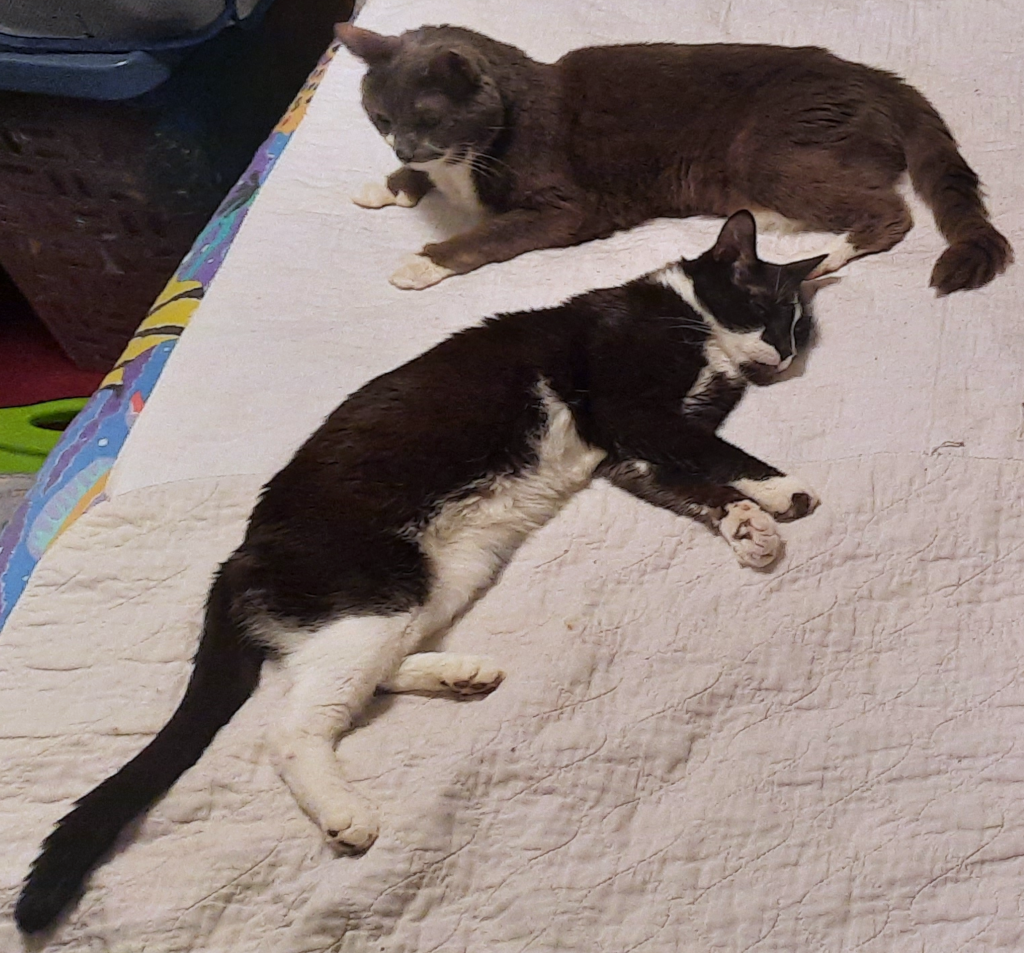 This is the part that can be hardest to accept, especially for those of us who want to help every animal feel the comfort we associate with home. Some feral cats cannot be socialized in a way that makes them comfortable living with people.
Fully feral adult cats often fall into this category. These cats have spent their entire lives relying on instinct to survive. Their fear of humans is not mild discomfort. It is deeply ingrained, almost like a reflex. Trying to force interaction can cause significant stress, and in some cases, it can even be harmful.
A cat in this state may hide constantly, refuse to eat in your presence, lash out if approached, or injure themselves trying to escape confinement. These are not signs of stubbornness. They are signs of overwhelming fear. I have seen this kind of fear before, and it changes how you approach care. It reminds you that kindness is not always about bringing a cat closer. Sometimes kindness is about giving them the space they need to feel safe.
There is also a quality of life component to consider. A feral cat who has lived outdoors successfully may experience extreme stress being brought inside, even if the intention is to protect them. Removing their sense of control and territory can feel like losing everything they understand. In these cases, the most compassionate approach is often not socialization, but support.
Supporting Feral Cats Without Forcing Change
When socialization is not realistic, there are still meaningful and life changing ways to help. One of the most impactful approaches is trap neuter return, often called TNR. This allows the cat to be spayed or neutered, vaccinated, and then returned to their familiar environment. From there, care becomes about stability and respect.
Providing regular food at consistent times creates a sense of predictability. Offering shelter gives them protection from weather without taking away their independence. Even something as simple as placing a sturdy, insulated shelter in a quiet corner can make a huge difference during colder months.
This kind of care reminds me of how we adapted to the needs of some of our own cats over the years. Belle, for example, had her own sensitivities. While she was not feral, she had behaviors that required patience and respect, especially when dealing with stress related conditions like psychogenic alopecia. It taught us that forcing comfort never works. Meeting a cat where they are always does.
Feral cats deserve that same understanding. They may never sit beside you on the couch, but they can still live healthier, safer lives because of your care.
Recognizing the Cat in Front of You
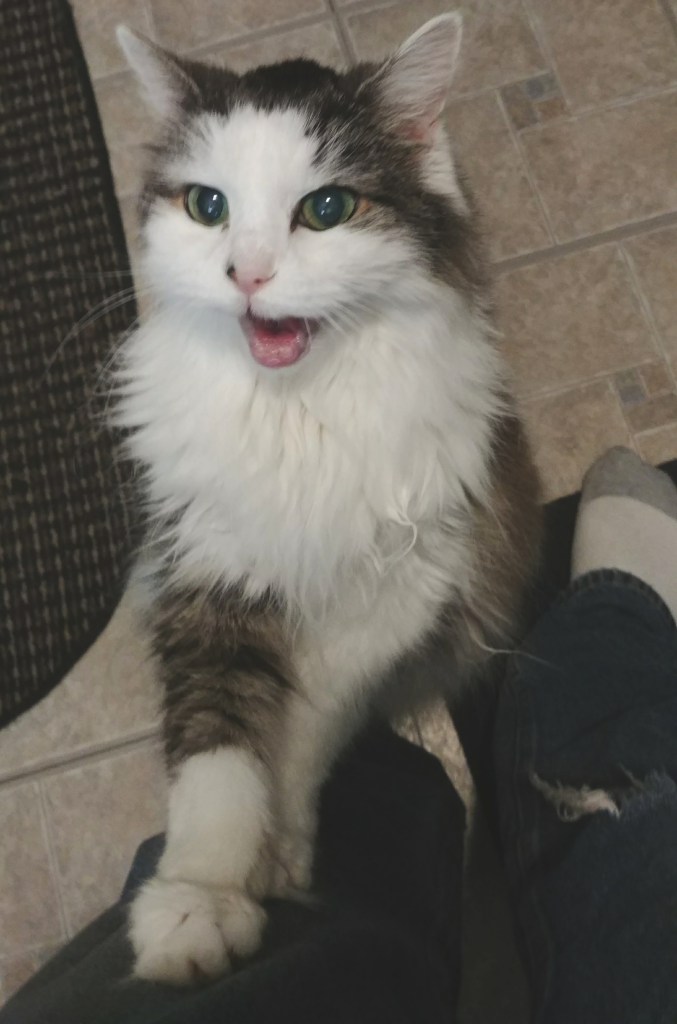 One of the most important skills you can develop is observation. Every cat is an individual, even within the categories we use to understand them. A cat that hisses but does not flee immediately might be saying, I am scared, but I am not completely unreachable. A cat that disappears the moment you step outside is communicating something different. Watching body language, movement patterns, and reactions over time helps you understand what is possible and what is not.
This is where patience becomes more than a virtue. It becomes a tool.
There is no timeline that fits every cat. Some may show small signs of trust within weeks. Others may remain distant for years. And some will never change in a way that allows close interaction. That does not mean your efforts are wasted. It means your role is different.
Balancing Hope With Realistic Expectations
It is natural to hope for transformation. We all want to believe that love and persistence can overcome fear. Sometimes they can. But part of truly caring for animals is learning when to adjust our expectations for their sake.
Trying to turn a fully feral cat into an indoor pet can lead to chronic stress for the cat and frustration for the caregiver. It can also take resources away from cats who are more likely to benefit from socialization efforts, such as young kittens or strays seeking human connection. This balance is not about giving up. It is about directing your energy where it does the most good while still honoring the needs of every cat you encounter.
A Compassionate Middle Ground
 There is a quiet kind of relationship that can form with feral cats, even when socialization is not possible in the traditional sense. It is built on routine, respect, and mutual understanding. They may come to recognize your voice. They may wait for you at feeding time. They may even choose to sit within sight, watching you from a comfortable distance. That is trust in their language. And it is enough.
For those of us who care deeply about animals, it helps to remember that love does not always look the way we expect it to. Sometimes it looks like stepping back instead of reaching in. Sometimes it looks like providing food and shelter without asking for anything in return.
If you are supporting a feral cat or considering trying to socialize one, take your time. Observe, learn, and let the cat guide the process. Whether the outcome is a fully social companion or a well cared for outdoor cat, what matters most is that they feel safe.
At BellenPaws, we often talk about meeting pets where they are, especially when managing long term conditions like diabetes or age related changes. The same philosophy applies here. Every animal has their own story, their own limits, and their own version of comfort. Your role is not to change who they are. It is to help them live the best life they can, exactly as they are.